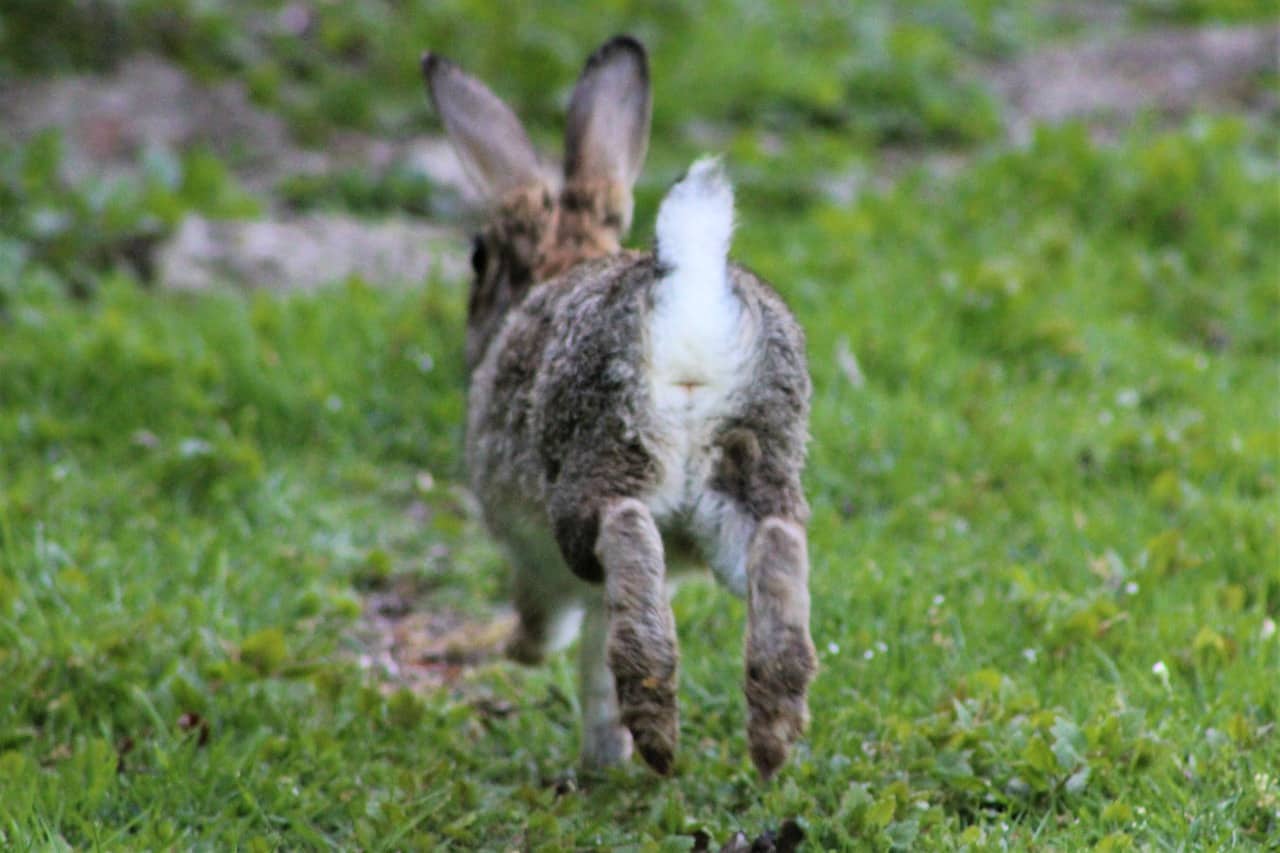
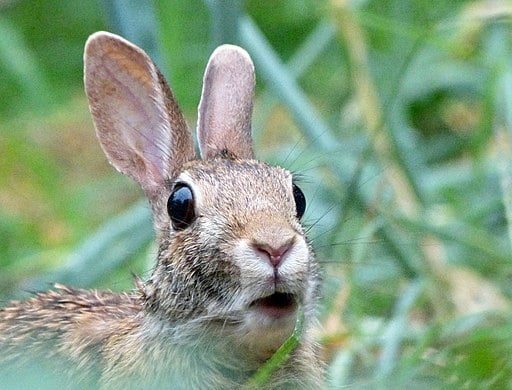
Yes, most rabbits do like snow and will happily explore it for short periods. Rabbits tolerate cold better than heat because they cannot sweat or pant effectively, making winter less stressful than summer for them. However, snow play must be supervised and limited to 10 to 30 minutes. Wet fur is the real danger, as rabbits can develop hypothermia quickly once their thick undercoat gets saturated. Knowing the ideal temperature range for rabbits helps you decide when conditions are safe for outdoor play.
Do Rabbits Enjoy Playing in the Snow?
Rabbits are naturally curious animals, and a fresh blanket of snow creates an entirely new environment for them to investigate. Many domestic rabbits will binky (jump and twist mid-air), dig tunnels, and race around the yard the first time they encounter snow. This reaction comes from their instinct to explore unfamiliar terrain and their natural comfort in cooler temperatures.
Wild rabbits, such as cottontails and snowshoe hares, spend entire winters outdoors. Domestic breeds retain much of this cold-weather resilience. Their dense double-layered coat, with a soft undercoat and coarser guard hairs, provides excellent insulation against freezing air. That said, domestic rabbits raised indoors are less acclimated to extreme cold than their wild counterparts, so a gradual introduction to snowy conditions works best.
Here are common behaviors you will see when a rabbit enjoys the snow:
- Binkying and zoomies: Jumping, twisting, and running at full speed across the snow
- Digging: Burrowing into snow piles and creating tunnels
- Chinning: Rubbing their chin on snow-covered objects to mark territory
- Flopping: Lying on their side in the snow, a sign of total relaxation
- Tasting: Nibbling or licking small amounts of clean snow
If your rabbit shows these behaviors, they are having a good time. If they sit hunched in one spot, press their ears flat, or try to hide under you, they want to go back inside.
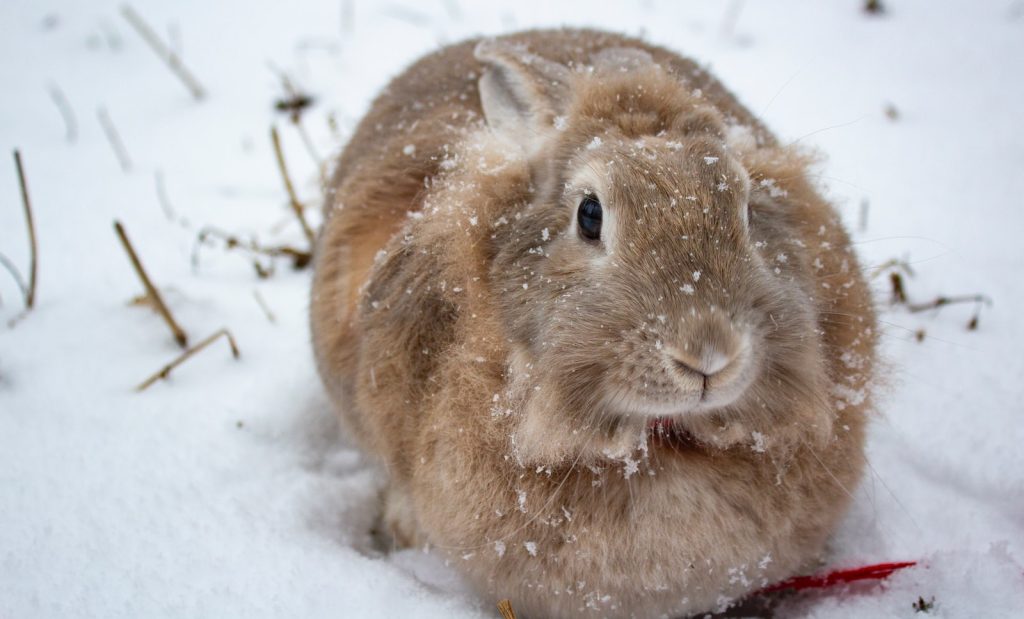
How Long Can Rabbits Play in the Snow Safely?
Keep snow sessions between 10 and 30 minutes. The exact time depends on several factors:
| Factor | Shorter Sessions (10-15 min) | Longer Sessions (20-30 min) |
|---|---|---|
| Temperature | Below 25°F (-4°C) | Above 32°F (0°C) |
| Wind | Strong wind chill | Calm or light breeze |
| Snow condition | Wet, slushy, or melting | Dry, powdery snow |
| Rabbit's coat | Short-haired breeds (Rex, Mini Rex) | Long/dense-coated breeds (Flemish Giant, Angora) |
| Rabbit's experience | First time in snow | Accustomed to outdoor cold |
Dry, powdery snow on a calm day above freezing gives you the widest safety margin. Wet, melting snow with wind chill is the most dangerous combination because it saturates fur quickly while the wind strips away body heat.
Set a timer on your phone. It is easy to lose track of time watching your rabbit play, and those extra minutes can make a real difference in cold conditions.
What Temperature Is Too Cold for Rabbits in Snow?
Rabbits can handle temperatures as low as 32°F (0°C) without much trouble, provided they stay dry and out of the wind. Most breeds become uncomfortable below 20°F (-6°C), and temperatures below 10°F (-12°C) pose a genuine risk of frostbite and hypothermia, even for thick-coated breeds.
The danger is not the air temperature alone. Wind chill, moisture, and duration of exposure all multiply the risk. A calm 28°F (-2°C) day with dry snow is safer than a windy 35°F (2°C) day with sleet. Always factor in wind chill before deciding to bring your rabbit outside.
If you are unsure whether conditions are safe, check your rabbit's ears regularly. Rabbits regulate body heat through their ears, and cold rabbit ears can signal that your rabbit is losing body heat faster than they can produce it. Ears that feel ice cold or look pale at the tips mean it is time to go inside immediately.
What Are the Signs Your Rabbit Is Too Cold?
Hypothermia in rabbits can develop quickly, especially when fur gets wet. Watch for these warning signs during and after snow play:
Early Warning Signs
- Ice-cold ears: The most reliable early indicator since rabbits use ears for thermoregulation
- Hunched posture: Sitting in a tight ball with legs tucked under the body to conserve heat
- Reduced activity: A rabbit that was playing actively but suddenly stops and sits still
- Shivering: Unlike dogs and humans, rabbits rarely shiver, so visible shaking is a serious sign
Severe Warning Signs (Get Inside Immediately)
- Lethargy: Unresponsive or extremely slow movements
- Cold body: The entire body, not just the ears, feels cold to the touch
- Pale or blue-tinged gums: Indicates poor circulation
- Shallow breathing: Slow, labored, or barely visible breathing
If your rabbit is shaking and laying down after snow play, wrap them in a dry towel and bring them to a warm room. Do not use a hair dryer or heating pad directly on the rabbit, as this can cause burns or thermal shock. Let them warm up gradually. If symptoms do not improve within 15 to 20 minutes, contact your veterinarian immediately.
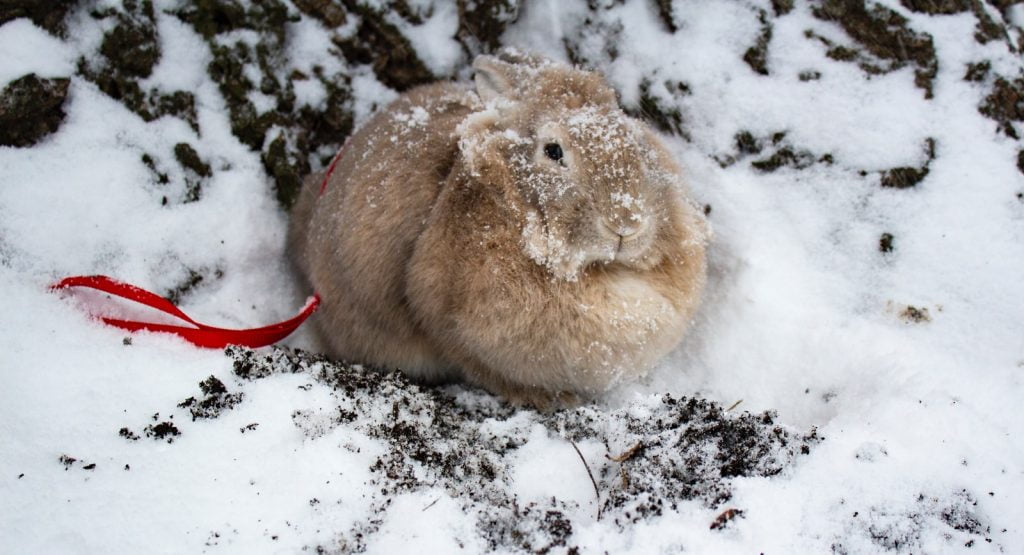
Which Rabbit Breeds Handle Snow Better?
Not all breeds are equally suited for cold weather. Breeds that originated in colder climates or have denser coats handle snow significantly better than tropical or thin-coated breeds.
Cold-Hardy Breeds
- Flemish Giant: Large body mass retains heat efficiently, thick dense coat
- New Zealand White: Bred for outdoor hutch life, excellent cold tolerance
- Chinchilla: Dense, plush fur provides superior insulation
- Silver Fox: Extremely thick coat bred for cold-climate fur production
- Angora (English, French, Giant): Wool-like coat provides outstanding insulation, but wet wool is dangerous
Cold-Sensitive Breeds
- Rex and Mini Rex: Short, velvety fur lacks the dense undercoat of other breeds
- Netherland Dwarf: Small body mass loses heat rapidly
- Holland Lop: Compact body but relatively thin coat
- Lionhead: Mane provides some insulation but the body coat is often thin
Even cold-hardy breeds need supervised, time-limited snow sessions. And cold-sensitive breeds can still enjoy brief snow play on milder days, just keep sessions to 10 minutes or less.
How to Prepare Your Rabbit for Snow Play
A little preparation goes a long way in keeping snow time safe and enjoyable. Follow these steps before heading outside:
- Check the weather: Temperature above 25°F (-4°C), low wind, no precipitation falling. Dry snow on the ground is fine, but avoid going out during active snowfall or sleet.
- Choose a safe area: Pick a fenced or enclosed space free of predators, chemicals (road salt, de-icer), and escape routes. Rabbits can dig under fences quickly in soft snow.
- Inspect the snow: Make sure the snow is clean and free of ice melt products, antifreeze drips, or animal waste. These chemicals are toxic if ingested.
- Bring a dry towel: Keep a towel nearby to dry your rabbit immediately if their fur gets wet.
- Use a pen or exercise enclosure: A portable playpen on the snow keeps your rabbit contained while still giving them room to run and dig.
- Never use a harness on ice: Slippery surfaces combined with a harness can cause a rabbit to panic and injure their spine if they bolt and reach the end of the lead.
Make sure your rabbit is healthy before snow play. If your rabbit has been showing signs of stress, is recovering from illness, or is very young (under 12 weeks) or elderly, skip the snow outing entirely.
What to Do After Your Rabbit Plays in the Snow
The post-play routine matters just as much as the play itself. Here is what to do when you bring your rabbit back inside:
Drying
Gently towel-dry your rabbit's paws, belly, and any areas where snow may have packed into their fur. Pay special attention to the area between the toes and under the tail. Never submerge a rabbit in water to "warm them up." Bathing a cold rabbit can trigger fatal shock.
Warming Up
Place your rabbit in a warm (not hot), draft-free room. Their normal living space is usually perfect. Provide fresh hay and a ceramic or heavy water bowl with room-temperature water. Avoid placing them directly next to a heater or fireplace, as rapid temperature changes stress a rabbit's cardiovascular system.
Monitoring
Watch your rabbit for at least 30 minutes after coming inside. Check their ears for warmth, observe their breathing, and make sure they resume normal eating and drinking. A healthy rabbit should return to normal behavior within 10 to 15 minutes of warming up.
If your rabbit refuses to eat, remains lethargic, or shows labored breathing more than 30 minutes after coming inside, call your vet. These symptoms can indicate the early stages of hypothermia or respiratory infection.
Can Snow Make a Rabbit Sick?
Snow itself is not harmful, but the conditions surrounding snow play can cause health problems if precautions are not followed.
Hypothermia
The most serious risk. Wet fur combined with cold temperatures drops a rabbit's core body temperature rapidly. According to the PDSA (People's Dispensary for Sick Animals), rabbits can suffer from hypothermia when their body temperature drops below 101°F (38.3°C), with normal body temperature ranging between 101°F and 104°F (38.3°C to 40°C).
Respiratory Infections
Sudden temperature changes, moving from a warm house to freezing outdoor air and back, can stress a rabbit's respiratory system. Snuffles (pasteurellosis), a common bacterial infection in rabbits, often flares up during winter temperature swings. Symptoms include nasal discharge, sneezing, and watery eyes.
Frostbite
Ears, toes, and the tail tip are most vulnerable. Frostbitten tissue appears pale, then swells and reddens as it thaws. Severe frostbite causes tissue death and may require veterinary amputation of the affected area. Short-eared breeds like Netherland Dwarfs are actually at less frostbite risk in the ears than lop-eared breeds whose ears drag in the snow.
Ingestion of Chemicals
Rock salt, calcium chloride de-icers, and antifreeze are all toxic to rabbits. Even small amounts of antifreeze (ethylene glycol) can be fatal. Always check the snow area for chemical contamination before letting your rabbit play.
Do Wild Rabbits Like Snow?
Wild rabbits do not get to choose whether they experience snow, but they are remarkably well adapted to it. Cottontail rabbits and snowshoe hares survive harsh winters through a combination of behavioral and physical adaptations.
Snowshoe hares turn white in winter for camouflage and grow dense fur on the soles of their feet, essentially wearing natural snowshoes. Cottontails seek shelter in brush piles, hollow logs, and abandoned burrows, venturing out primarily at dawn and dusk to forage.
Wild rabbits do not "play" in snow the way domestic rabbits do. Their outdoor time is focused on finding food and avoiding predators. The playful behavior you see in domestic rabbits during snow play is a luxury of safety. Your pet rabbit plays in the snow because they feel secure enough to explore without worrying about survival.
Should Outdoor Rabbits Stay Outside During Winter?
Rabbits housed in outdoor hutches year-round are generally more acclimated to cold weather than indoor rabbits. They grow thicker winter coats starting in autumn and adjust their metabolism to handle lower temperatures. However, outdoor hutches need proper winterization to keep rabbits safe.
According to the RSPCA, outdoor rabbits need shelter that protects them from rain, wind, and extreme temperatures. Key requirements for a winter-ready outdoor hutch include:
- Windproofing: Cover the front of the hutch with a tarp or blanket at night, leaving ventilation gaps to prevent condensation buildup
- Extra bedding: Pack the sleeping area with straw (not hay, which absorbs moisture). Straw traps air and provides superior insulation
- Raised off the ground: The hutch should sit on legs or blocks to prevent ground frost from seeping through the floor
- Unfrozen water: Check water bottles and bowls multiple times daily. Use a ceramic bowl rather than a bottle in winter, as bottles freeze faster
- Extra food: Rabbits burn more calories staying warm in winter. Increase hay portions and consider adding a small amount of extra pellets
For more details on setting up a proper living space, check our guide on what a rabbit needs in its hutch.
Never move an outdoor rabbit permanently indoors during winter and then back outside in spring. The sudden temperature change is more dangerous than consistent outdoor living with proper shelter. If you want to bring an outdoor rabbit inside for winter, plan to keep them inside until spring temperatures stabilize.
Can Baby Rabbits Play in the Snow?
No. Kits under 12 weeks old should not be exposed to snow or freezing temperatures. Young rabbits have not yet developed the full density of their adult coat, and their small body mass means they lose heat far more rapidly than adult rabbits.
Even between 12 weeks and 6 months, keep outdoor cold exposure brief and only on mild days above 40°F (4°C). By 6 months, most rabbits have their full adult coat and can handle supervised snow play like any adult rabbit.
Elderly rabbits (over 7 years) and rabbits with chronic health conditions such as arthritis, respiratory issues, or heart disease should also skip snow play. Cold temperatures worsen joint pain and can exacerbate respiratory conditions.
Tips for Making Snow Play Fun and Safe
Here are practical tips from breeders who regularly let their rabbits experience snow:
- Build a snow maze: Pack snow into low walls to create a maze your rabbit can explore. Rabbits love navigating enclosed spaces, and the walls block wind.
- Scatter hay on the snow: Sprinkling hay creates a foraging activity and encourages natural grazing behavior even in the snow.
- Provide a dry refuge: Place a cardboard box or covered crate in the play area so your rabbit can retreat from the cold without needing to go all the way inside.
- Go out with your rabbit: Sit nearby so your rabbit feels safe. Many rabbits will play more confidently when their owner is present.
- Photograph, but do not chase: Resist the urge to chase your rabbit through the snow for photos or videos. Chasing causes stress, and a panicking rabbit can injure themselves on ice.
Frequently Asked Questions
Can rabbits eat snow?
Rabbits can nibble small amounts of clean snow without harm. However, snow should not replace their regular water supply. Snow has a much lower volume-to-water ratio, meaning a rabbit would need to eat large quantities to stay hydrated, which drops their core body temperature. Always provide fresh liquid water alongside any outdoor time.
Can rabbits get frostbite from playing in the snow?
Yes, rabbits can get frostbite on their ears, toes, and tail tips during prolonged cold exposure. The risk increases significantly when fur gets wet. Keep snow play sessions short (10 to 30 minutes), check ears for extreme cold, and dry your rabbit thoroughly afterward to minimize frostbite risk.
Do rabbits need boots or clothing for snow?
No. Rabbits do not tolerate clothing or accessories well, and most will panic trying to remove them. Their natural fur coat is sufficient for brief supervised snow play. The fur on the bottom of their feet provides natural insulation against cold ground.
Is it safe to let my rabbit out in snow at night?
No. Nighttime brings lower temperatures, increased predator activity, and reduced visibility for monitoring your rabbit's condition. Always limit snow play to daylight hours when you can clearly observe your rabbit's behavior and quickly respond to any signs of distress.
My rabbit does not seem interested in the snow. Is that normal?
Yes. Not every rabbit enjoys snow. Some rabbits are cautious by nature and prefer the comfort of their indoor environment. Never force a reluctant rabbit to stay outside in the snow. If they head for the door or huddle against you, bring them back inside and try again another day, or accept that snow simply is not their thing.
Cite this article:
BunnySync (February 27, 2026) Do Rabbits Like Snow? Safe Winter Playtime Guide for 2026. Retrieved from https://bunnysync.com/blog/do-rabbits-like-snow.
"Do Rabbits Like Snow? Safe Winter Playtime Guide for 2026." BunnySync - February 27, 2026, https://bunnysync.com/blog/do-rabbits-like-snow