A mother rabbit may kill her babies due to stress, fear, poor nutrition, inexperience, or because the kits are sick or already dead. This behavior, while alarming to rabbit owners, is driven by deep survival instincts rather than aggression. Understanding why a doe kills her young is the first step to preventing it from happening in future litters.
Rabbits are herbivores and would not normally eat meat under any circumstances. When a mother rabbit consumes her kits, it is almost always an instinctual response to a perceived threat, a lack of resources, or a problem with the litter itself. As breeders, we have seen this happen even with experienced does when conditions are not right.
Is It Normal for a Rabbit to Eat Her Babies?
Yes, it is relatively common, especially with first-time mothers. In the wild, rabbits face constant pressure from predators, limited food sources, and the need to keep their nesting area clean. These instincts carry over to domestic rabbits, even when there are no real threats present.
According to the House Rabbit Society, maternal cannibalism in rabbits is well-documented and most often occurs within the first 48 hours after birth. It does not mean the doe is a bad mother or that she will repeat the behavior with every litter.
Experienced breeders generally give a doe two or three chances before retiring her from breeding. If a doe consistently kills her litters despite ideal conditions, she should be spayed and kept as a pet rather than used for further breeding.
What Causes a Mother Rabbit to Kill Her Kits?
There are several reasons a doe may kill or eat her young. Most of them are rooted in survival instincts rather than intentional harm. Here are the most common causes that breeders encounter.
The Kits Are Sick or Deformed
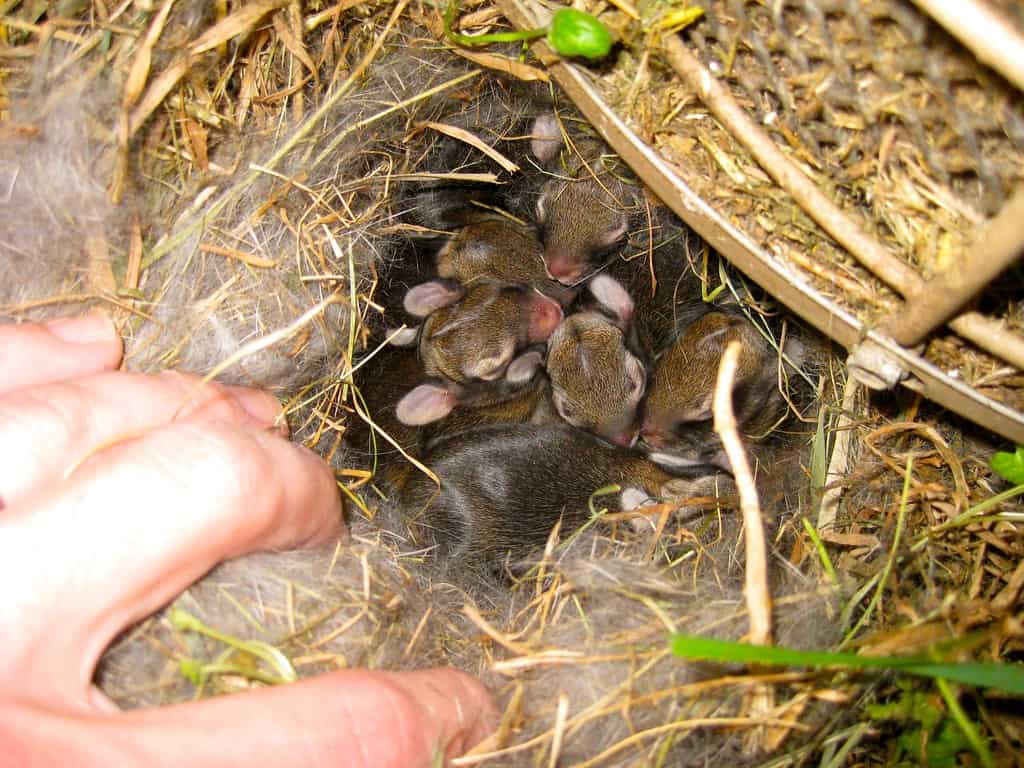
When a doe detects that one or more of her kits are sick, weak, or deformed, her instincts tell her to remove them from the nest. In the wild, weak offspring drain the limited milk supply and can attract predators with their distress calls. By removing unhealthy kits, the mother ensures her remaining healthy babies have the best chance of survival.
This behavior is not unique to rabbits. Many prey animals cull weak offspring to protect the rest of the litter. Domestic rabbits retain this instinct even though food and safety are not actual concerns in a home or rabbitry setting.
If you notice a doe repeatedly killing kits from the same pairing, the buck or doe may carry a genetic issue that produces unhealthy offspring. Consider switching breeding partners before assuming the doe is the sole problem.
The Mother Is Stressed or Frightened
Stress is one of the leading causes of maternal infanticide in rabbits. A doe that feels stressed or threatened may kill her babies as a survival response. In the wild, a frightened doe eats her young to eliminate scent trails and evidence that could lead predators to her location.
Common stressors that trigger this behavior include:
- Loud noises near the nesting area such as construction, barking dogs, or children playing
- Other animals, especially dogs or cats, getting close to the cage
- Frequent handling of the nest or kits by the owner in the first 48 hours
- Moving the doe to a new cage close to or after kindling
- Too many rabbits housed in the same space or in adjacent cages
- Sudden changes in routine, lighting, or temperature
To reduce stress, place the nesting box in a quiet, sheltered corner of your rabbitry at least five days before the expected kindling date. Avoid loud activities near the doe and limit visitors to the area during the first week after birth. If your doe shows signs of nervousness like thumping, refusing food, or excessive digging, address the cause before she kindles.
She Is Too Young or Inexperienced
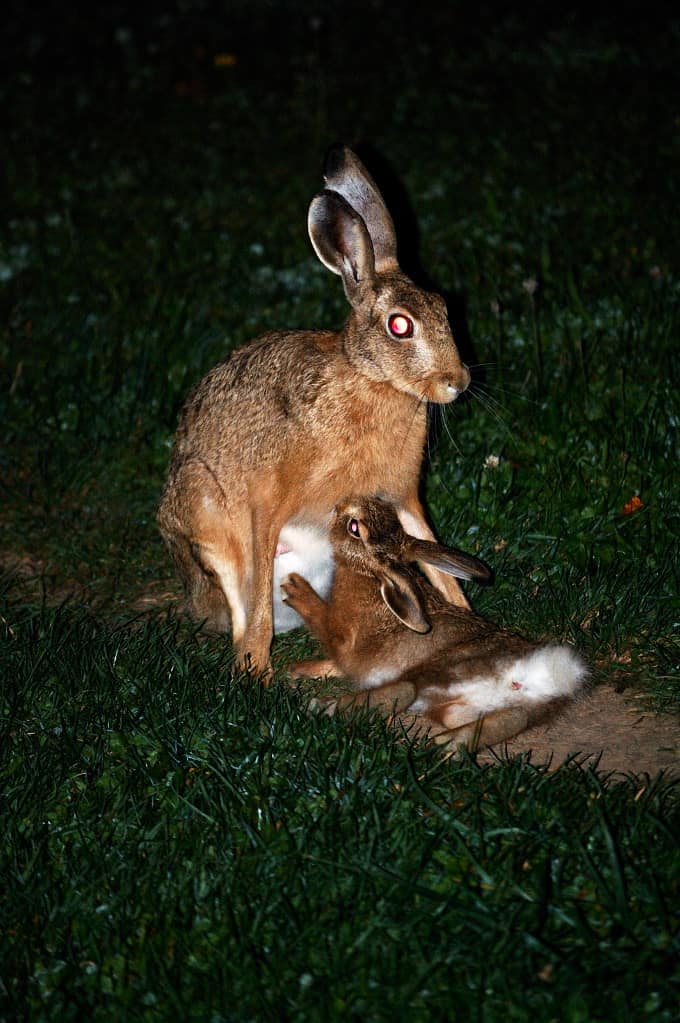
First-time mothers are significantly more likely to kill their kits than experienced does. A doe that is bred before she reaches sexual maturity (typically around 5 to 6 months for small breeds and 8 to 9 months for large breeds) may lack the hormonal development needed for proper maternal behavior.
Young or first-time mothers often make these mistakes:
- Failing to build a proper nest before kindling
- Not pulling enough fur to line the nest and keep kits warm
- Kindling on the cage wire instead of in the nesting box
- Stepping on or scattering kits instead of nursing them
- Eating kits because they do not recognize them as offspring
Most inexperienced does improve dramatically with their second or third litter. Breeders typically allow at least two attempts before making judgments about a doe's maternal ability. Patience is key with young mothers.
She Does Not Have Enough Milk
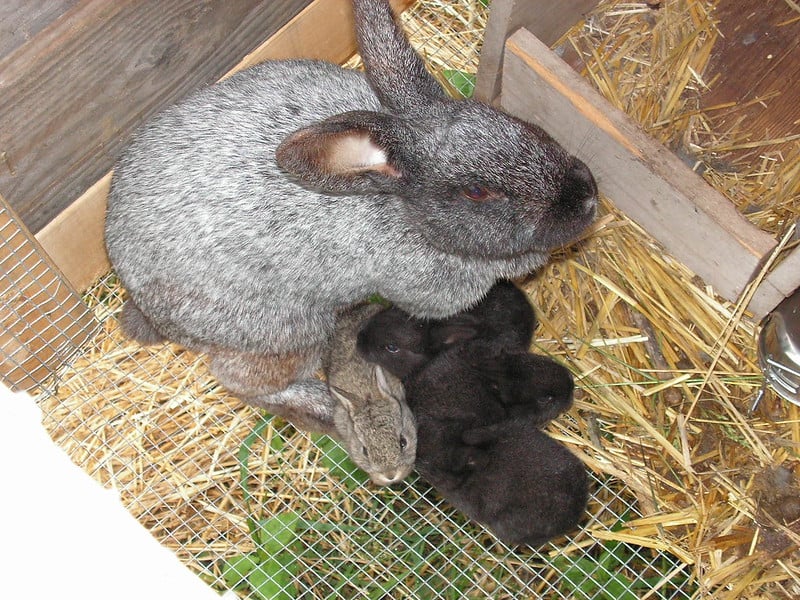
A doe that cannot produce enough milk to feed her litter may kill some or all of her kits. Poor milk production is usually tied to inadequate nutrition before and during pregnancy. Does that are underfed, dehydrated, or fed a low-protein diet are far more likely to experience milk failure.
Rabbit kits are completely dependent on their mother's milk for the first two to three weeks of life. A doe feeds her babies only once or twice per day, and each feeding lasts about five minutes. If the doe does not have sufficient milk, kits quickly weaken and die, and the doe then removes the dead kits from the nest.
To support healthy milk production:
- Increase pellet portions during the last week of pregnancy and throughout nursing
- Provide unlimited timothy hay and fresh water at all times
- Add alfalfa hay during nursing for extra protein and calcium
- Ensure the doe has access to clean water 24 hours a day, as dehydration directly reduces milk output
The Kits Are Already Dead
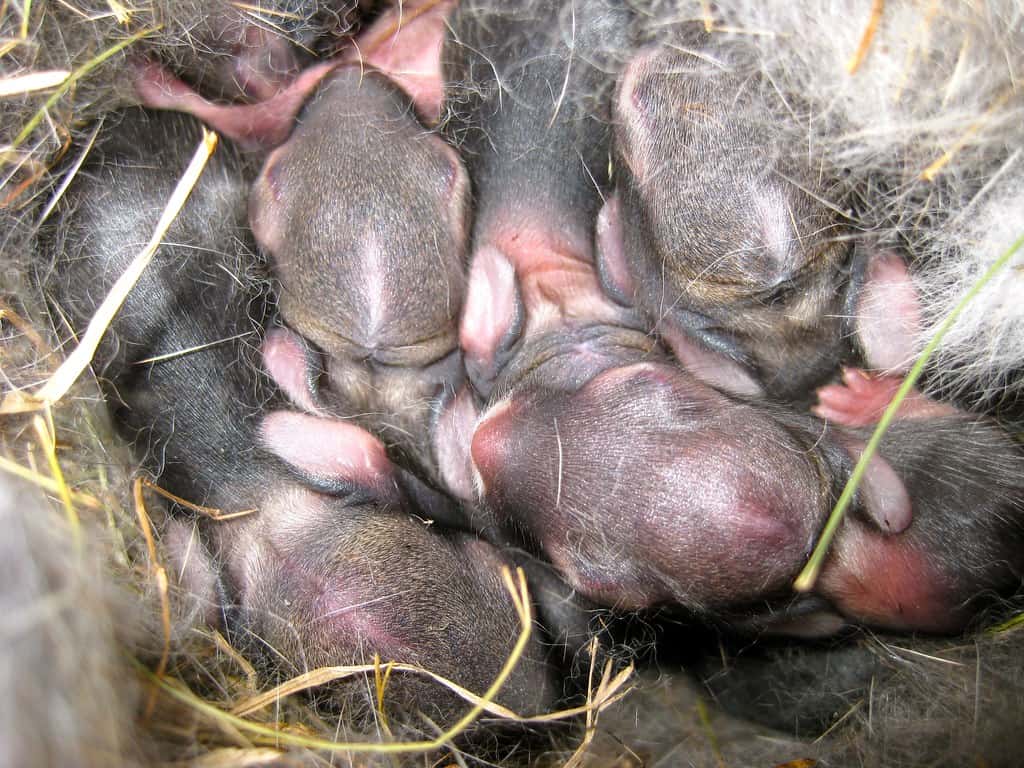
Sometimes a doe eats her babies simply because they are already dead. Stillborn kits are common, especially in very large or very small litters, and in litters from older does or first-time mothers.
A doe will consume dead kits to keep the nest clean and prevent the smell of decomposition from attracting predators or spreading disease to the surviving babies. This is a practical survival behavior, not a sign of aggression or poor maternal instincts.
If you find that all kits are gone and the nest is clean, it is possible the entire litter was stillborn and the doe cleaned up naturally. This does not indicate a behavioral problem. Check on the nest within 12 hours of kindling whenever possible so you can remove any stillborn kits yourself before the doe consumes them.
She Confused Kits with the Placenta
After giving birth, a doe instinctively eats the placenta and any afterbirth material. This is completely normal and serves two purposes: it removes scent that could attract predators, and it provides the doe with a quick source of nutrients after the energy-intensive process of kindling.
In some cases, particularly with first-time or nervous mothers, the doe may accidentally consume a kit while eating the placenta. This is most likely when the kindling happens quickly and kits are born very close together. The doe does not intentionally target her babies. She simply fails to distinguish between afterbirth tissue and a newborn kit in the chaos of delivery.
This type of accident is almost always a one-time occurrence. It rarely repeats in subsequent litters once the doe has more experience with the kindling process.
A Male Rabbit Was Left in the Cage
If the buck (male rabbit) is left in the same cage as the doe during or after kindling, he may injure or kill the kits. Bucks do not have paternal instincts and can view newborn kits as intruders or simply trample them. The doe may then eat the dead or injured kits to clean the nest.
Always remove the buck from the doe's cage after confirmed breeding. The buck should not be present during pregnancy, kindling, or nursing. Some breeders keep the buck in a cage within sight of the doe for comfort, but direct contact should be avoided until the kits are weaned at around 6 to 8 weeks old.
How Can You Prevent a Mother Rabbit from Eating Her Babies?
Prevention comes down to creating the right conditions before, during, and after kindling. Most cases of maternal infanticide in rabbits are preventable with proper management. Here is what experienced breeders do to protect their litters.
Set Up a Quiet, Private Nesting Area
Place a nesting box inside the doe's cage about 5 days before her expected kindling date (day 28 of pregnancy). The nesting box should be:
- Large enough for the doe to turn around in, but small enough to keep kits contained and warm
- Lined with clean straw or hay for insulation
- Positioned in the quietest area of your rabbitry
- Away from foot traffic, other animals, and loud equipment
A doe that feels safe and secure in her nesting area is far less likely to harm her babies. If you need help setting up the right environment, our guide on what a rabbit needs in its hutch covers the essentials.
Feed a Proper Diet Before and During Pregnancy
Nutrition directly affects milk production and maternal behavior. A doe that is well-fed and hydrated is more likely to nurse her kits successfully. During the last week of pregnancy and throughout the nursing period, increase her pellet ration by about 50% and provide unlimited hay.
Make sure fresh, clean water is always available. A nursing doe can drink two to three times more water than a non-pregnant rabbit. If she becomes dehydrated, her milk supply drops rapidly and she may abandon or kill her litter.
Breed at the Right Age
Do not breed a doe before she is physically and sexually mature. The minimum breeding age depends on the breed size:
| Breed Size | Minimum Breeding Age | Examples |
|---|---|---|
| Small (under 5 lbs) | 5 to 6 months | Holland Lop, Netherland Dwarf, Mini Rex |
| Medium (5 to 9 lbs) | 6 to 7 months | Dutch, Rex, English Angora |
| Large (9 to 12 lbs) | 8 to 9 months | New Zealand, Californian, Satin |
| Giant (over 12 lbs) | 9 to 12 months | Flemish Giant, Continental Giant, Checkered Giant |
Breeding before these ages increases the risk of small litters, stillborn kits, and poor maternal behavior. Waiting for full maturity gives the doe the best chance of being a successful mother.
Remove the Buck Before Kindling
Separate the buck from the doe immediately after successful breeding. Never leave a buck with a pregnant or nursing doe. Bucks can rebreed a doe within hours of kindling, leading to back-to-back pregnancies that exhaust the doe and put both litters at risk.
Minimize Handling of Newborn Kits
Check the nest within 12 hours of kindling to count kits and remove any stillborns. After that initial check, limit handling for the first week. While it is a myth that a doe will reject kits because they "smell like humans," excessive handling still adds unnecessary stress to an already sensitive situation.
When you do check the nest, rub your hands in the doe's bedding first. Work quickly and calmly. Avoid hovering over the nest for extended periods, as this can make the doe anxious.
What Should You Do If a Doe Kills Her First Litter?
Do not give up on a doe after one failed litter. First-time mothers commonly make mistakes, and most improve significantly with their second or third kindling. Here is a practical approach that experienced breeders follow:
- Evaluate what went wrong. Was there a clear stressor? Was the doe too young? Was her nutrition adequate?
- Fix any environmental or nutritional issues before rebreeding.
- Wait at least 30 days before rebreeding to let the doe recover physically and mentally.
- Monitor the second litter closely. Check the nest within hours of kindling.
- If the doe kills her second litter under ideal conditions, give her one more chance.
- If she kills a third litter despite optimal conditions, retire her from breeding and have her spayed.
Some breeders use foster does to save kits from unreliable mothers. If you have another doe that kindled around the same time, you can transfer surviving kits to her nest. Rub the foster kits in the new doe's fur and nesting material before placing them with her litter to help mask any unfamiliar scent.
Can You Hand-Raise Rejected or Orphaned Kits?
Hand-raising rabbit kits is possible but difficult. Newborn rabbits have a high mortality rate when hand-fed, primarily because rabbit milk is extremely rich in fat and protein. Commercial kitten milk replacer (KMR) is the closest available substitute, but it is still not a perfect match for what the doe naturally provides.
If you need to hand-raise newborn kits, follow these guidelines:
- Feed KMR (kitten milk replacer) mixed with a small amount of heavy cream to boost fat content
- Use a 1 mL syringe or small nursing bottle designed for small animals
- Feed twice per day, mimicking a doe's natural nursing schedule
- Keep kits warm in a nest lined with soft cloth and hay, maintaining a temperature around 100 degrees Fahrenheit (38 degrees Celsius) for the first week
- Stimulate urination and defecation by gently wiping the genital area with a warm, damp cotton ball after each feeding
According to the Merck Veterinary Manual, rabbit milk contains approximately 12% to 13% fat and 10% to 12% protein, which is far richer than cow's milk or most commercial formulas. Even with careful hand-raising, survival rates for orphaned kits under one week old are typically around 10% to 20%. Finding a foster doe is always the better option when one is available.
Frequently Asked Questions
Will a mother rabbit kill her babies if you touch them?
No, this is a common myth. A doe will not reject or kill her kits because a human touched them. Domestic rabbits are accustomed to human scent. However, excessive handling adds stress to the doe, so keep nest checks brief and minimize disturbance during the first week after kindling.
Do male rabbits eat baby rabbits?
Male rabbits (bucks) do not typically eat baby rabbits, but they can injure or kill them by stepping on them or biting them. Bucks lack parental instincts and should always be separated from the doe before she gives birth to prevent accidental harm to the litter.
How many litters should I give a doe before retiring her from breeding?
Most breeders give a doe three chances. If she kills or abandons her litter three times despite optimal conditions, nutrition, and a stress-free environment, she should be spayed and retired from breeding. Some does simply lack strong maternal instincts regardless of the circumstances.
At what age do baby rabbits stop being at risk from their mother?
The highest risk period is the first 48 hours after birth. After the first week, maternal cannibalism becomes extremely rare. By two weeks, kits have fur and can regulate their body temperature. By three weeks, they start eating solid food alongside nursing, and the risk of the mother harming them drops to nearly zero.
Can stress cause a rabbit to eat her babies days after birth?
It is rare but possible. A sudden traumatic event, such as a predator entering the rabbitry, a loud explosion, or aggressive handling, can trigger a stress response even days after kindling. Maintaining a calm, consistent environment throughout the entire nursing period is essential for protecting the litter.
Cite this article:
BunnySync (February 28, 2026) Why Would A Mother Rabbit Kill Her Babies?. Retrieved from https://bunnysync.com/blog/why-would-a-mother-rabbit-kill-her-babies.
"Why Would A Mother Rabbit Kill Her Babies?." BunnySync - February 28, 2026, https://bunnysync.com/blog/why-would-a-mother-rabbit-kill-her-babies