Mother rabbits feed their babies only once or twice per day, typically during the early morning hours or late at night. Each nursing session lasts just 3 to 5 minutes. If you have never seen your doe nurse her kits, that is completely normal. Most breeders go weeks without witnessing a single feeding because it happens so fast and at odd hours. The key indicator that your kits are being fed is their bellies: round, warm tummies mean they are well nourished. Wrinkled skin and cool bodies mean something is wrong.
As breeders, we have raised dozens of litters and the feeding pattern stays consistent across breeds. Understanding how rabbit nursing works will help you know when to intervene and when to leave the doe alone. Here is everything you need to know about mother rabbit feeding schedules, from birth through weaning.
How Many Times a Day Does a Mother Rabbit Nurse Her Kits?
A mother rabbit nurses her kits once or twice every 24 hours. This is very different from cats or dogs, which nurse their young multiple times throughout the day. Rabbit milk is extremely rich and concentrated, containing roughly 12 to 13 percent fat and 10 to 12 percent protein. This high caloric density means kits only need one short feeding to sustain them for a full day.
Most does prefer to nurse in the early morning hours between midnight and 5 a.m. Some does will also nurse once in the evening. The timing is instinctual: in the wild, rabbits are crepuscular animals, meaning they are most active at dawn and dusk. Feeding during these low-visibility hours reduces the chance of attracting predators to the nest.
If you are a first-time breeder and worried because you never see the doe with her kits, do not panic. This feeding frequency is biologically normal. We have had does that nursed exclusively at 3 a.m. for an entire litter cycle, and every single kit grew perfectly.
Why Do Mother Rabbits Only Feed Their Babies Once or Twice a Day?
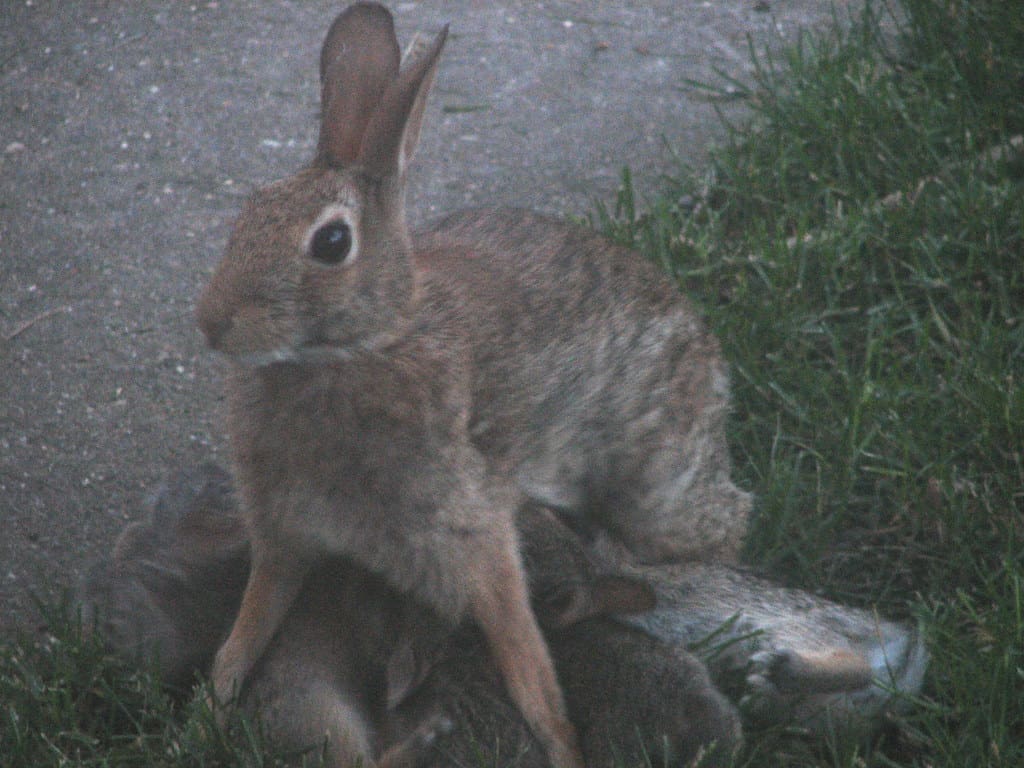
This infrequent nursing schedule comes down to survival instincts. In the wild, a mother rabbit builds her nest in a shallow depression called a scrape, lines it with fur and grass, and then leaves. She stays away from the nest for most of the day to avoid leading predators directly to her vulnerable babies.
When a doe returns to nurse, she stands directly over the kits for a few minutes, lets them latch on, and then leaves again immediately. The entire process is fast and deliberate. Domestic rabbits retain these same instincts even when there are no predators around. This is why your house rabbit or barn rabbit will seem to "ignore" her newborns. She is not abandoning them. She is protecting them.
Rabbit milk composition supports this pattern perfectly. According to research published by the Food and Agriculture Organization of the United Nations, rabbit milk contains nearly three times the fat content of cow's milk. This means a small amount of rabbit milk delivers a large amount of calories, keeping kits satisfied and growing even with just one daily feeding.
How Long Does a Rabbit Nursing Session Last?
A typical nursing session lasts between 3 and 5 minutes. Some experienced does finish in under 3 minutes. The doe will hop into the nest box, position herself over the kits, and let them nurse while she remains standing. She does not lie down the way a cat or dog would.
Because the session is so short, it is very easy to miss entirely. Even breeders who spend hours in the barn each day rarely catch the doe in the act. This is why checking kit bellies is far more reliable than trying to observe the nursing itself.
If you want to confirm nursing is happening, try this method: gently check the kits at the same time every morning. If their bellies are round and their skin is smooth, the doe nursed overnight. If the bellies are flat and the skin looks wrinkled or loose, she may have skipped a feeding.
How Can You Tell If a Mother Rabbit Is Feeding Her Babies?
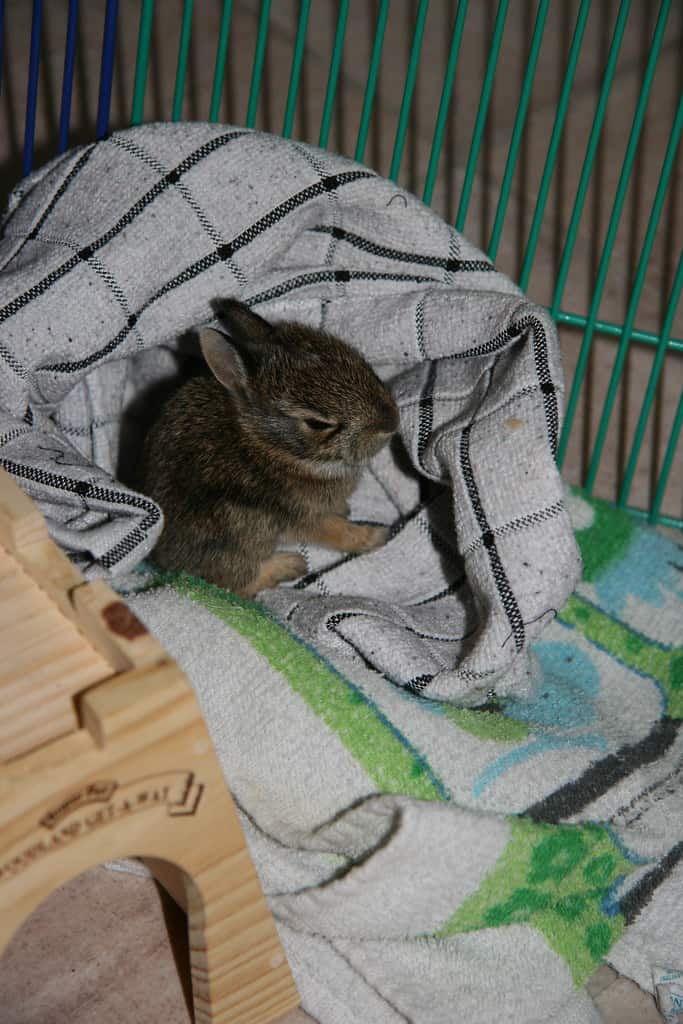
Since you will almost never see the doe nurse, you need to rely on physical signs in the kits themselves. Here are the indicators that the kits are being fed properly:
- Round, full bellies: Well-fed kits have visibly rounded stomachs. You can actually see the milk through their thin skin in the first few days, appearing as a white area in the abdomen.
- Warm body temperature: Fed kits are warm to the touch. Cold kits may not be eating or may have been pushed out of the nest.
- Smooth, hydrated skin: Healthy kits have plump skin. Dehydrated, underfed kits have wrinkled, loose skin that looks too big for their bodies.
- Steady weight gain: Kits should gain weight daily. A kitchen scale that measures in grams is the most reliable tool. Healthy kits roughly double their birth weight by one week old.
- Active movement: Fed kits squirm and wriggle when touched. Lethargic kits that barely respond may be underfed.
We recommend weighing each kit daily for the first two weeks. Record the weights in a notebook or use a rabbit management app like BunnySync to track growth over time. A kit that is not gaining weight for two consecutive days needs immediate attention.
How Long After Birth Does a Mother Rabbit First Feed Her Kits?
Most does will not nurse their kits immediately after kindling. The first feeding typically happens 12 to 24 hours after birth. Some does wait a bit longer, and this is still within normal range. If you have just witnessed your doe give birth and she walks away from the nest, do not force her back. She will return on her own schedule.
If you are not sure whether your rabbit is showing signs of labor, check the kits about 24 hours after you first notice them. Round bellies at that point confirm the doe has nursed.
First-time does can sometimes be unpredictable. They may kindle outside the nest box, scatter kits, or seem confused. If the doe has not nursed within 48 hours of birth and the kits look dehydrated, you may need to intervene. We cover that in detail below.
Will Baby Rabbits Die If They Are Not Fed Often Enough?
Not necessarily. Because rabbit milk is so nutrient-dense, kits can survive on just one feeding per day. The real danger is when a doe stops nursing entirely for multiple days. Newborn kits can typically survive 24 to 48 hours without feeding after birth, since they are born with some energy reserves. After that window, the risk of dehydration and starvation increases rapidly.
Kits that go 3 to 4 days without any milk will become severely dehydrated, and their survival rate drops significantly. The younger the kit, the more vulnerable it is. Kits under one week old are at the highest risk because they cannot regulate their own body temperature and rely entirely on milk for both nutrition and hydration.
This is why daily belly checks are so important. Catching a missed feeding early gives you time to intervene before the kits reach a critical state.
How Long Can Newborn Rabbits Go Without Milk?
Newborn kits can go approximately 24 hours without milk under normal circumstances. After birth, the first feeding usually occurs within 12 to 24 hours. After that initial feeding, the doe will settle into a once-daily schedule.
If kits go beyond 48 hours without nursing, you should consider the situation urgent. Here is a general timeline of what happens:
| Time Without Milk | Kit Condition | Action Required |
|---|---|---|
| 0 to 24 hours | Normal after birth | Monitor, check bellies |
| 24 to 36 hours | Bellies flat, slight dehydration | Try supervised nursing |
| 36 to 48 hours | Wrinkled skin, cool body | Begin supplemental feeding |
| 48 to 72 hours | Severe dehydration, lethargic | Emergency vet consultation |
| 72+ hours | Critical condition | Intensive care needed |
In the wild, does sometimes leave the nest for extended periods to avoid attracting attention. Domestic rabbits do the same thing instinctively, even though they are safe in your home or barn. If you suspect the doe has not nursed in over 36 hours, it is time to step in.
What Should You Do If the Mother Is Not Nursing Her Kits?
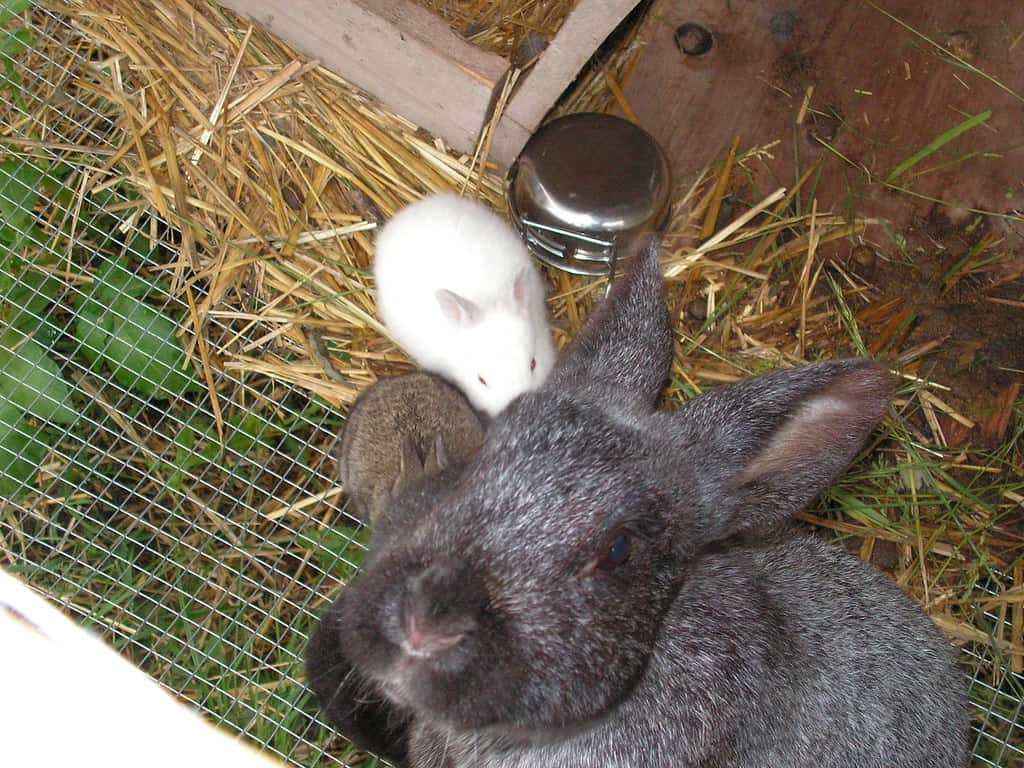
If you have confirmed through belly checks that the doe has not nursed for more than 48 hours, take these steps:
- Try supervised nursing: Place the doe in the nest box and gently hold her in position over the kits. Some does will allow the kits to latch on when held. Keep a firm but gentle grip on the doe's scruff. This works well for first-time mothers who are nervous.
- Check for mastitis: Examine the doe's nipples and mammary glands. Swollen, hot, or red mammary tissue could indicate mastitis, a painful infection that prevents nursing. If you suspect mastitis, consult a rabbit-savvy veterinarian immediately.
- Reduce stress: A stressed doe is less likely to nurse. Make sure the nesting area is quiet, away from loud noises, other animals, and excessive handling. First-time mothers are especially prone to stress-related nursing refusal.
- Consider fostering: If you have another doe that recently kindled and has a small litter, you can foster the orphaned kits to her. Rub the foster kits with bedding from the new doe's nest to transfer her scent before placing them with her litter.
- Begin supplemental feeding: If none of the above options work, you will need to hand-feed the kits.
There are several reasons a mother rabbit might reject or harm her babies. Understanding the cause can help you prevent it in future litters.
How to Syringe Feed Orphaned Baby Rabbits
If the doe absolutely will not nurse, supplemental feeding with a milk replacer is your best option. The most commonly recommended formula is Esbilac (puppy milk replacer), mixed with heavy cream for added fat content. Some breeders also use kitten milk replacer (KMR) as an alternative.
Before starting supplemental feeding, always consult a veterinarian familiar with rabbits. They can assess the kits and recommend the right formula and feeding schedule for your specific situation.
Here is a general Esbilac feeding guide based on kit age:
| Kit Age | Esbilac Amount Per Feeding | Feedings Per Day |
|---|---|---|
| Newborn (0 to 1 week) | 2 to 5 cc | Twice daily |
| 1 to 2 weeks old | 5 to 15 cc | Twice daily |
| 2 to 3 weeks old | 15 to 27 cc | Twice daily |
| 3 to 4 weeks old | 27 to 30 cc | Twice daily |
| 4 weeks until weaned | 30 cc | Twice daily |
These amounts are guidelines, not strict rules. Always check the kit's belly after feeding. If the stomach feels slightly round and firm, stop feeding for that session. Overfeeding is dangerous and can cause bloat or aspiration.
Use a small syringe (1 cc or 3 cc) and feed very slowly. Hold the kit upright, not on its back, to prevent milk from entering the lungs. After each feeding, gently stimulate the kit's genital area with a warm, damp cotton ball to encourage urination and defecation. The doe would normally do this with her tongue, so you need to replicate it. For a complete guide on hand-rearing, read our article on caring for newborn rabbit babies.
When Do Baby Rabbits Start Eating Solid Food?
Kits begin nibbling on solid food around 2 to 3 weeks of age. They will start by sampling hay and their mother's cecotropes, which introduce beneficial gut bacteria essential for proper digestion. By 3 to 4 weeks, kits are eating small amounts of hay and pellets alongside their mother's milk.
Full weaning usually occurs between 6 and 8 weeks of age. We recommend keeping kits with the doe until at least 8 weeks, as early weaning can cause digestive issues and stress. During the weaning transition, make sure kits have unlimited access to high-quality timothy or alfalfa hay. For more on proper hay portions, check our guide on how much hay a rabbit should eat.
The transition from milk to solid food should be gradual. Kits naturally reduce their nursing frequency as they eat more solids, and the doe's milk production decreases accordingly. Abrupt weaning can cause enteritis, a potentially fatal intestinal inflammation, in young rabbits.
Common Mistakes Breeders Make with Newborn Kits
Even experienced breeders sometimes make errors with newborn litters. Here are the most common mistakes we see:
- Handling kits too much too early: While it is important to check kits daily, excessive handling can stress the doe and cause her to refuse nursing. Keep inspections brief and purposeful.
- Removing the doe from the cage: Some breeders separate the doe from her kits at night, thinking she might hurt them. In most cases, this is unnecessary and disrupts the natural nursing schedule.
- Panicking when the doe leaves the nest: A doe spending time away from the nest is normal behavior, not neglect. Only intervene if belly checks confirm the kits are not being fed.
- Overfeeding orphaned kits: More milk is not better. Overfeeding causes bloat, diarrhea, and aspiration pneumonia. Follow the feeding chart and always go by belly fullness rather than volume alone.
- Not providing enough nesting material: Kits need a well-insulated nest to maintain body temperature between feedings. Straw, hay, and the doe's pulled fur should fill the nest box generously.
Tips for Encouraging Successful Nursing
While most does nurse instinctively, you can set them up for success with proper preparation:
- Provide a proper nest box: Give the doe a nest box at least 5 days before her due date so she can prepare it. The box should be large enough for her to turn around in but small enough that kits cannot crawl away and get cold.
- Ensure adequate nutrition: A nursing doe needs significantly more calories than a non-breeding rabbit. Increase her pellet ration and provide unlimited hay. Fresh water must be available at all times, as dehydration reduces milk production.
- Minimize disturbance: Keep the area around the nest box calm and quiet, especially during the first week. Avoid rearranging the cage or introducing new objects that could startle the doe.
- Keep records: Track birth dates, litter sizes, kit weights, and any nursing concerns. This data helps you identify patterns across litters and catch problems early.
Good nutrition and a stress-free environment are the two biggest factors in successful nursing. According to veterinary guidelines from the House Rabbit Society, ensuring the doe has adequate food and water is the single most important step you can take to support healthy lactation.
Frequently Asked Questions
Do mother rabbits feed their babies at night?
Yes, most mother rabbits nurse their kits during the early morning hours, typically between midnight and 5 a.m. This nighttime feeding pattern is an instinct carried over from wild rabbits, who nurse at night to avoid attracting predators to the nest. This is why most breeders never see the doe nursing.
How do I know if my rabbit's babies are getting enough milk?
Check the kits' bellies each morning. Well-fed babies have round, plump stomachs and smooth skin. You may even see a white milk spot through their thin skin in the first few days. Underfed kits have flat, wrinkled bellies, feel cool to the touch, and may appear lethargic. Daily weighing is the most accurate way to confirm growth.
Should I force a mother rabbit to nurse her babies?
If the doe has not nursed for over 48 hours, you can try supervised nursing by gently holding the doe in position over the kits. However, never force her aggressively, as this can injure both the doe and the kits. If supervised nursing does not work after two attempts, switch to supplemental syringe feeding with Esbilac.
Can baby rabbits survive without their mother's milk?
Yes, orphaned kits can survive on milk replacer like Esbilac or kitten milk replacer when fed properly with a small syringe. However, hand-raised kits have a lower survival rate than mother-fed kits, especially in the first week. The doe's milk contains antibodies and nutrients that are difficult to replicate with commercial formulas.
At what age do baby rabbits stop nursing?
Baby rabbits are fully weaned between 6 and 8 weeks of age. They begin nibbling hay and pellets around 2 to 3 weeks old and gradually transition to solid food over the following weeks. We recommend keeping kits with the doe until at least 8 weeks to ensure a complete and healthy weaning process.
Cite this article:
Cite this article:
BunnySync (February 28, 2026) How Often Does a Mother Rabbit Feed Her Babies? Nursing Guide. Retrieved from https://bunnysync.com/blog/how-often-does-a-mother-rabbit-feed-her-babies.
"How Often Does a Mother Rabbit Feed Her Babies? Nursing Guide." BunnySync - February 28, 2026, https://bunnysync.com/blog/how-often-does-a-mother-rabbit-feed-her-babies
Sources and further reading
- Buseth, Marit Emilie., and Richard A. Saunders. Rabbit Behaviour, Health, and Care. CABI, 2014.
- Lebas, F. The Rabbit: Husbandry, Health, and Production. Food and Agriculture Organization of the United Nations, 1997.
- Patry, Karen, et al. The Rabbit-Raising Problem Solver: Your Questions Answered about Housing, Feeding, Behavior, Health Care, Breeding, and Kindling. Storey Publishing, 2014.
- House Rabbit Society: Baby Rabbits Care Guide
- Care and Feeding of Orphaned Domestic Rabbits