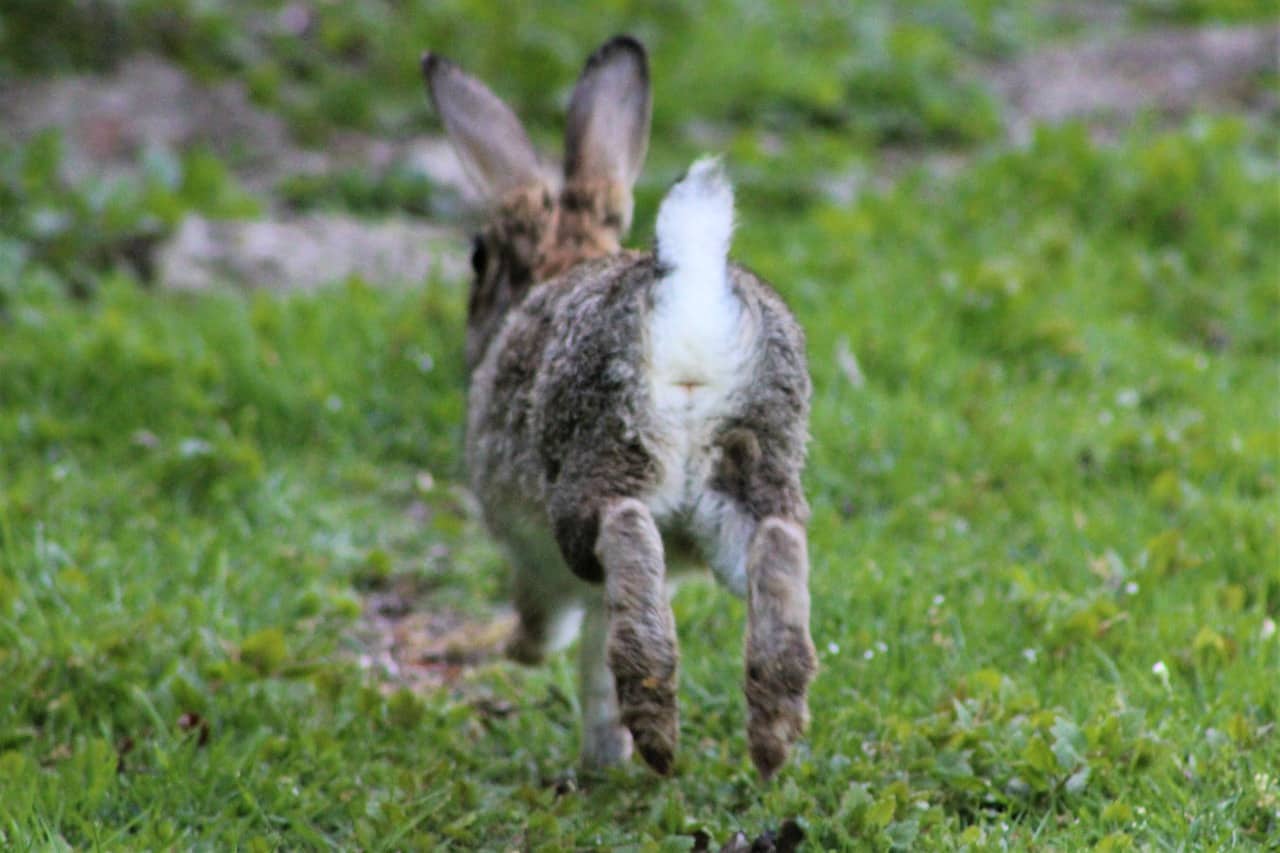
Most rabbits take between 6 and 12 months to fully mature, though the exact timeline depends heavily on breed size. Small breeds like Netherland Dwarfs reach their adult size by 4 to 6 months, while giant breeds such as Flemish Giants can take 12 to 18 months to finish growing. Sexual maturity arrives even earlier, typically between 3.5 and 8 months depending on breed. Understanding how long it takes for a rabbit to mature helps you make the right decisions about diet, housing, breeding, and spaying or neutering.

How Long Does It Take for a Rabbit to Reach Full Size?
The time it takes for a rabbit to reach full physical maturity depends almost entirely on breed size. Smaller breeds finish growing in a matter of months, while the largest breeds need well over a year. Here is a general breakdown.
| Breed Size | Examples | Full Size Age | Adult Weight Range |
|---|---|---|---|
| Small (under 4 lbs) | Netherland Dwarf, Polish, Holland Lop | 4 to 6 months | 2 to 4 lbs |
| Medium (4 to 8 lbs) | Mini Rex, Dutch, English Angora | 6 to 9 months | 4 to 8 lbs |
| Large (8 to 12 lbs) | New Zealand, Californian, Rex | 9 to 12 months | 8 to 12 lbs |
| Giant (over 12 lbs) | Flemish Giant, Continental Giant, Checkered Giant | 12 to 18 months | 12 to 22+ lbs |
Keep in mind that "full size" means the rabbit has reached its final skeletal frame and weight. Many rabbits will look close to adult size several months before they actually stop growing. Weekly weigh-ins are the most reliable way to track when growth has plateaued.
What Does the Complete Rabbit Growth Timeline Look Like?
Rabbits are one of the fastest-growing domestic animals relative to their birth size. A kit that weighs just 1 to 2 ounces at birth can reach several pounds within a few months. Here is what to expect at each stage of your rabbit's development.
Newborn Kits (Birth to 3 Weeks)
Kits are born hairless, blind, and deaf. They are completely dependent on their mother rabbit for nursing, which typically happens once or twice per day. Despite these brief feeding sessions, rabbit milk is incredibly rich in calories and fat, allowing kits to double their birth weight within the first week.
By day 10 to 12, their eyes and ears open. By the end of the third week, kits begin exploring outside the nest and nibbling on hay and their mother's cecotropes. These special droppings help colonize the kits' gut with the beneficial bacteria they need for proper digestion later in life.
Weanlings (3 to 8 Weeks)
Between 3 and 8 weeks, kits transition from milk to solid food. Most breeders wean kits between 6 and 8 weeks of age, though some smaller breeds benefit from staying with the doe a bit longer. During this period, kits should have unlimited access to alfalfa hay and age-appropriate pellets to support their rapid growth.
This is also the stage where you can start handling kits regularly to socialize them. Gentle, daily handling at this age produces calmer, more people-friendly adult rabbits. Avoid separating kits from their siblings too early, as they learn important social skills through play and grooming during this period.
Juveniles (2 to 4 Months)
Growth accelerates significantly during this phase. Rabbits gain the most weight between 8 and 16 weeks of age. You will notice visible changes week to week as their body fills out, their ears grow to full length, and their coat transitions from the soft baby fur to the coarser, denser adult coat.
Juvenile rabbits should continue eating alfalfa-based hay and higher-protein pellets. Fresh vegetables can be introduced gradually, one type at a time, starting at around 12 weeks of age. Introduce each new vegetable in small amounts and watch for any signs of digestive upset like soft stool or gas before adding another.
Adolescents (4 to 6 Months)
This is when things get interesting. Most small and medium breeds reach sexual maturity during this window, which brings noticeable behavioral changes. You may see spraying, territorial marking, mounting, grunting, and general moodiness. Some rabbits that were previously calm and friendly may suddenly become nippy or cage-aggressive.
Adolescence is the most common time for rabbit owners to schedule spaying or neutering. Most veterinarians recommend the procedure between 4 and 6 months of age, once the reproductive organs are fully developed but before hormonal behaviors become deeply ingrained habits.
Sub-Adults (6 to 12 Months)
Small breeds have typically reached their full size by this point, but medium and large breeds are still growing. Growth slows considerably compared to the first few months, with gradual weight gains of a few ounces per month rather than the dramatic weekly changes seen earlier.
This is a good time to begin transitioning from alfalfa hay to timothy hay, which has lower calcium and protein content appropriate for adult rabbits. Rabbits that continue eating alfalfa long-term risk developing urinary sludge and bladder stones from excess calcium buildup.
Fully Mature Adults (12 Months and Beyond)
By 12 months, the vast majority of rabbit breeds have reached their adult size and weight. Giant breeds are the exception, and may continue filling out until 14 to 18 months of age.
Once fully mature, your rabbit's diet should consist primarily of unlimited timothy hay, a measured daily portion of adult pellets, fresh leafy greens, and unlimited fresh water. Overfeeding pellets to adult rabbits is one of the most common causes of obesity in domestic rabbits, so always measure portions based on body weight.
When Do Rabbits Reach Sexual Maturity?
Sexual maturity and physical maturity are two different milestones, and understanding the difference is critical. Rabbits become capable of reproducing well before they finish growing. An unspayed female housed with an intact male can become pregnant months before either rabbit has reached full size, which can lead to complications for both the doe and her kits.
Sexual Maturity by Breed Size
| Breed Size | Sexual Maturity Age | Physical Maturity Age |
|---|---|---|
| Small breeds | 3.5 to 4.5 months | 4 to 6 months |
| Medium breeds | 4 to 5 months | 6 to 9 months |
| Large breeds | 5 to 7 months | 9 to 12 months |
| Giant breeds | 6 to 9 months | 12 to 18 months |
Signs Your Rabbit Has Reached Sexual Maturity
Recognizing sexual maturity early helps you separate rabbits before unplanned breeding occurs. Watch for these telltale signs:
- Spraying urine: Both males and females may spray urine to mark territory, though males tend to do it more frequently and with greater range.
- Mounting behavior: Rabbits may mount cage mates, stuffed toys, blankets, or even your arm.
- Territorial aggression: Lunging, biting, or boxing when you reach into their enclosure, especially if they were previously calm.
- Circling your feet: A male rabbit circling and honking at your feet is a classic courtship display.
- Nest building (does): Females may start pulling fur from their chest and belly to build nests, even without being pregnant. This is called a false pregnancy and can happen to any unspayed doe.
- Chinning everything: Rubbing their chin on objects, cage corners, food dishes, and even you much more frequently than before. The chin contains scent glands rabbits use to claim ownership.
If you do not plan to breed your rabbits, scheduling a spay or neuter before these behaviors become habitual makes them much easier to manage. Fixed rabbits are generally calmer, easier to litter train, and significantly less prone to reproductive cancers.
How Fast Do Specific Domestic Breeds Mature?
While breed size is the most reliable general predictor of maturity age, individual breeds do vary within their size category. Here is a more detailed breakdown of popular domestic breeds and their maturity timelines, based on standards from the American Rabbit Breeders Association (ARBA).
| Breed | Adult Weight | Sexual Maturity | Full Physical Maturity |
|---|---|---|---|
| Netherland Dwarf | 2 to 2.5 lbs | 3.5 to 4 months | 4 to 5 months |
| Holland Lop | 3.5 to 4 lbs | 4 months | 5 to 6 months |
| Mini Rex | 3.5 to 4.5 lbs | 4 months | 6 to 7 months |
| Dutch | 4 to 5.5 lbs | 4 to 5 months | 6 to 7 months |
| English Angora | 5 to 7.5 lbs | 5 months | 7 to 8 months |
| Standard Rex | 7.5 to 10.5 lbs | 5 to 6 months | 8 to 9 months |
| New Zealand | 9 to 12 lbs | 5 to 6 months | 9 to 10 months |
| Californian | 8 to 10.5 lbs | 5 to 6 months | 9 to 10 months |
| Flemish Giant | 13 to 22+ lbs | 6 to 9 months | 14 to 18 months |
| Continental Giant | 16 to 25+ lbs | 7 to 9 months | 14 to 18 months |
These are averages based on healthy rabbits receiving proper nutrition. Rabbits that are underfed, overcrowded, or chronically stressed may experience delayed growth. Conversely, rabbits that are overfed high-calorie pellets without enough hay can become overweight before reaching their full skeletal size, which puts strain on their joints and organs.
How Long Does It Take for a Wild Rabbit to Mature?
Wild rabbits generally mature faster than domestic breeds. Survival pressures in the wild favor rapid development, so a rabbit that can reproduce sooner has a better chance of passing on its genes before falling prey to predators.
Here is a comparison of common wild rabbit and hare species and their maturity timelines:
| Species | Sexual Maturity | Full Physical Size |
|---|---|---|
| Eastern Cottontail | 2 to 3 months | 4 months |
| European Rabbit | 4 to 6 months | 6 to 10 months |
| Snowshoe Hare | 1 year | 3 to 5 months |
| Jackrabbit (Black-tailed) | 7 months | 8 to 12 months |
| Arctic Hare | 1 year | 10 to 12 months |
| Pygmy Rabbit | 1 year | 4 to 5 months |
| Volcano Rabbit | 4 months | 8 months |
| Cape Hare | 8 months | 8 months |
It is worth noting that hares (including jackrabbits, snowshoe hares, and Arctic hares) are not true rabbits despite their similar appearance. Hares are born fully furred with open eyes, and they are much more independent from birth. True wild rabbits, like cottontails and European rabbits, are born blind and hairless, similar to domestic breeds.
How Can You Tell If Your Rabbit Is Fully Grown?
If you adopted your rabbit without knowing its exact age, or if you are simply unsure whether it is still growing, there are several reliable indicators that growth has stopped:
- Stable weight over several weeks: Perform weekly weigh-ins and record the results. If your rabbit's weight stays consistent over 3 to 4 consecutive weeks, it has likely reached its adult size.
- Proportional body shape: The head, ears, and feet look proportional to the body. Young rabbits often look "leggy" or appear to need to "grow into" their oversized ears and feet.
- Full adult coat: The soft baby coat has been completely replaced by denser, coarser adult fur. In rex breeds, the distinctive plush velvet coat is fully developed.
- Settled behavior: The adolescent energy and hormonal behaviors have leveled out, especially in spayed or neutered rabbits. Adults tend to be calmer and more routine-driven than juveniles.
- Body condition score: You can feel the ribs with light pressure but cannot see them. The spine is covered by a smooth layer of muscle and a thin fat layer. Visible ribs suggest the rabbit is underweight, while difficulty feeling ribs indicates excess weight.
How Should You Adjust Care as Your Rabbit Matures?
Your rabbit's needs change significantly as it moves through each growth stage. Getting the timing right on these adjustments helps prevent common health problems like obesity, dental disease, and urinary issues.
Diet Changes by Life Stage
| Life Stage | Hay | Pellets | Vegetables |
|---|---|---|---|
| Kit (0 to 3 months) | Unlimited alfalfa | Unlimited (alfalfa-based) | None |
| Juvenile (3 to 6 months) | Unlimited alfalfa | Unlimited (alfalfa-based) | Introduce slowly from 12 weeks |
| Sub-adult (6 to 12 months) | Transition to timothy hay | Reduce to 1/4 cup per 5 lbs body weight | 1 cup greens per 2 lbs body weight |
| Adult (1 to 5 years) | Unlimited timothy hay | 1/4 cup per 5 lbs body weight | 1 to 2 cups greens daily |
| Senior (6+ years) | Unlimited timothy (add alfalfa if underweight) | Adjust based on weight and condition | Continue daily greens |
The transition from alfalfa to timothy hay is one of the most important dietary changes you will make. Alfalfa is too high in calcium and protein for adult rabbits and can lead to urinary sludge, bladder stones, and obesity over time. Make the switch gradually over 2 to 3 weeks by mixing increasing amounts of timothy hay with decreasing amounts of alfalfa.
Exercise and Housing Needs
Young rabbits are bundles of energy and need ample space to run, jump, and binky. As a general rule, your rabbit's enclosure should be at least four times the length of the rabbit when fully stretched out. However, enclosure size is just a minimum. Adult rabbits should get at least 3 to 4 hours of supervised free-roaming time outside their cage every day to maintain healthy muscles, joints, and digestion.
As rabbits enter their senior years (6+ years), you may notice decreased activity levels. Senior rabbits still need exercise, but you may need to provide ramps instead of high jumps, softer flooring for arthritic joints, and litter boxes with lower entry points.
When to Spay or Neuter
Most veterinarians experienced with rabbits recommend spaying females between 4 and 6 months of age, once the uterus is developed enough for safe surgery. Males can be neutered as soon as the testicles descend, which typically happens between 3.5 and 5 months.
Spaying is especially important for female rabbits. Research cited by the House Rabbit Society indicates that up to 80% of unspayed female rabbits develop uterine adenocarcinoma by 5 years of age. Spaying eliminates this risk entirely and also prevents false pregnancies, which can be stressful for both the rabbit and the owner.
Frequently Asked Questions
At what age is a rabbit considered fully grown?
Most rabbit breeds are considered fully grown between 6 and 12 months of age. Small breeds like Netherland Dwarfs reach adult size by 4 to 6 months, medium breeds by 6 to 9 months, and large breeds by 9 to 12 months. Giant breeds such as Flemish Giants may continue growing until 14 to 18 months old.
Can you tell a rabbit's age by its size?
Size gives a rough estimate, but it is not reliable on its own because breed variation is significant. A 4-pound adult Netherland Dwarf looks very different from a 4-pound juvenile New Zealand. Teeth wear, nail thickness, hock condition, and fur texture are more useful age indicators for rabbits of unknown history.
Do male and female rabbits mature at the same rate?
Males and females of the same breed reach physical maturity at roughly the same age. However, females typically reach sexual maturity slightly earlier. In small breeds, does can become fertile as early as 3.5 months, while bucks of the same breed may not produce viable sperm until 4 to 4.5 months.
How can I make sure my rabbit grows properly?
Provide unlimited hay and age-appropriate pellets during the growth period, keep stress levels low, ensure adequate space for exercise, and schedule regular veterinary checkups. Avoid weaning kits before 6 weeks of age, as early weaning is linked to higher mortality rates and digestive problems in young rabbits.
Is it safe to breed a rabbit as soon as it reaches sexual maturity?
Most breeders recommend waiting beyond the minimum sexual maturity age. For small breeds, wait until the doe is at least 5 to 6 months old. For medium and large breeds, 6 to 8 months is standard. Breeding too young can lead to pregnancy complications because the doe's body is still growing and may not support a healthy litter.
Sources and further reading
- Buseth, Marit Emilie., and Richard A. Saunders. Rabbit Behaviour, Health, and Care. CABI, 2014.
- Patry, Karen, et al. The Rabbit-Raising Problem Solver. Storey Publishing, 2014.
- Lebas, F. The Rabbit: Husbandry, Health, and Production. Food and Agriculture Organization of the United Nations, 1997.
- Spaying and Neutering FAQ - House Rabbit Society
- Recognized Breeds - American Rabbit Breeders Association