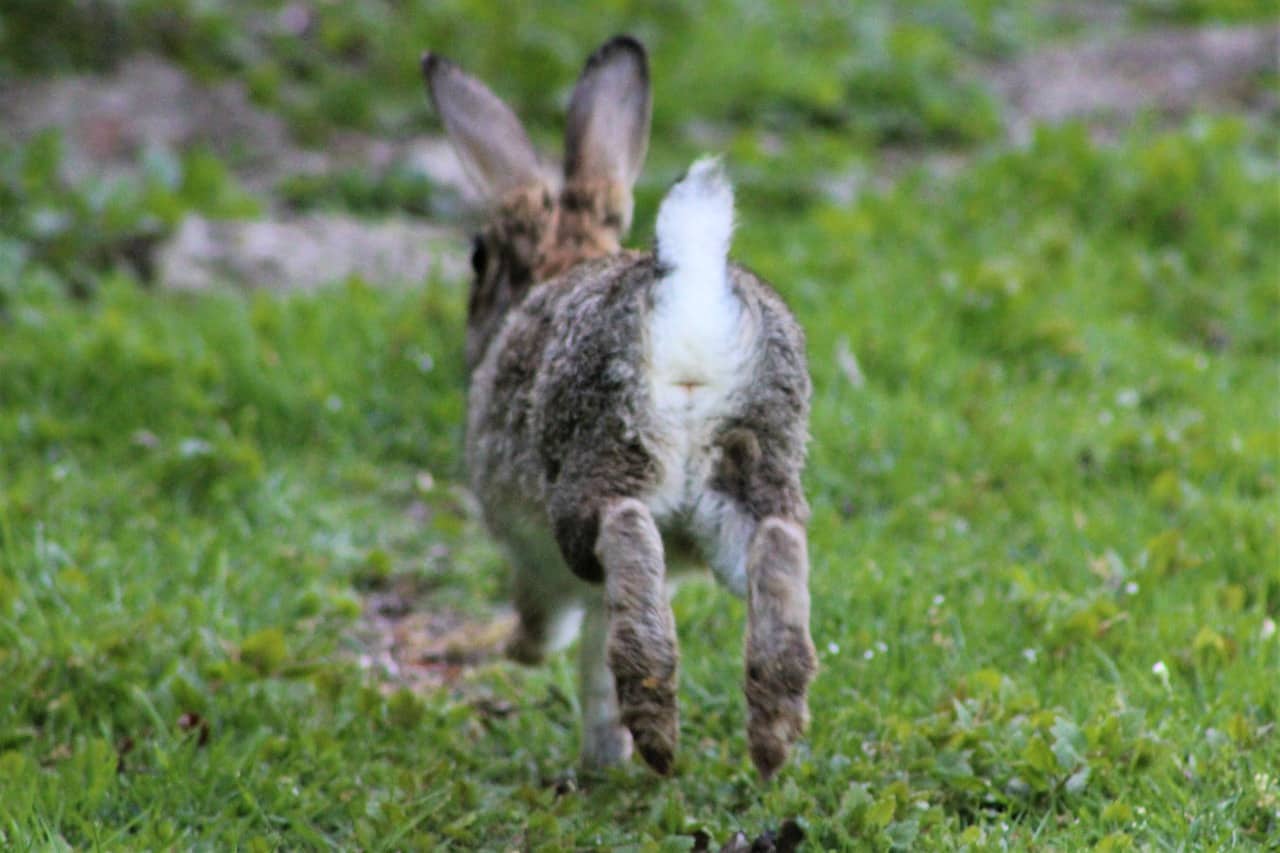
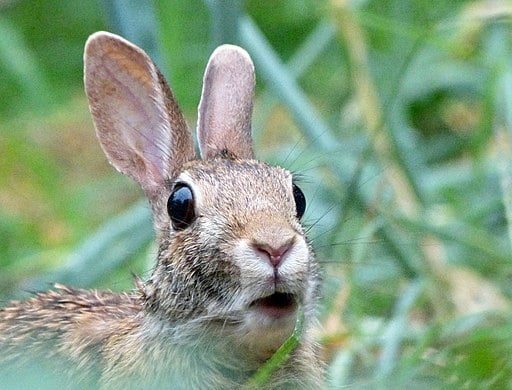
No, you should not try to domesticate a wild rabbit. Wild rabbits are fundamentally different from domestic breeds, and attempting to keep one as a pet is dangerous, stressful for the animal, and illegal in many U.S. states. If you find a wild rabbit that appears injured or orphaned, the right move is to contact your local wildlife rehabilitation center. You can safely befriend a wild rabbit from a distance, but bringing one into your home is a completely different situation with serious consequences.
Can You Actually Tame a Wild Rabbit?
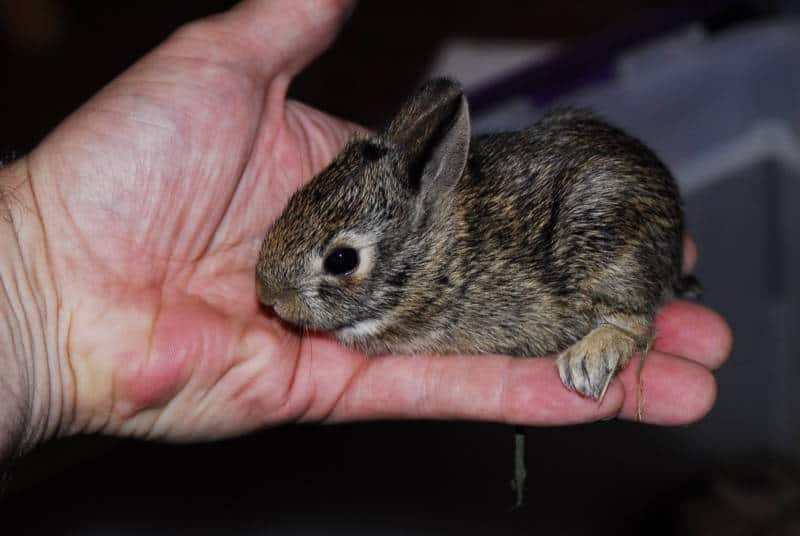
Technically, you can capture a wild rabbit and attempt to tame it. But "can" and "should" are two very different things. Wild rabbits, primarily cottontails in North America, have been shaped by thousands of years of evolution to fear predators and avoid captivity. Unlike domestic rabbits (Oryctolagus cuniculus), which have been selectively bred for over 1,500 years for docility and human companionship, wild rabbits have no genetic predisposition to trust people.
Even when raised from a very young age, wild rabbits retain their flight instincts. They rarely bond with humans the way domestic rabbits do. Most wildlife rehabilitators will tell you that wild rabbits kept in homes develop chronic stress, refuse to eat, and frequently die within weeks or months. This is not a matter of patience or technique. It is a matter of biology.
Domestication is a process that takes many generations of selective breeding, not something you can accomplish with a single wild animal in your living room. The domestic rabbits we keep today descend from European wild rabbits that were first bred in French monasteries around 600 AD. Centuries of intentional selection produced the calm, friendly animals we know as pets.
Wild Rabbits vs. Domestic Rabbits: Key Differences
Many people assume that a rabbit is a rabbit. In reality, wild and domestic rabbits are so different that most wild species cannot even interbreed with domestic ones. Here is a side-by-side comparison:
| Trait | Wild Rabbit (Cottontail) | Domestic Rabbit |
|---|---|---|
| Species | Sylvilagus (various species) | Oryctolagus cuniculus |
| Temperament | Extremely skittish, flight-driven | Calm, social, bonds with humans |
| Lifespan | 1 to 3 years in the wild | 8 to 12 years with proper care |
| Size | 1 to 3 lbs (varies by species) | 2 to 20 lbs (varies by breed) |
| Diet | Wild grasses, bark, native plants | Timothy hay, pellets, leafy greens |
| Can interbreed? | No (different genus entirely) | Only with other domestic rabbits |
| Legal to keep? | Restricted or illegal in most states | Legal nearly everywhere |
The most important distinction is that cottontail rabbits and domestic rabbits belong to entirely different genera. A cottontail cannot produce offspring with a domestic rabbit. They are as genetically different as a dog and a fox. This fundamental biological gap is why domestication of wild rabbits is essentially impossible within a single lifetime.
Is It Legal to Keep a Wild Rabbit as a Pet?
In most U.S. states, keeping a wild rabbit without a permit is illegal. Wildlife protection laws exist to preserve native ecosystems and prevent the spread of zoonotic diseases. The specific regulations vary by state, but the trend is clear: wild rabbits are not meant to be pets.
The following states have specific restrictions on keeping wild rabbits. Some require wildlife rehabilitation permits, and others ban it outright:
- California
- Connecticut
- Arkansas
- Delaware
- Georgia
- Illinois
- Indiana
- Kentucky
- Massachusetts
- Minnesota
- Missouri
- Nebraska
- Nevada
- Oklahoma
- Oregon
- Rhode Island
- Utah
- The District of Columbia
Even in states not listed above, local municipalities may have their own ordinances. Before interacting with any wild animal, check your state's wildlife agency website or contact them directly. You can review exotic animal laws by state for a general overview.
Penalties for illegally keeping wildlife can include fines ranging from $500 to $5,000 and, in some cases, criminal misdemeanor charges. Even if you rescued the rabbit with good intentions, you could still face legal consequences.
What Diseases Can Wild Rabbits Carry?
Wild rabbits can carry several zoonotic diseases, meaning infections that pass from animals to humans. This is one of the primary reasons wildlife authorities discourage people from handling or keeping wild rabbits. According to Washington State University's zoonotic disease database, rabbits are associated with the following conditions:
- Tularemia: Also called "rabbit fever," this bacterial infection can spread through direct contact with an infected rabbit or through tick bites. Symptoms include fever, skin ulcers, and swollen lymph nodes. It can be fatal if left untreated.
- Pasteurellosis: Caused by Pasteurella bacteria commonly found in rabbit saliva. A bite or scratch from an infected rabbit can transmit this to humans.
- Ringworm: A fungal skin infection that spreads through direct contact. Wild rabbits with patchy fur may be carrying ringworm spores.
- Cryptosporidiosis: A parasitic infection causing severe gastrointestinal symptoms. It spreads through contact with contaminated feces.
- External parasites: Wild rabbits often carry fleas, ticks, and mites. These parasites can infest your home and transmit diseases like Lyme disease to you and your other pets.
- Rabbit Hemorrhagic Disease Virus (RHDV2): While this virus does not infect humans, it is highly lethal to rabbits. A wild rabbit could carry RHDV2 and spread it to any domestic rabbits you own, potentially wiping out an entire herd.
For rabbit breeders, the RHDV2 risk alone should be reason enough to never bring a wild rabbit near your rabbitry. There is no cure for RHDV2, and the virus can survive on surfaces for months. If you want to learn more about zoonotic risks, read our article on whether rabbits can carry rabies.
Why You Should Never Try to Domesticate a Wild Rabbit
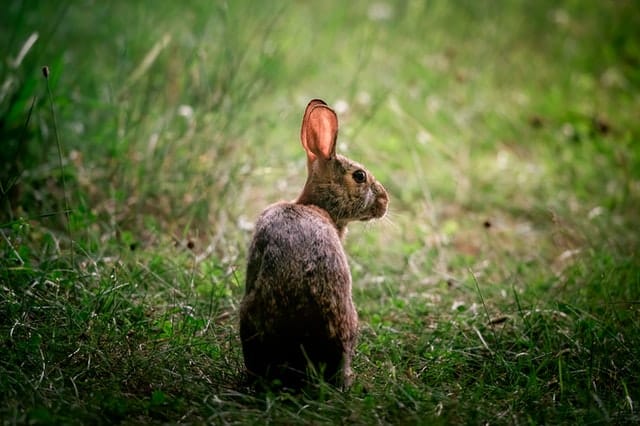
Beyond the legal and health concerns, there are strong ethical and practical reasons to leave wild rabbits in the wild. Here is what actually happens when people try to keep them.
They Experience Extreme Stress in Captivity
Wild rabbits perceive enclosed spaces as traps. Being confined in a cage or room triggers a constant state of panic. This chronic stress leads to elevated cortisol levels, suppressed immune function, and digestive shutdown. Many wild rabbits stop eating entirely within 24 to 48 hours of capture.
A rabbit that stops eating for even 12 hours is at risk of GI stasis, a life-threatening condition where the digestive system slows down or stops completely. In wild rabbits, the combination of stress-induced anorexia and GI stasis is frequently fatal. Some wild rabbits have been known to die of fright from extreme stress alone, with no physical injury present. You can learn more about recognizing signs of stress in rabbits in our dedicated guide.
They Can Injure You
Wild rabbits are not aggressive by nature, but they will fight violently to escape what they perceive as a predator's grip. Their hind legs are powerful enough to kick free from your hands, and their claws can leave deep scratches that require medical attention. A panicked wild rabbit can also bite hard enough to break skin.
Rabbit bites from wild animals are more concerning than bites from domestic rabbits because of the disease risk outlined above. A wild rabbit's mouth harbors bacteria that you would never encounter from a pet rabbit raised in clean conditions. If a wild rabbit bites you, clean the wound immediately and consult a doctor.
Their Diet Is Nearly Impossible to Replicate
Wild cottontails eat a varied diet of native grasses, weeds, bark, twigs, and seasonal plants. This diet changes with the seasons and differs by geographic region. You cannot replicate it with store-bought hay and pellets. Domestic rabbit food is formulated specifically for domestic rabbit digestive systems, which have been adapted through centuries of selective breeding.
Feeding a wild rabbit domestic food often causes digestive problems, nutritional deficiencies, and dental issues. Wild rabbits need the specific fiber content and micronutrients found in their natural forage. Even professional wildlife rehabilitators struggle to maintain proper nutrition for wild rabbits in their care, frequently supplementing with hand-gathered native plants.
They Will Not Bond With You
Domestic rabbits show affection to their owners through licking, binkying, and seeking physical contact. Wild rabbits do none of this. They will always see you as a threat, no matter how gently you handle them or how long you keep them. This is not a training issue. It is hardwired behavior shaped by evolution to keep them alive.
If you want a rabbit that will interact with you, adopt a domestic rabbit from a shelter or purchase one from a reputable breeder. You will have a much better experience, and the rabbit will actually enjoy your company rather than living in constant fear.
What Should You Do If You Find a Wild Baby Rabbit?
Finding a nest of wild baby rabbits is more common than people think, especially in spring and early summer. The instinct to "rescue" them is understandable but usually misguided. Here is the correct approach.
Step 1: Determine If They Actually Need Help
Mother rabbits only visit their nests once or twice per day, usually at dawn and dusk, to nurse their kits. The rest of the time, she stays away deliberately to avoid attracting predators to the nest. An unattended nest does not mean the babies are orphaned.
If the kits are warm, plump, and have round bellies, the mother is still feeding them. You can confirm this by placing two thin sticks or pieces of yarn in an "X" pattern over the nest. Check back in 12 to 24 hours. If the pattern has been disturbed, the mother has returned.
Step 2: Do Not Move Healthy Kits
If the nest is intact and the babies appear healthy, leave them alone. Wild rabbit kits develop quickly. They open their eyes at about 10 days old and leave the nest at 3 to 4 weeks of age. The best thing you can do is keep pets and children away from the area until the kits disperse on their own.
Step 3: Contact Wildlife Rehabilitation If Kits Are Injured
If you find kits that are visibly injured, covered in fly eggs or maggots, cold to the touch, or clearly emaciated, contact a licensed wildlife rehabilitator immediately. Do not attempt to feed them yourself. Baby rabbits have extremely sensitive digestive systems, and improper feeding (especially cow's milk or commercial kitten formula) kills more orphaned rabbits than starvation does.
Your local wildlife agency can direct you to a licensed rehabilitator. You can also search the Humane Society website or call your nearest animal control office for guidance.
How to Help Wild Rabbits Without Keeping Them
If you enjoy watching wild rabbits and want to support them, there are several things you can do without bringing them indoors.
- Create rabbit-friendly habitat: Leave brush piles, tall grass areas, and native plants in your yard. These provide cover and natural food sources for wild rabbits.
- Provide a shallow water source: A low dish of fresh water, especially during hot summer months, can help local wildlife without creating dependency.
- Avoid pesticides and herbicides: Chemical lawn treatments poison the plants wild rabbits eat and can kill them directly through contact or ingestion.
- Keep cats indoors: Outdoor cats are one of the biggest predators of wild rabbits, especially young kits still learning to navigate their environment.
- Mow carefully: Before mowing tall grass, walk through the area first to check for rabbit nests. Mother rabbits frequently build nests in suburban lawns where the grass provides concealment.
These steps do far more for wild rabbit populations than capturing and keeping individual animals ever could.
Can Wild Rabbits Survive in Captivity Long Term?
The survival rate for wild rabbits in captivity is extremely low. Even in professional wildlife rehabilitation centers with experienced staff, wild cottontails have a mortality rate between 50% and 90%, depending on their age at intake. Baby rabbits under 2 weeks old have the lowest survival rates of all.
In a home setting without specialized knowledge and equipment, the odds are even worse. Wild rabbits that survive the initial capture period often develop chronic health problems, including dental malocclusion from improper diet, digestive issues from unsuitable food, obesity from lack of exercise, and behavioral problems from confinement stress.
The average captive wild rabbit rarely lives beyond 1 to 2 years. Compare that to the 8 to 12 year lifespan of a well-cared-for domestic rabbit. If longevity and quality of life matter to you, and they should, a domestic rabbit is the clear and humane choice.
Frequently Asked Questions
Can you domesticate a wild baby rabbit if you raise it from birth?
No. Even wild rabbits raised from a few days old retain their wild instincts. They become increasingly skittish and difficult to handle as they mature. By 8 to 12 weeks of age, most hand-raised wild rabbits are just as fearful of humans as their wild-caught counterparts. Domestication requires many generations of selective breeding, not one lifetime.
What is the difference between a wild rabbit and a feral rabbit?
A wild rabbit belongs to a native wild species like the Eastern cottontail. A feral rabbit is a domestic rabbit, or a descendant of domestic rabbits, that lives in the wild. Feral domestic rabbits are occasionally found in urban areas after being released or escaping. Feral rabbits can sometimes be re-socialized, but native wild rabbits cannot be domesticated.
Will a wild rabbit die if I keep it in my house?
There is a high chance, yes. Wild rabbits frequently die within days or weeks of capture due to stress-induced GI stasis, refusal to eat, or cardiac arrest from overwhelming fear. Even those that survive initially often develop chronic health issues that significantly shorten their lifespan.
Can wild rabbits and domestic rabbits live together?
No. Wild rabbits should never be housed with domestic rabbits. They can transmit deadly diseases like RHDV2, tularemia, and various parasites to your domestic herd. Wild rabbits are also more aggressive and territorial than domestic breeds, which leads to fighting and potential injuries to both animals.
Is it okay to feed wild rabbits in my yard?
You can provide wild rabbits with fresh water and let them eat naturally occurring plants in your yard. Avoid leaving out domestic rabbit food, bread, or vegetables, as these can cause digestive problems for wild rabbits accustomed to native forage. The best approach is to maintain a wildlife-friendly yard with diverse native plants.
Sources and Further Reading
Cite this article: BunnySync, "Can You Domesticate a Wild Rabbit? What Every Breeder Should Know," BunnySync Blog, March 2, 2026.