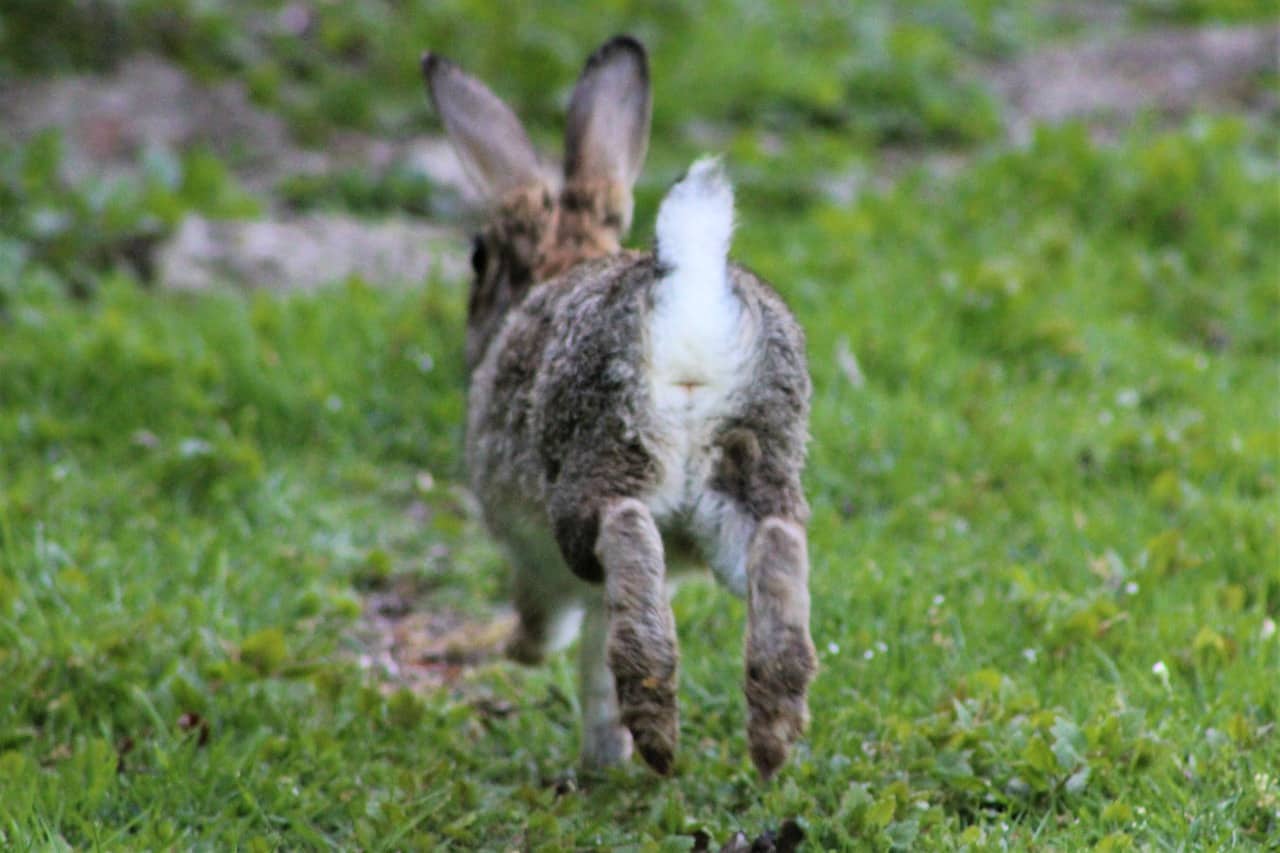
Rabbits can technically carry rabies, but it is extremely rare. As warm-blooded mammals, rabbits are susceptible to the rabies virus, yet the Centers for Disease Control and Prevention (CDC) classifies them as low-risk animals for rabies transmission. In decades of tracking, there has never been a confirmed case of a rabbit transmitting rabies to a human. If your rabbit lives indoors and has no contact with wild animals, the chance of rabies exposure is essentially zero. Still, understanding the virus, its symptoms in rabbits, and how to protect your pets is important for every responsible rabbit owner.
Can Rabbits Get Rabies?
Yes, rabbits can get rabies. Any warm-blooded mammal can become infected with the rabies virus (Lyssavirus), and rabbits are no exception. However, there is an important distinction between being able to carry the virus and being a common carrier. Rabbits fall squarely into the "extremely rare" category.
The reason rabbits rarely carry rabies comes down to simple survival odds. The animals that most commonly transmit rabies, such as raccoons, skunks, bats, and foxes, are predators or scavengers. When one of these animals attacks a rabbit, the encounter is usually fatal for the rabbit before the virus even has a chance to develop. Rabies requires an incubation period to take hold, and most rabbits do not survive the initial attack from a rabid predator long enough to become carriers themselves.
According to a study published in the Canadian Veterinary Journal, experimentally infected rabbits showed an incubation period of roughly 2 to 3 weeks. Once symptoms appeared, the rabbits typically died within 3 to 4 days. This short window between symptom onset and death further limits the potential for a rabid rabbit to spread the disease.
Wild Rabbits vs. Domestic Rabbits
Wild rabbits face a higher risk of exposure to rabid animals than domestic rabbits simply because they share habitat with raccoons, skunks, foxes, and other wildlife. Wild rabbits rely on speed, burrows, and alertness to protect themselves from predators, but a surprise encounter with a rabid animal can still result in a bite.
Domestic rabbits, especially those kept indoors, have almost no risk of rabies exposure. Outdoor hutch rabbits have a slightly higher risk if the hutch is not properly secured against wildlife intrusion, but even then, documented cases are extremely rare.
Historical Use of Rabbits in Rabies Research
Rabbits played a pivotal role in the history of rabies prevention. In the 1880s, French scientist Louis Pasteur used rabbits in his laboratory experiments to develop the first rabies vaccine. Pasteur chose rabbits specifically because they are highly susceptible to the virus when it is directly introduced into their nervous system, making them useful for controlled research. This susceptibility in a lab setting, however, does not translate to a high risk of natural infection in the real world.
What Are the Symptoms of Rabies in Rabbits?
Recognizing rabies in a rabbit can be difficult because many of the symptoms overlap with other illnesses. However, if your rabbit has had any known or suspected contact with a wild animal, especially one that was behaving abnormally, you should be aware of these warning signs.
Early-Stage Symptoms (Prodromal Phase)
The early stage of rabies in rabbits usually lasts 1 to 3 days and can be subtle. During this phase, you may notice:
- Loss of appetite (anorexia) and refusal to eat or drink
- Unusual restlessness or agitation
- Low-grade fever
- Gradual weight loss
- Behavioral changes, such as a normally friendly rabbit becoming withdrawn or a calm rabbit becoming unusually anxious
These symptoms on their own could point to many conditions. What makes rabies different is the rapid progression to neurological symptoms, which happens faster than most other rabbit illnesses. If your rabbit is showing signs of stress combined with neurological changes, seek veterinary care immediately.
Neurological Symptoms (Furious or Paralytic Phase)
As the virus progresses to the brain, more distinctive symptoms appear:
- Head tremors: Involuntary shaking of the head that the rabbit cannot control
- Poor coordination of hind limbs: The rabbit may stumble, circle, or have difficulty hopping normally
- Loud teeth grinding: Persistent, audible grinding that indicates severe pain or neurological distress
- Ascending paralysis: Paralysis that starts in the hind legs and moves progressively upward through the body
- Seizures: In some cases, rabbits may experience convulsions
- Excessive salivation: Though less common in rabbits than in dogs, drooling can occur
- Aggression or unusual tameness: A wild rabbit that shows no fear of humans, or a domestic rabbit that suddenly bites without provocation, may be exhibiting rabies-related behavioral changes
Once neurological symptoms appear, the disease is almost always fatal within 3 to 4 days. There is no cure for rabies in any animal once clinical signs have developed.
Rabies Symptoms vs. Other Conditions
| Symptom | Rabies | Other Possible Causes |
|---|---|---|
| Head tilt/tremors | Yes, rapid onset | Ear infection, E. cuniculi |
| Hind limb paralysis | Yes, ascending | Spinal injury, spondylosis |
| Loss of appetite | Yes, early sign | GI stasis, dental disease |
| Teeth grinding | Yes, severe | Pain from any source |
| Aggression | Possible | Hormonal, territorial, fear |
| Seizures | Possible | Toxin ingestion, heatstroke |
The key differentiator is the speed of progression. Rabies moves from mild symptoms to fatal neurological collapse in just days, whereas conditions like E. cuniculi or ear infections typically progress more slowly and are treatable.
How Do Rabbits Get Rabies?
Rabies is transmitted through the saliva of an infected animal, almost always via a bite wound. A scratch from a rabid animal can also transmit the virus if saliva enters the wound, but bites are the primary route of infection.
Animals That Commonly Carry Rabies
The animals most likely to transmit rabies to a rabbit include:
- Raccoons: The most common rabies carriers in the eastern United States
- Skunks: The leading rabies carriers in the central United States
- Bats: Found throughout North America and responsible for the majority of human rabies cases
- Foxes: Common carriers in parts of Europe, Asia, and some U.S. states
- Coyotes: Occasional carriers in rural areas
Domestic animals like cats and dogs can also carry rabies if they are not vaccinated. An unvaccinated outdoor cat that catches a rabbit could potentially transmit the virus if the cat itself is infected.
Risk Factors for Rabbits
Several factors increase a rabbit's risk of rabies exposure:
- Outdoor housing: Rabbits kept in outdoor hutches are more likely to encounter wildlife
- Unsecured enclosures: Hutches with gaps, holes, or weak wire can allow predators to reach in and bite
- Rural locations: Properties near forests, fields, or waterways have higher wildlife traffic
- Free-roaming time: Unsupervised outdoor exercise increases exposure risk
- Contact with stray animals: Stray cats and dogs may not be vaccinated against rabies
Is There a Rabies Vaccine for Rabbits?
As of 2026, there is no commercially approved rabies vaccine for rabbits. Unlike dogs, cats, and ferrets, rabbits do not have an FDA-approved or USDA-licensed rabies vaccine available. This is largely because rabies in rabbits is so rare that the demand for such a vaccine has never justified the cost of development and regulatory approval.
Some veterinarians may offer off-label use of a killed rabies vaccine designed for other species, but this practice is uncommon and not universally recommended. If you live in an area with high rabies activity, discuss this option with your rabbit-savvy veterinarian. They can assess the risk factors specific to your situation and advise whether off-label vaccination makes sense for your rabbit.
Why No Vaccine Exists
The absence of a rabbit-specific rabies vaccine comes down to three factors:
- Low incidence: Rabies cases in domestic rabbits are so rare that pharmaceutical companies have little commercial incentive to develop a vaccine
- Short survival time: Rabbits that contract rabies die so quickly that they rarely become a transmission risk to other animals or humans
- Regulatory cost: Developing and licensing a new animal vaccine requires years of clinical trials and millions of dollars in investment
How to Protect Your Rabbit From Rabies
Since vaccination is not a reliable option, prevention through environmental management is the best strategy. Here are specific steps you can take to minimize your rabbit's risk of rabies exposure.
Secure Your Rabbit's Housing
If your rabbit lives outdoors, the hutch must be built to keep wildlife out. Use welded wire mesh (not chicken wire, which raccoons can tear apart) with openings no larger than 1 inch by 1 inch. Ensure the hutch has a solid floor or buried wire apron to prevent digging predators from reaching your rabbit. Lock the hutch with a raccoon-proof latch, as raccoons are intelligent enough to open simple hook-and-eye closures.
Supervise Outdoor Time
When your rabbit exercises outdoors, always supervise directly. Use an exercise pen with a cover to prevent aerial predators and reduce the chance of ground-level encounters. Avoid letting your rabbit out at dawn and dusk, when wildlife is most active. If you notice any wild animal behaving strangely, such as a raccoon or fox that appears disoriented, aggressive, or unusually tame, bring your rabbit inside immediately and report the animal to your local animal control.
Vaccinate Other Pets
Keep all cats and dogs in your household current on their rabies vaccinations. An unvaccinated cat or dog that encounters a rabid wild animal could bring the virus home and potentially expose your rabbit. This is one of the most practical steps you can take to create a buffer of protection around your rabbit.
Wildlife-Proof Your Property
Reduce wildlife traffic around your home by securing garbage cans, removing fallen fruit, and eliminating other food sources that attract raccoons, skunks, and foxes. Seal any openings under decks, sheds, or porches where wild animals might den. Motion-activated lights or sprinklers can also help deter wildlife from the areas where your rabbit spends time.
What to Do If Your Rabbit Is Bitten by a Wild Animal
If you discover that your rabbit has been bitten or scratched by a wild animal, or if you find evidence of an encounter (torn fur, wounds, blood, damaged hutch), take the following steps immediately.
Step 1: Protect Yourself
Wear thick gloves when handling a potentially exposed rabbit. While the risk of a rabbit transmitting rabies to you is extremely low, it is not worth taking chances. Avoid contact with the rabbit's saliva and any open wounds.
Step 2: Isolate the Rabbit
Place the rabbit in a secure carrier or cage, separate from other pets and family members. Do not allow other animals to interact with the potentially exposed rabbit until a veterinarian has evaluated the situation.
Step 3: Contact Your Veterinarian
Call your veterinarian or emergency animal hospital immediately. Describe the situation, including what type of animal attacked your rabbit (if known), when the attack occurred, and the location and severity of any wounds. Your vet will advise on next steps, which may include a quarantine period of observation.
Step 4: Report to Animal Control
Contact your local animal control agency to report the encounter. If the wild animal that bit your rabbit is still in the area, animal control may be able to capture and test it for rabies. This information is important for public health monitoring in your community.
Step 5: Monitor for Symptoms
If your veterinarian recommends observation rather than euthanasia, watch your rabbit closely for the next 30 to 45 days. Document any changes in behavior, appetite, coordination, or energy levels. Report any concerns to your veterinarian immediately.
Can Rabbits Transmit Rabies to Humans?
While it is theoretically possible for a rabid rabbit to transmit the virus to a human through a bite, this has never been documented in the United States. The CDC states that small mammals, including rabbits, are "almost never found to be infected with rabies and have not been known to transmit rabies to humans."
There are several reasons for this:
- Rabbits rarely survive the initial attack from a rabid predator
- Even if infected, rabbits die so quickly from the virus that the window for human exposure is extremely narrow
- Domestic rabbits have limited opportunities to bite humans in a way that would effectively transmit the virus
- The viral load in rabbit saliva may be lower than in primary carrier species
That said, if you are bitten by any animal that you suspect may have rabies, including a rabbit, wash the wound thoroughly with soap and running water for at least 15 minutes and seek medical attention immediately. Rabies post-exposure prophylaxis (PEP) is nearly 100% effective when administered promptly.
Rabies Laws and Regulations for Rabbit Owners
Rabies laws vary by state and country. In the United States, most states require rabies vaccination for dogs and cats, but none currently require it for rabbits. However, some jurisdictions have specific rules about what happens if a rabbit bites a person or is exposed to a rabid animal.
In most states, if a rabbit is exposed to a confirmed rabid animal and has no history of rabies vaccination, local health authorities may recommend euthanasia and testing. This is because the standard quarantine protocols that apply to vaccinated dogs and cats cannot be applied to rabbits, since there is no approved vaccine to serve as a baseline for protection.
If you live in an area where rabies is common in wildlife, it is worth checking your local regulations so you know what to expect in the unlikely event of an exposure incident.
Frequently Asked Questions
Do I need to vaccinate my rabbit for rabies?
There is no approved rabies vaccine for rabbits, and no state requires rabbit rabies vaccination. The best protection is keeping your rabbit indoors or in a secure, wildlife-proof hutch. If you live in an area with high rabies activity, ask your veterinarian about off-label vaccination options.
Can a pet rabbit give me rabies?
It is extremely unlikely. There has never been a confirmed case of a domestic rabbit transmitting rabies to a human in the United States. Indoor rabbits with no wildlife exposure have virtually zero risk. If bitten by any animal you suspect is rabid, wash the wound and see a doctor immediately.
How common is rabies in rabbits?
Rabies in rabbits is exceptionally rare. The CDC classifies rabbits as low-risk animals for rabies. Most rabbits that encounter a rabid predator are killed during the attack and never develop the virus. Documented cases of rabies in domestic rabbits are limited to isolated reports in veterinary literature.
What should I do if a wild animal bites my rabbit?
Wear gloves and isolate your rabbit from other pets. Contact your veterinarian immediately and report the incident to local animal control. Your vet will advise whether to observe the rabbit for symptoms over a quarantine period or recommend euthanasia and testing, depending on the circumstances.
Can wild rabbits carry rabies?
Wild rabbits can technically contract rabies, but confirmed cases are very rare. Wild rabbits are prey animals that usually do not survive attacks from rabid predators like raccoons or foxes. If you see a wild rabbit acting strangely, such as showing no fear of humans, stumbling, or appearing paralyzed, do not approach it and contact animal control.
Cite this article:
BunnySync (March 11, 2026) Can Rabbits Carry Rabies? What Every Rabbit Owner Should Know. Retrieved from https://bunnysync.com/blog/can-rabbits-carry-rabies.
"Can Rabbits Carry Rabies? What Every Rabbit Owner Should Know." BunnySync - March 11, 2026, https://bunnysync.com/blog/can-rabbits-carry-rabies