No, rabbits should not eat popcorn. Popcorn is made from corn kernels, which rabbits cannot properly digest. Even a small amount of popcorn can cause gastrointestinal discomfort, and larger quantities may lead to serious conditions like GI stasis, intestinal impaction, or dangerous bloating. If your rabbit accidentally ate a piece or two, monitor their behavior and droppings closely, but never offer popcorn as a treat or part of their regular diet.
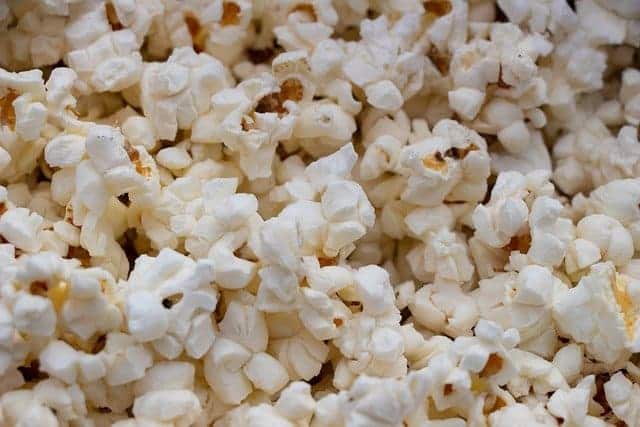
As breeders, we have seen firsthand what happens when a rabbit gets into snack foods it should not have. Popcorn ranks among the worst human snacks you could share with your rabbit, and in this guide we explain exactly why, what to watch for if your rabbit ate some, and what treats you should offer instead.
Why Is Popcorn Bad for Rabbits?
Popcorn is problematic for rabbits for several reasons, all rooted in how a rabbit's digestive system works. Unlike humans, rabbits rely on a specialized hindgut fermentation process that requires a constant supply of long-strand fiber (primarily from unlimited timothy hay) to function correctly. Popcorn disrupts this process in multiple ways.
Corn Is Indigestible for Rabbits
The outer hull of a corn kernel is made of a tough cellulose material that a rabbit's digestive tract cannot break down efficiently. Unlike the long fibers in hay that move smoothly through the cecum, corn hulls can sit in the gut and create blockages. This is the same reason breeders avoid feeding corn in any form to rabbits.
When popcorn is popped, the hull does not disappear. It shatters into smaller, sharp-edged pieces that can irritate the delicate lining of a rabbit's stomach and intestines. These fragments are especially dangerous because they are small enough to be swallowed easily but still too tough to be properly digested.
High Starch and Carbohydrate Content
A single cup of plain, air-popped popcorn contains roughly 6 grams of carbohydrates and over 1 gram of starch. While these numbers seem small for humans, they are significant for a rabbit weighing 2 to 5 kilograms. Rabbits are designed to process high-fiber, low-energy foods. When excess starch reaches the cecum, it feeds harmful bacteria that produce gas and toxins, throwing off the entire microbial balance.
| Nutrient (per 1 cup air-popped) | Amount | Problem for Rabbits |
|---|---|---|
| Calories | 31 kcal | Empty calories, no nutritional value for rabbits |
| Carbohydrates | 6.2 g | Disrupts cecal fermentation |
| Fiber | 1.2 g | Wrong type of fiber (not long-strand) |
| Fat | 0.4 g | Higher than rabbits need |
| Protein | 1 g | Excess protein ferments in the gut |
Added Salt, Butter, and Flavorings
Most popcorn people eat at home or buy at stores is not plain. Buttered popcorn adds saturated fat that rabbits cannot process. Salted popcorn introduces sodium levels that can strain a rabbit's kidneys. Flavored varieties (cheese, caramel, kettle corn) add sugar, artificial flavors, and preservatives that are all harmful to rabbits.
Even "plain" microwave popcorn contains oils and salt in the seasoning packet. There is essentially no version of store-bought popcorn that is safe for a rabbit.
What Happens If a Rabbit Eats Popcorn?
The severity of the reaction depends on how much popcorn the rabbit consumed, whether it was plain or flavored, and the individual rabbit's sensitivity. Here is what can happen.
Gastrointestinal Stasis
GI stasis is the most dangerous risk. This condition occurs when the normal muscular contractions of the gut slow down or stop entirely, usually triggered by a disruption in the cecal microbiome from high-starch, low-fiber foods like popcorn.
According to veterinary research published in Vet Times, GI stasis is one of the leading causes of emergency veterinary visits in pet rabbits. The condition can become life-threatening within 12 to 24 hours if left untreated.
Signs of GI stasis include:
- Refusing to eat or drink
- No droppings or very small, misshapen droppings
- Hunched posture with a tense abdomen
- Teeth grinding (bruxism) from pain
- Lethargy and reluctance to move
- Bloated or hard belly when gently palpated
If your rabbit stops pooping after eating popcorn, treat it as an emergency and contact your veterinarian immediately.
Intestinal Impaction and Blockage
The indigestible corn hull fragments can accumulate in the intestines and form a physical blockage. Unlike a hairball that might pass with extra fiber, corn hull material does not break down over time. A true intestinal blockage requires veterinary intervention and, in severe cases, surgical removal.
Signs of intestinal impaction overlap with GI stasis but may also include:
- Complete absence of droppings for 8+ hours
- Visible abdominal distension
- Signs of severe pain (pressing belly to the ground, repeated repositioning)
- Rapid, shallow breathing
Diarrhea and Cecal Dysbiosis
When starch from popcorn reaches the cecum, it causes an overgrowth of harmful bacteria like Clostridium species. This bacterial imbalance (dysbiosis) produces excess gas and can lead to watery diarrhea. True diarrhea in rabbits (as opposed to soft cecotropes) is always a medical emergency, especially in young rabbits under 6 months old where mortality rates from enteritis are high.
Gas and Bloating
Rabbits cannot vomit or burp to release gas. When starchy foods like popcorn ferment in the gut and produce gas, the rabbit has no way to expel it. The trapped gas causes painful bloating that puts pressure on internal organs and can escalate to a fatal condition if the stomach or cecum becomes dangerously distended.
What About Unpopped Kernels?
Unpopped corn kernels are even more dangerous than popped popcorn. These hard, dense seeds are a serious choking hazard for rabbits. Even if swallowed successfully, an unpopped kernel is nearly impossible for a rabbit to digest and is more likely to cause an intestinal blockage than popped corn.
If you eat popcorn near your rabbit, always check for and remove any stray kernels that may have fallen on the floor or near your rabbit's living area. Rabbits are curious foragers and will investigate anything within reach.
My Rabbit Ate Popcorn: What Should I Do?
If your rabbit ate a small piece (one or two popped kernels) of plain popcorn, do not panic. Follow these steps:
- Remove any remaining popcorn from your rabbit's reach immediately.
- Offer unlimited hay right away. The extra long-strand fiber helps push the popcorn material through the digestive tract faster.
- Ensure fresh water is available. Hydration supports healthy gut motility.
- Monitor droppings for the next 12 to 24 hours. You should see normal-sized, round, dry pellets. Any decrease in quantity, change in size, or mushiness is a warning sign.
- Watch for behavior changes. A rabbit that stops eating, sits hunched, or seems unusually quiet needs veterinary attention.
- Contact your vet if you notice any abnormal signs or if your rabbit ate a large amount of popcorn, especially flavored varieties.
For one or two pieces of plain popcorn, most healthy adult rabbits will pass it without incident. The key is ensuring they have plenty of hay and water to keep things moving.
Can Rabbits Eat Any Type of Popcorn?
No variety of popcorn is safe for rabbits. Here is a breakdown of common types and why each one should be avoided.
| Popcorn Type | Safe for Rabbits? | Why |
|---|---|---|
| Air-popped, plain | No | Indigestible hulls, high starch, no nutritional value |
| Buttered | No | All above risks plus saturated fat rabbits cannot process |
| Salted | No | All above risks plus sodium overload on kidneys |
| Caramel/kettle corn | No | All above risks plus high sugar content |
| Cheese-flavored | No | All above risks plus dairy (rabbits are lactose intolerant) |
| Microwave popcorn | No | All above risks plus artificial chemicals and oils |
Healthy Treat Alternatives to Popcorn for Rabbits
If you want to give your rabbit a crunchy, satisfying treat, there are many safe options that actually provide nutritional benefits. Here are breeder-recommended alternatives, organized by category.
Safe Fruits (1 to 2 tablespoons per 2 kg body weight, 2 to 3 times per week)
- Apple slices (remove seeds and stem)
- Blueberries
- Strawberries (including the tops)
- Raspberries
- Pear slices
Safe Vegetables (1 cup per 2 kg body weight daily, rotate varieties)
- Bell pepper strips
- Fresh cilantro
- Celery (cut into small pieces to prevent stringy fibers from causing issues)
Safe Herbs
These alternatives give your rabbit the variety and enrichment of treat time without any of the digestive risks that come with processed human snacks like popcorn.
Other Processed Snacks Rabbits Should Avoid
Popcorn is not the only human snack that poses risks to rabbits. If you are the type of owner who likes to share food with your bunny, be aware that these similar snack foods are also unsafe:
- Crackers (high starch, salt, and processed grains)
- Pretzels (excess salt and refined flour)
- Cereal (sugar, grains, and artificial ingredients)
- Rice (expands in the stomach, causes dangerous bloating)
- Toast and bread (starchy, no fiber value for rabbits)
The general rule is simple: if a food was processed, cooked, or designed for human consumption, it does not belong in your rabbit's diet. Stick to hay, fresh greens, a measured amount of quality pellets, and occasional fresh fruit treats.
How to Rabbit-Proof Your Snack Time
Prevention is always better than an emergency vet visit. If you enjoy eating popcorn or other snacks while your rabbit free-roams, take these precautions:
- Eat at a table rather than on the couch or floor where your rabbit has access.
- Keep bowls elevated and out of your rabbit's jumping range.
- Clean up immediately after snacking. Even a single dropped kernel can attract a curious rabbit.
- Use a covered trash bin so your rabbit cannot forage through discarded snack packaging.
- Educate family members and guests about what is and is not safe to feed your rabbit. Many people assume rabbits can eat anything.
Frequently Asked Questions
Can rabbits eat one piece of popcorn?
Is popcorn toxic to rabbits?
Can baby rabbits eat popcorn?
What should I do if my rabbit ate buttered popcorn?
Can rabbits eat corn on the cob instead of popcorn?
Cite this article:
BunnySync (March 20, 2026) Can Rabbits Eat Popcorn? Why This Snack Is Unsafe for Bunnies. Retrieved from https://bunnysync.com/blog/can-rabbits-eat-popcorn.
"Can Rabbits Eat Popcorn? Why This Snack Is Unsafe for Bunnies." BunnySync - March 20, 2026, https://bunnysync.com/blog/can-rabbits-eat-popcorn