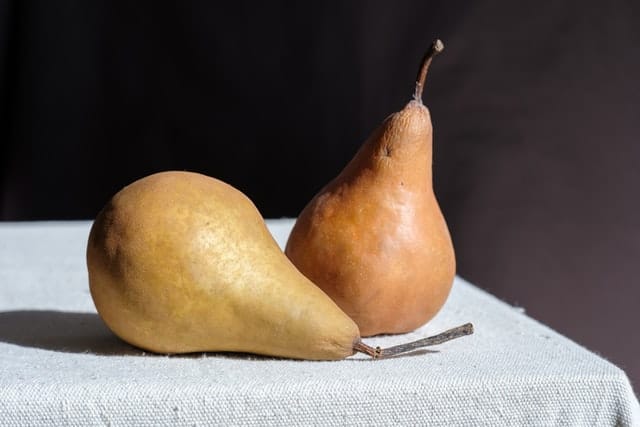
Yes, rabbits can eat pears safely as an occasional treat. Pears are non-toxic to rabbits and provide small amounts of vitamins, minerals, and fiber. However, you must always remove the seeds and core before feeding, limit portions to 1-2 tablespoons per 6 pounds of body weight, and only offer pears 1-2 times per week. Rabbits should be at least 7 months old before you introduce any fruit, including pears, into their diet.
Pears are one of the safer fruit options for rabbits when given properly. As breeders who have raised dozens of litters over the years, we have found that most rabbits genuinely enjoy the sweet, juicy taste of a fresh pear slice. The key is understanding how much to give, when to start, and what parts of the pear to avoid. This guide covers everything you need to know about feeding pears to your rabbit based on real breeding experience and veterinary guidelines.
Do Rabbits Like Pears?
Most rabbits love pears. In our experience breeding and caring for rabbits, nearly every rabbit we have offered pears to has eagerly accepted them. The natural sweetness of pears makes them highly appealing, which is precisely why portion control matters so much.
That said, every rabbit has individual preferences. Some rabbits prefer crunchy textures and will enjoy firm, slightly under-ripe pears. Others prefer the softer, juicier flesh of a fully ripe pear. If your rabbit turns its nose up at pears the first time, try offering a different ripeness level before deciding they simply do not like them.
Because rabbits have a natural sweet tooth, they may try to hold out for more pears instead of eating their hay. Do not give in to those big eyes. Hay should always make up at least 80% of your rabbit's diet, and treats like pears should never replace it.
What Are the Nutritional Benefits of Pears for Rabbits?
Pears offer modest nutritional benefits for rabbits. While they should never be considered a primary source of nutrition, the vitamins and minerals in pears can complement an already balanced diet of hay, pellets, and leafy greens.
Vitamins and Minerals in Pears
Here is a breakdown of the key nutrients found in 100 grams of raw pear:
| Nutrient | Amount per 100g | Benefit for Rabbits |
|---|---|---|
| Fiber | 3.1g | Supports healthy digestion and gut motility |
| Vitamin C | 4.3mg | Rabbits produce their own, but small amounts are harmless |
| Vitamin K | 4.4mcg | Supports blood clotting and bone health |
| Vitamin A | 1mcg | Supports eye health and immune function |
| Vitamin B6 | 0.029mg | Supports metabolism and nervous system function |
| Potassium | 116mg | Supports muscle and nerve function |
| Copper | 0.082mg | Supports red blood cell production |
| Calcium | 9mg | Supports bone and dental health (excess can cause bladder sludge) |
| Phosphorus | 12mg | Works with calcium for bone structure |
| Sugar | 9.75g | Provides quick energy (excess is harmful) |
| Calories | 57 kcal | Relatively low calorie compared to many other fruits |
Source: NutritionValue.org - Pear, raw
The fiber content in pears is one of their better qualities for rabbits. At 3.1 grams per 100 grams, pears have more fiber than many other fruits commonly fed to rabbits, such as watermelon or grapes. That said, pears also contain nearly 10 grams of sugar per 100 grams, which is why strict portion limits are essential.
The calcium content in pears is quite low at 9mg per 100 grams, making them a safer fruit choice for rabbits who are prone to urinary calcium issues. High-calcium foods can contribute to bladder sludge in rabbits, so pears are actually a better occasional treat option than some calcium-heavy vegetables.
Are Pears Good for Rabbits?
Pears are a "good" treat in the sense that they are non-toxic, relatively low in calories, and contain beneficial fiber and micronutrients. They are not a necessary part of a rabbit's diet. Your rabbit can live a perfectly healthy life without ever eating a pear.
The real value of pears lies in enrichment. Offering different fruits and vegetables keeps your rabbit mentally stimulated and interested in feeding time. Rotating treats also prevents your rabbit from becoming fixated on a single food item and refusing their hay.
How Many Pears Can a Rabbit Eat?
The correct portion of pears depends on your rabbit's weight, age, and overall health. As a general rule, fruit treats should make up no more than 5% of your rabbit's total daily food intake. The rest should be hay (80%), leafy greens (10-15%), and pellets (5%).
Portion Sizes by Breed Size
| Rabbit Size | Weight Range | Pear Portion (1-2 times per week) |
|---|---|---|
| Small breeds (Netherland Dwarf, Mini Rex, Polish) | 1.1 to 3.5 lbs | 1 teaspoon |
| Medium breeds (Holland Lop, Dutch, Mini Lop) | 6 to 10 lbs | 1-2 tablespoons |
| Large breeds (Flemish Giant, New Zealand, French Lop) | 9 to 12+ lbs | 2-3 tablespoons |
Source: Patry, Karen, et al. The Rabbit-Raising Problem Solver: Your Questions Answered about Housing, Feeding, Behavior, Health Care, Breeding, and Kindling. Storey Publishing, 2014.
These portions may seem small, but remember that a rabbit's digestive system is designed for high-fiber, low-sugar foods. Even a couple of tablespoons of pear delivers a meaningful amount of sugar to a small animal weighing just a few pounds.
Frequency Guidelines
Offer pears no more than 1-2 times per week. On days when you give pears, avoid offering other sugary fruits. If you gave your rabbit a slice of apple on Monday, wait until Wednesday or Thursday before offering pear. Spacing out fruit treats gives your rabbit's digestive system time to process the sugar without disruption.
It also helps to keep a simple mental schedule. For example: pear on Tuesday, blueberries on Friday, and no fruit the other days. This rotation ensures variety while preventing sugar overload.
When Can Rabbits Start Eating Pears?
Age is a critical factor when introducing any fruit to a rabbit's diet. Young rabbits have sensitive digestive systems that are still developing, and introducing sugar too early can cause serious gastrointestinal problems.
| Age | Can They Eat Pears? | Notes |
|---|---|---|
| 0 to 7 weeks | No | Mother's milk and alfalfa hay only |
| 7 weeks to 7 months | No | Hay, pellets, and gradual vegetable introduction only |
| 7 months to 1 year | Yes, slowly | No more than 1 oz (30g) per 6 lbs body weight |
| Adults (1 to 5 years) | Yes | No more than 2 tbsp per 6 lbs body weight |
| Seniors (6+ years) | Consult your vet | Metabolism slows; dietary adjustments may be needed |
Source: LaFeber Vet - Basic Rabbit Care
When introducing pears for the first time, start with a tiny piece roughly the size of half a teaspoon. Monitor your rabbit over the next 24 hours for any changes in stool consistency, appetite, or behavior. If everything looks normal, you can gradually increase to the full recommended portion over the next two to three weeks.
How to Prepare Pears for Your Rabbit
Proper preparation is important to keep your rabbit safe. Follow these steps every time you offer pears:
- Wash thoroughly. Rinse the pear under running water and gently scrub the skin to remove pesticides, wax coatings, and dirt. If possible, choose organic pears to reduce chemical exposure.
- Remove the stem. The woody stem offers no nutritional value and could pose a mild choking risk.
- Cut the pear in half and remove the core entirely. Scoop out all seeds and the hard core material. Be thorough. Seeds contain trace amounts of amygdalin, which can release hydrogen cyanide during digestion.
- Cut into small, bite-sized pieces. Dice the flesh into pieces roughly the size of your thumbnail. Smaller pieces are easier for your rabbit to eat and significantly reduce the risk of choking.
- Serve at room temperature. Cold fruit straight from the refrigerator can cause mild stomach upset. Let the pieces sit out for 5-10 minutes before offering them.
Never cook, bake, or otherwise process pears before giving them to your rabbit. Rabbits should only eat raw, fresh pears. Canned pears, pear juice, pear jam, dried pears, and pear preserves all contain added sugars or have concentrated natural sugars that are far too high for a rabbit's digestive system.
Which Parts of the Pear Are Safe for Rabbits?
Not every part of a pear is suitable for your rabbit. Here is a clear breakdown of what is safe and what is not:
Pear Flesh: Safe
The soft inner flesh of the pear is the primary part you should feed your rabbit. It is easy to chew, easy to digest, and contains all the beneficial nutrients discussed above.
Pear Skin: Safe
Pear skin is safe for rabbits and actually contains a higher concentration of fiber and antioxidants than the flesh alone. Leave the skin on when serving, but ensure you have washed the pear thoroughly to remove any pesticide residue or wax coating.
Pear Seeds: Unsafe
Pear seeds contain amygdalin, a compound that breaks down into hydrogen cyanide during digestion. While a rabbit would need to consume a large number of seeds for a truly lethal dose, even small amounts can cause digestive discomfort. There is no reason to take the risk. Always remove every single seed before serving.
Pear Core: Unsafe
The core is hard, fibrous, and difficult for rabbits to chew properly. It presents a real choking hazard and also houses the seeds. Discard it entirely.
Pear Leaves and Branches: Safe
Pear tree branches and leaves are safe and genuinely beneficial for rabbits. The hard wood of pear branches makes them excellent chew toys that help wear down your rabbit's constantly growing teeth. This is actually one of the best uses of pear trees for rabbit owners. Just make sure any branches you offer have not been treated with pesticides, herbicides, or other chemicals. Let freshly cut branches dry for a few days before offering them.
When Should You Not Feed Pears to Rabbits?
There are several situations where you should skip pears entirely and stick to hay:
- Your rabbit is under 7 months old. Young rabbits' digestive systems are still developing and cannot handle the sugar content in fruits.
- Your rabbit has diarrhea or soft stool. If your rabbit is experiencing any digestive issues, remove all treats immediately and feed only hay until their digestion returns to normal. This is not optional.
- Your rabbit is overweight. The sugar and calories in pears contribute to weight gain. An overweight rabbit needs a stricter diet focused on unlimited hay and carefully measured pellets, with no fruit treats.
- Your rabbit has dental problems. Sugar promotes bacterial growth in the mouth, which can worsen existing dental issues and interfere with healing.
- Your rabbit is recovering from surgery or illness. Stick to vet-recommended foods during recovery periods.
- Your rabbit already had fruit that day. Do not stack multiple fruit treats. One type of fruit per treat session, and no more than 1-2 sessions per week total.
When in doubt, the safest choice is always more hay. Hay is the foundation of every healthy rabbit diet, and no amount of fruit can substitute for it.
What Are the Risks of Overfeeding Pears to Rabbits?
Feeding too many pears or feeding them too frequently can lead to several serious health problems. Understanding these risks will help you stick to proper portion sizes.
Gastrointestinal Stasis
GI stasis is one of the most dangerous conditions a rabbit can develop. It occurs when the digestive system slows down or stops moving entirely, causing food to compact in the gut. Overfeeding sugary foods like pears at the expense of hay reduces critical fiber intake, which is the primary trigger for this condition. Symptoms include a bloated or tight abdomen, refusal to eat, lethargy, hunched posture, and very small or completely absent droppings. GI stasis can be fatal within 24-48 hours if not treated by a veterinarian promptly.
Diarrhea and Soft Stools
Introducing too much pear too quickly, or feeding more than the recommended portion, can cause loose stools or outright diarrhea. This is especially dangerous for young rabbits, as dehydration from diarrhea can become life-threatening within just a few hours. If you notice any change in your rabbit's droppings after giving pears, stop all fruit treats immediately.
Uneaten Cecotropes
Cecotropes are the soft, grape-like clusters of nutrient-rich droppings that rabbits normally re-ingest directly from their body. When a rabbit eats too much sugar and not enough fiber, their cecotropes become excessively soft and sticky. The rabbit may leave them uneaten, which leads to a messy, soiled bottom. In warm weather, this can attract flies and lead to flystrike, a potentially fatal condition where flies lay eggs on the soiled fur.
Dental Problems
Sugar feeds bacteria in a rabbit's mouth, which can contribute to dental decay and abscesses over time. Since rabbits' teeth grow continuously throughout their lives, dental problems tend to cascade into more serious health issues, including inability to eat and secondary infections.
Obesity
Pears contain about 57 calories and nearly 10 grams of sugar per 100 grams. While that sounds modest by human standards, for a 4-pound rabbit, even small caloric excesses accumulate over weeks and months. Obese rabbits face a higher risk of joint problems, heart disease, hepatic lipidosis (fatty liver), and difficulty grooming. Poor grooming leads to matted fur, skin infections, and increased flystrike risk.
Can Rabbits Eat Different Varieties of Pears?
There are thousands of pear cultivars grown worldwide. The varieties you are most likely to find at your local grocery store are all safe for rabbits when fed in appropriate portions:
- Bartlett (Williams) pears: The most common variety in North America. Soft and juicy when ripe, with moderate-to-high sugar content. A popular choice, but stick to smaller portions when fully ripe.
- Bosc pears: Firmer texture with a honey-like, slightly spicy flavor. Their firmness makes them a good option for rabbits who prefer crunchier treats.
- Anjou pears: Mildly sweet with a firm, smooth texture. A solid all-around option for rabbit treats.
- Asian pears: Round and crisp, closer to an apple in texture. They tend to be less sweet than European varieties, making them a slightly better choice for rabbits from a sugar perspective.
- Comice pears: Very sweet and buttery in flavor. These have higher sugar content than other varieties, so reduce portion size accordingly.
- Seckel pears: Small "sugar pears" that are intensely sweet despite their tiny size. Use extra caution with portion control.
Regardless of variety, the same core rules apply: wash thoroughly, remove all seeds and the core, cut into small pieces, and limit portions to 1-2 times per week.
Healthy Fruit Alternatives to Pears for Rabbits
Rotating treats keeps your rabbit engaged and ensures they get a range of different micronutrients. Here are other rabbit-safe fruits you can offer in similar portions, 1-2 times per week:
| Fruit | Key Notes |
|---|---|
| Apple | Remove all seeds; similar sugar content to pears |
| Blueberries | Rich in antioxidants; offer 2-3 berries per serving |
| Strawberries | Including the leafy green top, which most rabbits enjoy |
| Papaya | Contains enzymes that may support healthy digestion |
| Watermelon | High water content; remove all seeds and rind |
| Raspberries | Lower sugar than most fruits; raspberry leaves are also safe |
| Banana | Very high in sugar; keep portions extra small |
| Peach | Remove the pit; similar nutritional profile to pears |
| Cherries | Always remove seeds and stems before feeding |
Keeping a simple rotation of 3-4 different fruits across different weeks gives your rabbit variety without overcomplicating your schedule.
Frequently Asked Questions
Can rabbits eat pear skin?
Yes, pear skin is safe for rabbits and contains more fiber and antioxidants than the flesh alone. Always wash the pear thoroughly before serving to remove pesticide residue and wax coatings. Choosing organic pears is ideal when you plan to leave the skin on.
Can rabbits eat pear seeds?
No. Pear seeds contain amygdalin, a compound that releases hydrogen cyanide during digestion. Always remove every seed and the entire core before offering any pear to your rabbit. Even small amounts are not worth the risk.
Can rabbits eat pear tree branches and leaves?
Yes, pear tree branches and leaves are completely safe for rabbits. Branches make excellent natural chew toys that help keep your rabbit's teeth worn down to a healthy length. Only offer branches from trees that have not been sprayed with pesticides or herbicides.
Can baby rabbits eat pears?
No. Rabbits under 7 months old should not eat any fruit, including pears. Their digestive systems are still maturing and cannot handle the sugar content properly. Stick to hay, age-appropriate pellets, and gradually introduced leafy greens for young rabbits.
Can rabbits eat canned or dried pears?
No. Canned pears contain added sugar, syrups, and preservatives that are harmful to rabbits. Dried pears have concentrated natural sugar levels that are far too high. Only feed fresh, raw pears to your rabbit, and always in the recommended small portions.
Cite this article:
BunnySync (February 25, 2026) Can Rabbits Eat Pears? Safe Feeding Guide for 2026. Retrieved from https://bunnysync.com/blog/can-rabbits-eat-pears.
"Can Rabbits Eat Pears? Safe Feeding Guide for 2026." BunnySync - February 25, 2026, https://bunnysync.com/blog/can-rabbits-eat-pears
Sources
- Pear, raw - NutritionValue.org
- Patry, Karen, et al. The Rabbit-Raising Problem Solver: Your Questions Answered about Housing, Feeding, Behavior, Health Care, Breeding, and Kindling. Storey Publishing, 2014.
- LaFeber Vet - Basic Rabbit Care
- Managing GI Stasis in Rabbits - Vet Times
- Health Problems in Rabbits - VCA Hospitals