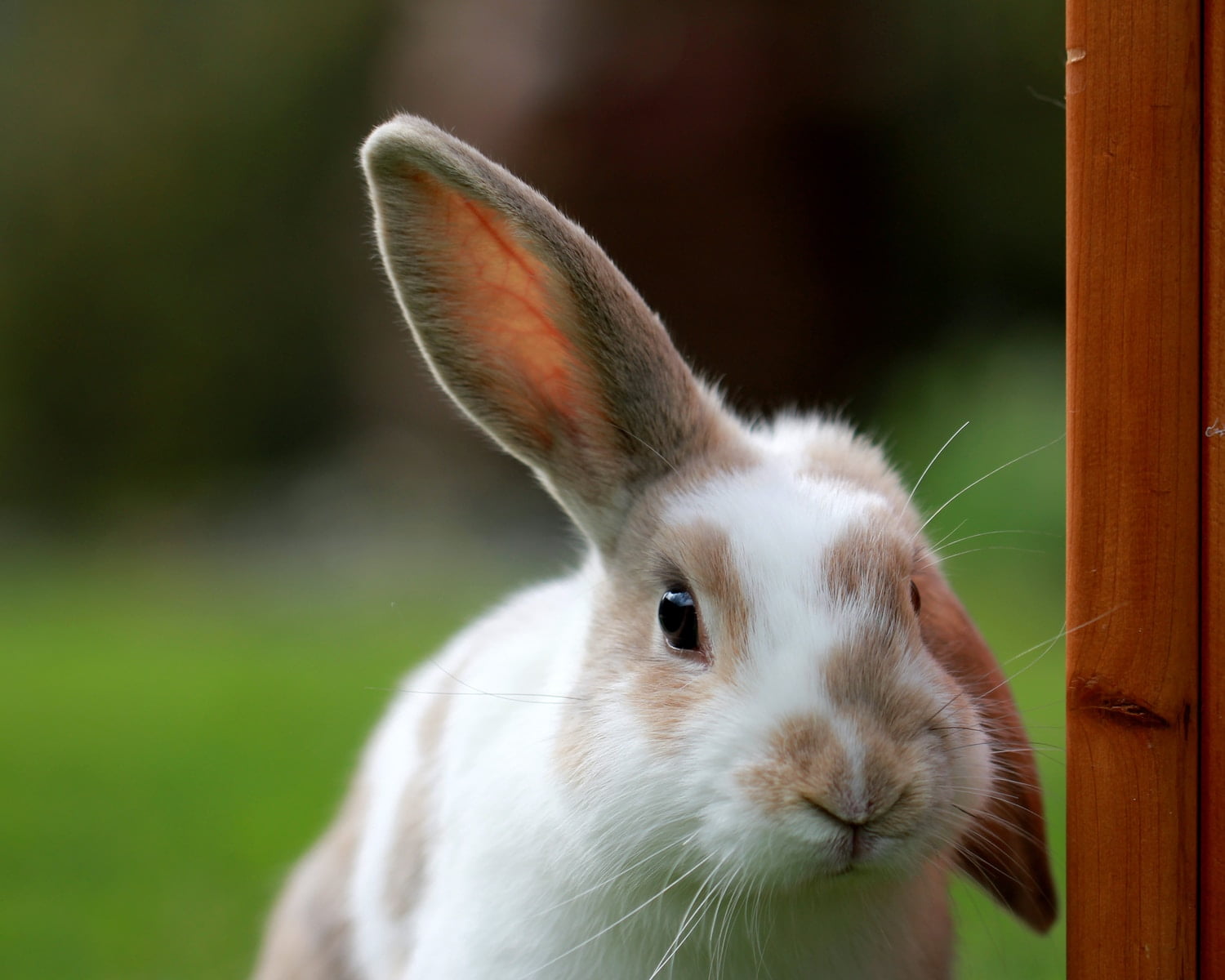
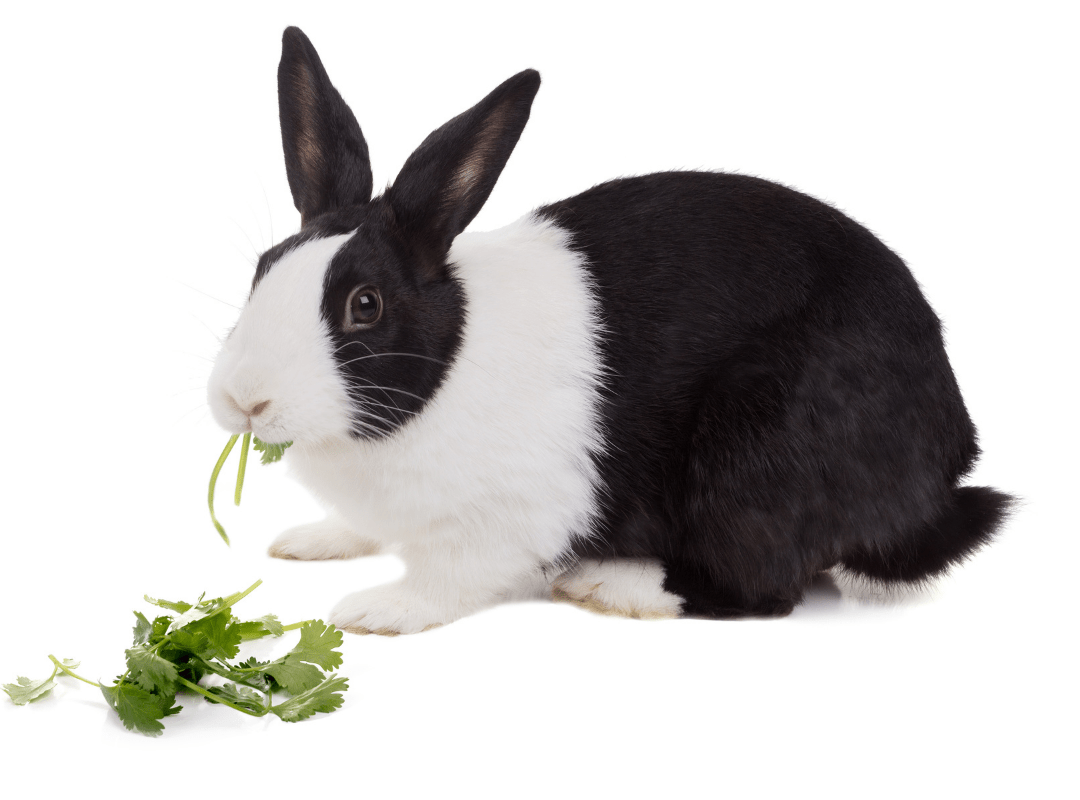
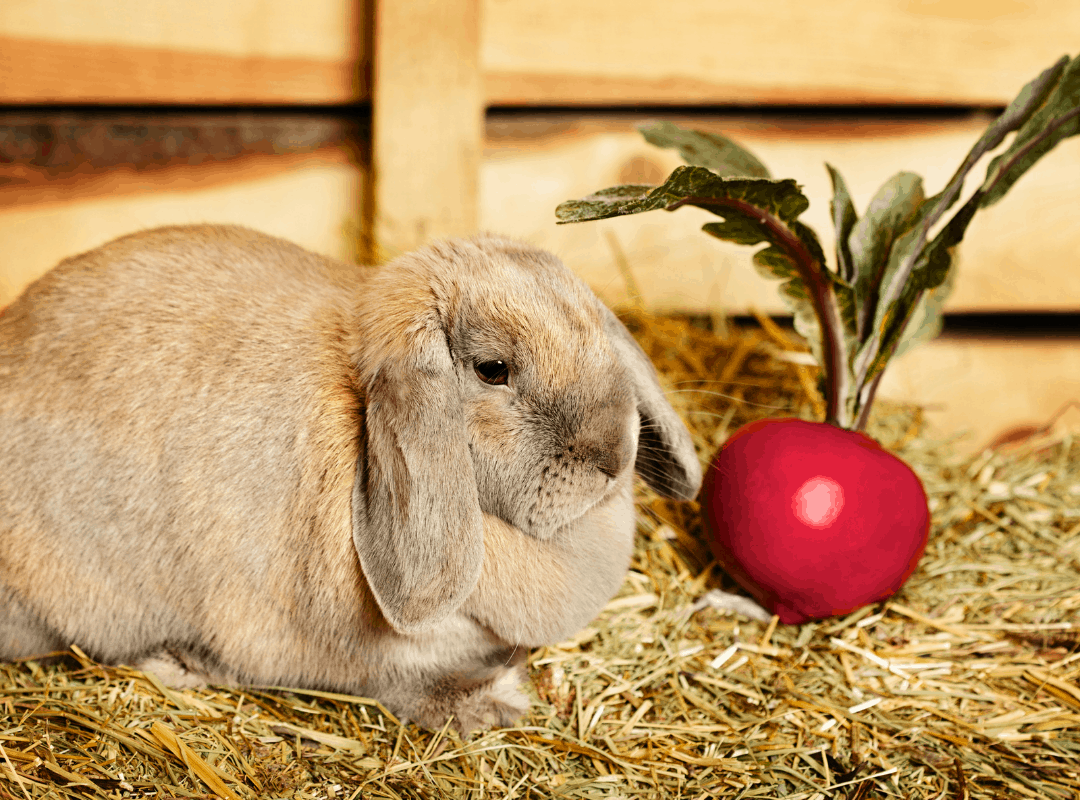
Yes, rabbits can eat raspberries safely, but only as an occasional treat. Raspberries should be limited to one or two servings per week for rabbits that are at least seven months old. A single serving is roughly one to two tablespoons depending on your rabbit's size. While raspberries offer some beneficial vitamins and antioxidants, their sugar content means overfeeding can lead to digestive problems, obesity, and dental issues. The bulk of your rabbit's diet should always be unlimited timothy hay, fresh leafy greens, and a measured portion of pellets.
Are Raspberries Safe for Rabbits?
Raspberries (Rubus idaeus) are completely safe for healthy adult rabbits when given in appropriate amounts. They are not toxic, and both wild and domestic rabbits may encounter raspberry plants in their natural environment. The fruit, leaves, and stems of the raspberry plant are all non-toxic to rabbits.
That said, "safe" and "healthy as a staple food" are two different things. Raspberries contain about 4.4 grams of sugar per 100 grams of fruit. While that may sound modest compared to other fruits, a rabbit's digestive system is specifically designed to process high-fiber, low-sugar foods like hay and grasses. Any fruit, including raspberries, should be treated as a treat rather than a dietary staple.
The main safety considerations when feeding raspberries to your rabbit are:
- Age: Only offer raspberries to rabbits that are at least seven months old. Younger rabbits have developing digestive systems that cannot handle sugary foods.
- Frequency: Limit raspberry treats to once or twice per week, not daily.
- Portion size: Stick to the recommended amounts based on your rabbit's body weight (see the table below).
- Health status: Do not feed raspberries to rabbits that are experiencing digestive problems, diarrhea, or soft cecotropes.
How Many Raspberries Can a Rabbit Eat?
The correct portion size depends on your rabbit's weight. As a general rule, treats (including all fruits) should make up no more than 5% of your rabbit's total daily food intake. For raspberries specifically, here is a practical serving guide:
| Rabbit Size | Body Weight | Raspberry Serving (1-2x per week) |
|---|---|---|
| Small breed (Netherland Dwarf, Mini Rex) | 1.1 to 3.5 lbs (0.5 to 1.6 kg) | 1 teaspoon (1-2 berries) |
| Medium breed (Holland Lop, Dutch) | 6 to 10 lbs (2.7 to 4.5 kg) | 1 to 2 tablespoons (3-5 berries) |
| Large breed (Flemish Giant, New Zealand) | 9 to 12+ lbs (4 to 5.5+ kg) | 2 to 3 tablespoons (5-8 berries) |
These portions apply to the total fruit treat allowance for that feeding session. If you are also giving other fruits like blueberries or strawberries in the same week, reduce the raspberry portion accordingly so you are not exceeding the overall fruit limit.
Raspberry Serving by Rabbit Age
Age is just as important as weight when determining portion sizes. Here is a breakdown by life stage:
| Age | Fruit Allowance |
|---|---|
| Under 7 weeks | Mother's milk and alfalfa hay only |
| 7 weeks to 7 months | No fruit. Focus on hay, pellets, and gradual introduction of leafy greens. |
| 7 months to 1 year | No more than 1-2 oz (30-60g) of fruit per 6 lbs body weight, 1-2 times per week |
| Adult (1 to 5 years) | No more than 2 tablespoons of fruit per 6 lbs body weight, 1-2 times per week |
| Senior (6+ years) | Consult your veterinarian. Older rabbits have slower metabolisms and may need adjusted treat portions. |
Source: LaFeber Vet Basic Rabbit Care Guidelines
How to Introduce Raspberries to Your Rabbit
If your rabbit has never eaten raspberries before, introduce them gradually. A sudden change in diet can upset a rabbit's sensitive cecal microbiome and cause soft stools or GI disturbance.
- Start with half a berry. Give your rabbit a single small piece of raspberry and wait 24 hours.
- Watch for digestive changes. Check for soft stools, diarrhea, loss of appetite, or uneaten cecotropes the following day.
- Increase slowly. If your rabbit tolerates the initial piece well, you can offer a slightly larger portion the next time, working up to the full recommended serving over two to three weeks.
- Wash thoroughly. Always rinse raspberries under running water before feeding them to remove pesticide residue or surface contaminants. Organic raspberries are ideal if available.
If you notice any digestive upset at any point, stop offering raspberries and return to a hay-only diet until your rabbit's droppings return to normal. Then try again with an even smaller piece after a week or two.
What Are the Nutritional Benefits of Raspberries for Rabbits?
Raspberries are not nutritionally essential for rabbits, but they do contain several vitamins and minerals that provide modest health benefits when given as a treat. Here is the nutritional profile of 100 grams of raw raspberries:
| Nutrient | Amount per 100g | Benefit for Rabbits |
|---|---|---|
| Calories | 52 kcal | Low calorie treat option |
| Fiber | 6.5g | Supports digestive motility |
| Sugar | 4.4g | Lower sugar than many fruits |
| Vitamin C | 26.2mg | Antioxidant support (rabbits produce their own, so supplementation is not required) |
| Vitamin K | 7.8mcg | Supports blood clotting |
| Manganese | 0.67mg | Supports bone health and metabolism |
| Vitamin E | 0.87mg | Antioxidant, supports immune function |
| Magnesium | 22mg | Supports muscle and nerve function |
| Phosphorus | 29mg | Supports bone and teeth health |
| Potassium | 151mg | Supports heart and muscle function |
Source: NutritionValue.org - Raspberries, raw
One standout feature of raspberries compared to other common rabbit-safe fruits is their relatively high fiber content. At 6.5 grams of fiber per 100 grams, raspberries have more fiber than strawberries (2g), blueberries (2.4g), or bananas (2.6g). This makes them one of the better fruit treat options for rabbits from a fiber perspective.
Raspberries also contain antioxidants like ellagic acid and quercetin. While research on these compounds in rabbits specifically is limited, they are generally considered beneficial for reducing oxidative stress in mammals.
Can Rabbits Eat Raspberry Leaves and Stems?
Yes, and this is actually great news for rabbit owners. Raspberry leaves are safe, nutritious, and many rabbits enjoy them. Unlike the fruit itself, raspberry leaves are low in sugar and high in fiber, which means you can offer them more freely as part of your rabbit's daily leafy green rotation.
Raspberry leaves contain tannins and flavonoids that may support digestive health. They have been used in traditional herbalism for centuries and are considered a beneficial addition to a rabbit's green selection. Fresh or dried raspberry leaves can be mixed in with other safe greens like cilantro, parsley, and romaine lettuce.
Raspberry stems are also safe but tend to be woody and less appealing. Some rabbits will chew on them, which can help with natural tooth wear. If your rabbit enjoys gnawing on raspberry canes, that is perfectly fine as long as the stems have not been treated with pesticides or herbicides.
Tips for Feeding Raspberry Leaves
- Offer a small handful (about the size of your rabbit's head) mixed with other greens.
- Ensure leaves are free of pesticides. Homegrown or organic sources are best.
- Both fresh and dried raspberry leaves are acceptable.
- Introduce gradually, just like any new food.
What Are the Risks of Overfeeding Raspberries to Rabbits?
While raspberries are safe in moderation, overfeeding carries real risks. Here are the most common problems that occur when rabbits eat too many raspberries or other sugary treats:
Gastrointestinal Stasis (GI Stasis)
GI stasis is the most dangerous potential complication. When a rabbit fills up on sugary treats like raspberries instead of hay, their fiber intake drops. The cecum and gut motility slow down, gas builds up, and the rabbit stops eating entirely. GI stasis can become life-threatening within 24 hours if not treated. If your rabbit stops eating or producing droppings, contact your veterinarian immediately.
Diarrhea and Soft Cecotropes
Excess sugar disrupts the delicate balance of bacteria in a rabbit's cecum. This can result in loose stools, mushy cecotropes, or true diarrhea. Uneaten cecotropes (sometimes called "poopy butt") stuck to a rabbit's fur are often a sign of too much sugar or too little fiber in the diet.
Obesity
Rabbits that regularly consume sugary treats are prone to weight gain. Obesity in rabbits leads to a cascade of secondary problems: the rabbit cannot reach its cecotropes for consumption, fat deposits put strain on the heart and liver, and mobility decreases. Senior rabbits are especially vulnerable because their metabolisms are naturally slower. If you feed your rabbit on a proper schedule, treats should only be a tiny fraction of the total intake.
Dental Problems
The natural sugars in raspberries can contribute to dental issues over time, particularly if a rabbit is already predisposed to dental disease. Rabbits' teeth grow continuously, and their primary wear mechanism is chewing on fibrous hay. Soft, sugary foods do not provide this wear, and the sugar itself can promote bacterial growth in the mouth.
When Should You NOT Feed Raspberries to Your Rabbit?
There are specific situations where raspberries (and all fruit treats) should be avoided entirely:
- Your rabbit is under 7 months old. Young rabbits need hay, pellets, and water only. Their digestive systems are not mature enough for fruit.
- Your rabbit has diarrhea or soft stools. Remove all treats and feed only hay until droppings return to normal.
- Your rabbit has been diagnosed with GI stasis. Follow your veterinarian's recovery diet strictly. No fruit until fully recovered.
- Your rabbit is obese. Cut all sugary treats and work with your vet on a weight management plan.
- Your rabbit has dental disease. Sugary foods can worsen existing dental conditions.
- Your rabbit is a senior (6+ years) with health concerns. Older rabbits may need modified diets. Consult your vet before offering treats.
The general rule is simple: if your rabbit is not producing normal, round, firm droppings, do not give any treats until the issue is resolved.
How Do Raspberries Compare to Other Berries for Rabbits?
Rabbits can eat several types of berries, but not all berries are created equal. Here is how raspberries stack up against other popular berry treats:
| Berry | Sugar (per 100g) | Fiber (per 100g) | Safe for Rabbits? | Notes |
|---|---|---|---|---|
| Raspberry | 4.4g | 6.5g | Yes | Best fiber-to-sugar ratio among common berries |
| Blackberry | 4.9g | 5.3g | Yes | Close cousin to raspberry, similar profile |
| Strawberry | 4.9g | 2.0g | Yes | Less fiber than raspberry |
| Blueberry | 10.0g | 2.4g | Yes | Higher sugar, use smaller portions |
| Cranberry | 4.0g | 4.6g | Yes | Low sugar but very tart, most rabbits dislike raw cranberries |
Raspberries have the best fiber-to-sugar ratio of any common berry, which makes them one of the healthier fruit treat options for rabbits. If you are going to give your rabbit berry treats, raspberries and blackberries are the top choices from a nutritional standpoint.
Do Rabbits Actually Like Raspberries?
Most rabbits love raspberries. The sweet flavor and soft texture make them a highly appealing treat. In our experience, rabbits will eagerly eat raspberries right from your hand, which makes them an excellent tool for bonding and positive reinforcement during training.
That said, every rabbit has individual taste preferences. Some rabbits may show no interest in raspberries while going crazy for bananas or apples. If your rabbit turns their nose up at raspberries, do not force the issue. Simply try a different safe fruit instead.
One thing to note: rabbits will absolutely overeat raspberries if given the chance. Their natural instinct is to consume high-calorie foods whenever they are available, because in the wild, such foods are scarce. This is why portion control is your responsibility as the owner. Never leave a bowl of raspberries accessible to your rabbit.
Can Rabbits Eat Frozen or Dried Raspberries?
Frozen Raspberries
Frozen raspberries are safe for rabbits, but you should thaw them to room temperature before serving. Cold foods can cause digestive discomfort. Once thawed, frozen raspberries tend to be mushier than fresh ones, which is fine for your rabbit. Just be aware that the juice can stain fur and surfaces. Avoid frozen raspberries that have added sugar or syrup.
Dried Raspberries
Dried raspberries are not recommended. The dehydration process concentrates the sugars significantly, making dried raspberries much sweeter than fresh ones gram for gram. A small handful of dried raspberries can contain as much sugar as a large serving of fresh berries. If you do offer dried raspberries, use only a tiny piece and make sure they contain no added sugar, sulfites, or preservatives.
Frequently Asked Questions
Can rabbits eat raspberry leaves every day?
Yes, raspberry leaves can be part of your rabbit's daily leafy green rotation. They are low in sugar and high in fiber, unlike the fruit itself. Offer a small handful mixed with two or three other types of fresh greens. Introduce them gradually if your rabbit has not eaten them before.
Can baby rabbits eat raspberries?
No. Rabbits under seven months old should not eat any fruit, including raspberries. Young rabbits need a diet of hay, age-appropriate pellets, and water. Greens can be introduced gradually after 12 weeks, but fruit treats should wait until at least seven months of age.
How often can I give my rabbit raspberries?
Limit raspberries to one or two times per week. Each serving should be no more than one to two tablespoons for a medium-sized rabbit (6-10 lbs). Remember that this portion counts toward the total weekly fruit allowance, so reduce other fruit treats accordingly.
Are raspberry seeds safe for rabbits?
Yes, the tiny seeds found in raspberries are completely safe for rabbits. They are small enough to pass through the digestive tract without any issues. Unlike apple seeds or cherry pits, raspberry seeds do not contain harmful compounds.
Can raspberries cause red-colored droppings in rabbits?
Raspberries can temporarily tint a rabbit's urine or stain the fur around their mouth. This is normal and not a cause for concern. However, if you notice truly red urine without having fed any pigmented foods recently, consult your veterinarian as it could indicate a health problem.
Cite this article:
Cite this article:
BunnySync (February 27, 2026) Can Rabbits Eat Raspberries? Safe Feeding Guide for Rabbit Owners. Retrieved from https://bunnysync.com/blog/can-rabbits-eat-raspberry.
"Can Rabbits Eat Raspberries? Safe Feeding Guide for Rabbit Owners." BunnySync - February 27, 2026, https://bunnysync.com/blog/can-rabbits-eat-raspberry