Yes, rabbits can eat blackberries safely as an occasional treat. Rabbits that are at least 7 months old can enjoy 1 to 2 blackberries once or twice per week without any health concerns. Blackberries belong to the Rubus genus and are packed with antioxidants, but their natural sugar content means moderation is essential. As breeders, we treat blackberries like any other fruit in a rabbit's diet: a small reward, never a staple.
Below, we cover everything you need to know about feeding blackberries to your rabbit, including safe portions by age and weight, nutritional benefits, potential risks, and which parts of the blackberry plant are actually good for rabbits.
Are Blackberries Safe for Rabbits?
Blackberries are completely safe for healthy adult rabbits when offered in appropriate amounts. They contain no compounds that are toxic to rabbits, unlike some other fruits and plants. The fruit, leaves, and even the canes (stems) of the blackberry bush are all non-toxic to rabbits.
That said, "safe" does not mean "unlimited." The sugar content in blackberries (about 4.9 grams per 100 grams of fruit) can cause digestive upset if your rabbit eats too many. A rabbit's digestive system is designed to process high-fiber, low-sugar foods like timothy hay, which should make up roughly 80% of their daily intake.
The key safety rules are straightforward:
- Only feed blackberries to rabbits aged 7 months or older
- Limit servings to 1 to 2 times per week
- Wash blackberries thoroughly before serving to remove pesticide residues
- Introduce blackberries gradually if your rabbit has never tried them
How Many Blackberries Can a Rabbit Eat?
The right portion size depends on your rabbit's body weight. As a general rule, treats (including all fruits) should never exceed 5% of your rabbit's total daily food intake. For blackberries specifically, here is a breakdown by breed size:
| Rabbit Size (by breed) | Body Weight | Blackberry Portion (1-2x per week) |
|---|---|---|
| Small breeds (Netherland Dwarf, Mini Rex, Holland Lop) | 1.1 to 3.5 lbs (0.5 to 1.6 kg) | 1 small blackberry or 1 teaspoon chopped |
| Medium breeds (Dutch, Mini Lop, Rex) | 6 to 10 lbs (2.7 to 4.5 kg) | 2 to 3 blackberries or 1 to 2 tablespoons |
| Large breeds (New Zealand, Flemish Giant, Californian) | 9 to 14 lbs (4 to 6.4 kg) | 3 to 4 blackberries or 2 to 3 tablespoons |
These portions assume the blackberries are the only fruit treat your rabbit receives that day. If you also offer blueberries or strawberries in the same week, reduce the blackberry portion accordingly so the total fruit intake stays within safe limits.
When Can Baby Rabbits Start Eating Blackberries?
Young rabbits under 7 months old should not eat blackberries or any other fruit. Their digestive systems are still developing, and the sugar in fruit can easily disrupt the delicate balance of gut bacteria. Here is a feeding guide by age:
| Age | Blackberries Allowed? | Notes |
|---|---|---|
| 0 to 7 weeks | No | Mother's milk and alfalfa hay only |
| 7 weeks to 7 months | No | Hay, pellets, and gradual introduction of leafy greens only |
| 7 months to 1 year | Yes, small amounts | No more than 1 oz (30g) of fruit per 6 lbs body weight |
| 1 to 5 years (adult) | Yes | No more than 2 tablespoons per 6 lbs body weight |
| 6+ years (senior) | Consult your vet | Senior rabbits may need adjusted diets based on health |
Source: Lafeber Veterinary Basic Rabbit Care Guide
What Nutritional Benefits Do Blackberries Offer Rabbits?
Blackberries are not a significant source of nutrition for rabbits compared to hay and leafy greens, but they do contain several beneficial vitamins and minerals in small amounts. Per 100 grams of raw blackberries:
| Nutrient | Amount per 100g | Benefit for Rabbits |
|---|---|---|
| Fiber | 5.3 g | Supports healthy digestion and gut motility |
| Vitamin C | 21 mg | Antioxidant support (rabbits produce their own, but it still helps) |
| Vitamin K | 19.8 mcg | Supports blood clotting and bone health |
| Manganese | 0.65 mg | Enzyme function and metabolism |
| Vitamin E | 1.17 mg | Cell protection and immune support |
| Potassium | 162 mg | Muscle function and hydration balance |
| Calcium | 29 mg | Bone and teeth maintenance |
| Sugar | 4.9 g | Quick energy (but the reason to limit portions) |
One standout feature of blackberries is their relatively high fiber content compared to other fruits. At 5.3 grams of fiber per 100 grams, blackberries rank among the highest-fiber fruits available. This makes them a slightly better treat choice than lower-fiber options like bananas or grapes.
Blackberries are also rich in anthocyanins, the antioxidants responsible for their deep purple color. While research on anthocyanin benefits in rabbits is limited, studies in other animals suggest these compounds support cardiovascular health and reduce inflammation.
Can Rabbits Eat Blackberry Leaves and Stems?
Yes, and blackberry leaves are actually one of the better parts of the plant for rabbits. Unlike the fruit, blackberry leaves contain almost no sugar and are high in fiber, making them a healthier option you can offer more frequently.
Blackberry Leaves
Blackberry leaves have natural astringent properties and have been used in traditional herbal medicine for digestive support. Many rabbit owners and breeders (ourselves included) offer dried blackberry leaves as a regular part of the leafy green rotation. You can safely mix a few blackberry leaves into your rabbit's daily greens alongside herbs like cilantro and basil.
When harvesting blackberry leaves, make sure they come from plants that have not been sprayed with pesticides, herbicides, or fungicides. Wild blackberry bushes growing near roadsides or agricultural fields may have chemical contamination.
Blackberry Stems and Canes
Rabbits can also chew on blackberry canes (the woody stems). The thorns should be removed first to prevent mouth injuries. Some breeders offer thornless blackberry canes as enrichment chew toys, which helps keep a rabbit's constantly growing teeth worn down. This can be useful for rabbits prone to overgrown teeth.
When Should You Not Feed Blackberries to Rabbits?
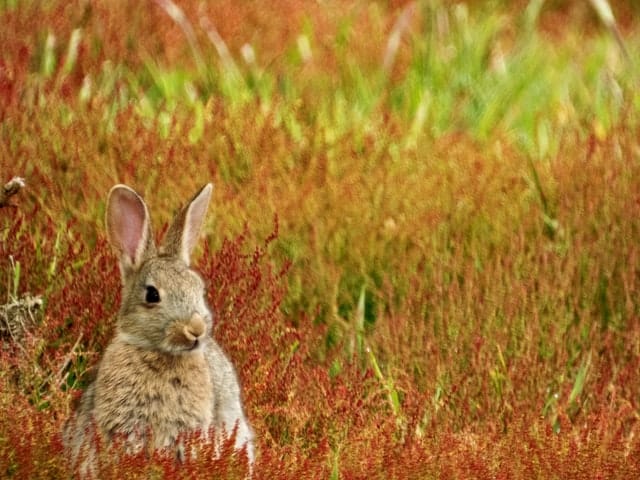
Do not feed blackberries to rabbits that are experiencing digestive problems, are under 7 months old, or are currently on a restricted diet prescribed by a veterinarian.
Specific situations where you should skip the blackberries:
- During GI stasis or soft stools: If your rabbit has mushy droppings, diarrhea, or signs of gastrointestinal stasis, remove all treats and vegetables. Offer only unlimited hay and fresh water until stools return to normal.
- After surgery or illness: Rabbits recovering from spaying, neutering, or other procedures need a simplified diet. Stick to hay and pellets until your vet gives the all-clear for treats.
- Overweight rabbits: If your rabbit is already above their ideal weight, cut fruit treats entirely until they reach a healthy size. The extra sugar and calories from blackberries will only make weight management harder.
- Rabbits with dental disease: Sugar promotes bacterial growth that can worsen dental issues. Rabbits with known tooth problems should avoid sugary treats altogether.
What Are the Risks of Overfeeding Blackberries?
Feeding too many blackberries, or feeding them too frequently, can lead to several health problems:
Gastrointestinal Stasis
GI stasis is one of the most dangerous conditions in rabbits, and it is often triggered by a diet too low in fiber and too high in sugar. When a rabbit fills up on blackberries instead of hay, gut motility slows down. Food stops moving through the digestive tract, gas builds up, and bacteria produce harmful toxins. GI stasis can be fatal within 24 to 48 hours if left untreated. According to VCA Animal Hospitals, rabbits eating diets low in fiber are at the highest risk for this condition.
Diarrhea and Cecal Dysbiosis
Too much sugar disrupts the balance of beneficial bacteria in a rabbit's cecum (the fermentation chamber of their digestive system). This can cause true diarrhea (which is a medical emergency in rabbits) or cecal dysbiosis, where the cecotropes become soft, mushy, and foul-smelling instead of the normal grape-like clusters rabbits re-ingest for nutrition.
Obesity
Rabbits that regularly eat too many sugary treats gain weight, especially as they age and their metabolism slows. Obese rabbits face a cascade of secondary problems: they cannot reach their cecotropes to eat them (leading to "poopy butt"), they are at higher risk for sore hocks, and they are more prone to hepatic lipidosis (fatty liver disease). Keeping treats like blackberries to 1 to 2 times per week helps prevent weight gain.
Dental Problems
While rabbit teeth grow continuously and are primarily worn down by chewing fibrous hay, a high-sugar diet can promote bacterial growth in the mouth that contributes to tooth root abscesses and other dental complications over time.
How to Introduce Blackberries to Your Rabbit's Diet
If your rabbit has never eaten blackberries before, introduce them slowly. This applies to any new food you add to a rabbit's diet.
- Start with a tiny piece: Offer half a blackberry or a small chunk. Place it near your rabbit and let them investigate at their own pace.
- Watch for 24 hours: Monitor their droppings for any changes. Normal rabbit droppings should be round, dry, and uniform in size. Soft or misshapen droppings mean the new food did not agree with them.
- Wait 3 to 5 days: If the first serving went well, offer another small piece a few days later. This gives the gut bacteria time to adjust.
- Gradually increase to full portion: After 2 to 3 successful feedings with no digestive issues, you can offer the full recommended portion based on your rabbit's weight.
Not every rabbit will like blackberries. Some rabbits prefer other berries like raspberries or avoid fruit entirely. Never force a treat on a rabbit that shows no interest.
Healthy Fruit Alternatives to Blackberries
Variety is important for keeping your rabbit's diet interesting. If you rotate different fruit treats throughout the week, your rabbit gets a wider range of nutrients and flavors. Here are safe fruit alternatives you can swap in:
| Fruit | Serving Size (per 6 lbs body weight) | Frequency | Notes |
|---|---|---|---|
| Blueberries | 2 to 3 berries | 1-2x per week | High in antioxidants, low sugar |
| Raspberries | 1 to 2 berries | 1-2x per week | High fiber like blackberries |
| Strawberries | 1 medium berry | 1-2x per week | Leaves are also safe and nutritious |
| Apple (no seeds) | 1 thin slice | 1-2x per week | Remove seeds, which contain cyanide compounds |
| Pear | 1 thin slice | 1-2x per week | Soft and easy to eat for older rabbits |
| Papaya | 1 tablespoon | 1-2x per week | Contains enzymes that may aid digestion |
Remember: the total fruit intake across all types should not exceed 1 to 2 tablespoons per 6 lbs of body weight per day, given only 1 to 2 times per week.
Do Rabbits Actually Like Blackberries?
In our experience breeding rabbits, most rabbits love blackberries. The sweet flavor and soft texture make them an appealing treat. We have noticed that rabbits tend to eat blackberries eagerly, sometimes even trying to grab them from our hands before we set them down.
However, taste preferences vary between individual rabbits just like they do in people. Some of our rabbits prefer blueberries over blackberries, while others will choose a sprig of fresh parsley over any fruit. If your rabbit does not seem interested in blackberries, do not worry. There are plenty of other safe treats to try.
One practical tip: if you grow blackberry bushes in your garden, make sure your rabbit cannot access them unsupervised. A free-roaming rabbit near a blackberry patch will eat far more than is healthy, and the thorns on wild blackberry canes can cause scratches or eye injuries.
Can Rabbits Eat Frozen or Dried Blackberries?
Frozen Blackberries
You can offer thawed frozen blackberries to your rabbit, but never serve them still frozen. Cold or frozen foods can shock a rabbit's sensitive digestive system. Let frozen blackberries thaw completely to room temperature before offering them. Frozen blackberries that have been thawed tend to be softer and juicier than fresh ones, so they can be messier. The nutritional value is similar to fresh.
Dried Blackberries
Avoid dried blackberries. The dehydration process concentrates the sugars significantly, making dried fruit much more calorie-dense per gram than fresh fruit. A small handful of dried blackberries contains far more sugar than the same volume of fresh ones. If you want to offer blackberries, always choose fresh or fully thawed frozen.
Frequently Asked Questions
Can rabbits eat blackberry leaves every day?
Yes, blackberry leaves are safe for daily consumption as part of a varied leafy green rotation. Unlike the fruit, the leaves are low in sugar and high in fiber. Mix them with other safe greens like romaine lettuce, cilantro, and parsley for a balanced daily salad.
Can baby rabbits eat blackberries?
No, rabbits under 7 months old should not eat blackberries or any other fruit. Young rabbits have sensitive digestive systems that cannot handle the sugar content. Stick to hay, age-appropriate pellets, and a gradual introduction of leafy greens until they are old enough for fruit treats.
Are blackberry seeds safe for rabbits?
Yes, the tiny seeds inside blackberries are completely safe for rabbits. Unlike apple or cherry seeds, blackberry seeds contain no harmful compounds. They pass through the digestive system without issue, so there is no need to remove them before feeding.
Can wild rabbits eat blackberries?
Wild rabbits do eat blackberries when they find them growing in hedgerows and forests. They also eat the leaves, stems, and bark of blackberry plants. However, wild rabbits typically have access to a much wider variety of plants and naturally self-regulate their diet better than domestic rabbits who rely on their owners for portion control.
How do I know if my rabbit ate too many blackberries?
Signs of overconsumption include soft or mushy droppings, reduced appetite for hay, bloating, or lethargy. If you notice any of these symptoms, remove all treats and vegetables from the diet immediately and offer only hay and water. If symptoms persist beyond 12 hours or worsen, contact your veterinarian right away.
Cite this article:
Cite this article:
BunnySync (March 5, 2026) Can Rabbits Eat Blackberries? Safe Feeding Guide for Rabbit Owners. Retrieved from https://bunnysync.com/blog/can-rabbits-eat-blackberries.
"Can Rabbits Eat Blackberries? Safe Feeding Guide for Rabbit Owners." BunnySync - March 5, 2026, https://bunnysync.com/blog/can-rabbits-eat-blackberries