Can Rabbits Eat Cranberries Safely?
Yes, rabbits can eat cranberries. These tart little berries make a safe, occasional treat for rabbits that are at least 7 months old. Feed cranberries no more than 1 to 2 times per week, and keep the portion small: about 1 teaspoon for small breeds and up to 2 tablespoons for large breeds. Cranberries contain natural sugars, so they should never replace hay, which forms the foundation of every rabbit's diet.
As breeders, we have fed cranberries to dozens of rabbits over the years and found that most rabbits love the tart flavor. That said, cranberries are one of the lower-sugar fruits you can offer, which actually makes them a slightly better choice than many other fruit treats. Below, we cover everything you need to know: portion sizes, age guidelines, nutritional breakdown, risks, and the best alternative fruits.
Do Rabbits Like Cranberries?
Most rabbits enjoy cranberries, though individual preferences vary. In our experience raising and breeding rabbits, the majority will eat fresh cranberries eagerly when offered. Some rabbits are initially cautious with the tart flavor but warm up after a second or third try.
We have also spoken with fellow breeders and rabbit owners who report the same thing: their rabbits gobble cranberries right up. If your rabbit turns away from a cranberry the first time, try offering it again a few days later. Not every rabbit likes every fruit, and that is completely normal. Never force a treat on a rabbit that clearly does not want it.
One thing to note is that dried cranberries tend to be even more appealing to rabbits because the drying process concentrates the sugars. However, this also means dried cranberries carry a higher sugar density per gram, so portion control becomes even more important (more on that below).
Nutritional Profile of Cranberries for Rabbits
Cranberries are relatively low in calories and sugar compared to many fruits, which makes them a reasonable treat option. Here is the nutritional breakdown per 100 grams of raw cranberries:
| Nutrient | Amount per 100g | Relevance to Rabbits |
|---|---|---|
| Calories | 46 kcal | Low calorie, less obesity risk |
| Sugar | 4.0 g | Lower than most fruits |
| Fiber | 4.6 g | Supports digestive health |
| Vitamin C | 13.3 mg | Rabbits produce their own, not essential |
| Vitamin E | 1.2 mg | Antioxidant support |
| Calcium | 8 mg | Low calcium, safe for urinary health |
| Phosphorus | 13 mg | Healthy calcium-to-phosphorus ratio |
| Potassium | 85 mg | Supports heart and muscle function |
| Water | 87% | Good hydration supplement |
Source: USDA FoodData Central, Cranberries raw
The standout detail here is that cranberries contain only about 4 grams of sugar per 100 grams. For comparison, blueberries contain about 10 grams of sugar per 100 grams, and bananas have around 12 grams. This lower sugar content makes cranberries one of the safer fruit treats you can offer.
However, do not rely on cranberries (or any treat) to meet your rabbit's nutritional needs. Hay should make up 80 to 85% of a rabbit's diet, with leafy greens, a small amount of pellets, and the occasional treat filling in the rest.
Are Cranberries Good for Rabbits?
Cranberries offer small amounts of vitamins A, E, and B6, along with minerals like copper, manganese, potassium, and phosphorus. The fiber content of 4.6 grams per 100 grams is actually decent for a fruit, which can provide a mild digestive benefit alongside your rabbit's regular hay intake.
Cranberries also contain proanthocyanidins, antioxidants that are well-studied in human health for urinary tract support. While there is limited research on whether these compounds benefit rabbits in the same way, they are not harmful and may offer some antioxidant protection.
That said, the amounts your rabbit eats in a typical serving (a teaspoon or two) are too small to provide meaningful nutritional benefits. Think of cranberries as enrichment and a bonding tool rather than a health supplement.
How Many Cranberries Can a Rabbit Eat?
The right portion of cranberries depends on your rabbit's body weight and age. As a general rule, treats (all fruit combined) should never exceed 1 to 2 tablespoons per 5 pounds of body weight per day, offered no more than 2 times per week.
Here is a breed-size guide for cranberry portions:
| Rabbit Size (by Breed) | Body Weight | Cranberry Portion |
|---|---|---|
| Small breeds (Netherland Dwarf, Mini Rex, Holland Lop) | 1.1 to 3.5 lbs | 1 teaspoon (2 to 3 berries) |
| Medium breeds (Dutch, Mini Lop, Rex) | 6 to 10 lbs | 1 to 2 tablespoons (5 to 8 berries) |
| Large breeds (Flemish Giant, French Lop, Californian) | 9 to 14+ lbs | 2 to 3 tablespoons (8 to 12 berries) |
Source: Patry, Karen, et al. The Rabbit-Raising Problem Solver. Storey Publishing, 2014.
If you are also giving other fruit treats during the week (like strawberries or blackberries), reduce the cranberry portion accordingly. The total fruit intake for the week should stay within these limits, not per-fruit.
When Can Rabbits Start Eating Cranberries?
Age matters just as much as weight when deciding whether to offer cranberries. Young rabbits have sensitive digestive systems that are still developing, so introducing sugary treats too early can cause serious problems like diarrhea or GI stasis.
Here are the age-based feeding guidelines:
| Age | Cranberries Allowed? | Notes |
|---|---|---|
| Birth to 7 weeks | No | Mother's milk and alfalfa hay only |
| 7 weeks to 7 months | No | Hay, pellets, and gradual veggie introduction only |
| 7 months to 1 year | Yes, small amounts | No more than 1 to 2 oz (30 to 60g) fruit per 6 lbs BW |
| Adult (1 to 5 years) | Yes | Follow the portion table above |
| Senior (6+ years) | Ask your vet | Metabolism slows; may need to limit sugary treats |
Source: LaFeber Veterinary, Basic Rabbit Care
When introducing cranberries for the first time, start with just one or two berries. Wait 24 hours and monitor your rabbit's droppings. If the stool remains firm and round, you can gradually increase to the full portion over the next few offerings.
Fresh Cranberries vs. Dried Cranberries: Which Is Better?
Rabbits can eat both fresh and dried cranberries, but fresh is always the better choice. Here is why:
| Factor | Fresh Cranberries | Dried Cranberries |
|---|---|---|
| Sugar content | ~4g per 100g | ~65g per 100g (often with added sugar) |
| Water content | 87% | ~15% |
| Portion size risk | Lower (bulky, fills rabbit up) | Higher (easy to overfeed small pieces) |
| Additives | None | Often coated in sugar, oil, or preservatives |
| Verdict | Best choice | Acceptable if unsweetened and in half portions |
If you do offer dried cranberries, make sure they are unsweetened and contain no added oils or preservatives. Cut the portion in half compared to fresh cranberries because of the concentrated sugar. Most store-bought dried cranberries (like Craisins) contain added sugar and should be avoided entirely.
When Should You NOT Feed Cranberries to Rabbits?
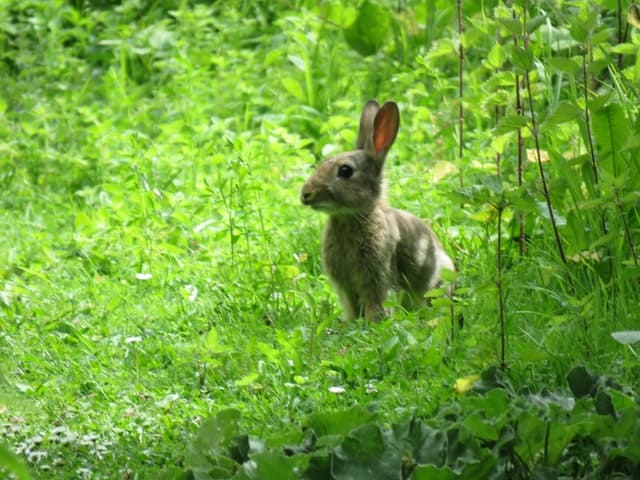
Gist:
Do not feed cranberries to your rabbit if you suspect any digestive problems.
There are several situations where you should skip cranberries entirely:
- Digestive issues: If your rabbit has soft stools, diarrhea, or signs of GI stasis, remove all treats immediately. Feed only hay until their digestion stabilizes, and consult a rabbit-savvy veterinarian.
- Under 7 months old: Young rabbits should not receive any fruit treats. Their gut flora is still developing and cannot handle the sugar.
- Obesity: Overweight rabbits should not eat sugary treats until they reach a healthy weight. Extra sugar worsens the problem and can lead to hepatic lipidosis (fatty liver).
- Dental problems: Rabbits with existing tooth issues or overgrown teeth should avoid sugary foods that can accelerate decay.
- Post-surgery recovery: After spaying, neutering, or other procedures, stick to hay and your vet's recommended diet until your rabbit is fully recovered.
The general rule is simple: when in doubt, just offer hay. Hay is never the wrong answer for a rabbit.
Risks of Overfeeding Cranberries to Rabbits
While cranberries are safe in moderation, feeding too many or too often carries real risks:
- Gastrointestinal stasis (GI stasis): This is the most dangerous risk. When a rabbit fills up on treats instead of hay, their gut motility slows down. GI stasis can be fatal within 24 to 48 hours if untreated. According to VCA Animal Hospitals, GI stasis is one of the most common emergencies in pet rabbits.
- Diarrhea: Introducing too many cranberries too quickly can overwhelm your rabbit's gut bacteria, leading to loose stools or true diarrhea. In young rabbits, diarrhea can become life-threatening within hours.
- Uneaten cecotropes: A diet too high in sugar and too low in fiber produces soft cecotropes that rabbits cannot or will not eat. You may notice mushy droppings stuck to your rabbit's fur, sometimes called "poopy butt."
- Dental decay: Sugar feeds harmful oral bacteria. Over time, regular exposure to sugary treats can contribute to dental disease, which is painful and expensive to treat.
- Weight gain and obesity: Older rabbits and less active rabbits are particularly vulnerable. Obesity in rabbits leads to a cascade of health problems including arthritis, heart strain, and an inability to eat cecotropes.
How to Introduce Cranberries to Your Rabbit's Diet
If your rabbit has never eaten cranberries before, follow this step-by-step introduction process:
- Confirm your rabbit is at least 7 months old and currently healthy with no digestive issues.
- Wash the cranberries thoroughly under running water to remove any pesticide residue. Organic cranberries are preferable if available.
- Start with 1 to 2 berries only. Place them in your rabbit's food bowl or offer by hand.
- Wait 24 hours and check your rabbit's droppings. Normal fecal pellets should be round, dry, and uniform in size.
- If all looks good, offer a slightly larger portion (3 to 4 berries) at the next treat time, 3 to 4 days later.
- Gradually work up to the full portion based on the weight guide above over 2 to 3 weeks.
Never introduce cranberries at the same time as another new food. If your rabbit reacts badly, you need to know which food caused the problem.
Can Rabbits Drink Cranberry Juice?
No. Never give cranberry juice to rabbits. Even "100% juice" products contain concentrated sugars without the fiber that whole cranberries provide. A single tablespoon of cranberry juice contains more sugar than a full cup of fresh cranberries.
The lack of fiber means the sugar hits your rabbit's system all at once, which can disrupt gut bacteria and cause digestive upset. Additionally, many commercial cranberry juice products contain added sweeteners, preservatives, or citric acid that are harmful to rabbits.
Rabbits should only drink fresh, clean water. If you want to encourage hydration, offer water-rich vegetables like cucumbers alongside their regular water supply.
Healthy Alternatives to Cranberries
Variety is important for keeping your rabbit interested in their treats and for providing a broader range of micronutrients. Here are safe fruit alternatives you can rotate with cranberries, all offered in similar portions 1 to 2 times per week:
| Fruit | Sugar per 100g | Notes |
|---|---|---|
| Blueberries | 10g | Higher sugar than cranberries; use smaller portions |
| Strawberries | 4.9g | Similar sugar level, most rabbits love them |
| Blackberries | 4.9g | Good fiber content, similar to cranberries |
| Raspberries | 4.4g | Low sugar, high fiber, excellent choice |
| Apple (no seeds) | 10.4g | Remove all seeds; they contain cyanide compounds |
| Pears | 9.8g | Soft and sweet; use small portions |
| Watermelon | 6.2g | High water content, good for hydration |
| Papaya | 7.8g | Contains papain enzyme, may aid digestion |
Rotate between 2 to 3 different fruits each week. Never offer more than one type of fruit in the same day, and always count total fruit portions toward the weekly limit.
FAQ
Can rabbits eat dried cranberries?
Yes, rabbits 7 months and older can eat unsweetened dried cranberries in small amounts. Use half the portion you would for fresh cranberries because drying concentrates the sugars to about 65 grams per 100 grams. Avoid store-bought brands like Craisins that contain added sugar.
Can rabbits have cranberry juice?
No, rabbits should never drink cranberry juice. It contains concentrated sugar without fiber, which can cause digestive upset, diarrhea, and dangerous shifts in gut bacteria. Only offer fresh water to your rabbit for hydration.
How often can I give my rabbit cranberries?
Offer cranberries no more than 1 to 2 times per week. This frequency applies to all fruit treats combined, not just cranberries. If you gave your rabbit blueberries on Monday, wait until Thursday or Friday before offering cranberries.
Are cranberries better than blueberries for rabbits?
Cranberries are slightly better from a sugar standpoint, containing about 4 grams per 100 grams versus blueberries at 10 grams. Both are safe in moderation, but cranberries let you offer a slightly larger portion for the same sugar intake.
Can baby rabbits eat cranberries?
No. Rabbits under 7 months old should not eat any fruit treats, including cranberries. Their digestive systems are still developing, and sugar can cause serious issues like diarrhea or GI stasis. Stick to hay, pellets, and gradual vegetable introduction.
Cite this article:
Cite this article:
BunnySync (March 6, 2026) Can Rabbits Eat Cranberries? Safe Feeding Guide for 2026. Retrieved from https://bunnysync.com/blog/can-rabbits-eat-cranberries.
"Can Rabbits Eat Cranberries? Safe Feeding Guide for 2026." BunnySync - March 6, 2026, https://bunnysync.com/blog/can-rabbits-eat-cranberries