Yes, rabbits can eat bell peppers safely. All colors of bell pepper, including red, green, yellow, and orange, are non-toxic and perfectly fine for rabbits when fed in moderation. Bell peppers are actually one of the better vegetable options for rabbits because they are low in oxalates and packed with vitamins A and C. Just remove the seeds and core before serving, keep portions appropriate for your rabbit's size, and always make sure your rabbit is eating plenty of hay as the foundation of their diet.
As breeders, we regularly include bell peppers in our rabbits' vegetable rotations. They are well-tolerated by most rabbits and provide a nice crunch that keeps them engaged during feeding time. Below, we cover everything you need to know about feeding bell peppers to your rabbit, from nutritional benefits and portion sizes to preparation tips and potential risks.
Which Color Bell Pepper Is Best for Rabbits?
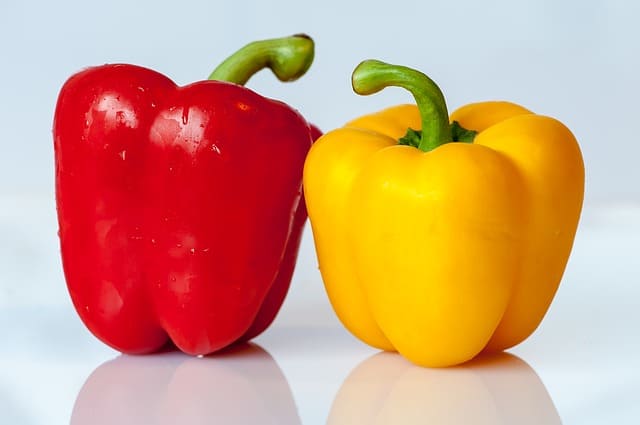
All four common colors of bell pepper are safe for rabbits, but they differ in sweetness and nutritional content. The color of a bell pepper reflects its stage of ripeness: green peppers are harvested earliest, followed by yellow, then orange, and finally red at full maturity.
Red bell peppers contain the highest levels of vitamin A and vitamin C because they have spent the longest time ripening on the vine. Green bell peppers have the lowest sugar content, making them the most conservative choice for owners who are cautious about sugar intake. Yellow and orange peppers fall somewhere in the middle for both sweetness and nutritional value.
Here is a comparison of the key nutritional differences between bell pepper colors per 100 grams:
| Bell Pepper Color | Sugar (g) | Vitamin A (IU) | Vitamin C (mg) | Ripeness Stage |
|---|---|---|---|---|
| Green | 2.4 | 370 | 80 | Earliest (unripe) |
| Yellow | 3.0 | 200 | 184 | Mid-ripe |
| Orange | 3.3 | 1,646 | 159 | Late-ripe |
| Red | 4.2 | 3,131 | 128 | Fully ripe |
In practice, the sugar differences between colors are small enough that any color is fine for a healthy adult rabbit. We tend to rotate between colors to give our rabbits variety in both flavor and nutrition. If your rabbit has never had bell peppers before, starting with green is a sensible choice since it has the least sugar.
What Nutrients Do Bell Peppers Provide for Rabbits?
Bell peppers offer a surprisingly strong nutritional profile for rabbits. They are one of the richest vegetable sources of vitamin A, which supports healthy vision, immune function, bone development, and reproductive health in rabbits. According to the USDA nutritional data for bell peppers, a 100-gram serving of red bell pepper provides over 3,000 IU of vitamin A.
Here is a breakdown of the key nutrients in 100 grams of red bell pepper and how they benefit rabbits:
- Vitamin A (3,131 IU): Essential for vision, immune response, and epithelial tissue maintenance. Rabbits need adequate vitamin A for healthy skin and coat.
- Vitamin C (128 mg): While rabbits produce their own vitamin C internally, supplemental amounts from food can support recovery during illness or stress.
- Vitamin E (1.6 mg): An antioxidant that protects cells from damage and supports reproductive health, particularly important for breeding does.
- Fiber (2.1 g): A modest amount of dietary fiber that supports gut motility alongside hay.
- Water content (92%): Helps keep rabbits hydrated, especially during warmer months.
- Niacin (1.0 mg): Supports energy metabolism and enzyme function.
- Potassium (211 mg): Helps regulate fluid balance and muscle function.
The high water content of bell peppers makes them a refreshing treat, but it also means they should not replace calorie-dense foods like hay and pellets in your rabbit's diet. Think of bell peppers as a vitamin-rich supplement, not a meal replacement.
How Much Bell Pepper Can a Rabbit Eat?
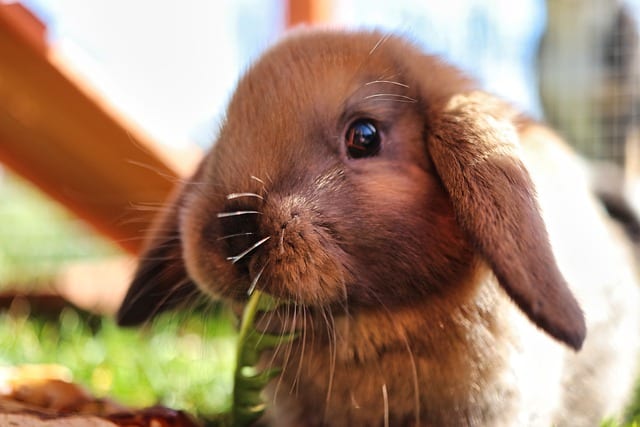
The right amount of bell pepper depends on your rabbit's body weight and age. As a general rule, vegetables should make up about 10-15% of your rabbit's daily food intake, with the remaining 80-85% coming from unlimited timothy hay and a measured amount of pellets.
For bell peppers specifically, a good starting point is about one tablespoon of chopped bell pepper per two pounds of body weight. This can be given daily as part of a mixed vegetable serving that includes two or three different vegetables.
Here are estimated portion sizes based on rabbit breed categories:
| Rabbit Size Category | Typical Weight | Bell Pepper Per Serving |
|---|---|---|
| Small breeds (Netherland Dwarf, Mini Rex, Polish) | 1.1 to 3.5 lbs | 1 to 2 thin slices |
| Medium breeds (Holland Lop, Mini Lop, Dutch) | 4 to 7 lbs | 2 to 3 thin slices |
| Large breeds (New Zealand, Californian, Rex) | 8 to 12 lbs | 3 to 5 thin slices |
| Giant breeds (Flemish Giant, Continental Giant) | 12+ lbs | 5 to 7 thin slices |
These portions assume bell pepper is being fed alongside other vegetables, not as the sole vegetable in the meal. If bell pepper is the only vegetable you are offering that day, you can increase the amount slightly, but variety is always better for your rabbit's overall nutrition.
One thin slice of bell pepper is roughly 10 to 15 grams. Keeping track of approximate weight is more reliable than counting slices, since the size of each pepper varies.
How to Prepare Bell Peppers for Your Rabbit
Proper preparation of bell peppers is straightforward but important. Follow these steps to make sure the pepper is safe and enjoyable for your rabbit:
- Wash the pepper thoroughly. Rinse under running water and rub the surface to remove any pesticide residue, dirt, or wax. If you can, choose organic bell peppers to minimize chemical exposure.
- Cut the pepper in half and remove the stem, core, and seeds. While bell pepper seeds are not toxic to rabbits, they are bitter and most rabbits will spit them out. Removing them ahead of time makes for a cleaner feeding experience.
- Slice into thin strips or small pieces. Smaller pieces are easier for rabbits to handle, especially for smaller breeds. Strips about the width of your pinky finger work well.
- Serve at room temperature. Cold bell pepper straight from the refrigerator can cause digestive discomfort in some rabbits. Let the pieces sit out for five to ten minutes before serving.
- Remove uneaten portions after two to three hours. Fresh vegetables spoil quickly at room temperature and can attract flies, so do not leave them in the cage or enclosure all day.
You do not need to peel bell peppers. The skin is thin, easy to chew, and contains fiber and nutrients. Most rabbits enjoy the satisfying crunch of biting through the skin.
Can Baby Rabbits Eat Bell Peppers?
No, baby rabbits under 12 weeks old should not eat bell peppers or any other vegetables. Young kits have delicate digestive systems that are still developing, and introducing vegetables too early can cause severe diarrhea and potentially fatal gastrointestinal problems.
Here is a timeline for introducing bell peppers based on your rabbit's age:
| Age | Feeding Guideline |
|---|---|
| 0 to 12 weeks | No vegetables at all. Only mother's milk, hay, and pellets. |
| 12 weeks to 7 months | Introduce one new vegetable at a time in very small amounts (less than 15 grams). Wait 48 hours before trying another new food. |
| 7 months to 1 year | Gradually increase vegetable variety and quantity. |
| 1 to 5 years (adult) | Full vegetable portions: 1 to 2 cups of mixed vegetables per 6 lbs of body weight daily. |
| 6+ years (senior) | Consult your veterinarian for a diet plan tailored to your older rabbit's needs. |
Source: Lafeber Vet Basic Rabbit Care Guide
When introducing bell peppers to a young rabbit for the first time, give just a small piece (about the size of your thumbnail) and monitor their droppings for the next 24 to 48 hours. If you see soft stool, mushy cecotrophs, or diarrhea, stop feeding bell peppers and wait at least two weeks before trying again.
What Are the Risks of Overfeeding Bell Peppers to Rabbits?
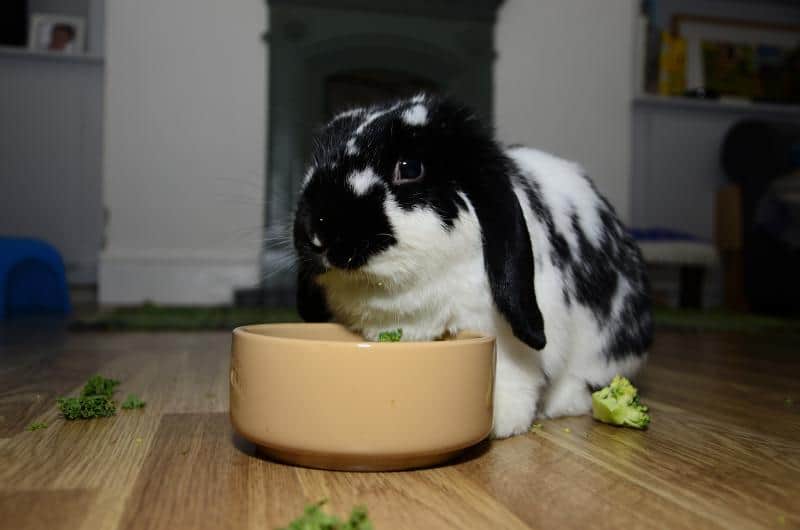
Bell peppers are safe and non-toxic, but overfeeding any vegetable can lead to health problems in rabbits. The primary risk is not the bell pepper itself but rather what it displaces. When a rabbit fills up on vegetables, it eats less hay, and hay provides the fiber that keeps the rabbit's gut functioning properly.
Here are the specific risks of overfeeding bell peppers:
- Gastrointestinal (GI) stasis: This is the most serious risk. GI stasis occurs when the gut slows down or stops moving entirely. Contrary to a common misconception, sugar does not directly cause GI stasis in healthy adult rabbits. The real cause is insufficient fiber intake. When a rabbit eats too many bell peppers and not enough hay, fiber levels drop and the gut can stall.
- Soft uneaten cecotrophs: Excess sugar from large amounts of bell peppers can alter the balance of bacteria in your rabbit's cecum, producing soft, mushy cecotrophs that the rabbit cannot or will not eat. This creates a smelly mess and deprives the rabbit of essential B vitamins and nutrients normally recycled through cecotrophy.
- Weight gain and obesity: Bell peppers are low in calories compared to many treats, but consistent overfeeding can contribute to weight gain over time. Obesity is a serious concern in pet rabbits because it reduces mobility, causes joint stress, and makes it harder for the rabbit to groom itself and eat cecotrophs.
- Dental issues: While less common, the natural sugars in bell peppers can promote bacterial growth in the mouth if the rabbit is not grinding enough hay to maintain proper tooth wear. Rabbits' teeth grow continuously, and hay is the primary mechanism for keeping them at the correct length.
The simple way to avoid all of these risks is to keep bell peppers as a small part of a varied diet. If your rabbit is eating unlimited hay, a measured portion of pellets, and a rotation of three to five different vegetables daily, bell peppers pose virtually no risk.
When Should You Stop Feeding Bell Peppers to Your Rabbit?
There are several situations where you should temporarily or permanently remove bell peppers from your rabbit's diet:
- Changes in stool: If your rabbit's droppings become smaller, darker, misshapen, or if you notice increased soft cecotrophs stuck to their fur, cut all vegetables from the diet and feed only hay until droppings return to normal. This usually takes 24 to 48 hours.
- Loss of appetite: If your rabbit stops eating hay or pellets but still eagerly eats bell peppers, remove the peppers immediately. A rabbit that picks treats over hay is at risk of GI stasis.
- Bloating or gas: Some rabbits are more sensitive to certain vegetables. If your rabbit seems uncomfortable, has a tight or distended belly, or shows signs of pain (hunched posture, teeth grinding, reluctance to move), stop all fresh foods and consult a rabbit-savvy veterinarian.
- Post-surgery recovery: After spaying, neutering, or any other procedure, follow your veterinarian's specific feeding instructions. Many vets recommend a simplified hay-only diet for the first 24 to 48 hours post-surgery.
- During illness: If your rabbit is being treated for any digestive condition, stick to hay and whatever your vet recommends until recovery is complete.
The general rule is this: when in doubt, go back to hay. Hay is always safe, and a rabbit can thrive on hay alone for short periods while you figure out what is causing a digestive issue.
Can Rabbits Eat Bell Pepper Leaves and Stems?
Bell pepper plants belong to the Capsicum genus within the nightshade family (Solanaceae). While the bell pepper fruit itself is safe for rabbits, the leaves and stems of the plant contain solanine, a naturally occurring toxin found in nightshade plants. You should never feed bell pepper leaves, stems, or any other part of the plant to your rabbit.
If you grow bell peppers in your garden and your rabbit has access to the garden area, make sure the plants are fenced off or otherwise inaccessible. Rabbits are naturally curious nibblers and may chew on leaves or stems without knowing they are harmful.
The fruit (the pepper itself) does not contain solanine and is completely safe. Just stick to the flesh and avoid the green stem cap at the top of each pepper.
What Other Vegetables Are Safe for Rabbits?
Variety is key to a healthy rabbit diet. Feeding the same vegetable every day, even a safe one like bell peppers, limits the range of nutrients your rabbit receives. Aim to rotate between at least three to five different vegetables each week.
Here are some excellent vegetables to rotate alongside bell peppers:
- Spinach (feed in moderation due to oxalates)
- Broccoli (leaves and florets)
- Romaine lettuce (avoid iceberg lettuce)
- Bok choy
- Cilantro
- Parsley
- Basil
- Carrot tops (the greens are more nutritious than the root)
- Watercress
- Endive
- Dandelion greens (pesticide-free only)
- Radicchio
A good strategy is to pick one leafy green (like romaine or spinach), one herb (like cilantro or parsley), and one crunchy vegetable (like bell pepper or celery) for each daily serving. This gives your rabbit a mix of textures and nutrients that mimics the variety they would find foraging in the wild.
Frequently Asked Questions
Can rabbits eat red bell peppers?
Yes, red bell peppers are safe for rabbits. Red peppers are the sweetest variety because they are fully ripe, so they contain more sugar and vitamin A than green peppers. Feed them in the same portion sizes as any other bell pepper color, and always remove seeds and the core before serving.
Can rabbits eat bell pepper seeds?
Bell pepper seeds are not toxic to rabbits, but they are bitter and have no nutritional value worth mentioning. Most rabbits will avoid eating them anyway. It is best to remove the seeds along with the core during preparation to keep things clean and prevent any choking risk with smaller rabbits.
Can rabbits eat bell peppers every day?
Technically yes, since bell peppers are safe and non-toxic. However, rotating between different vegetables is strongly recommended so your rabbit gets a broader range of vitamins and minerals. Offering bell peppers three to four times per week as part of a mixed vegetable serving is a better approach than feeding them daily.
Are bell peppers better than fruits for rabbits?
Yes, bell peppers are generally a better choice than most fruits. Fruits like bananas, grapes, and apples contain significantly more sugar per serving than bell peppers do. Bell peppers also provide more vitamin A and fiber than most common rabbit-safe fruits, making them a more nutritious everyday option.
Can rabbits eat hot peppers or chili peppers?
No. Hot peppers, chili peppers, jalapenos, and any pepper containing capsaicin should never be given to rabbits. Capsaicin irritates the digestive tract and mucous membranes. Only sweet bell peppers (Capsicum annuum, sweet varieties) are safe for rabbits to eat.
Cite this article:
Cite this article:
BunnySync (February 26, 2026) Can Rabbits Eat Bell Peppers? Safe Feeding Guide for 2026. Retrieved from https://bunnysync.com/blog/can-rabbits-eat-bell-peppers.
"Can Rabbits Eat Bell Peppers? Safe Feeding Guide for 2026." BunnySync - February 26, 2026, https://bunnysync.com/blog/can-rabbits-eat-bell-peppers