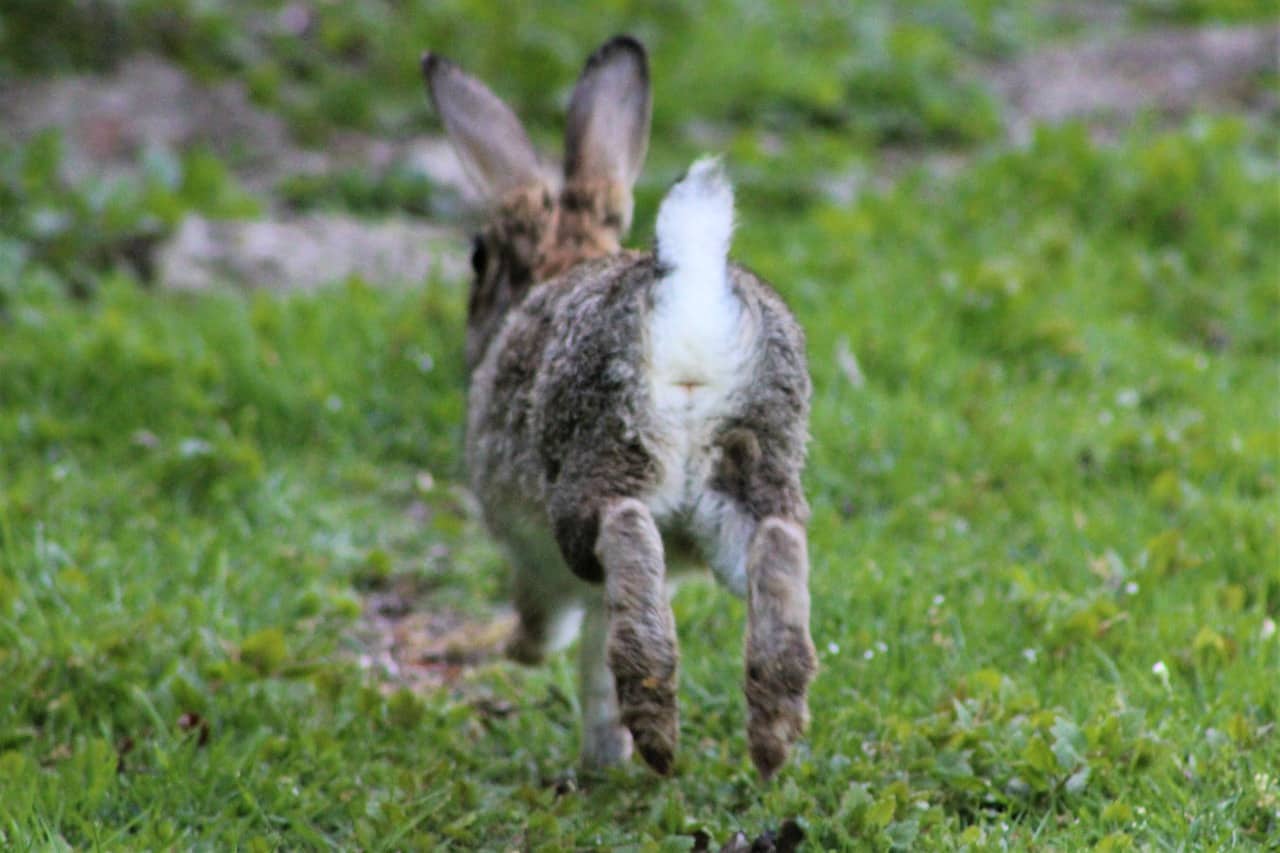
Your rabbit is peeing on you because of territorial marking, a medical condition, incomplete litter training, fear, or past trauma. The single most common cause is hormonal behavior in unneutered or unspayed rabbits. Intact rabbits spray urine to claim ownership of their environment, and that includes you. Getting your rabbit fixed is typically the first and most effective step toward solving this problem.
But neutering alone does not guarantee the behavior will stop. Below, we break down every reason a rabbit urinates on its owner, how to identify the real cause, and exactly what to do about it.

What Causes a Rabbit To Pee On Its Owner?
Rabbits do not pee on you out of spite. There is always an underlying reason, whether behavioral, hormonal, or medical. Understanding the root cause is essential because each one requires a different solution.
1. Territorial Marking (The Most Common Cause)
Rabbits are territorial animals. In the wild, they use urine and chin secretions to define their space and establish dominance within a social group. Domestic rabbits retain this instinct, and when they spray urine on you, they are essentially saying "you belong to me."
Territorial spraying looks different from normal urination. Instead of squatting and producing a puddle, your rabbit will lift its tail and shoot a stream of urine sideways or backward. You might notice urine hitting your legs, your couch, or even walls near where you sit.
According to the Avian and Exotic Veterinary Care guide on rabbit behavior, urine spraying is a normal communication method rabbits use to assert dominance and signal during courtship. Both males and females can spray, but it is significantly more common in intact males.
Key signs that territorial marking is the cause:
- Your rabbit is not spayed or neutered
- The urine is sprayed (not puddled) on surfaces, objects, or you
- Your rabbit also produces strong-smelling urine with a heavy ammonia odor
- The behavior increases around other pets or new people in the home
- Your rabbit chins furniture, shoes, and your hands frequently
The fix for territorial spraying is straightforward: get your rabbit neutered or spayed. In most cases, spraying behavior decreases dramatically within two to six weeks after the procedure as hormone levels drop.
2. Medical Conditions
If your rabbit is already neutered and suddenly starts peeing on you or in places it normally would not, a medical issue could be the culprit. Several conditions cause excessive urination (polyuria) or loss of bladder control in rabbits.
Lower urinary tract disease is one of the most common medical causes. Bladder sludge, bladder stones, or urinary tract infections can make urination painful and unpredictable. Symptoms include:
- Straining or crying during urination
- Urine scalding (wet, irritated skin around the hindquarters)
- Blood-tinged or unusually thick urine
- Sudden loss of litter box habits
- Hunched posture and reluctance to move
Chronic renal failure leads to increased water intake and urine output. Watch for weight loss, lethargy, decreased appetite, and pale gums alongside excessive urination.
E. cuniculi is a parasitic infection that can damage the kidneys, leading to polyuria and polydipsia (excessive thirst). Neurological signs like a head tilt, hind leg weakness, or loss of coordination may also appear.
Diabetes is extremely rare in rabbits but can occur. Excessive eating, excessive drinking, and excessive urination are the hallmark signs.
| Condition | Key Symptoms | Urgency |
|---|---|---|
| Lower urinary tract disease | Painful urination, blood in urine, urine scalding | See vet within 24-48 hours |
| Chronic renal failure | Weight loss, increased thirst, lethargy | See vet within 1-2 days |
| E. cuniculi | Head tilt, hind leg weakness, increased thirst | See vet promptly |
| Diabetes | Excessive eating, drinking, and urination | See vet within a few days |
If your spayed or neutered rabbit suddenly starts peeing on you or losing litter box habits, skip the behavioral troubleshooting and go straight to a rabbit-savvy veterinarian. A urine test and blood panel can rule out or confirm most of these conditions quickly.
3. Incomplete or Absent Litter Training
Many new rabbit owners assume that neutering alone will solve all inappropriate urination. It does not. Neutering removes the hormonal drive to spray, but your rabbit still needs to learn where it is and is not acceptable to urinate.
A rabbit that has never been properly litter trained does not understand that peeing on you is wrong. From the rabbit's perspective, any surface is fair game unless it has been taught otherwise.
Signs that litter training is the issue:
- Your rabbit pees in multiple locations, not just on you
- There is no litter box set up, or the box is too small, dirty, or in the wrong location
- Your rabbit is young (under 6 months) and has never been trained
- The behavior is consistent rather than sudden
4. Fear and Anxiety
Rabbits can lose bladder control when they are frightened. This is an involuntary stress response, not a deliberate act. If your rabbit pees on you specifically while you are picking it up or holding it, fear is the most likely explanation.
Common fear triggers that cause urination:
- Being picked up (many rabbits are terrified of being lifted off the ground)
- Loud noises like vacuuming, construction, or fireworks
- Unfamiliar people or animals approaching
- A new environment after a recent move
- Being cornered or chased
You can confirm fear is the cause by looking for other signs of stress in your rabbit: thumping, hiding, flattened ears, wide eyes showing white around the edges, and rapid breathing.
A rabbit that was recently adopted from a shelter or rescue may need weeks or months to build trust before it feels safe being handled. Pushing too hard too fast will only make the fear (and the peeing) worse.
5. Past Trauma
Trauma-related urination is closely related to fear, but it stems from a specific negative experience in the rabbit's past. Rabbits have excellent memories, and a single bad experience with being dropped, grabbed roughly, or restrained can create a lasting association between human handling and danger.

Signs that trauma is involved:
- Your rabbit only pees when being picked up or held, never while sitting on your lap voluntarily
- The rabbit shows extreme panic responses (kicking, screaming, scrambling) when lifted
- The rabbit was surrendered or rescued with an unknown history
- The behavior started after a specific incident (being dropped, stepped on, grabbed by a child)
If you suspect trauma, the solution is not to keep picking up your rabbit and hoping it gets over it. Instead, stop picking the rabbit up entirely for several weeks. Sit on the floor and let your rabbit come to you. Rebuild trust from the ground up before attempting any handling.
How To Stop Your Rabbit From Peeing On You
Now that you understand the causes, here is a step-by-step approach to solving the problem. Work through these in order, starting with the most impactful change first.
Step 1: Get Your Rabbit Neutered or Spayed
If your rabbit is intact, this is the single most important thing you can do. Neutering eliminates the hormonal drive to spray urine for territorial purposes and makes all subsequent training significantly easier.
After the procedure, give your rabbit two to six weeks for hormone levels to fully drop. Some rabbits stop spraying within days; others take longer. If your rabbit has just been spayed, focus on recovery first and training second.
For male rabbits, neutering can be done as early as 3 to 4 months of age. For females, spaying is typically recommended around 4 to 6 months. Your vet can advise on the best timing for your specific rabbit.
Step 2: Set Up Proper Litter Training
Once your rabbit is fixed (or if it already is), establish a solid litter training routine:
- Observe where your rabbit naturally goes. Rabbits are creatures of habit and tend to pick one or two spots for urination. Place the litter box in that spot.
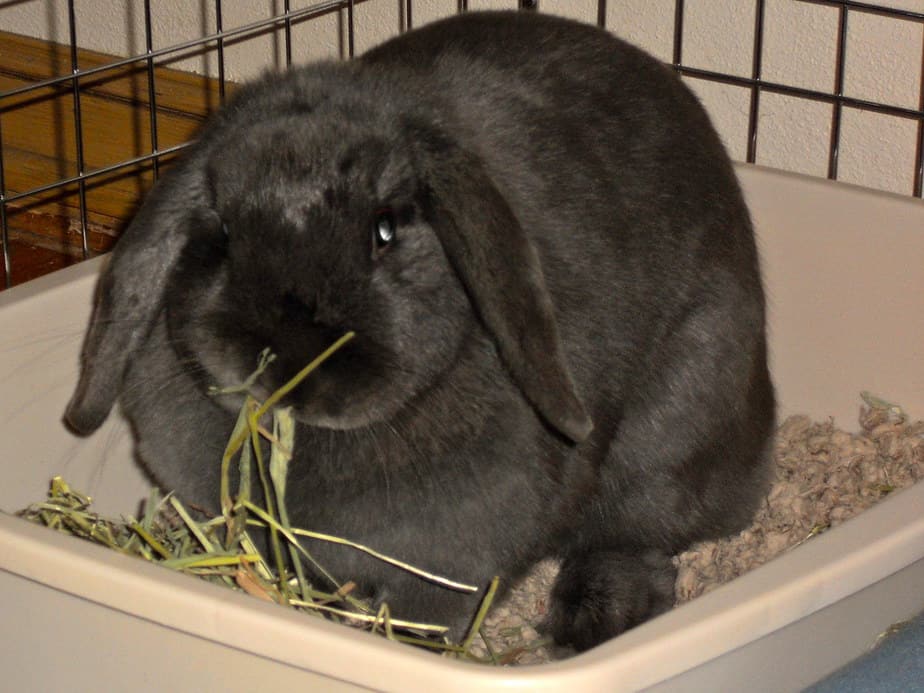
- Use the right litter box. It should be large enough for your rabbit to sit in comfortably with room to spare. A paper-based or hay-based bedding works best. Never use clumping cat litter, as it is dangerous if ingested.
- Put hay in or next to the litter box. Rabbits like to eat while they do their business. Placing hay at one end of the box encourages them to spend time there.
- Clean up accidents with white vinegar and place a urine-soaked paper towel in the litter box to reinforce the scent association.
- Restrict free-roam space initially. Start with a small pen around the litter box and gradually expand the area as your rabbit consistently uses it.
- Never punish your rabbit for accidents. Rabbits do not understand punishment. It only increases fear and makes the problem worse.
Most rabbits become reliably litter trained within one to three weeks. Older rabbits and previously untrained rabbits may take longer, but they can absolutely learn.
Step 3: Address Fear and Build Trust
If your rabbit pees specifically when you handle it, you need to address the underlying fear before the urination will stop.
Practical steps to reduce fear-based urination:
- Stop picking up your rabbit unless medically necessary. Most rabbits dislike being lifted, and forcing it creates negative associations.
- Sit on the floor during bonding time. This puts you at your rabbit's level and feels far less threatening than towering above it.
- Let the rabbit come to you. Place treats near you and gradually move them closer over days and weeks.
- Learn proper handling technique. When you do need to pick up your rabbit, always support the hindquarters fully. Never lift by the scruff or ears.
- Create a safe environment. Make sure your rabbit has hiding spots it can retreat to when it feels overwhelmed.
Building trust with a fearful rabbit takes patience. Expect weeks, not days, before you see real improvement.
Step 4: Eliminate Stress Triggers
According to the Northern Ireland Direct government guide on rabbit welfare, common stressors for rabbits include loud noises, lack of space, boredom, absence of a companion, and the presence of predators (including household cats and dogs).
Do a stress audit of your rabbit's environment:
- Is the cage or enclosure large enough? (Minimum 4x the rabbit's body length)
- Does your rabbit get at least 3 to 4 hours of exercise time daily outside its enclosure?
- Is the enclosure in a quiet area away from TVs, speakers, and high-traffic zones?
- Does your rabbit have a companion? Rabbits are social animals and can become stressed when kept alone.
- Are there toys and enrichment items to prevent boredom?
- Is the cage clean and well-maintained?
Fixing environmental stressors often resolves inappropriate urination without any additional training.
Step 5: Visit a Rabbit-Savvy Veterinarian
If you have neutered your rabbit, completed litter training, addressed fear and stress, and the peeing continues, a veterinary visit is the next step. Bring a fresh urine sample if possible (collect it with a syringe from the litter box). Your vet will likely run a urinalysis and possibly blood work to check for kidney function, infection, and parasites.
Make sure you visit a veterinarian experienced with rabbits. Not all small-animal vets have extensive rabbit expertise, and misdiagnosis can delay treatment.
Why Does My Rabbit Only Pee On Me and Not Others?
If your rabbit targets you specifically, it is almost always about territory and bonding. Rabbits often spray the person they feel closest to as a way of claiming them. Counterintuitive as it sounds, your rabbit peeing on you (and not your partner or roommate) may actually mean it considers you "its" human.
This behavior is especially common in unneutered males with a single primary caretaker. Once neutered, the targeted spraying typically stops.
Is It Normal for Rabbits To Pee When Picked Up?
Peeing when picked up is extremely common and usually fear-related. Rabbits are ground-dwelling prey animals. Being lifted off the ground triggers a predator-response because, in the wild, the only time a rabbit leaves the ground involuntarily is when a hawk, owl, or other predator has caught it.
If your rabbit pees every time you pick it up, the kindest and most effective solution is to minimize lifting. Interact with your rabbit at ground level instead.
How Long After Neutering Will My Rabbit Stop Spraying?
Most rabbits show a significant reduction in spraying within two to four weeks after neutering. However, some rabbits continue spraying for up to eight weeks as residual hormones clear their system.
If your rabbit is still spraying three months after being neutered, the behavior may have become a learned habit rather than a hormonal one. In that case, you will need to retrain your rabbit using the litter training steps outlined above.
Rabbits neutered at a younger age (before 6 months) tend to have less ingrained spraying behavior and typically stop faster than rabbits neutered later in life.
Frequently Asked Questions
Why does my rabbit pee on my bed?
Your bed carries your scent strongly, making it a prime target for territorial marking. Rabbits spray objects and areas that smell like their owner to reinforce their claim. Neutering and restricting bed access until litter training is solid will resolve this in most cases.
Can I use vinegar to clean rabbit urine?
Yes, white vinegar is one of the best cleaners for rabbit urine. Mix equal parts white vinegar and water, spray the soiled area, let it sit for 10 minutes, then blot dry. The acidity breaks down the urine crystals and neutralizes the ammonia smell that might attract your rabbit back to the same spot.
Do female rabbits spray urine like males?
Yes, female rabbits can and do spray urine to mark territory, though it happens less frequently than in males. Unspayed females may also spray more during hormonal cycles. Spaying eliminates the hormonal component of this behavior in females just as neutering does in males.
Should I punish my rabbit for peeing on me?
Never punish a rabbit for urination. Rabbits cannot connect punishment with a past action, so scolding or squirting water only creates fear and damages your bond. Instead, calmly place your rabbit back in its enclosure near the litter box and clean up without making a fuss.
Why did my litter-trained rabbit suddenly start peeing everywhere?
A sudden loss of litter habits in a previously trained rabbit usually points to a medical issue, a major environmental change, or a new source of stress. If nothing in the environment has changed, schedule a vet visit to rule out urinary tract problems, kidney issues, or E. cuniculi infection.
Cite this article:
Cite this article:
BunnySync (March 5, 2026) Why Does My Rabbit Pee On Me? 5 Causes and How To Stop It. Retrieved from https://bunnysync.com/blog/why-does-my-rabbit-pee-on-me.
"Why Does My Rabbit Pee On Me? 5 Causes and How To Stop It." BunnySync - March 5, 2026, https://bunnysync.com/blog/why-does-my-rabbit-pee-on-me