Rabbits can safely be left alone for a maximum of 24 hours, provided they have unlimited hay, fresh water, and a clean living space. If you need to be away longer, someone should check on your rabbit at least every 12 hours to refill food, refresh water, and monitor for health issues. Knowing how long a rabbit can be left alone helps you plan trips and daily routines without putting your pet at risk.
Rabbits are social, routine-dependent animals. They thrive on daily interaction and consistent feeding schedules. Leaving them unattended beyond a day risks stress, depression, and potentially life-threatening digestive problems. Below, we break down every timeframe so you can make the right decision for your situation.
Can You Leave a Rabbit Alone for 8 Hours?
Yes. Eight hours is perfectly safe for most rabbits. This is the standard workday scenario that millions of rabbit owners handle every day without any issues.
Before heading out for the day, set your rabbit up with:
- A full hay rack (rabbits should have unlimited access to hay at all times)
- A fresh bowl or bottle of clean water
- Their morning portion of pellets and greens
- A clean litter box
- A few toys or chew items for enrichment
As breeders, we regularly leave our rabbits for 8 to 10 hours during the workday. We use large hay racks that hold enough timothy hay to last well past dinnertime and provide two water bowls as a backup in case one gets tipped over. This setup keeps our rabbits content and healthy throughout the day.
One important note: if your rabbit is free-roaming in a rabbit-proofed room, make sure all wires, toxic plants, and small objects are out of reach before you leave. A bored rabbit with access to electrical cords is a serious safety hazard.
Can You Leave a Rabbit Alone Overnight?
Yes. Rabbits are crepuscular animals, meaning they are most active at dawn and dusk. During the nighttime hours, most rabbits alternate between napping, grooming, and quietly nibbling hay. Leaving your rabbit alone for a normal 8 to 12 hour overnight period is completely fine.
In fact, most rabbit owners already do this every night. Your rabbit does not need you to stay awake and supervise during the night. Just make sure the evening setup includes:
- A topped-off hay supply
- Fresh water
- A recently cleaned litter box
- A comfortable, safe enclosure at a stable temperature between 60 and 70 degrees Fahrenheit
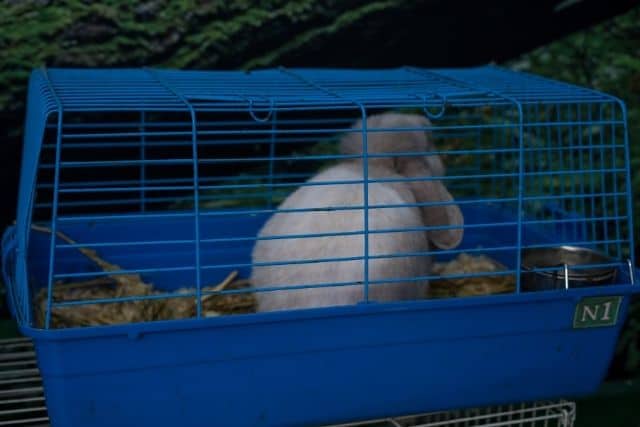
If you keep your rabbit in a cage or hutch, ensure it is large enough for them to stretch out, hop around, and stand on their hind legs comfortably. A cramped space combined with isolation can increase anxiety, especially for young or newly adopted rabbits.
Can You Leave a Rabbit Alone for 24 Hours?
Yes, but 24 hours is the absolute upper limit. At this point, you need to plan carefully. Food and water must be provided in large enough quantities to last the entire period, and the litter box should be freshly cleaned before you leave.
Here is what a 24-hour solo setup looks like:
| Item | What to Prepare |
|---|---|
| Hay | Fill the rack completely and add a second pile on the floor as backup |
| Water | Provide two water sources (bowl + bottle, or two bowls) |
| Pellets | Pre-measured daily portion in a heavy, tip-proof bowl |
| Greens | Skip fresh greens for the day (they wilt and spoil quickly) |
| Litter box | Fully cleaned and filled with fresh litter |
| Environment | Temperature-controlled room, no direct sunlight or drafts |
Skip the fresh vegetables for a 24-hour absence. Leafy greens left out for more than a few hours start to wilt and can grow bacteria. Your rabbit will be perfectly fine on hay and pellets for one day.
At the 24-hour mark, rabbits that live alone start showing early signs of loneliness and boredom. Rabbits are social creatures that rely on interaction for mental stimulation. Without it, they can become withdrawn, restless, or start exhibiting destructive behaviors like digging at cage floors or chewing bars.
Can You Leave a Rabbit Alone for 2 Days?
No. Two days (48 hours) without human contact or supervision is too long for a rabbit. Even with generous amounts of hay and water, several problems arise after the 24-hour mark:
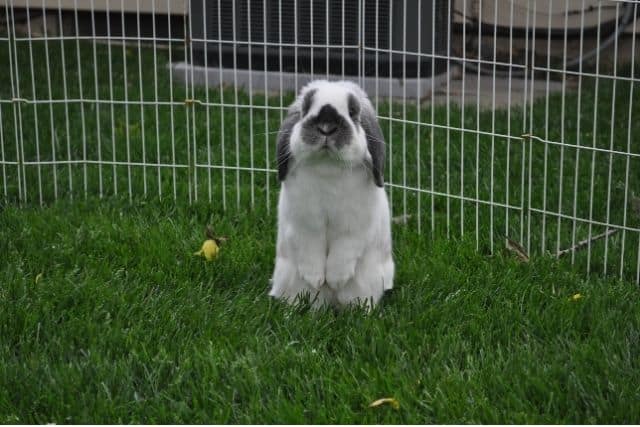
- Water can run out or become contaminated. Rabbits drink a surprising amount, roughly 50 to 150 ml per kilogram of body weight daily. A 2 kg rabbit may drink up to 300 ml in a single day, and bowls can be tipped or soiled.
- The litter box becomes unsanitary. Rabbits produce 200 to 500+ fecal pellets per day. After 48 hours, the litter box is overwhelmed, and many rabbits will stop using it entirely.
- Health emergencies go unnoticed. GI stasis, a potentially fatal condition where the gut slows or stops, can develop within 12 to 24 hours. Without someone to notice the early signs (reduced appetite, fewer droppings, hunched posture), a treatable condition can become deadly.
- Depression and anxiety set in. Rabbits are highly social animals. Extended isolation triggers behavioral changes including lethargy, hiding, and refusal to eat.
If you must be away for two days, arrange for someone to visit your rabbit at least once every 12 hours. This does not need to be a professional. A neighbor, friend, or family member who can refresh food and water, spot-clean the litter box, and spend a few minutes interacting with your rabbit will do.
Can You Leave a Rabbit Alone for a Week?
Absolutely not. A week without proper daily care is dangerous and potentially fatal for a rabbit. No amount of pre-stocked hay or water can substitute for daily monitoring, fresh food, cage cleaning, and social interaction over seven days.
If you are planning a vacation or extended trip, you have three solid options:
1. Hire a Pet Sitter
A pet sitter who visits once or twice daily is the ideal solution. They can maintain your rabbit's normal routine in their familiar environment, which minimizes stress. Look for sitters with rabbit experience, as rabbit care differs significantly from dog or cat sitting.
When interviewing a potential sitter, confirm they understand:
- The importance of unlimited hay
- How to identify signs of GI stasis
- Proper handling techniques (supporting the hindquarters, never lifting by the ears)
- What constitutes a veterinary emergency
2. Board Your Rabbit with a Veterinarian

Many rabbit-savvy veterinary clinics offer boarding services. This option gives you peace of mind because trained staff monitor your rabbit daily and can respond immediately to health issues. The downside is cost and the stress of an unfamiliar environment.
Bring your rabbit's own food, a familiar blanket or toy, and written instructions about their routine. Familiar scents help reduce anxiety in a new setting.
3. Ask a Friend or Family Member
The most budget-friendly option is asking someone you trust to check on your rabbit daily. Provide them with:
- Pre-measured daily food portions
- Written feeding and care instructions
- Your veterinarian's phone number
- A brief demonstration of litter box cleaning and hay refilling
- A list of emergency warning signs to watch for
Why Rabbits Cannot Be Left Alone for Extended Periods
Understanding why rabbits need daily attention helps you appreciate the importance of proper planning. These are not low-maintenance pets that can fend for themselves like fish or reptiles.
They Need Daily Exercise
Rabbits require a minimum of 3 to 4 hours of exercise outside their enclosure every day. Without this, they develop muscle weakness, obesity, and joint problems. The PDSA recommends that rabbits have constant access to a large, safe exercise area. Leaving a rabbit confined to a cage for 48+ hours without exercise is a serious welfare concern that can lead to both physical and mental health problems.
Their Digestive System Requires Constant Monitoring
A rabbit's gut never stops working. They need to eat almost continuously, cycling fiber through their digestive tract to maintain healthy motility. If a rabbit stops eating for even 12 hours, the gut can begin to shut down, a condition known as GI stasis. This is the number one medical emergency in pet rabbits, and early detection is only possible with daily observation.
Key signs of GI stasis include:
- Fewer or no droppings
- Small, hard, or irregularly shaped droppings
- Loss of appetite
- Hunched posture
- Loud stomach gurgling, or complete silence in the abdomen
- Lethargy and reluctance to move
Loneliness Causes Real Harm
Rabbits form strong bonds with their owners and, when kept alone, depend entirely on human interaction for companionship. Extended isolation leads to depression in rabbits, which manifests as reduced appetite, excessive sleeping, aggression, and withdrawal. In severe cases, prolonged isolation can contribute to serious health decline and even shorten a rabbit's lifespan.
Environmental Hazards Accumulate
Without daily maintenance, the living environment deteriorates quickly. Soiled litter attracts flies (which can cause flystrike in warm weather), ammonia from urine buildup irritates the respiratory system, and spilled water can leave your rabbit without hydration. These are all preventable problems that only require a few minutes of daily attention.
How to Prepare When Leaving Your Rabbit
Whether you are leaving for a full workday or a weekend trip with a pet sitter arranged, these preparation steps keep your rabbit safe and comfortable.
Stock Up on Food and Water

Pre-measure and bag daily food portions so your caretaker does not have to guess. Include hay (the bulk of the diet), pellets (1/4 cup per 5 lbs of body weight), and a list of safe greens with portion sizes. Leave extra water bowls in case one gets knocked over, and always use heavy ceramic bowls that are harder to tip.
Provide Enrichment and Toys
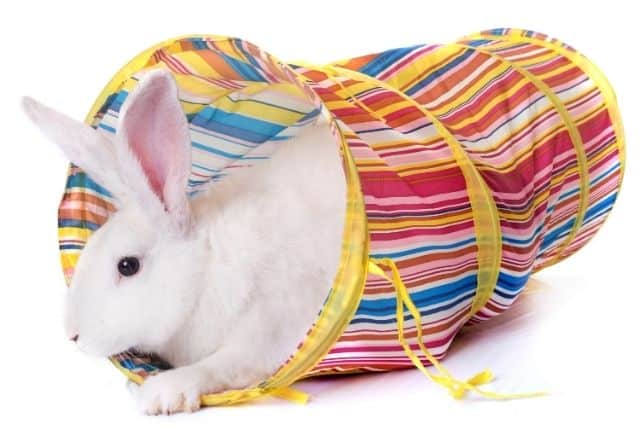
Bored rabbits are destructive rabbits. Leave a variety of chew toys and enrichment items to keep them occupied:
- Willow balls and willow sticks
- Wooden dumbbells and twig tunnels
- Cardboard boxes with holes cut in the sides
- Toilet paper rolls stuffed with hay
- A digging box filled with shredded paper
Rotate toys so your rabbit does not lose interest. Even simple items like a paper bag with hay inside can provide hours of entertainment.
Clean the Cage or Enclosure Thoroughly
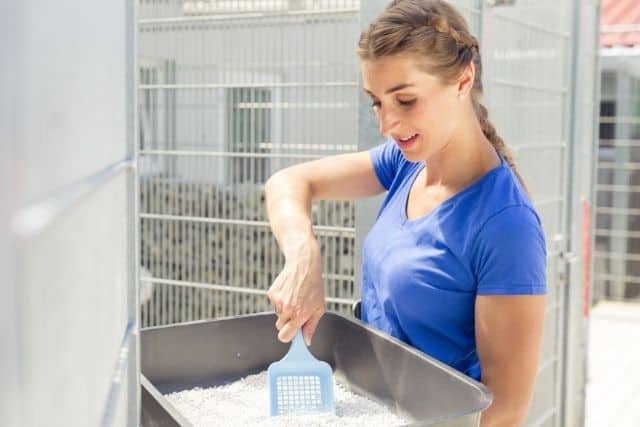
Start with a completely clean enclosure. Replace all litter, wipe down surfaces, and remove any soiled bedding. A clean environment stays healthier for longer and gives your rabbit a comfortable baseline while you are away.
Rabbits produce a significant amount of waste daily. Small breeds (1 to 3.5 lbs) produce around 133 grams of manure per day. Medium breeds (6 to 10 lbs) produce 220 to 450 grams. Large breeds (9 to 12 lbs) can produce over 1,000 grams. Starting clean buys your caretaker more time between spot-cleans.
Rabbit-Proof the Environment
Do a final safety check before you leave. Secure all electrical cords, remove toxic plants, close off small spaces where a rabbit could get stuck, and make sure windows and doors are secure. Leave your caretaker a list of specific hazards in your home so they know what to watch for.
Leave Detailed Care Instructions
Even if your caretaker has rabbit experience, write everything down. Include:
- Feeding schedule and exact portions
- Medication instructions (if applicable)
- Normal behavior patterns so they can spot abnormalities
- Your veterinarian's name, phone number, and address
- Your emergency contact information
- Authorization for veterinary treatment if you cannot be reached
Should You Get a Second Rabbit as a Companion?
If you regularly work long hours or travel frequently, getting a second rabbit is worth serious consideration. Bonded pairs keep each other company, groom each other, and are generally happier and less prone to depression than solo rabbits.
A bonded companion does not replace the need for human interaction or daily care, but it significantly reduces the emotional toll of your absences. Two rabbits still need daily feeding, litter cleaning, and health monitoring, but they are far less likely to develop loneliness-related behavioral problems.
Keep in mind that bonding rabbits takes time and patience. Not all rabbits get along immediately, and improper introductions can lead to fighting and injuries. If you are considering this route, research the bonding process thoroughly and ideally work with a rabbit rescue that can help match compatible personalities.
Pet Sitter Checklist for Your Rabbit
Print this checklist and leave it with your pet sitter before any trip:
| Task | Frequency | Details |
|---|---|---|
| Refill hay | Every visit | Hay rack should never be empty |
| Refresh water | Every visit | Dump, rinse, and refill all water sources |
| Serve pellets | Once daily | Pre-measured portion in the morning |
| Serve greens | Once daily | 1 packed cup per 2 lbs of body weight |
| Spot-clean litter box | Every visit | Remove wet spots and excess droppings |
| Full litter change | Every 2-3 days | Replace all litter with fresh material |
| Exercise time | Daily | Minimum 30 minutes of supervised free-roam |
| Health check | Every visit | Check appetite, droppings, eyes, nose, and posture |
| Social interaction | Every visit | Sit with the rabbit, offer gentle pets, talk to them |
Frequently Asked Questions
Can I leave my rabbit alone while I am at work?
Yes, leaving your rabbit alone for a standard 8 to 10 hour workday is safe. Provide unlimited hay, fresh water, and a clean litter box before you leave. Most rabbits nap during midday hours and will be ready for playtime when you get home in the evening.
Do rabbits get lonely when left alone?
Yes, rabbits are social animals that form strong bonds with their owners and cage mates. A rabbit left completely alone for more than 24 hours will likely show signs of loneliness including reduced appetite, hiding, and lethargy. Consider a bonded companion if you are frequently away from home.
What is the longest you can leave a rabbit alone?
The maximum recommended time is 24 hours. Beyond that, you need someone to check on your rabbit at least every 12 hours to refill food, refresh water, clean the litter box, and monitor for health issues like GI stasis that can become life-threatening without early intervention.
Can I leave my rabbit alone for a weekend?
Not without a caretaker. A full weekend (48 to 72 hours) is too long for a rabbit to go unsupervised. Arrange for a pet sitter, friend, or family member to visit at least once daily to handle feeding, cleaning, and health checks. Boarding with a vet is another reliable option.
Is it cruel to keep a single rabbit?
Keeping a single rabbit is not inherently cruel, but it places greater responsibility on you to provide daily interaction and enrichment. Single rabbits depend entirely on their owner for companionship. If your schedule frequently keeps you away, a bonded pair is a better arrangement for your rabbit's emotional wellbeing.
Cite this article:
Cite this article:
BunnySync (February 27, 2026) How Long Can a Rabbit Be Left Alone? Safe Time Limits for Every Situation. Retrieved from https://bunnysync.com/blog/how-long-can-a-rabbit-be-left-alone.
"How Long Can a Rabbit Be Left Alone? Safe Time Limits for Every Situation." BunnySync - February 27, 2026, https://bunnysync.com/blog/how-long-can-a-rabbit-be-left-alone
Sources and further reading
- Buseth, Marit Emilie., and Richard A. Saunders. Rabbit Behaviour, Health, and Care. CABI, 2014.
- Lebas, F. The Rabbit: Husbandry, Health, and Production. Food and Agriculture Organization of the United Nations, 1997.
- Patry, Karen, et al. The Rabbit-Raising Problem Solver: Your Questions Answered about Housing, Feeding, Behavior, Health Care, Breeding, and Kindling. Storey Publishing, 2014.
- PDSA. Rabbit Housing. pdsa.org.uk