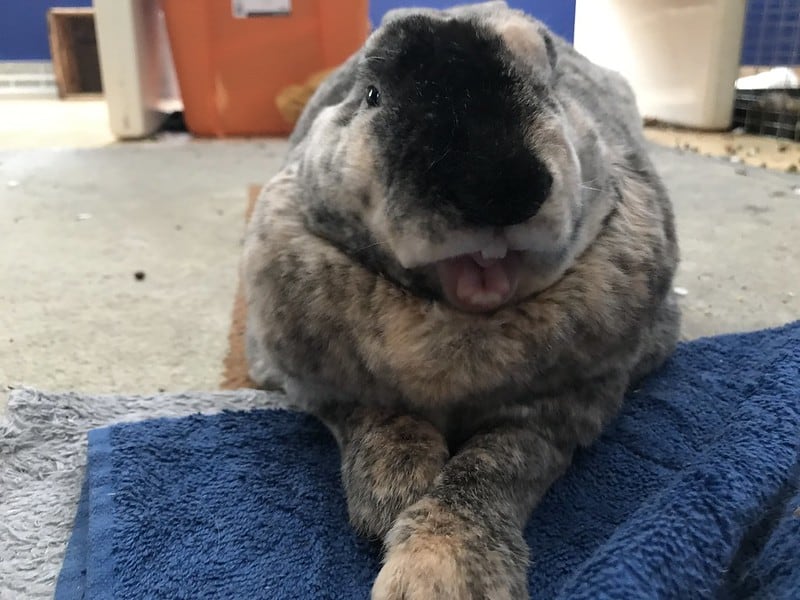
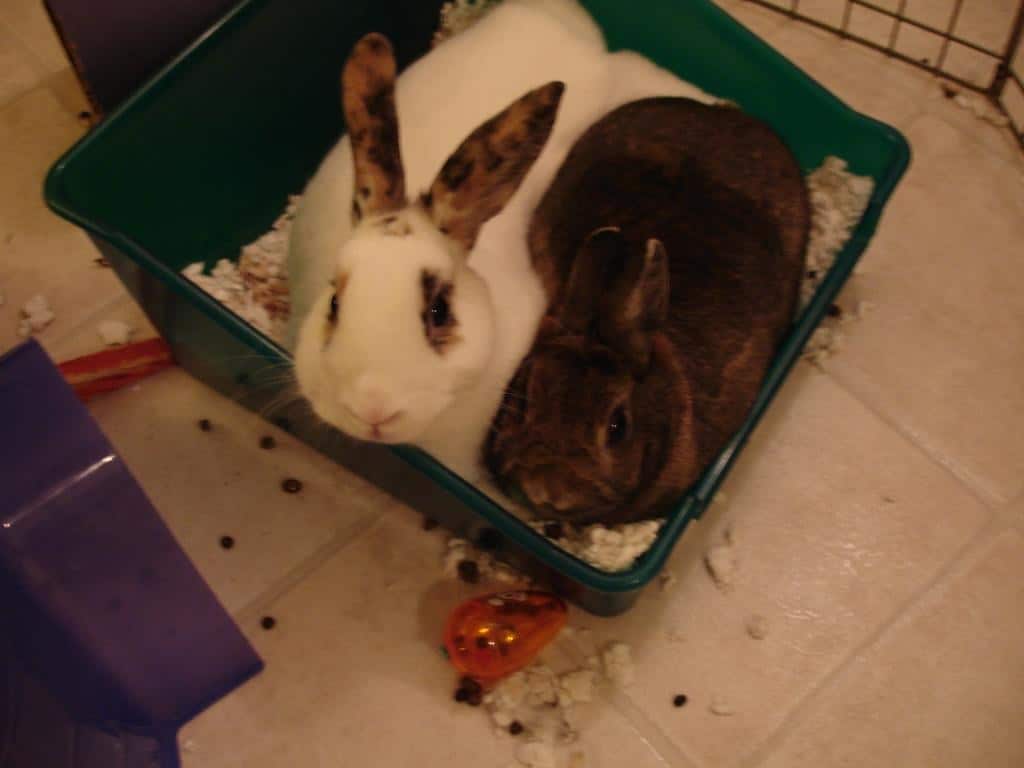
The ideal temperature for rabbits is between 55°F and 70°F (13°C to 21°C). As breeders, we aim to keep our rabbitries within this range year-round. Rabbits are surprisingly sensitive to temperature extremes, and getting this wrong can cost you animals fast. If you are new to keeping rabbits, understanding their thermal comfort zone is one of the most important basics you can learn. Cold ears can be an early sign of temperature stress, so knowing what to look for matters from day one.
What Is the Safe Temperature Range for Rabbits?
Rabbits thrive in cool to mild environments. They are far more cold-tolerant than heat-tolerant, but both extremes carry real risks. As breeders, we watch the thermometer as closely as we watch our breeding records.
| Temperature Range | Celsius | Conditions | Risk Level |
|---|---|---|---|
| Below 20°F | Below -7°C | Extreme cold | High risk, especially for kits and thin-coated breeds |
| 20°F to 40°F | -7°C to 4°C | Cold | Manageable with bedding and shelter |
| 40°F to 55°F | 4°C to 13°C | Cool | Low risk for healthy adults |
| 55°F to 70°F | 13°C to 21°C | Ideal | No risk, optimal comfort and performance |
| 70°F to 80°F | 21°C to 27°C | Warm | Monitor for signs of stress |
| 80°F to 85°F | 27°C to 29°C | Hot | High risk, intervene immediately |
| Above 85°F | Above 29°C | Dangerous | Heatstroke risk, potentially fatal |
This table gives you a practical reference. We keep printed copies in our rabbitry so anyone checking on the animals knows exactly when to act.
How Well Do Rabbits Tolerate Cold Temperatures?
Rabbits are actually built for cooler climates. In the wild, European rabbits live in burrows where temperatures stay consistently cool even in winter. Domestic rabbits retain much of that cold tolerance, though some breeds handle it better than others.
Healthy adult rabbits can tolerate temperatures down to around 20°F (-7°C) if they have proper shelter and dry bedding. Below that, even hardy breeds are at risk. As breeders, we never rely on a rabbit "toughing it out" when we can make simple improvements to their environment.
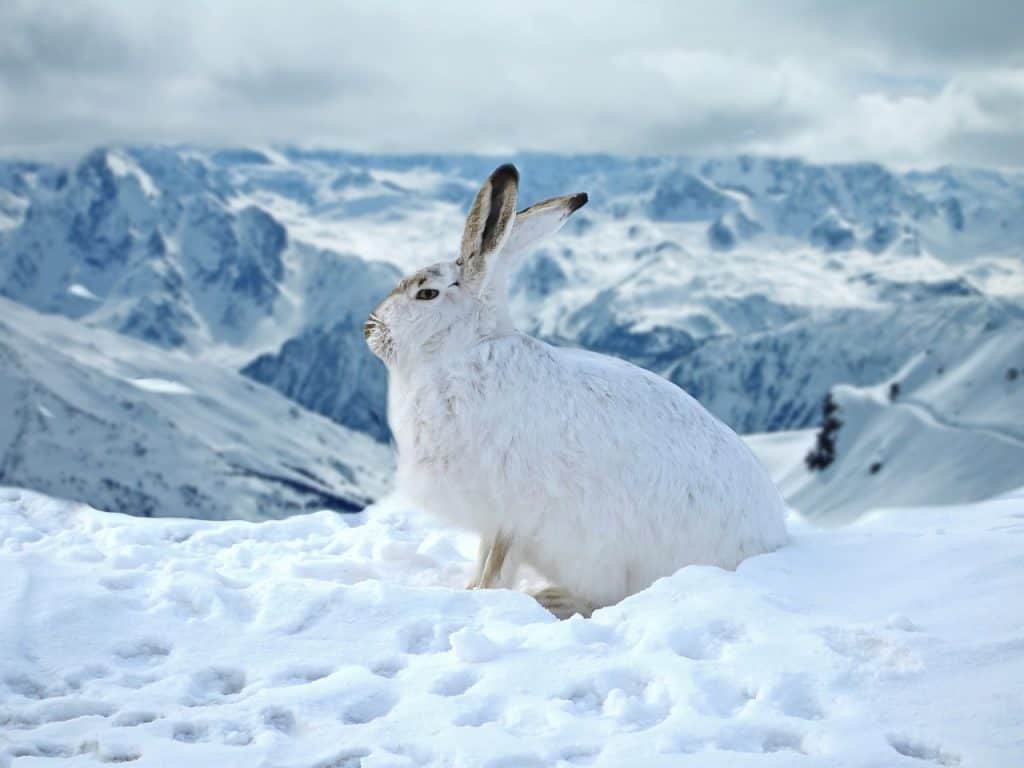
Cold Tolerance by Breed
Not all breeds are equal when it comes to cold. We have noticed significant differences across our breeding programs:
- New Zealand Whites and Californians: Dense coats provide solid cold tolerance. These meat breeds do well in temperatures as low as 25°F (-4°C) with basic shelter.
- Rex breeds: Their short, velvety fur offers less insulation. We bring Rex rabbits inside or add extra bedding when temperatures drop below 40°F (4°C).
- Angoras: Dense wool is deceptive. Angoras can overheat in warm conditions and may struggle with wet cold if their fur mats down. Keep them dry.
- Mini breeds and dwarfs: Smaller body mass means faster heat loss. Treat miniature breeds more like cats than cold-hardy working rabbits.
- Lionheads: The mane is decorative, not insulating. Their small body size makes them cold-sensitive despite the fluff.
If you are unsure how your specific breed handles cold, check out how rabbits respond to snow and cold conditions for more detail on breed behavior.
Special Cold Risks for Kits
Newborn kits are hairless and cannot regulate their own body temperature for the first two weeks of life. A single night below 50°F (10°C) without a proper nest can kill an entire litter.
We always make sure our does have deep nest boxes with plenty of clean hay or straw before kindling. If temperatures drop unexpectedly, we move nest boxes indoors until conditions stabilize. Never assume the doe's body heat alone will be enough in a cold snap.
How to Keep Rabbits Warm Safely
When temperatures drop, we use these methods in order of preference:
- Move hutches or cages into an enclosed barn or garage
- Add deep bedding, at least 4 to 6 inches of straw or hay
- Cover the front of wire cages with burlap or old carpet (leaving ventilation)
- Use ceramic heat emitters rated for livestock (not heat lamps, which are a fire risk)
- Provide extra calories in winter, since metabolism runs higher in cold
One thing we do not do: use electric blankets or human heating pads directly inside cages. These create hotspots, chew hazards, and moisture problems. Stick to proven livestock solutions.
A well-designed hutch makes temperature management much easier. See our guide on what a rabbit needs in its hutch for full setup recommendations.
How Well Do Rabbits Tolerate Heat?
Heat is where rabbits are genuinely vulnerable. Unlike cats or dogs, rabbits cannot pant effectively. They dissipate heat primarily through their ears, and when the air temperature approaches body temperature, that system breaks down entirely.
Heatstroke can develop in under an hour when temperatures exceed 85°F (29°C). We have lost rabbits to heat before we became experienced, and it is a lesson you only need to learn once. Summer management is not optional.

Signs of Heat Stress in Rabbits
Catching heat stress early saves lives. As breeders, we check animals more frequently during summer heat waves. Watch for:
- Rapid, open-mouth breathing or panting
- Wet fur around the nose and mouth
- Limp or unresponsive posture
- Red or purple ears (blood vessels dilating to shed heat)
- Drooling
- Refusal to eat or drink
- Laying stretched out flat on a cool surface
If a rabbit is shaking and laying down, that is an emergency. Get them cooled immediately and contact a vet.
Cooling Methods That Actually Work
We have tested many approaches over the years. These are the ones we rely on:
- Frozen water bottles: Place 2-liter bottles of frozen water in the cage. Rabbits lean against them to cool down. Cheap, safe, and effective.
- Ceramic tiles: A cool tile gives the rabbit a surface to lie on that pulls heat away from their body.
- Fan circulation: Direct a fan across the rabbitry, not directly at individual cages. Airflow lowers the perceived temperature significantly.
- Shade: If rabbits are outdoors, ensure 100% shade during peak heat hours (10 a.m. to 4 p.m.).
- Misting systems: Overhead misters work well in dry climates. Avoid in humid regions, as wet fur can cause respiratory problems.
- Move indoors: On days above 85°F (29°C), indoor air conditioning is the only fully reliable solution.
Hydration is critical during heat. A rabbit that stops drinking will deteriorate fast. Learn the signs of dehydration in rabbits so you can catch problems early.
Heat Risk Factors Beyond Temperature
Temperature alone does not tell the whole story. Humidity compounds heat stress dramatically. A rabbit at 80°F (27°C) in 80% humidity faces far greater risk than one at 85°F (29°C) in dry desert heat.
Other factors that increase heat risk:
- Obesity: overweight rabbits regulate heat poorly
- Pregnancy or nursing: does carrying or feeding litters have higher metabolic heat
- Age: elderly and very young rabbits are more vulnerable
- Long or dense coats: Angoras and wooled breeds need extra attention
- Poor ventilation: enclosed hutches trap heat fast
Breed-Specific Temperature Recommendations
After years of managing multiple breeds simultaneously, we have developed specific guidelines for each type. General ranges are a starting point, but breed matters.
| Breed Type | Cold Minimum | Ideal Range | Heat Maximum |
|---|---|---|---|
| Large meat breeds (NZW, Californian) | 25°F (-4°C) | 50°F to 70°F (10°C to 21°C) | 82°F (28°C) |
| Rex breeds | 35°F (2°C) | 55°F to 68°F (13°C to 20°C) | 80°F (27°C) |
| Angora breeds | 40°F (4°C) | 55°F to 65°F (13°C to 18°C) | 75°F (24°C) |
| Dwarf and mini breeds | 40°F (4°C) | 58°F to 70°F (14°C to 21°C) | 80°F (27°C) |
| Holland Lop, Mini Lop | 40°F (4°C) | 55°F to 70°F (13°C to 21°C) | 80°F (27°C) |
Angoras deserve special mention. Their wool is extraordinarily dense, and they can overheat at temperatures that would be comfortable for other breeds. We clip our Angoras in late spring specifically to prepare them for summer.
How to Monitor Temperature in Your Rabbitry
Guessing is not a strategy. We use min-max thermometers in every barn and hutch area. These record the high and low over a 24-hour period, which is far more useful than a snapshot reading.
Digital wireless thermometers with alarms have been a significant upgrade for us. You can set alerts to notify you when temperatures go above or below thresholds, even overnight. The cost is minimal compared to a lost litter or a heat-stressed doe.
Placement Tips for Accurate Readings
- Mount the sensor at cage level, not at human head height
- Keep it out of direct sunlight, which inflates readings
- Place away from doors and windows where drafts skew the data
- Check calibration annually, since cheap sensors drift over time
Seasonal Management: What We Do Every Year
Temperature management is not reactive. As breeders, we prepare for seasonal changes weeks in advance.
Spring Preparation
- Remove winter insulation from hutches to improve airflow
- Check fan motors and misting systems before the first hot day
- Stock up on frozen water bottles
- Clip heavy-coated breeds
Fall Preparation
- Add bedding depth to hutches before the first frost
- Inspect heat emitters and replace as needed
- Check that nest boxes are in good condition for winter kindling
- Confirm barn insulation is intact
The transition seasons, spring and fall, are when we see the most temperature-related problems. A warm week in March followed by a hard frost can catch you off guard. We check forecasts weekly and act early rather than scrambling when a cold snap hits.
What About Indoor House Rabbits?
Pet rabbits kept indoors have a different set of concerns. Most homes stay within the ideal range without any intervention, but there are specific situations to watch:
- Air conditioning vents: Direct cold drafts can cause respiratory problems. Do not place cages directly under A/C vents.
- Radiators and floor heating: Rabbits will seek warmth but can overheat if they have no escape from a heat source.
- Summer in non-air-conditioned homes: If your home regularly exceeds 80°F (27°C) in summer, you need a plan for your rabbit.
- Sunroom or conservatory placement: These spaces can exceed 100°F (38°C) in summer sun. Never leave a rabbit in a sunroom unsupervised in warm weather.
The RSPCA recommends keeping indoor rabbits between 60°F and 70°F (15°C to 21°C) and ensuring they are never exposed to direct sunlight through glass, which intensifies heat rapidly.
Emergency Response: Overheating and Hypothermia
Every breeder will eventually face a temperature emergency. Knowing what to do before it happens is the difference between losing an animal and saving one.
Treating a Rabbit for Heat Stress
- Move the rabbit immediately to a cool, shaded area
- Apply cool (not cold or icy) water to the ears, underside, and paws
- Do not submerge the rabbit in water, as shock can worsen outcomes
- Offer fresh, cool water but do not force-feed it
- Use a fan on low setting to increase evaporative cooling
- Call your vet if the rabbit does not improve within 10 to 15 minutes
Treating a Rabbit for Hypothermia
- Move the rabbit to a warm indoor space
- Wrap loosely in a warm towel, but do not overheat
- Place a warm (not hot) water bottle wrapped in a towel nearby
- Offer warm water to drink if the rabbit is alert
- Monitor closely for several hours
- Seek veterinary care if the rabbit remains unresponsive or lethargic
According to the House Rabbit Society, rabbits in thermal distress should be seen by a veterinarian promptly, even if they appear to recover, since internal damage may not be immediately visible.
Frequently Asked Questions
What temperature is too cold for a rabbit?
Healthy adult rabbits with proper shelter can handle temperatures down to about 20°F (-7°C). Below that, even cold-hardy breeds face serious risk. Kits, elderly rabbits, and short-coated breeds need protection at temperatures below 40°F (4°C). Always prioritize dry bedding and wind protection.
What temperature is too hot for a rabbit?
Temperatures above 85°F (29°C) are dangerous for rabbits and can cause heatstroke within an hour. We treat anything above 80°F (27°C) as a warning zone requiring active intervention. High humidity makes heat danger worse even at lower temperatures.
Can rabbits live outside in winter?
Yes, with proper shelter. Outdoor rabbits need a weatherproofed hutch with deep dry bedding, protection from wind and rain, and access to unfrozen water at all times. We bring vulnerable animals (kits, Rex breeds, elderly rabbits) indoors during hard freezes below 20°F (-7°C).
Do rabbits need a heater in winter?
Most healthy adult rabbits do not need artificial heat if they have proper insulation and shelter. In extreme climates, a ceramic heat emitter mounted safely above the cage can help. Avoid heat lamps, electric blankets, or pads inside cages. Good barn insulation and deep bedding are usually sufficient.
How do I know if my rabbit is too hot or too cold?
A too-hot rabbit will pant, have red hot ears, lay stretched out flat, and may drool. A too-cold rabbit will be hunched, shivering, and have cold ears and extremities. Normal rabbits are alert, have warm (not hot) ears, and move freely. When in doubt, take a temperature reading of the environment first.
Cite this article:
Cite this article:
BunnySync (February 24, 2026) What's the Ideal Temperature for Rabbits? Complete Guide. Retrieved from https://bunnysync.com/blog/ideal-temperature-for-rabbits.
"What's the Ideal Temperature for Rabbits? Complete Guide." BunnySync - February 24, 2026, https://bunnysync.com/blog/ideal-temperature-for-rabbits