If your rabbit's nail is bleeding, apply styptic powder directly to the nail to stop the bleeding immediately. If you do not have styptic powder on hand, cornstarch or all-purpose flour work as effective alternatives. Press the powder firmly against the bleeding nail for 30 to 60 seconds, and the bleeding should stop. Rabbit nail bleeding is one of the most common grooming injuries we deal with as breeders, and it is almost always easy to treat at home with the right supplies.
Nail bleeding typically happens during trims when the quick, the blood vessel inside the nail, gets clipped too short. It can also occur if your rabbit catches a nail on cage wire, carpet fibers, or other surfaces. While it looks alarming, a bleeding nail is rarely a medical emergency.
How Do You Stop a Rabbit's Nail From Bleeding?
Stopping a rabbit's bleeding nail requires quick action and the right supplies. Here is a step-by-step process that works every time.
Step 1: Stay Calm and Secure Your Rabbit
Your rabbit will pick up on your stress, so stay composed. Wrap your rabbit gently in a towel to keep them still and prevent them from kicking. A panicked rabbit that kicks hard can injure their spine, so keeping them secure is essential. If your rabbit is very anxious, learn how to calm down a scared rabbit before attempting treatment.
Step 2: Apply Styptic Powder
Styptic powder is the gold standard for stopping nail bleeding in rabbits. Dip the bleeding nail directly into a small container of styptic powder, or press a pinch of powder firmly against the tip of the nail. Hold it in place for 30 to 60 seconds. The powder contains ferric subsulfate, which contracts blood vessels and promotes clotting almost instantly.
If you trim your rabbit's nails regularly, you should always have styptic powder within arm's reach. Products like Kwik Stop are inexpensive and available at most pet stores. One container lasts for years.
Step 3: Use Cornstarch or Flour as Alternatives
If you do not have styptic powder, cornstarch and all-purpose flour both work well. Pour a small amount into a dish and press your rabbit's bleeding nail into it. Hold the nail against the powder for at least 60 seconds. You may need to repeat this two or three times because these alternatives are not as fast-acting as styptic powder.
A bar of unscented soap can also work in a pinch. Drag the bleeding nail across the dry soap bar to create a plug over the wound. This method is less reliable than powder-based options but can buy you time while you locate better supplies.
Step 4: Clean the Wound
Once the bleeding has stopped, gently clean the area with diluted betadine (povidone-iodine) solution. Mix it with water until it looks like weak tea, then dab it on the nail with a cotton ball. This prevents bacteria from entering the exposed quick and causing infection.
Avoid using hydrogen peroxide or alcohol on the wound. Both are too harsh for rabbits and can damage healthy tissue, which slows the healing process.
Step 5: Monitor for the Next 24 to 48 Hours
Check the affected nail several times over the next two days. Look for swelling, redness around the nail bed, discharge, or your rabbit favoring that foot. These are signs of infection that need veterinary attention. Also watch that your rabbit does not lick or chew at the wound excessively, as this can reopen it or introduce bacteria.
| Method | Effectiveness | How Long to Hold | Availability |
|---|---|---|---|
| Styptic powder | Excellent | 30 to 60 seconds | Pet stores |
| Cornstarch | Good | 60+ seconds | Kitchen pantry |
| All-purpose flour | Good | 60+ seconds | Kitchen pantry |
| Bar soap (unscented) | Moderate | 30 to 60 seconds | Bathroom |
Will a Rabbit's Nail Stop Bleeding on Its Own?
A minor nick to the quick will usually stop bleeding on its own within 5 to 10 minutes. The quick has a small blood vessel running through it, and minor cuts clot naturally just like any small wound. If the bleeding is barely noticeable and your rabbit is not distressed, simply keep them calm and monitor the nail.
However, if you cut deep into the quick or if the nail was ripped or torn, the bleeding can be persistent. In these cases, you should intervene with styptic powder or cornstarch rather than waiting. Rabbits have a relatively small blood volume for their body size, so while a single bleeding nail is unlikely to cause serious blood loss, there is no reason to let it bleed when stopping it takes seconds.
If bleeding continues for more than 10 minutes despite applying pressure and styptic powder, contact your veterinarian. Persistent bleeding can occasionally indicate a clotting disorder or a deeper injury than a simple quick nick.
What Causes a Rabbit's Nail to Bleed?
Understanding why rabbit nails bleed helps you prevent it from happening again. Here are the most common causes.
Cutting the Quick During Nail Trims
This is by far the most common cause. The quick is the pink blood vessel visible inside light-colored nails. When you clip too close to or into the quick, it bleeds. Rabbits with dark nails make this especially tricky because the quick is not visible through the nail.
To avoid cutting the quick, trim only small amounts at a time. For dark nails, use a flashlight or phone light held behind the nail to illuminate the quick. Trim just the tip, about 2 millimeters at a time, and stop as soon as the center of the nail starts looking pink or moist.
Torn or Ripped Nails From Overgrowth
Overgrown nails are more likely to catch on cage wire, carpet loops, blankets, or hay racks. When a long nail snags and your rabbit pulls away, the nail can tear partially or completely from the nail bed. This is more painful and bleeds more heavily than a trimming accident.
Keeping your rabbit's nails properly trimmed is the best prevention. Learn how long rabbit nails should be to determine when they need a trim.
Rough or Unsafe Cage Flooring
Wire-bottom cages can catch and bend nails, leading to cracks or breaks. Rough metal edges on cage doors or hay feeders are also common culprits. If your rabbit repeatedly has nail injuries, inspect their living space carefully and cover or replace any surfaces that could catch their nails.
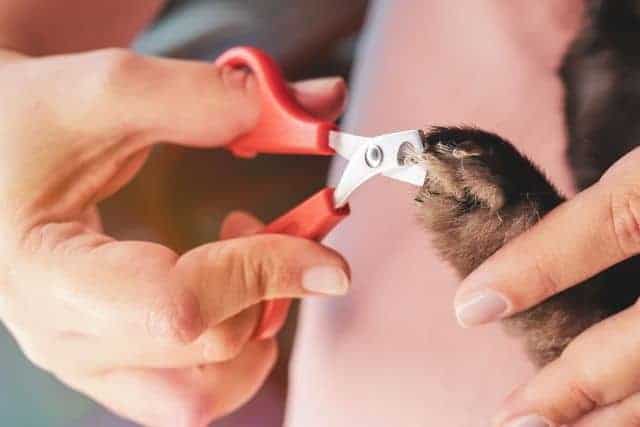
How to Trim Your Rabbit's Nails Without Hitting the Quick
Proper nail trimming technique is the best way to prevent bleeding in the first place. Here is how experienced breeders do it.
Choose the Right Tools
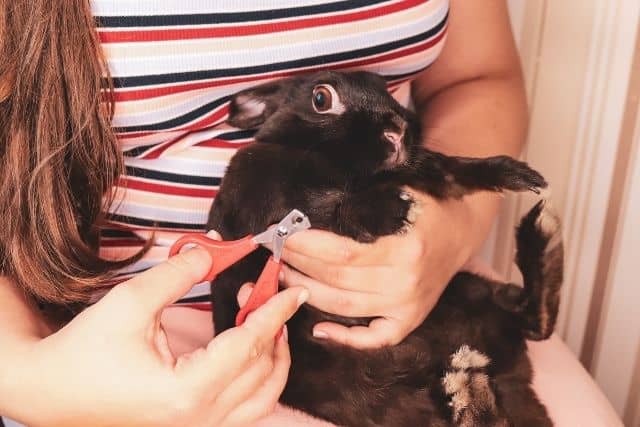
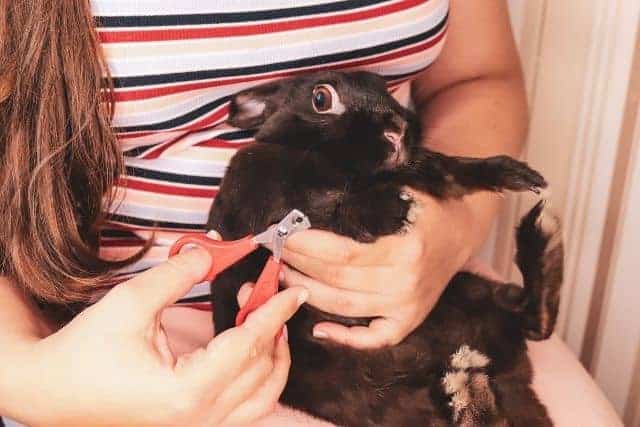
Use small animal nail clippers or cat nail clippers. Human nail clippers can work for small rabbits but tend to crush the nail rather than cut it cleanly. Guillotine-style clippers or scissor-style clippers designed for small pets give the cleanest cuts.
Identify the Quick Before You Cut
On light-colored nails, the quick is the pink section visible inside the nail. You want to cut about 2 millimeters past where the quick ends. On dark nails, shine a flashlight behind the nail. The quick will appear as a darker shadow inside the nail.
If you absolutely cannot see the quick, trim conservatively. Cut just 2 millimeters from the tip, wait a week, and trim again. Regular trimming causes the quick to recede over time, making future trims easier and safer.
Trim Every 4 to 6 Weeks
Most rabbits need nail trims every 4 to 6 weeks. Some rabbits that are active on rough surfaces may go longer between trims. Check your rabbit's nails weekly by looking at their paws. If the nails extend past the fur on their feet or start curving, it is time for a trim.
If you want to reduce how often you need to clip, you can wear down your rabbit's claws naturally by providing rough surfaces like stone tiles or concrete pavers in their play area.
Positioning Your Rabbit for Nail Trims
The easiest method is the "burrito wrap." Place your rabbit on a towel, fold the sides over them snugly, and expose one paw at a time. This prevents kicking and keeps them feeling secure. Some breeders prefer to hold the rabbit on their lap with the belly up, but this position stresses many rabbits. Choose whichever method keeps your rabbit calmest.
Having a second person help makes the process much smoother. One person holds the rabbit while the other clips. This is especially useful if your rabbit is not used to nail trims or tends to squirm.
How to Protect Your Rabbit's Nails From Future Injuries
Prevention is always better than dealing with a bleeding nail. Here are the best strategies for keeping your rabbit's nails in good shape.
Maintain a Regular Trimming Schedule
Overgrown nails are the number one cause of nail injuries in pet rabbits. When nails get too long, they curve and catch on surfaces easily. They can also cause your rabbit to shift their weight onto their heels, which leads to a painful condition called sore hocks. Set a recurring reminder every 4 to 6 weeks and stick to it.
Provide Natural Filing Surfaces
Place a rough stone tile, a concrete paver, or a slate tile in your rabbit's enclosure. Position it near their food or water so they walk over it frequently. This mimics the natural rock and hard ground that wild rabbits walk on, which keeps their nails worn down. It will not replace trimming entirely, but it can extend the time between trims significantly.
Inspect the Living Space Regularly
Check cage wire, door latches, hay racks, and any metal or plastic components for rough edges or gaps where nails could catch. Loose carpet threads and fabric tunnels with worn spots are also common hazards. Fix or replace anything that could snag a nail.
Monitor Nail Health During Handling
Every time you pick up your rabbit, take a quick look at their nails. Check for cracks, splits, discoloration, or nails that are growing in a curved or twisted direction. Catching problems early prevents painful tears later. If you notice signs of stress in your rabbit when you handle their paws, work on desensitization gradually by touching their feet during calm bonding sessions.

Will a Ripped Rabbit Toenail Grow Back?
In most cases, yes. A rabbit's toenail will typically grow back within 4 to 6 months if the nail bed is intact. The nail bed is the tissue at the base of the nail that produces new nail growth. As long as this tissue is not severely damaged, the nail will regenerate fully.
If the nail bed is badly injured, scar tissue may form and interfere with regrowth. In these cases, the nail may grow back partially, grow in a distorted shape, or not grow back at all. A nail that does not grow back is usually not a significant problem for your rabbit. They can walk, hop, and dig normally with a missing nail.
During the regrowth period, keep the affected toe clean and dry. Check it weekly for signs of infection such as swelling, redness, warmth, or pus. If the toe looks normal and your rabbit is using the foot without limping, the healing is progressing well.
When Should You Take Your Rabbit to the Vet for a Bleeding Nail?
Most bleeding nails can be handled at home, but certain situations require veterinary care. Take your rabbit to the vet if you notice any of the following.
- Bleeding does not stop after 10 minutes of continuous pressure with styptic powder or cornstarch.
- The entire nail was ripped out, exposing raw tissue at the nail bed.
- The toe is swollen, red, or warm 24 to 48 hours after the injury, which indicates infection.
- Your rabbit is limping or refusing to put weight on the affected foot after the bleeding has stopped.
- There is discharge or a foul smell coming from the nail area.
- Your rabbit is lethargic or not eating after the injury, which could indicate pain or a secondary issue.
According to the RSPCA, regular nail maintenance is an essential part of rabbit care, and any nail injury that does not resolve quickly at home warrants a vet visit.
Essential Supplies for Your Rabbit First Aid Kit
Every rabbit owner should have a basic first aid kit ready for nail emergencies and other minor injuries. Here is what to include for nail-related incidents.
| Supply | Purpose | Where to Buy |
|---|---|---|
| Styptic powder (Kwik Stop) | Stops nail bleeding instantly | Pet stores, online retailers |
| Cornstarch | Backup for stopping bleeding | Grocery store |
| Betadine (povidone-iodine) | Wound disinfection | Pharmacy |
| Cotton balls or gauze pads | Applying antiseptic and pressure | Pharmacy |
| Small towel | Wrapping and securing rabbit | Home |
| Small animal nail clippers | Proper nail trimming | Pet stores |
| Flashlight or pen light | Locating quick in dark nails | Hardware store |
Keep these supplies together in a small container near where you groom your rabbit. Having everything within arm's reach during a trim means you can act immediately if you nick the quick.
Frequently Asked Questions
Can a rabbit die from a bleeding nail?
It is extremely unlikely for a rabbit to die from a single bleeding nail. The blood loss from a quick nick is minimal, usually just a few drops. However, if bleeding goes untreated for an extended period or if the wound becomes severely infected, complications can arise. Always stop the bleeding promptly and keep the wound clean to avoid any risk.
How long does it take for the quick to heal after being cut?
The quick typically heals within 3 to 7 days after being cut. You may notice your rabbit favoring the paw for the first day or two, which is normal. The exposed quick scabs over and new tissue covers it within a week. Full nail regrowth to its original length takes 4 to 6 months.
Can I use a human bandage on my rabbit's bleeding nail?
Bandaging a rabbit's foot is not recommended unless instructed by a vet. Rabbits chew off bandages quickly, and wrapping too tightly can cut off circulation to the toes. Styptic powder or cornstarch applied directly to the nail is more effective and safer than attempting to bandage the area.
Is it normal for the quick to bleed a lot?
A small amount of blood is normal when the quick is nicked. It can look alarming because the blood smears on fur and surfaces, but the actual volume is typically just a few drops. If the bleeding is heavy or does not slow down, the cut may be deeper than a standard quick nick. Apply styptic powder immediately and contact your vet if it does not stop within 10 minutes.
Should I avoid trimming my rabbit's nails to prevent bleeding?
No. Skipping nail trims causes nails to grow too long, which increases the risk of painful tears and injuries that bleed much worse than a trim accident. Regular trimming every 4 to 6 weeks, done carefully with proper tools, is far safer than letting nails grow unchecked. According to The Spruce Pets, routine nail care is one of the most important grooming tasks for rabbit owners.
Cite this article:
Cite this article:
BunnySync (March 4, 2026) What To Do If Your Rabbit's Nail Is Bleeding? Complete First Aid Guide. Retrieved from https://bunnysync.com/blog/rabbit-nail-bleeding.
"What To Do If Your Rabbit's Nail Is Bleeding? Complete First Aid Guide." BunnySync - March 4, 2026, https://bunnysync.com/blog/rabbit-nail-bleeding