You can wear down your rabbit's claws naturally by letting them walk on rough surfaces, providing a scratch pad, setting up a digging box, or adding textured tiles to their enclosure. These methods use your rabbit's natural digging and running instincts to keep their nails at a healthy length between trims.
That said, natural wear alone rarely eliminates the need for trimming entirely. Most pet rabbits still need their nails checked every 4 to 6 weeks. But combining these methods with regular grooming can significantly reduce how often you need to reach for the clippers, and it keeps your rabbit active and enriched at the same time.
Below, we cover six practical ways to file down your rabbit's claws naturally, when you still need to trim, and how to tell if your rabbit's nails are too long.
Why Do Rabbit Claws Get So Long in the First Place?
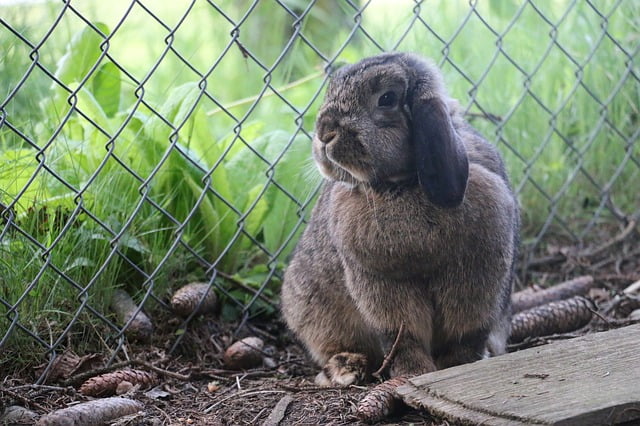
Wild rabbits spend hours every day digging burrows, running across rocky ground, and scratching at hard-packed soil. All of that contact with abrasive surfaces keeps their nails naturally worn down. A wild rabbit's daily routine is essentially a full nail-filing session.
Pet rabbits live a very different life. They walk on carpet, laminate, tile, or soft bedding. None of these surfaces create enough friction to wear down keratin, the same protein that makes up human fingernails. Without that natural abrasion, their claws just keep growing.
Rabbit nails grow continuously throughout their life, similar to rabbit teeth that can become dangerously overgrown without proper wear. On average, a rabbit's nails grow about 1 to 2 millimeters per week. That may not sound like much, but over two months without any wear or trimming, nails can grow nearly a centimeter longer than they should be.
The result? Nails that curl, snag on fabric, change the angle of your rabbit's feet, and eventually cause pain or injury. That is why providing opportunities for natural wear is so important.
6 Ways To Naturally Wear Down Your Rabbit's Claws
1. Let Your Rabbit Play on Rough Outdoor Surfaces
The most effective natural method is also the simplest: let your rabbit spend time outside on rough ground. Concrete, pavers, flagstone, and packed dirt all create friction against your rabbit's nails as they run, hop, and explore.
Aim for at least 1 to 2 hours of outdoor playtime daily on a rough surface. A secure outdoor pen on a patio or concrete path works well. If your yard is all soft grass, that won't provide much filing action, so position the pen to include a section of harder ground.
Keep these safety points in mind when letting your rabbit play outside:
- Always supervise outdoor time to watch for predators
- Provide shade and fresh water, especially in warm weather
- Check the surface temperature first. Concrete in direct summer sun can burn paw pads
- Make sure the area is free of pesticides, fertilizers, and toxic plants
- Use a secure pen or exercise run so your rabbit cannot bolt
Outdoor play also provides essential exercise that keeps your rabbit healthy and prevents obesity, muscle loss, and boredom-related behavior problems.
2. Use a Scratch Pad or Nail Filing Board
A scratch pad is a flat board covered in a rough, abrasive material that files your rabbit's nails as they dig and scratch at it. You can buy commercial ones designed for small animals, or you can make your own by attaching fine-grit sandpaper (around 120 to 150 grit) to a flat piece of wood or a ceramic tile.
Place the scratch pad in an area where your rabbit naturally digs or plays. Many rabbits will use it instinctively because digging is hardwired into their behavior. If your rabbit ignores it at first, try sprinkling a few treats on the surface or placing a thin layer of hay over it to encourage interaction.
Tips for effective scratch pad use:
- Replace the sandpaper or abrasive surface when it becomes smooth (usually every 2 to 3 months)
- Use a grit that is rough enough to file nails but not so coarse that it irritates paw pads. 120 to 150 grit is the sweet spot
- Secure the pad so it doesn't slide around when your rabbit digs on it
- Place it near their litter box or favorite digging spot for maximum use
3. Set Up a Digging Box
A digging box satisfies your rabbit's natural burrowing instinct while providing gentle nail wear. Fill a sturdy plastic storage bin or wooden box with a safe digging material that creates some friction against the nails.
Good filling options include:
| Material | Nail Filing Effectiveness | Safety Notes |
|---|---|---|
| Shredded newspaper | Low | Safe, but minimal abrasion |
| Clean soil or sand | Medium to High | Best for natural wear, closest to wild conditions |
| Hay and dried leaves | Low to Medium | Safe and edible, moderate friction |
| Fleece strips | Low | Good enrichment, but minimal filing |
| Child-safe play sand | High | Excellent abrasion, ensure it is dust-free |
For maximum nail-filing benefit, use clean soil or child-safe play sand. These materials closely mimic the conditions wild rabbits dig in, and the gritty texture provides real abrasion against the nails.
Here is a helpful video showing how to build a simple digging box for your rabbit:
If you notice your rabbit digging on you instead of in their box, that is actually a sign they crave more digging opportunities. Redirect them to the digging box and reward them when they use it.
4. Add Textured Tiles to Their Living Area
One of the easiest passive methods is placing rough-textured tiles or stone slabs in your rabbit's enclosure. Every time they walk, hop, or run across these surfaces, their nails get a small amount of filing.
Unglazed ceramic tiles, slate tiles, or natural stone pavers work well. You can place them:
- Under their water bottle or food bowl, so they stand on the rough surface while eating and drinking
- At the entrance to their litter box
- Along a frequently traveled path in their exercise area
- As a cool resting spot (rabbits often prefer lying on cool stone in warm weather)
Avoid glazed or polished tiles, as they are too smooth to provide any filing action and can be slippery. The goal is a surface with just enough texture to create friction without being uncomfortable to walk on.
5. Provide a Concrete or Stone Stepping Platform
A flat concrete paver or natural stone slab placed at a height your rabbit needs to hop onto creates a double benefit: the impact of landing files the nails, and the rough surface provides friction. Think of it as a filing station your rabbit uses every time they jump up to their favorite resting spot.
Place the platform in a spot your rabbit already likes to perch, or use it as a step between the floor and a higher resting area. Many breeders use a concrete paver as a shelf inside a large enclosure. The rabbit hops on and off it dozens of times a day, and over weeks, this adds up to meaningful nail wear.
Make sure the platform is stable and will not tip when your rabbit lands on the edge. A standard 12x12 inch concrete paver from any hardware store works perfectly and costs just a few dollars.
6. Increase Your Rabbit's Exercise and Activity
An active rabbit naturally wears down their nails faster than a sedentary one. The more your rabbit runs, hops, turns, and digs throughout the day, the more their nails contact surfaces and get filed down.
To boost activity levels:
- Provide a large exercise area (at least 24 square feet of free-roaming space)
- Rotate toys and enrichment items weekly to prevent boredom
- Set up obstacle courses with tunnels, ramps, and platforms
- Schedule at least 3 to 4 hours of free-roaming time outside their enclosure daily
- Pair a solo rabbit with a bonded companion to encourage play and chasing
Older rabbits and those who have been spayed or neutered sometimes become less active. For these rabbits, you may need to rely more on scratch pads and textured surfaces since they won't generate as much natural wear through activity alone.
How To Tell If Your Rabbit's Nails Are Too Long
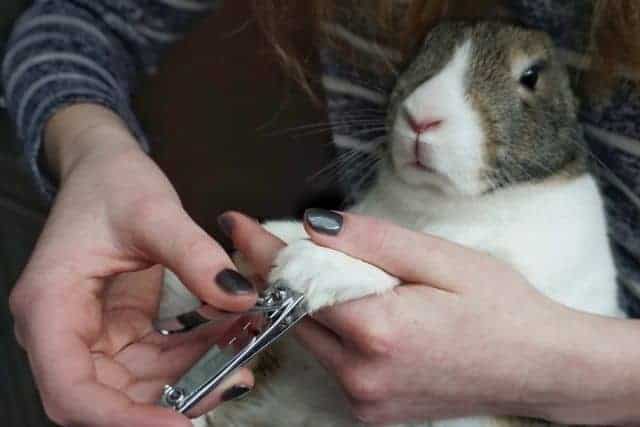
Even with all the natural wear methods above, you need to check your rabbit's nails regularly. Here are the signs that nails have grown too long:
- Curling: The nails start to curve or curl under the paw. This is the most obvious sign
- Snagging: Your rabbit's nails catch on carpet, towels, or fleece bedding
- Splayed toes: The toes spread apart when your rabbit stands on a flat surface because the long nails force the foot into an unnatural position
- Changed gait: Your rabbit walks awkwardly, shifts weight to the back of the foot, or seems reluctant to hop
- Visible quick: On light-colored nails, you can see the pink blood vessel (quick) easily. The nail tip should extend only about 2 to 3 millimeters beyond the quick
For a detailed guide on the correct nail length for rabbits of different sizes, check our article on how long rabbit nails should be.
What Happens If You Don't Trim or Wear Down Your Rabbit's Nails?
Ignoring overgrown nails leads to real problems. It is not just a cosmetic issue. Here is what can happen:
Pain and mobility issues: Long nails change the angle of the foot. Your rabbit ends up walking on the sides of their toes instead of the pads, which causes pain, sore hocks, and joint stress over time.
Broken or torn nails: Overgrown nails are more likely to snag and tear. A torn nail exposes the quick and causes bleeding, pain, and risk of infection. If this happens, our guide on what to do if your rabbit's nail is bleeding walks you through first aid steps.
Scratches and injuries: Sharp, overgrown nails can scratch you, your children, or other pets during handling. Rabbits with long nails also scratch themselves more when grooming.
Infection: Nails that curl into the paw pad can puncture the skin, creating an entry point for bacteria. This can lead to painful abscesses that require veterinary treatment.
Behavioral changes: Rabbits in pain from overgrown nails may become stressed and withdrawn, refuse to move around, or become aggressive when handled.
Do Natural Methods Replace Nail Trimming Completely?
For most pet rabbits, no. Natural wear methods reduce how often you need to trim, but they rarely eliminate trimming entirely. Here is a realistic comparison:
| Scenario | How Often You'll Still Need to Trim |
|---|---|
| No natural wear (indoor rabbit on carpet) | Every 4 to 6 weeks |
| Some natural wear (textured tiles, digging box) | Every 6 to 8 weeks |
| Heavy natural wear (daily outdoor time on concrete, scratch pads) | Every 8 to 12 weeks |
| Wild-like conditions (housed outdoors on natural ground full-time) | Rarely, but still check monthly |
The front nails typically wear down faster than the back nails because rabbits dig with their front paws. You may find that you only need to trim the hind nails while the front ones stay at a good length on their own.
Check all four paws at least once a month, regardless of what natural wear methods you use. A quick inspection takes 30 seconds and prevents problems from sneaking up on you.
Tips for Trimming When Natural Wear Is Not Enough
When you do need to trim, here are some practical tips to make it easier on both you and your rabbit:
- Use proper rabbit nail clippers. Small animal guillotine-style clippers or sharp cat nail clippers work best. Human nail clippers can crush the nail.
- Identify the quick before cutting. On light nails, the quick is visible as a pink line inside the nail. On dark nails, shine a flashlight behind the nail to illuminate it.
- Cut 2 to 3 millimeters beyond the quick. This leaves a safe margin. If you are nervous, trim less and do it more frequently.
- Have styptic powder on hand. If you accidentally cut the quick, styptic powder (or cornstarch in a pinch) stops the bleeding within seconds.
- Wrap your rabbit in a towel. A "bunny burrito" keeps them still and calm. Only expose one paw at a time.
- Trim after exercise. A tired rabbit is calmer and more cooperative. Schedule grooming after their daily play session.
- Ask for help. If you have never trimmed rabbit nails before, ask your vet or an experienced breeder to demonstrate the first time.
How Often Should You Check Your Rabbit's Nails?
As a general rule, check your rabbit's nails at least once every two weeks. You don't need to trim every time you check, but regular inspections let you catch overgrowth early before it becomes a problem.
During your check, gently hold each paw and look at the nails from the side. The nail should curve gently downward without touching or digging into the paw pad. If any nail extends more than about 3 millimeters past the quick, it is time to trim.
Here is a quick inspection schedule that works well for most rabbit owners:
- Every 2 weeks: Visual nail check during regular handling or grooming
- Every 4 to 6 weeks: Full nail trim if natural wear is not keeping up
- Every 3 months: Evaluate your natural wear setup. Is your rabbit actually using the scratch pad? Are the tiles still rough enough? Adjust as needed
Frequently Asked Questions
Can rabbits wear down their nails on carpet?
No. Carpet is too soft and flexible to file down rabbit nails. While running on carpet provides exercise, the fibers do not create enough friction against the hard keratin of the nail. In fact, long nails are more likely to snag on carpet loops, which can cause painful tears. Use hard, rough surfaces like concrete, stone, or textured ceramic tiles for natural nail wear.
How short should I keep my rabbit's nails?
Trim or file nails to about 2 to 3 millimeters past the quick, the pink blood vessel visible inside the nail. The nail should not touch the ground when your rabbit is standing on a flat surface with proper posture. For breed-specific guidelines, see our guide on proper rabbit nail length.
Is it safe to use sandpaper to file rabbit nails?
Yes, when used correctly. Fine-grit sandpaper (120 to 150 grit) attached to a flat board works as an effective scratch pad. Avoid coarse grits below 80, as these can irritate your rabbit's paw pads. Never hold your rabbit and manually file their nails with sandpaper, as the friction can generate heat and cause discomfort. Let your rabbit walk and dig on the surface voluntarily.
Do older rabbits need their nails trimmed more often?
Usually, yes. Older rabbits tend to be less active, so their nails experience less natural wear. Senior rabbits may also have thicker, harder nails that grow slightly faster. Check their nails every 2 weeks and expect to trim every 4 to 5 weeks. Providing easy-to-access rough surfaces near their resting area helps compensate for reduced activity.
What should I do if I cut my rabbit's nail too short?
Apply styptic powder or cornstarch directly to the bleeding nail tip and hold gentle pressure for 30 to 60 seconds. The bleeding should stop within a minute or two. Keep your rabbit calm and on a clean surface to prevent dirt from entering the wound. If bleeding continues for more than 5 minutes, contact your veterinarian.
Cite this article:
Cite this article:
BunnySync (March 10, 2026) How To Wear Down Your Rabbit's Claws: 6 Natural Methods That Work. Retrieved from https://bunnysync.com/blog/how-to-wear-down-rabbits-claws.
"How To Wear Down Your Rabbit's Claws: 6 Natural Methods That Work." BunnySync - March 10, 2026, https://bunnysync.com/blog/how-to-wear-down-rabbits-claws