No, rabbits should not eat raisins as a regular part of their diet. While raisins are not toxic to rabbits, they are extremely high in concentrated sugar and can cause serious digestive problems if overfed. A small raisin once or twice per week is the absolute maximum for an adult rabbit over 7 months old. Raisins are essentially dried grapes with all the sugar concentrated into a tiny package, making portion control critical for your rabbit's health.
As breeders, we have seen firsthand how quickly sugary treats like raisins can upset a rabbit's delicate gut flora. This guide covers everything you need to know about feeding raisins safely, proper portion sizes by breed, the risks of overfeeding, and healthier alternatives that your rabbit will enjoy just as much.
Are Raisins Safe for Rabbits to Eat?
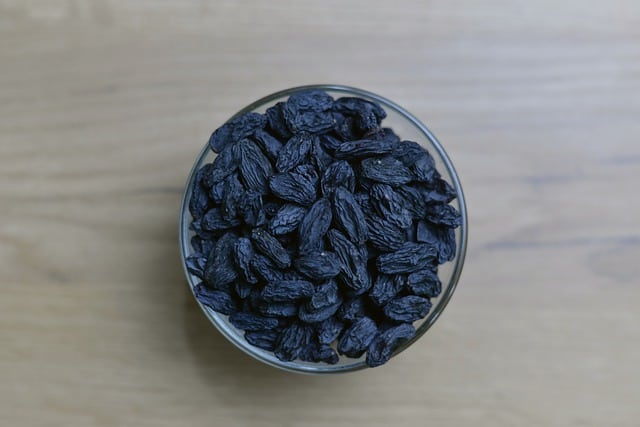
Raisins are technically safe for rabbits in very small quantities, but they come with significant caveats. The drying process that turns grapes into raisins removes water while concentrating the natural sugars. A single raisin contains roughly the same amount of sugar as a whole grape, packed into a fraction of the size. This means it is very easy to accidentally overfeed your rabbit.
For a raisin to be safe, three conditions must be met:
- Your rabbit must be at least 7 months old. Young rabbits have developing digestive systems that cannot handle concentrated sugars.
- You must limit raisins to 1-2 times per week. This is a treat, not a dietary staple.
- Your rabbit must be in good digestive health. If your rabbit has had recent bouts of soft stool, stopped pooping, or shown signs of GI discomfort, skip the raisins entirely.
Raisins should never replace hay, fresh vegetables, or pellets in your rabbit's diet. They exist purely as an occasional reward or training aid.
Nutritional Profile of Raisins for Rabbits
Understanding what raisins contain helps explain why portion control matters so much. Here is a breakdown of the key nutrients in 100 grams of seedless raisins:
| Nutrient | Amount per 100g | Relevance for Rabbits |
|---|---|---|
| Calories | 299 kcal | Very high for a rabbit treat |
| Sugar | 59.2g | Extremely high, main concern |
| Fiber | 3.7g | Low compared to hay |
| Potassium | 749mg | Beneficial in small amounts |
| Calcium | 50mg | Moderate, watch in prone rabbits |
| Phosphorus | 101mg | Acceptable range |
| Iron | 1.88mg | Trace benefit |
| Vitamin B6 | 0.17mg | Supports metabolism |
The standout number here is sugar at 59.2 grams per 100 grams. That means raisins are nearly 60% sugar by weight. For context, rabbits in the wild consume almost no concentrated sugar. Their digestive systems evolved to process high-fiber, low-sugar foods like grass and leafy greens.
The small amounts of potassium, B vitamins, and iron in raisins do offer minor health benefits, but you should never rely on raisins to meet any nutritional requirement. Your rabbit's hay intake and daily vegetables provide all the nutrition they need.
How Many Raisins Can a Rabbit Eat?
The correct portion of raisins depends on your rabbit's body weight and breed size. As a general rule, treats (including raisins) should make up no more than 1% of your rabbit's total daily food intake. Here are specific guidelines:
| Rabbit Size | Weight Range | Maximum Raisins (1-2x per week) |
|---|---|---|
| Small breed (Netherland Dwarf, Mini Rex) | 1.1 to 3.5 lbs (0.5-1.6 kg) | 1-2 raisins |
| Medium breed (Dutch, Mini Lop) | 6 to 10 lbs (2.7-4.5 kg) | 3-4 raisins |
| Large breed (New Zealand, Flemish Giant) | 9 to 14+ lbs (4-6.3+ kg) | 4-6 raisins |
Notice we are talking about individual raisins, not tablespoons or handfuls. A single raisin weighs approximately 0.5 grams, so even 6 raisins total only 3 grams. That tiny amount is enough to serve as a rewarding treat without overwhelming your rabbit's digestive system.
How to Introduce Raisins to Your Rabbit
If your rabbit has never eaten raisins before, follow this introduction protocol:
- Start with half a raisin. Give your rabbit a small piece and wait 24 hours.
- Monitor their droppings. Normal, round, dry pellets mean their gut handled it well. Soft, misshapen, or absent droppings indicate a problem.
- Increase slowly. If the first test goes well, try one full raisin the following week.
- Watch for 48 hours. Some digestive reactions take a day or two to appear.
- Settle into a routine. Once your rabbit tolerates raisins, you can offer the full breed-appropriate portion once or twice weekly.
Never introduce raisins at the same time as another new food. If your rabbit has a reaction, you need to know exactly which food caused it.
When Can Baby Rabbits Start Eating Raisins?
Baby rabbits and juveniles under 7 months old should not eat raisins at all. Their digestive systems are still developing the complex bacterial colonies needed to process sugary foods. Here is a complete age-based guide:
| Age | Raisins Allowed? | Notes |
|---|---|---|
| 0-7 weeks | No | Mother's milk and hay only |
| 7 weeks to 7 months | No | Focus on hay, pellets, and gradual veggie introduction |
| 7 months to 1 year | Yes, sparingly | Start with half portions from the table above |
| 1-5 years (adult) | Yes | Full breed-appropriate portions, 1-2x weekly |
| 6+ years (senior) | Ask your vet | Metabolism slows, sugar tolerance decreases |
Risks of Overfeeding Raisins to Rabbits
Raisins carry real health risks when fed in excess. These are not hypothetical concerns. Veterinarians and experienced breeders see these problems regularly in rabbits whose owners treat raisins as an everyday snack.
Gastrointestinal Stasis (GI Stasis)
GI stasis is the most dangerous potential consequence of overfeeding raisins. When a rabbit fills up on sugary treats instead of fiber-rich hay, their gut motility slows down or stops entirely. According to research published in the Veterinary Times, GI stasis can become life-threatening within 24-48 hours if untreated. Symptoms include a bloated belly, refusal to eat, hunched posture, and no droppings.
Obesity and Weight Gain
At 299 calories per 100 grams, raisins are calorie-dense. Rabbits that receive raisins daily, or in large portions, gain weight quickly. Obesity in rabbits leads to a cascade of secondary problems: fatty liver disease (hepatic lipidosis), difficulty grooming, uneaten cecotropes stuck to their fur, and increased strain on joints and the heart.
Dental Disease
Raisins are sticky and cling to teeth. The concentrated sugar feeds harmful bacteria in your rabbit's mouth, contributing to dental decay over time. Rabbits already need their teeth to wear evenly through chewing fibrous hay. When sugary treats reduce hay consumption, teeth can become overgrown or develop painful spurs.
Cecal Dysbiosis
Your rabbit's cecum contains billions of beneficial bacteria that ferment fiber into essential nutrients. Flooding this system with sugar disrupts the bacterial balance, a condition called cecal dysbiosis. Signs include soft, smelly cecotropes (the nutrient-rich droppings rabbits normally re-ingest), diarrhea, and a general decline in your rabbit's energy and appetite.
Diarrhea
Introducing too many raisins too quickly, or giving them to a rabbit with an already sensitive stomach, can trigger loose stools or true diarrhea. In rabbits, diarrhea is always a veterinary emergency because it causes rapid dehydration.
When Should You Avoid Giving Raisins Entirely?
There are several situations where raisins should be completely off the menu, regardless of your rabbit's age or size:
- During digestive upset: If your rabbit has soft stools, is producing fewer droppings than normal, or has stopped eating hay, remove all treats immediately and consult a veterinarian.
- After surgery: Post-operative rabbits need gentle, high-fiber diets to restart their gut. Sugar can delay recovery.
- For overweight rabbits: If your vet has flagged your rabbit as overweight, cut out all sugary treats including raisins until they reach a healthy weight.
- During antibiotic treatment: Antibiotics already disrupt gut flora. Adding sugar on top of that increases the risk of fatal enterotoxemia.
- For rabbits with dental problems: Sticky, sugary raisins will worsen existing dental issues.
Important:
Never give raisins to rabbits under 7 months old or rabbits experiencing any digestive problems.
Are Raisins Better or Worse Than Fresh Grapes for Rabbits?
Since raisins are simply dried grapes, many rabbit owners wonder which option is safer. The answer is straightforward: fresh grapes are a slightly better choice because they contain water, which dilutes the sugar concentration.
| Factor | Fresh Grapes | Raisins |
|---|---|---|
| Sugar per gram | ~16g per 100g | ~59g per 100g |
| Water content | ~81% | ~15% |
| Portion control | Easier (larger pieces) | Harder (small, easy to overfeed) |
| Stickiness on teeth | Low | High |
| Shelf life | 1-2 weeks | Months |
If you want to give your rabbit a grape-based treat, a single fresh grape cut in half is generally safer than multiple raisins. The water content helps your rabbit feel satisfied sooner, and the lower sugar concentration is easier on their gut.
Do Rabbits Actually Like Raisins?
Yes, most rabbits love raisins. The high sugar content makes them extremely palatable, which is precisely why they can be problematic. Rabbits do not have the ability to self-regulate sugar intake. If given free access to raisins, most rabbits would eat far more than is safe.
This strong preference makes raisins useful in specific scenarios:
- Training: A single raisin can motivate a rabbit to learn litter habits, come when called, or accept handling.
- Bonding: Hand-feeding a raisin builds trust between you and a new or shy rabbit.
- Medication: Some owners hide crushed medication inside a raisin to make dosing easier.
The key is using raisins as a high-value reward for specific purposes, not as an everyday snack.
Healthier Treat Alternatives to Raisins
If you want to give your rabbit variety without the sugar load of raisins, consider these safer alternatives. Fresh fruits contain water that dilutes the sugar, and herbs or leafy greens offer flavor without the caloric density.
Lower-Sugar Fruit Options
- Blueberries (1-2 berries, rich in antioxidants)
- Strawberries (one small berry, high in vitamin C)
- Cranberries (1-2 berries, lower sugar than most fruits)
- Blackberries (1-2 berries, good fiber content)
- Apple slices (remove seeds, one thin slice)
Herb-Based Treats
Herbs are particularly good alternatives because they provide flavor and enrichment with virtually no sugar. Most rabbits enjoy herbs just as much as fruit-based treats once they are introduced to them.
What About Sultanas and Currants?
Sultanas (golden raisins) and currants are closely related to standard raisins and follow the same feeding guidelines. All three are dried grape products with similar sugar concentrations. Sultanas tend to be slightly softer and sweeter, while currants are smaller and more tart.
The same portion limits apply: 1-2 pieces for small breeds, up to 4-6 for large breeds, no more than twice per week. Do not combine different types of dried fruit in the same serving. If you give raisins on Monday, do not give sultanas on Wednesday and think of them as separate treats. They are nutritionally identical.
Signs Your Rabbit Has Eaten Too Many Raisins
If you suspect your rabbit has gotten into a bag of raisins or received too large a portion, watch for these warning signs over the next 24-48 hours:
- Reduced or absent droppings: Fewer than 200 droppings per day (the normal range is 200-300) signals slowed gut motility.
- Soft or mushy cecotropes: These should normally be grape-like clusters. If they are formless or smeared, the gut flora is disrupted.
- Loss of appetite: Refusing hay or pellets after eating raisins suggests stomach discomfort.
- Lethargy: A rabbit that sits hunched in a corner instead of moving around is likely in pain.
- Bloated abdomen: A hard, distended belly is a medical emergency requiring immediate veterinary attention.
- Teeth grinding: Loud tooth grinding (different from gentle tooth purring) indicates pain.
If you notice any combination of these symptoms, remove all food except hay and fresh water, and contact your veterinarian immediately. GI stasis can progress from mild discomfort to a life-threatening situation within hours.
Tips for Using Raisins Safely as Rabbit Treats
If you decide to include raisins in your rabbit's treat rotation, these practical tips will help you avoid problems:
- Pre-portion your raisins. Count out the week's raisins into a small container. When the container is empty, no more raisins until next week.
- Choose unsweetened, unsulfured raisins. Many commercial raisins are coated in added sugar or preserved with sulfur dioxide. Read the ingredient label and pick raisins with nothing added.
- Store raisins out of reach. Rabbits are resourceful. A bag left on a low shelf is an invitation for your rabbit to gorge.
- Never mix raisins into pellets. Some commercial rabbit mixes include raisins or yogurt drops. These "muesli-style" feeds encourage selective eating, where your rabbit picks out the sugary bits and leaves the nutritious pellets behind.
- Track treat days. Keep a simple note on your fridge or phone marking which days you gave raisins. This prevents accidental double-dosing when multiple family members care for the rabbit.
Frequently Asked Questions
Can rabbits eat raisins every day?
No, rabbits should not eat raisins every day. Raisins are nearly 60% sugar by weight and should be limited to 1-2 times per week at most. Daily raisin consumption can lead to obesity, dental disease, and serious digestive problems like GI stasis.
How many raisins can I give my rabbit at once?
Small breed rabbits should get 1-2 raisins, medium breeds 3-4 raisins, and large breeds 4-6 raisins per serving. These portions should be given no more than twice per week. Always base the amount on your rabbit's current body weight.
Can baby rabbits eat raisins?
No, rabbits under 7 months old should not eat raisins. Young rabbits have immature digestive systems that cannot process concentrated sugars safely. Wait until your rabbit is at least 7 months old before introducing any fruit-based treats.
Are raisins or grapes better for rabbits?
Fresh grapes are a slightly safer option because they contain more water, which dilutes the sugar. A raisin has roughly 3.5 times the sugar concentration of a fresh grape by weight. If choosing between the two, offer a small piece of fresh grape instead.
What should I do if my rabbit ate a lot of raisins?
Remove all food except unlimited hay and fresh water. Monitor your rabbit's droppings and behavior for the next 48 hours. If you notice reduced droppings, lethargy, a bloated abdomen, or refusal to eat, contact your veterinarian immediately as these are signs of GI stasis.
Cite this article:
Cite this article:
BunnySync (March 17, 2026) Can Rabbits Eat Raisins? Safe Feeding Guide for 2026. Retrieved from https://bunnysync.com/blog/can-rabbits-eat-raisins.
"Can Rabbits Eat Raisins? Safe Feeding Guide for 2026." BunnySync - March 17, 2026, https://bunnysync.com/blog/can-rabbits-eat-raisins