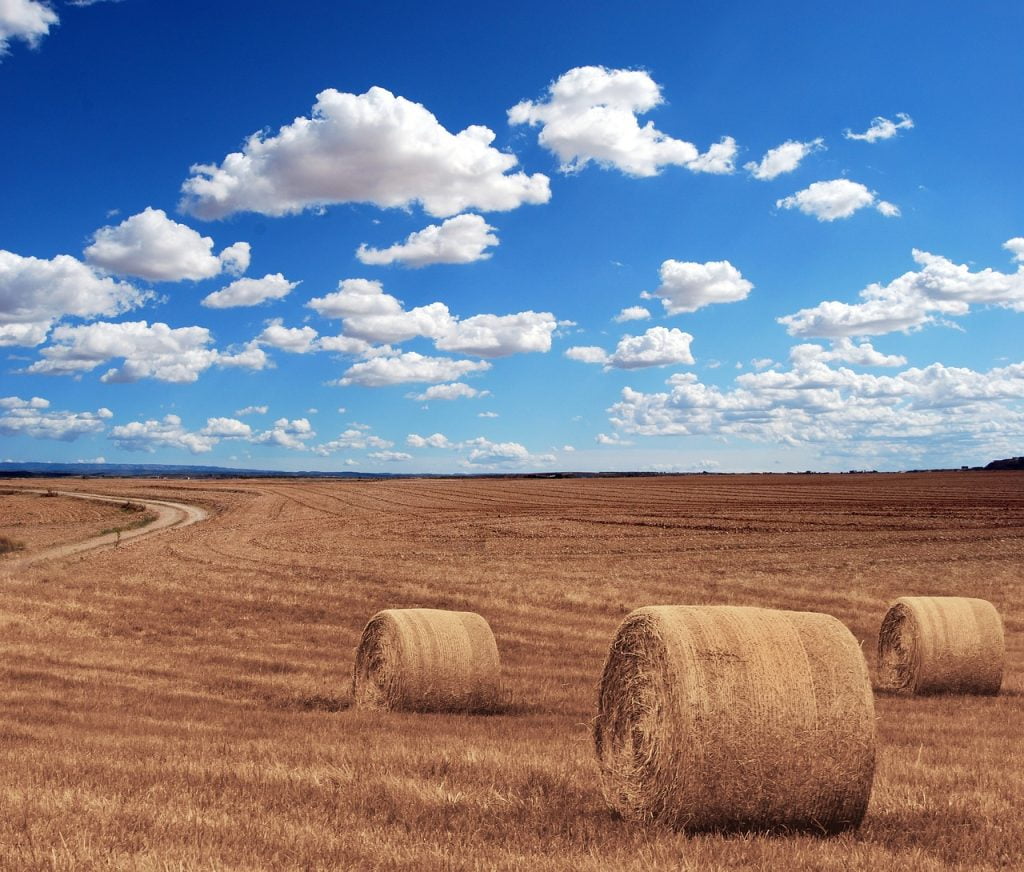
Yes, rabbits can eat horse hay safely. When people refer to "horse hay," they typically mean grass hays like timothy, orchardgrass, Kentucky bluegrass, or bromegrass, all of which are perfectly suitable for rabbits. Timothy hay is the best option for adult rabbits because it is high in fiber and low in calcium. If you buy hay from a horse farm or feed store in bales, just inspect it for dust, mold, and foreign objects before offering it to your rabbit.
Many rabbit owners, especially breeders managing multiple animals, buy their hay from the same suppliers that serve horse owners. This is a smart and cost-effective approach. A single bale of timothy hay from a horse farm can cost a fraction of what you would pay for the same amount packaged in small bags at a pet store. The hay itself is identical. The only real differences are packaging, dust levels, and sometimes the specific cutting.
What Exactly Is Horse Hay?
"Horse hay" is not a specific plant species. It is a general term for any dried grass or legume that horse owners feed to their animals. Horses eat a wide variety of hay types depending on their age, workload, and nutritional needs. The good news for rabbit owners is that most of these hay types overlap with what rabbits need in their diet.
Here are the most common types of hay fed to horses:
| Hay Type | Category | Safe for Rabbits? | Best For |
|---|---|---|---|
| Timothy Grass | Grass hay | Yes (ideal) | Adult rabbits, daily feeding |
| Orchardgrass | Grass hay | Yes | Rabbits who refuse timothy |
| Kentucky Bluegrass | Grass hay | Yes | General feeding, mixed hay |
| Bromegrass | Grass hay | Yes | General feeding |
| Fescue | Grass hay | Yes (with caution) | Not preferred, can be coarse |
| Alfalfa | Legume hay | Yes (limited) | Young rabbits, pregnant/nursing does |
| Clover | Legume hay | Yes (limited) | Young rabbits, occasional treat |
| Reed Canary Grass | Grass hay | Yes | General feeding |
| Redtop Grass | Grass hay | Yes | Mixed hay blends |
| Cereal Hay (oat/wheat) | Grain hay | Yes (limited) | Occasional variety |
As you can see, the vast majority of horse hay types are safe for rabbits. The key distinction is between grass hays (which should make up the bulk of your rabbit's diet) and legume hays (which are richer and should be fed more selectively).
Which Type of Horse Hay Is Best for Rabbits?
Timothy hay is the gold standard for adult rabbits, and it happens to be one of the most popular horse hays as well. It provides the ideal balance of high fiber, moderate protein, and low calcium that adult rabbits need to maintain healthy digestion and prevent urinary issues.
Timothy Hay: The Top Choice
Timothy hay contains roughly 32 to 34 percent crude fiber, 8 to 11 percent crude protein, and around 0.4 to 0.6 percent calcium. This nutritional profile is exactly what a rabbit's digestive system requires. The long fiber strands promote proper gut motility and help wear down teeth, which grow continuously throughout a rabbit's life. According to the House Rabbit Society, unlimited timothy hay should form approximately 80 percent of an adult rabbit's diet.
Timothy hay comes in three cuttings:
- First cutting: Higher in stem and fiber, lower in leaf. Coarser texture. Great for dental health and gut motility. Some picky rabbits may not prefer it.
- Second cutting: The most popular balance of leaf and stem. Softer than first cutting but still high in fiber. Most rabbits prefer this.
- Third cutting: Very leafy and soft, highest in protein and fat among the three cuttings. Good for picky eaters, but should not be the sole hay for overweight rabbits.
When buying timothy from a horse hay supplier, ask which cutting they carry. Second cutting is generally the best all-around choice for rabbits.
Orchardgrass: A Great Alternative
Orchardgrass is slightly softer and sweeter than timothy, which makes it a good option for rabbits that are picky about their hay. Its nutritional profile is similar to timothy: high fiber, moderate protein, low calcium. Many breeders mix orchardgrass with timothy to give their rabbits variety and encourage higher hay intake.
Alfalfa Hay: Only for Specific Life Stages
Alfalfa is commonly fed to horses, so you will often find it at horse feed stores. However, alfalfa hay is a legume, not a grass, and it has a very different nutritional profile. It contains roughly 1.2 to 1.5 percent calcium, 15 to 20 percent protein, and significantly more calories than grass hays.
Alfalfa is appropriate for:
- Kits under 7 months old: Growing rabbits need the extra calcium and protein for bone development.
- Pregnant and nursing does: The higher calorie and calcium content supports milk production and fetal development.
- Underweight rabbits: Under veterinary guidance, alfalfa can help rabbits gain weight.
For healthy adult rabbits, feeding alfalfa as the primary hay can lead to excess calcium in the urine, potentially causing bladder sludge or kidney stones. If you buy a mixed bale from a horse supplier that contains alfalfa, make sure to separate the alfalfa out or limit how much your adult rabbits consume.
Is Horse Hay Safe for Rabbits?
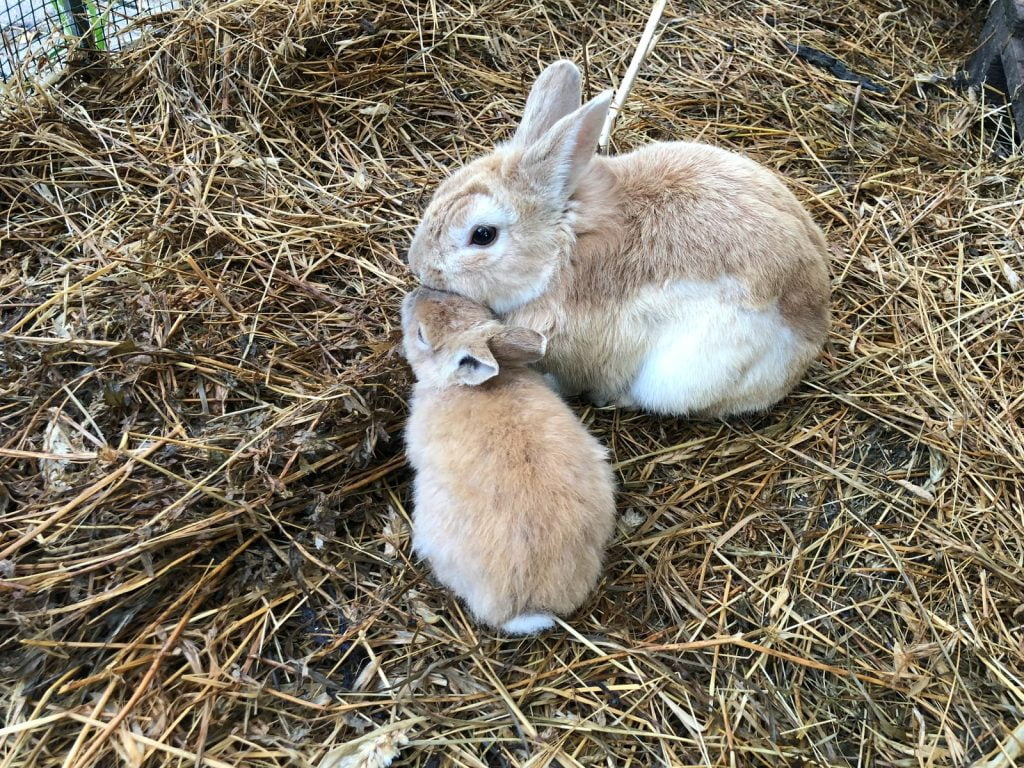
Horse-quality hay is absolutely safe for rabbits, provided you take a few precautions. The hay itself is the same product regardless of whether it is labeled "for horses" or "for small animals." The difference is in how it is stored, processed, and packaged.
Potential Concerns with Horse Hay
While the hay is nutritionally identical, buying from horse suppliers does come with a few things to watch for:
- Dust and mold: Horse hay bales are stored in barns and may accumulate dust or develop mold, especially in humid climates. Rabbits have sensitive respiratory systems, and dusty hay can trigger sneezing, nasal discharge, or respiratory infections. Always break open a bale and check for white or gray patches (mold) and shake out a flake to see how much dust comes off.
- Pesticides and herbicides: Some horse hay fields are treated with chemicals. Ask the supplier whether the hay was grown with pesticides. Organic or untreated hay is always the safer option for rabbits.
- Foreign objects: Large bales can sometimes contain sticks, wire, insects, or even small animals that got caught during baling. Inspect each flake before putting it in your rabbit's enclosure.
- Mixed species bales: Horse hay bales sometimes contain a mix of grass types plus legumes like alfalfa or clover. This is fine for horses but means you may be feeding your adult rabbit more calcium than intended. Ask what species the hay contains before purchasing.
How to Inspect Horse Hay for Rabbit Safety
- Color check: Good hay should be green to light green. Brown or yellow hay has lost nutritional value. Avoid hay that looks bleached or has dark, damp spots.
- Smell test: Quality hay smells fresh and slightly sweet. If it smells musty, sour, or like ammonia, it is moldy and should not be fed to any animal.
- Texture test: The hay should feel dry but pliable. Brittle hay that crumbles to dust has been over-dried or stored too long. Damp or sticky hay is a mold risk.
- Shake test: Pull out a flake and shake it. If a visible cloud of dust comes off, the hay is too dusty for rabbits. A small amount of fine particles is normal, but heavy dust is a red flag.
How Much Horse Hay Should You Feed Your Rabbit?
Regardless of whether your hay comes from a horse supplier or a pet store, the feeding guidelines are the same. Rabbits need unlimited access to hay at all times. This is not a suggestion; it is essential for their survival. A rabbit's digestive system is designed to process a constant flow of fiber, and going even 12 hours without hay can lead to dangerous gastrointestinal stasis.
Here is a general daily diet breakdown for a healthy adult rabbit:
| Food Type | Daily Amount | Percentage of Diet |
|---|---|---|
| Grass hay (timothy, orchard, etc.) | Unlimited, at least a body-sized pile | ~80% |
| Fresh leafy greens | 1 packed cup per 2 lbs body weight | ~10% |
| Pellets | 1/4 cup per 5 lbs body weight | ~5% |
| Treats (fruit, herbs) | 1-2 tablespoons max | ~5% |
The simplest rule: your rabbit should always have a pile of hay at least as large as its own body available in the enclosure. If the hay is gone, refill it immediately. Most rabbits eat their own body size in hay every single day.
Buying Horse Hay for Rabbits: How to Save Money
One of the biggest advantages of buying horse hay for your rabbits is cost. Pet store hay is expensive because you are paying for small-batch packaging, branding, and retail markup. Horse hay is sold in bulk, and the savings can be significant.
Price Comparison
| Source | Approximate Cost | Amount | Cost per Pound |
|---|---|---|---|
| Pet store (bagged timothy) | $15 to $25 | 40 to 96 oz | $4.00 to $6.00 |
| Online pet retailers | $25 to $40 | 5 to 10 lbs | $2.50 to $4.00 |
| Local horse farm (bale) | $5 to $15 | 40 to 60 lbs | $0.12 to $0.37 |
| Feed store (bale) | $8 to $20 | 40 to 60 lbs | $0.20 to $0.50 |
As the table shows, buying from a horse farm or feed store can reduce your hay costs by 90 percent or more. For breeders managing multiple rabbits, this savings adds up quickly.
Tips for Buying and Storing Bales
- Buy from a reputable source: Visit the farm if possible. Look at how hay is stored. A clean, dry barn with good ventilation is a good sign.
- Ask about the cutting: Second-cut timothy is ideal for rabbits. First-cut works fine too but is coarser.
- Store hay properly: Keep bales off the ground on pallets, in a dry and well-ventilated area. Avoid storing hay in plastic bags or sealed containers, as trapped moisture promotes mold growth.
- Buy in reasonable quantities: Hay loses nutritional value over time. Buy what your rabbits will consume in 2 to 3 months rather than stockpiling a year's supply.
- Check for recalls or contamination: Occasionally, hay batches are recalled due to blister beetle contamination (more common in alfalfa). Ask your supplier if they have had any issues.
Can Baby Rabbits Eat Horse Hay?
Yes, but the type matters. Kits younger than 7 months old benefit from alfalfa hay because of its higher calcium and protein content, which supports rapid growth and bone development. After 7 months, you should gradually transition your rabbit to timothy or another grass hay over a period of 2 to 3 weeks.
A simple transition schedule:
- Week 1: Mix 75% alfalfa with 25% timothy hay.
- Week 2: Mix 50% alfalfa with 50% timothy hay.
- Week 3: Mix 25% alfalfa with 75% timothy hay.
- Week 4: Feed 100% timothy hay.
If you are buying mixed horse hay bales that contain both alfalfa and grass hay, this can actually work well during the transition period. Just adjust the ratio of what you offer from the bale.
Horse Hay vs. Pet Store Hay: What Is the Difference?
Nutritionally, there is no difference between horse hay and pet store hay if they are the same species and cutting. The differences are entirely in processing and presentation:
- Packaging: Pet store hay is hand-sorted, compressed into small bags, and labeled for small animals. Horse hay comes in large rectangular or round bales.
- Dust levels: Pet store hay is typically sifted to remove dust. Horse hay may be dustier because it is not processed for sensitive small animal respiratory systems.
- Consistency: Pet store brands often guarantee a specific cutting and species. Horse hay varies by supplier and season.
- Freshness: Pet store hay may sit on shelves for months. Buying directly from a farm often means fresher hay, especially during harvest season (late spring through early fall).
- Price: Pet store hay costs 10 to 30 times more per pound than horse hay from a farm or feed store.
For most rabbit owners, buying horse hay from a local farm or feed store is the better value, as long as you inspect it for quality and store it properly.
Common Mistakes When Feeding Horse Hay to Rabbits
Even experienced rabbit owners sometimes make mistakes when switching to horse hay. Here are the most common ones to avoid:
- Not checking for mold: Mold can be hidden inside a bale even if the outside looks fine. Always break open bales and inspect interior flakes.
- Feeding only alfalfa: Just because your horse hay supplier primarily stocks alfalfa does not mean it is the right choice for your adult rabbit. Always prioritize grass hay.
- Storing in plastic: Sealing hay in garbage bags or plastic bins traps moisture and creates a breeding ground for mold. Use breathable storage.
- Ignoring respiratory signs: If your rabbit starts sneezing frequently, has watery eyes, or develops nasal discharge after switching to horse hay, the hay may be too dusty. Switch to a cleaner source or shake out flakes outdoors before bringing them inside.
- Limiting hay access: Some owners portion out hay to reduce waste. This is a mistake. Rabbits must have unlimited hay available at all times.
Frequently Asked Questions
Can I feed my rabbit hay straight from a horse barn?
Yes, as long as you inspect it first. Check for mold, excessive dust, foreign objects, and pesticide use. Shake out each flake before offering it to your rabbit. Fresh, clean horse barn hay is nutritionally identical to pet store hay.
Is horse hay too coarse for rabbits?
First-cutting timothy or mature orchardgrass can be coarser than what rabbits prefer, but it is not harmful. Coarse hay actually helps with dental wear, which is important for rabbits whose teeth never stop growing. If your rabbit avoids coarse hay, try second-cutting timothy instead.
How long does a bale of horse hay last for rabbits?
A standard 50-pound bale of timothy hay will last a single rabbit roughly 2 to 3 months. For a small rabbitry of 5 to 10 rabbits, expect to go through a bale every 1 to 3 weeks depending on the size of your animals.
Can horse hay give my rabbit parasites?
The risk is extremely low. Hay that has been properly dried and stored does not harbor parasites. Moist or improperly stored hay could theoretically harbor coccidia oocysts or other organisms, but this is uncommon in quality hay from reputable suppliers.
Should I wash horse hay before giving it to my rabbit?
No. Washing hay makes it damp, which promotes mold growth and destroys the texture rabbits need for dental health. If the hay is too dusty, shake it out vigorously outdoors or switch to a cleaner batch instead of wetting it.
Cite this article:
Cite this article:
BunnySync (March 16, 2026) Can Rabbits Eat Horse Hay? Complete Safety and Buying Guide. Retrieved from https://bunnysync.com/blog/can-rabbits-eat-horse-hay.
"Can Rabbits Eat Horse Hay? Complete Safety and Buying Guide." BunnySync - March 16, 2026, https://bunnysync.com/blog/can-rabbits-eat-horse-hay