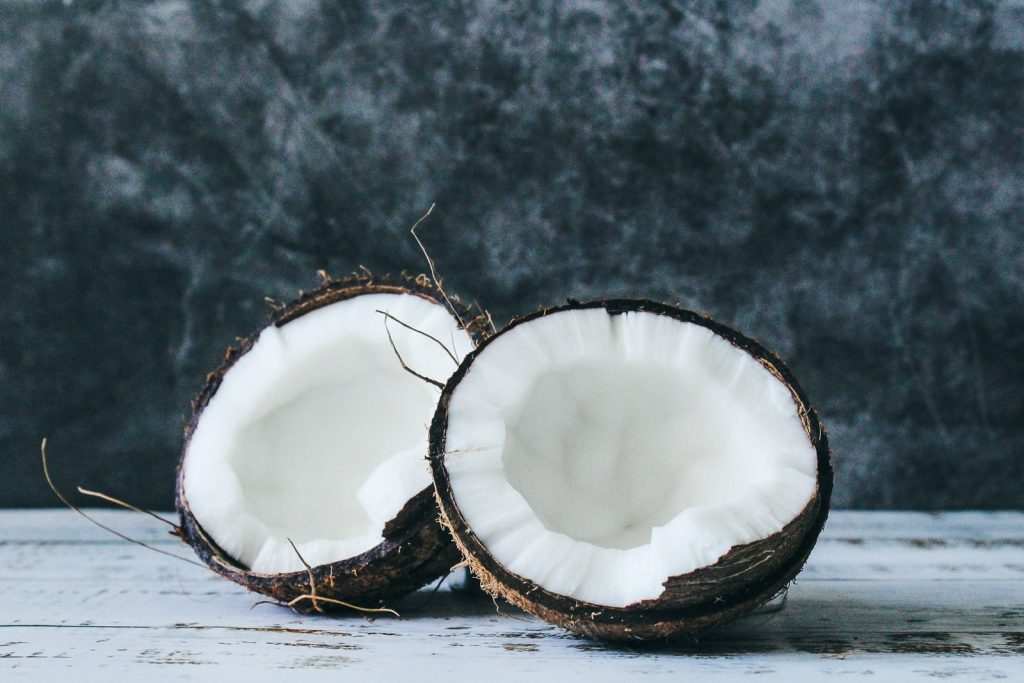
No, rabbits should not eat coconut meat. The white flesh of a coconut contains 33 grams of fat per 100 grams, which far exceeds the safe fat intake for rabbits. The only part of a coconut that rabbits can safely interact with is the husk, or coconut fiber, which works well as a natural chew toy. If you are wondering whether rabbits can eat nuts and similar high-fat foods, the answer is almost always no, and coconut is no exception.
Coconuts are technically classified as a drupe (a type of fruit), not a true nut, but they share many of the same nutritional concerns when it comes to rabbit diets. High fat, high sugar, and low fiber make coconut meat a poor choice for any rabbit, regardless of breed, age, or size.
What Parts of a Coconut Can Rabbits Have?
A coconut has several distinct parts, and each one poses different levels of risk for rabbits. Understanding these differences is important before you let your rabbit anywhere near a coconut.
Coconut Meat (White Flesh)
Coconut meat is the white, fleshy interior of the coconut. This is the part that most people eat, and it is the most dangerous part for rabbits. Per 100 grams, coconut meat contains approximately 33 grams of fat, 6 grams of sugar, and only 9 grams of fiber. A rabbit's daily diet should contain less than 3% fat overall. Even a small piece of coconut meat delivers a disproportionate amount of fat relative to a rabbit's body weight.
We have seen rabbits eagerly eat coconut meat when given the opportunity. Rabbits are naturally attracted to sweet, calorie-dense foods. This does not mean these foods are safe. In fact, a rabbit's willingness to eat something is a poor indicator of whether it belongs in their diet.
Coconut Husk (Coir Fiber)
The husk is the fibrous outer layer of the coconut. This is the one part of a coconut that is actually safe for rabbits. Coconut husk fibers are tough, natural, and chemical-free when sourced properly. Many rabbit owners use coconut husk pieces as enrichment toys because they give rabbits something safe to chew on and help wear down their continuously growing teeth.
If you give your rabbit coconut husk to chew, make sure all traces of coconut meat and coconut water have been thoroughly removed. The husk itself is indigestible, so rabbits will gnaw and shred it rather than consume it in large quantities.
Coconut Water
Coconut water, the clear liquid inside a fresh coconut, is not safe for rabbits either. It contains natural sugars and electrolytes that are designed for human consumption, not for a rabbit's sensitive digestive system. Rabbits should only drink plain, fresh water. Even small amounts of coconut water can cause digestive upset in rabbits with sensitive stomachs.
Coconut Oil
Coconut oil is pure fat and should never be fed to rabbits. Some rabbit owners ask about using coconut oil topically for dry skin or ear mites, but this is a question for your veterinarian, not something to try without professional guidance. Ingesting coconut oil, even in small amounts, can trigger gastrointestinal problems in rabbits.
Coconut Shell
The hard brown shell of a coconut is not edible for rabbits. While it is not toxic, it is far too hard for rabbits to chew safely. A rabbit could chip or crack a tooth attempting to gnaw on a coconut shell, which can lead to dental problems, pain, and difficulty eating. Stick with the softer husk fibers instead.
Why Is Coconut Meat Bad for Rabbits?
The problems with coconut meat come down to its nutritional profile. Rabbits are herbivores whose digestive systems evolved to process high-fiber, low-fat, low-sugar plant material. Coconut meat is essentially the opposite of what a rabbit needs.
Nutritional Breakdown of Coconut Meat (per 100g)
| Nutrient | Amount | Safe Range for Rabbits |
|---|---|---|
| Fat | 33.5g | Less than 3% of total diet |
| Sugar | 6.2g | Minimal (from hay only) |
| Fiber | 9.0g | 20-25% of total diet |
| Protein | 3.3g | 12-14% of total diet |
| Calories | 354 kcal | N/A |
As you can see, the fat content alone makes coconut meat unsuitable. A rabbit weighing 2 kg (about 4.5 pounds) needs roughly 1 to 1.5 grams of fat per day as part of a balanced diet. A single tablespoon of coconut meat (about 10 grams) delivers over 3 grams of fat, which is double or triple the daily recommendation.
What Are the Health Risks of Feeding Coconut to Rabbits?
Feeding coconut meat to rabbits regularly, or even in large one-time portions, can trigger several serious health conditions. As breeders, we have seen these issues firsthand in rabbits whose owners unknowingly fed them high-fat treats.
Fatty Liver Disease (Hepatic Lipidosis)
When rabbits consume too much dietary fat over time, the excess fat gets deposited in their liver cells. This condition, called hepatic lipidosis or fatty liver disease, can progress silently until the liver is severely compromised. By the time symptoms appear, the damage may already be significant.
Signs of fatty liver disease in rabbits include:
- Sudden or gradual loss of appetite
- Unexplained weight loss despite adequate food availability
- Smaller and fewer droppings
- Dehydration and dry mucous membranes
- Lethargy, depression, and reluctance to move
Fatty liver disease requires immediate veterinary intervention. Treatment typically involves supportive care, syringe feeding, and addressing the underlying dietary cause.
Gastrointestinal Stasis (GI Stasis)
GI stasis is one of the most common and most dangerous digestive conditions in rabbits. It occurs when the normal movement of the gut slows down or stops entirely, allowing harmful bacteria to proliferate and produce painful gas. High-fat, low-fiber foods like coconut are a known trigger because they disrupt the delicate balance of gut bacteria that rabbits depend on.
Symptoms of GI stasis include:
- A hunched, uncomfortable posture
- Teeth grinding (bruxism), which indicates pain
- Complete loss of appetite
- No droppings or very small, misshapen droppings
- A bloated or tight-feeling abdomen
GI stasis can be fatal within 24 to 48 hours if not treated. If your rabbit shows any of these symptoms, whether from eating coconut or any other cause, seek veterinary care immediately. While waiting, you can offer unlimited timothy hay to encourage gut movement.
Diarrhea and Soft Cecotropes
Coconut's high fat and sugar content can disrupt the bacterial balance in a rabbit's cecum, leading to diarrhea or soft, malformed cecotropes. True diarrhea in rabbits (watery, unformed stool) is a medical emergency. Soft cecotropes, while less immediately dangerous, indicate that the diet needs correction.
Rabbits produce two types of droppings: regular fecal pellets and cecotropes (soft, dark, clustered droppings that rabbits normally re-ingest directly from their body). When the diet contains too much fat or sugar and not enough fiber, cecotropes become mushy and uneaten, often sticking to the rabbit's fur around the tail area. If your rabbit is not pooping normally, diet is usually the first thing to investigate.
Obesity
At 354 calories per 100 grams, coconut meat is extremely calorie-dense. Rabbits who regularly consume high-calorie treats are at significant risk of becoming overweight. Obesity in rabbits is not just a cosmetic concern. It leads to joint problems, difficulty grooming (which can cause flystrike), heart strain, and a shortened lifespan.
Rabbits who live in appropriately sized enclosures with plenty of exercise time are less prone to obesity, but no amount of exercise can fully compensate for a consistently high-fat diet.
What Should You Do If Your Rabbit Ate Coconut?
If your rabbit ate a small piece of coconut meat accidentally, there is no need to panic. Coconut is not toxic to rabbits in the way that some plants are. The danger comes from repeated feeding or large quantities, not from a single small bite.
Here is what to do:
- Remove remaining coconut and make sure your rabbit cannot access any more.
- Offer plenty of fresh hay immediately. The fiber will help move the coconut through the digestive system and support healthy gut bacteria. Aim for a proper balance of hay and pellets in the following days.
- Monitor droppings for the next 12 to 24 hours. Look for changes in size, shape, consistency, or quantity.
- Watch for behavioral changes such as lethargy, hunching, teeth grinding, or refusal to eat.
- Contact your veterinarian if you notice any abnormalities in droppings or behavior.
In most cases, a small accidental ingestion will pass without incident. The fiber from hay is your best first-line defense.
Can Rabbits Eat Dried or Shredded Coconut?
No. Dried and shredded coconut are actually worse than fresh coconut meat for rabbits. The drying process concentrates the fat and sugar content per gram, making dried coconut even more calorie-dense. Many commercially available shredded coconut products also contain added sugar, preservatives, or sulfites that are harmful to rabbits.
Sweetened coconut flakes, the kind commonly used in baking, can contain up to 40 grams of sugar per 100 grams. This is an extreme amount for an animal whose digestive system is designed to run on fibrous grasses and leafy greens. Never feed your rabbit any form of processed coconut product.
Can Rabbits Eat Coconut Leaves?
Coconut palm leaves (fronds) are not commonly available in most parts of the world, but if you live in a tropical region where coconut palms grow, you may wonder about the leaves. Fresh, untreated coconut palm leaves are not known to be toxic to rabbits, but they are not a standard part of a domestic rabbit's diet either. The leaves are tough and fibrous, which could be beneficial, but there is limited research on their safety for rabbits specifically.
If you want to offer natural foliage to your rabbit, stick with well-researched options like apple tree branches (pesticide-free), willow, or dandelion greens, which are proven safe.
Healthier Treat Alternatives to Coconut
If you want to give your rabbit an occasional treat, there are many fruits and vegetables that are safer than coconut. The key is moderation: treats should make up no more than 5% of your rabbit's total diet, with the rest coming from hay (80%), leafy greens (10-15%), and a small amount of pellets.
Here are some rabbit-safe treats you can offer one to two times per week in small portions (about 1 teaspoon per 2 pounds of body weight):
| Fruit | Key Benefit | Serving Note |
|---|---|---|
| Strawberries | High in vitamin C | 1 small berry |
| Blueberries | Rich in antioxidants | 2-3 berries |
| Apple | Good source of fiber | 1 thin slice, no seeds |
| Papaya | Contains digestive enzymes | 1 small cube |
| Watermelon | Hydrating, low calorie | 1 small cube, no rind |
| Pear | Gentle on digestion | 1 thin slice |
These fruits contain far less fat than coconut and, when fed in appropriate portions, provide vitamins and variety without the health risks associated with high-fat foods.
Coconut Fiber as Rabbit Bedding: Is It Safe?
Coconut coir (the processed fiber from coconut husks) is sometimes sold as bedding material for small animals. While it is generally considered non-toxic, it is not the best bedding choice for rabbits. Coconut coir can be dusty, which may irritate a rabbit's sensitive respiratory system. It also does not absorb urine as effectively as paper-based bedding or kiln-dried wood shavings.
If you choose to use coconut coir as part of a digging box for enrichment (which many rabbits enjoy), make sure it is:
- Free from fertilizers, pesticides, or chemical treatments
- Dust-free or pre-rinsed and dried
- Used in a supervised setting where you can ensure the rabbit is not ingesting large quantities
For everyday bedding, paper-based products or aspen shavings are safer and more practical choices.
Frequently Asked Questions
Is coconut toxic to rabbits?
Coconut is not technically toxic to rabbits, but it is harmful in anything beyond a tiny amount. The high fat content (33g per 100g) can cause fatty liver disease, GI stasis, and obesity over time. A single small bite will not poison your rabbit, but coconut should never be offered as a regular treat or part of their diet.
Can baby rabbits eat coconut?
No. Baby rabbits (kits) under 12 weeks old should only consume their mother's milk, alfalfa hay, and age-appropriate pellets. Their digestive systems are even more sensitive than adult rabbits, and high-fat foods like coconut can cause severe digestive distress or even death in young rabbits. Wait until a rabbit is fully mature before introducing any treats, and even then, choose low-fat options.
Can rabbits drink coconut milk?
No. Coconut milk is extremely high in fat and contains compounds that rabbits cannot properly digest. Rabbits are herbivores and should only drink plain, fresh water. Any milk product, whether dairy or plant-based, is inappropriate for rabbits and can cause serious gastrointestinal issues.
How much coconut husk can I give my rabbit?
Coconut husk is used as a chew toy, not as food. You can give your rabbit a small piece of clean, untreated coconut husk to gnaw on during supervised play. There is no specific "serving size" because the rabbit should be shredding and playing with it, not consuming it. Replace the husk when it becomes too small or frayed to be safe.
Are coconut-based rabbit treats from pet stores safe?
Most commercial rabbit treats that contain coconut are not ideal. Many include added sugars, artificial flavors, or other ingredients that are unsuitable for rabbits. Always read the ingredient list carefully. If coconut or coconut oil appears as a primary ingredient, choose a different treat. Look for treats made from hay, dried herbs, or small amounts of dried fruit instead.
Cite this article
Cite this article:
BunnySync (March 18, 2026) Can Rabbits Eat Coconut? Safe Parts, Risks, and Better Alternatives. Retrieved from https://bunnysync.com/blog/can-rabbits-eat-coconut.
"Can Rabbits Eat Coconut? Safe Parts, Risks, and Better Alternatives." BunnySync - March 18, 2026, https://bunnysync.com/blog/can-rabbits-eat-coconut