Yes, rabbits can safely eat zucchini as a supplement to their hay-based diet. Zucchini (also called courgette) is low in calories, rich in vitamins A and C, and contains helpful minerals like potassium and magnesium. As breeders, we regularly offer zucchini to our rabbits as part of their vegetable rotation. The key is moderation: zucchini should never replace hay, which must make up at least 80% of your rabbit's daily intake. Fed correctly, zucchini is one of the safer vegetables you can offer your rabbit.
Zucchini belongs to the Cucurbita genus, making it a member of the squash family alongside pumpkin, butternut squash, and yellow squash. All parts of the zucchini plant are edible for rabbits, including the flesh, skin, seeds, leaves, flowers, and stems. This makes it a versatile addition to your rabbit's fresh food rotation.
Is Zucchini Safe for Rabbits to Eat?
Zucchini is completely safe for healthy adult rabbits when fed in appropriate amounts. It contains no toxic compounds and is gentle on the digestive system compared to many other vegetables. The soft flesh is easy for rabbits to chew and digest, while the slightly firmer skin gives them something satisfying to gnaw on.
That said, zucchini is relatively low in fiber compared to hay. A rabbit's gut requires a constant supply of long-strand fiber to function properly. When rabbits fill up on low-fiber foods like zucchini instead of eating enough timothy or grass hay, their digestive system can slow down. This is why zucchini works best as a small supplement, not a dietary staple.
Always wash zucchini thoroughly before serving it to your rabbit. If possible, choose organic zucchini to reduce pesticide exposure. Serve it raw, never cooked, since cooked vegetables lose nutrients and the softer texture provides no dental benefit.
What Are the Nutritional Benefits of Zucchini for Rabbits?
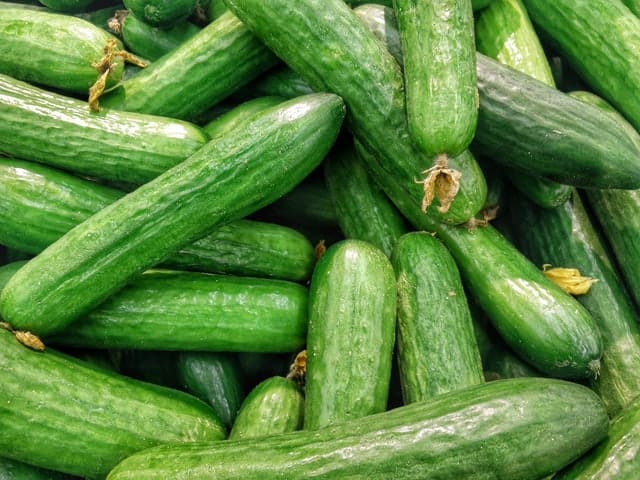
Zucchini provides several vitamins and minerals that support your rabbit's overall health. While it should not be relied upon as a primary nutrient source, it does contribute meaningful nutrition when included as part of a varied vegetable mix.
Vitamins in Zucchini
| Nutrient | Amount per 100g | Benefit for Rabbits |
|---|---|---|
| Vitamin A | 200 IU | Supports eye health, immune function, and reproductive health |
| Vitamin C | 17.9 mg | Antioxidant support (rabbits produce their own, but extra helps during stress) |
| Vitamin K | 4.3 mcg | Supports blood clotting and bone metabolism |
| Folate | 24 mcg | Essential for cell growth and tissue repair |
| Vitamin B6 | 0.163 mg | Supports nervous system and protein metabolism |
Minerals in Zucchini
| Mineral | Amount per 100g | Benefit for Rabbits |
|---|---|---|
| Potassium | 261 mg | Supports heart function and muscle contractions |
| Magnesium | 18 mg | Important for bone health and enzyme function |
| Phosphorus | 38 mg | Works with calcium for strong bones and teeth |
| Calcium | 16 mg | Supports bone density (low calcium is actually a plus, since excess calcium causes bladder sludge) |
| Manganese | 0.177 mg | Supports metabolism and antioxidant defenses |
One notable advantage of zucchini is its low calcium content. Rabbits are prone to calcium-related urinary problems, so vegetables low in calcium, like zucchini, are often preferred by breeders over high-calcium greens like spinach or kale.
Zucchini also has a high water content (about 95%), which helps keep your rabbit hydrated, especially during warmer months. However, this high water content is also why overfeeding can cause loose stools.
How Much Zucchini Can a Rabbit Eat Per Day?
The general guideline is to feed 1 to 2 cups of mixed fresh vegetables per 6 pounds (2.7 kg) of body weight daily. Zucchini should make up only a portion of that vegetable mix, not the entire serving. A good target is about 1 to 2 thin slices (roughly 30 to 60 grams) of zucchini as part of the daily vegetable rotation.
| Rabbit Size | Weight Range | Zucchini Per Day (as part of veggie mix) |
|---|---|---|
| Small breeds (Netherland Dwarf, Mini Rex) | 1.1 to 3.5 lbs | 1 thin slice (15 to 30g) |
| Medium breeds (Holland Lop, Rex) | 6 to 10 lbs | 1 to 2 slices (30 to 60g) |
| Large breeds (Flemish Giant, French Lop) | 9 to 14+ lbs | 2 to 3 slices (50 to 80g) |
These amounts assume your rabbit is also eating other vegetables alongside the zucchini. Variety matters: rotating between zucchini, bell peppers, cucumbers, herbs, and leafy greens ensures your rabbit gets a broader range of nutrients.
For Young or Growing Rabbits
Rabbits under 12 weeks old should not eat any vegetables, including zucchini. Their digestive systems are still developing, and introducing fresh foods too early can cause serious diarrhea that can be fatal in young kits.
Between 12 weeks and 7 months, you can begin introducing vegetables one at a time. Start with just 15 grams (about half an ounce) of zucchini. Wait 24 to 48 hours and watch for any changes in stool consistency. If your rabbit's droppings remain firm and round, you can continue offering zucchini in small amounts.
For Adult Rabbits
Adult rabbits (over 1 year old) can eat zucchini at the full amounts listed in the table above. If your rabbit has never had zucchini before, still introduce it gradually over one to two weeks. Increase by about 10 grams every few days until you reach the normal serving size.
For Pregnant or Nursing Rabbits
Pregnant and lactating does should not have their diets changed suddenly. If your doe was already eating zucchini before pregnancy, you can continue offering it in the same amounts. Do not introduce zucchini for the first time during pregnancy or nursing. These rabbits need maximum nutrition from hay, pellets, and alfalfa, and any digestive upset during this period could affect both the mother and her kits.
Can Rabbits Eat All Parts of the Zucchini Plant?
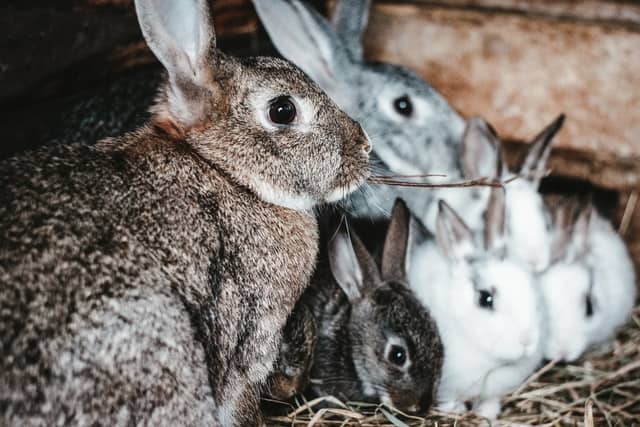
Every part of the zucchini plant is safe for rabbits. Here is a breakdown of each part and how to serve it.
Zucchini Flesh
The soft interior is the part most rabbits enjoy. Cut it into thin slices or small cubes. The flesh is easy to digest and has the highest water content of any part of the plant.
Zucchini Skin
The skin is safe and actually more nutritious than the flesh. It contains more fiber and a higher concentration of antioxidants. Leave the skin on when serving, and make sure to wash it thoroughly to remove any pesticide residue.
Zucchini Seeds
Unlike some fruits where seeds can be harmful, zucchini seeds are completely safe. They are soft and small enough that they pose no choking risk. You do not need to remove them before serving.
Zucchini Leaves
Zucchini leaves are safe and many rabbits enjoy their slightly rough texture. If you grow zucchini in your garden, offering the leaves is a great way to reduce waste while providing your rabbits with fresh forage.
Zucchini Flowers
The bright yellow flowers of the zucchini plant are safe and make an interesting treat. They are delicate and low in calories. Many rabbits find them appealing due to their soft texture.
Zucchini Stems
The stems are safe but tougher than other parts. Some rabbits enjoy chewing on them for the texture. If your rabbit shows interest, let them gnaw on the stems as enrichment.
When Should You Not Feed Zucchini to Your Rabbit?
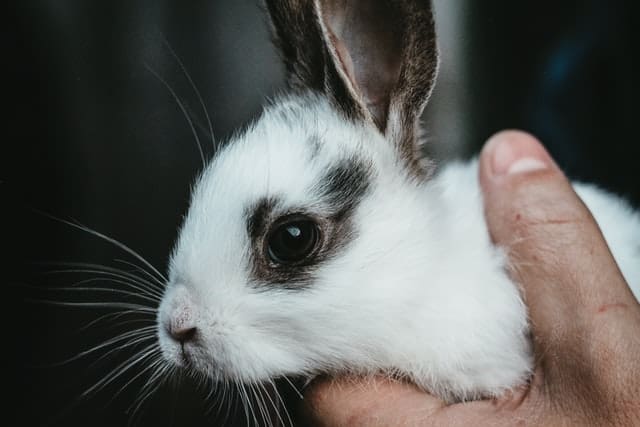
While zucchini is generally safe, there are specific situations where you should avoid feeding it to your rabbit.
- Rabbits under 12 weeks old: Their digestive systems cannot handle fresh vegetables yet. Stick to unlimited alfalfa hay and water.
- Rabbits with active diarrhea or soft stools: Remove all vegetables and fruits immediately. Feed only hay until droppings return to normal. If diarrhea persists for more than 12 hours, see a veterinarian.
- Rabbits recovering from GI stasis: After a stasis episode, reintroduce vegetables very slowly and only after your vet gives the all-clear.
- Rabbits that have never eaten vegetables: Do not start with a full serving. Introduce zucchini at 15 grams and increase gradually.
- Spoiled or cooked zucchini: Never feed wilted, moldy, or cooked zucchini. Only serve fresh, raw zucchini.
If you notice uneaten cecotrophs (the soft, dark, cluster-shaped droppings rabbits normally re-ingest), this often signals too many fresh foods and not enough fiber. Cut back on zucchini and other vegetables and increase hay availability.
What Are the Risks of Overfeeding Zucchini?
Feeding too much zucchini can lead to several digestive problems. These issues stem from the same root cause: not enough fiber and too much water content displacing hay in your rabbit's diet.
Gastrointestinal Stasis
Gastrointestinal (GI) stasis is the most dangerous risk. When a rabbit's gut slows down or stops moving, food ferments in the intestines, producing painful gas and toxins. GI stasis can be fatal within 24 to 48 hours if untreated. Signs include a rabbit that stops eating, hunches in a corner, grinds its teeth, or has a bloated belly. If you suspect GI stasis, get to a rabbit-savvy veterinarian immediately.
Diarrhea and Soft Stools
Zucchini's high water content can cause loose stools when fed in excess. True diarrhea (watery, unformed stool) in rabbits is a medical emergency, particularly in young rabbits, where it can cause fatal dehydration within hours. Soft cecotrophs (mushy clusters stuck to the fur) are a milder but still concerning sign that the diet needs adjusting.
Uneaten Cecotrophs
When a rabbit's diet is too rich in water and low in fiber, the cecotrophs become soft and sticky. Rabbits may refuse to eat them, leading to a messy bottom and potential flystrike risk in warmer months. If you see uneaten cecotrophs, reduce vegetable portions and ensure unlimited hay and appropriate pellet amounts are available.
Weight Gain
While zucchini itself is low in calories, rabbits that fill up on vegetables may eat less hay but then seek out higher-calorie foods like pellets or treats. Over time, this pattern can contribute to obesity, which is a serious health concern for domestic rabbits.
How to Prepare and Serve Zucchini for Your Rabbit
Preparing zucchini for your rabbit is straightforward. Follow these steps for the safest serving method.
- Wash thoroughly: Rinse the zucchini under running water and scrub the skin gently to remove dirt, wax coatings, and pesticide residue.
- Leave it raw: Never cook, steam, or microwave zucchini for your rabbit. Cooking destroys nutrients and changes the texture in ways that are unhelpful for rabbit digestion.
- Cut into appropriate pieces: Slice into thin rounds or small sticks. Smaller rabbits do better with thinner slices they can hold and nibble.
- Serve at room temperature: Avoid feeding cold zucchini straight from the refrigerator. Let it come to room temperature first, as very cold food can shock a sensitive rabbit's digestive system.
- Remove uneaten portions: Fresh vegetables left in the cage for more than 3 to 4 hours can spoil and attract flies. Remove any uneaten zucchini promptly.
Can Rabbits Eat Other Types of Squash?
Since zucchini belongs to the squash family (genus Cucurbita), many rabbit owners wonder about other squash varieties. Here is a quick reference guide.
| Squash Type | Safe for Rabbits? | Notes |
|---|---|---|
| Zucchini (Courgette) | Yes | Low calorie, high water content, safe in moderation |
| Yellow Squash | Yes | Very similar nutritional profile to zucchini |
| Butternut Squash | Yes | Higher in sugar than zucchini, feed smaller portions |
| Pumpkin | Yes | Safe in small amounts; higher in starch and sugar |
| Acorn Squash | Yes | Safe but starchier; treat as an occasional offering |
| Spaghetti Squash | Yes | Safe raw in small amounts |
All squash types should be fed raw, in moderation, and as a supplement to a hay-based diet. Zucchini and yellow squash are the best options for regular feeding because they are lowest in sugar and starch.
What Are Better Vegetable Alternatives to Zucchini?
While zucchini is a solid choice, variety is important for your rabbit's nutrition and enrichment. Here are some vegetables that pair well with zucchini in a rotation schedule.
- Leafy greens: Romaine lettuce, cilantro, parsley, and basil provide more fiber than zucchini and should form the bulk of the vegetable portion.
- Bell peppers: Rich in vitamin C and available in multiple colors for variety.
- Herbs: Mint, dill, and oregano are excellent low-calcium options most rabbits enjoy.
- Cucumber: Similar water content to zucchini, good for hydration in summer.
- Broccoli leaves: Higher in fiber than the florets, which can cause gas in some rabbits.
Aim to rotate through at least 3 to 5 different vegetables each week. This prevents your rabbit from becoming dependent on any single food and ensures a wider nutrient intake.
How to Introduce Zucchini to a Rabbit for the First Time
Introducing any new food to a rabbit requires patience. Rabbits have sensitive digestive systems with a delicate balance of gut bacteria. Rushing the introduction process can cause serious, sometimes life-threatening digestive problems.
Follow this schedule when introducing zucchini for the first time:
| Week | Amount | What to Watch For |
|---|---|---|
| Week 1 | 15g (about half a thin slice) | Stool consistency, appetite for hay |
| Week 2 | 25g (one thin slice) | Any soft stools or uneaten cecotrophs |
| Week 3 | 40g (one to two slices) | Continued normal droppings and eating patterns |
| Week 4+ | Full portion based on weight | Maintain as part of vegetable rotation |
Only introduce one new vegetable at a time. If you introduce zucchini and another new food simultaneously, you will not be able to identify which food caused a problem if digestive issues appear.
Feeding Schedule: How Zucchini Fits Into a Rabbit's Daily Diet
Understanding where zucchini fits within the complete daily diet helps prevent overfeeding. Here is what a healthy adult rabbit's daily food intake should look like, according to the Lafeber Veterinary Care guidelines.
| Food Type | Proportion of Diet | Daily Amount (per 6 lbs body weight) |
|---|---|---|
| Hay (timothy, orchard, oat) | 80%+ | Unlimited, body-size pile minimum |
| Fresh vegetables | 10 to 15% | 1 to 2 cups mixed |
| Pellets | 5% | 1/4 to 1/2 cup |
| Treats and fruits | Less than 2% | 1 to 2 tablespoons maximum |
Zucchini falls into the "fresh vegetables" category. On days you serve zucchini, it should make up roughly one-quarter to one-third of the total vegetable portion, with the rest consisting of leafy greens and other safe vegetables.
Signs Your Rabbit Is Reacting Badly to Zucchini
Even though zucchini is safe for most rabbits, individual sensitivities exist. Watch for these warning signs after feeding zucchini:
- Soft or misshapen droppings: Normal rabbit pellets are round, dry, and uniform in size. Soft, clumped, or irregularly shaped droppings indicate a dietary issue.
- Decreased hay consumption: If your rabbit starts eating less hay after receiving zucchini, reduce the vegetable portion.
- Bloating or gas: A rabbit pressing its belly to the ground, refusing to move, or grinding its teeth may have gas pain.
- Uneaten cecotrophs: Mushy, dark clusters stuck to the cage floor or your rabbit's fur signal too many rich foods.
- Loss of appetite: A rabbit that stops eating entirely needs immediate veterinary attention, as this can signal GI stasis.
If any of these signs appear, remove zucchini and all other vegetables from the diet. Offer only unlimited hay and fresh water. Most mild digestive upsets resolve within 24 hours once the diet is corrected. If symptoms persist or worsen, contact a rabbit-experienced veterinarian.
Frequently Asked Questions
Can rabbits eat zucchini seeds?
Yes, zucchini seeds are completely safe for rabbits. The seeds are soft, small, and easy to digest. There is no need to remove them before serving zucchini to your rabbit. Simply wash the zucchini, slice it, and serve with seeds included.
Can rabbits eat zucchini leaves and flowers?
Yes, both zucchini leaves and flowers are safe for rabbits to eat. The leaves provide a slightly rougher texture that many rabbits enjoy, and the yellow flowers make a gentle, low-calorie treat. Wash them to remove any dirt or insects before offering.
Can rabbits eat zucchini skin?
Yes, zucchini skin is safe and more nutritious than the flesh. It contains higher concentrations of fiber and antioxidants. Always leave the skin on when serving zucchini to your rabbit, but wash it thoroughly first to remove pesticide residues.
Can rabbits eat cooked zucchini?
No, you should only feed raw zucchini to your rabbit. Cooking changes the texture and breaks down nutrients. Rabbits' digestive systems are designed to process raw plant material, and cooked food can cause digestive discomfort and provides less nutritional value.
Can baby rabbits eat zucchini?
Rabbits under 12 weeks old should not eat zucchini or any other vegetable. After 12 weeks, you can begin introducing zucchini in tiny amounts (15 grams) and increase gradually over several weeks while monitoring stool quality closely.
Cite this article:
BunnySync (March 19, 2026) Can Rabbits Eat Zucchini? Safe Feeding Guide for 2026. Retrieved from https://bunnysync.com/blog/can-rabbits-eat-zucchini.
"Can Rabbits Eat Zucchini? Safe Feeding Guide for 2026." BunnySync - March 19, 2026, https://bunnysync.com/blog/can-rabbits-eat-zucchini