Yes, rabbits can eat guava safely. This tropical fruit is a perfectly fine treat for rabbits that are at least 7 months old, as long as you serve it in small portions no more than twice per week. Guava provides vitamins A, C, and B6, along with dietary fiber and antioxidants that can complement your rabbit's core diet of unlimited timothy hay. The key is moderation: guava contains natural sugars that can cause digestive problems if overfed.
As breeders, we have offered guava to dozens of rabbits over the years, and most of them eagerly accept it. Below, we cover everything you need to know about feeding guava to rabbits, including portion sizes by breed, which parts of the guava are safe, the nutritional breakdown, risks to watch for, and what to do if your rabbit eats too much.
Is Guava Safe for Rabbits?
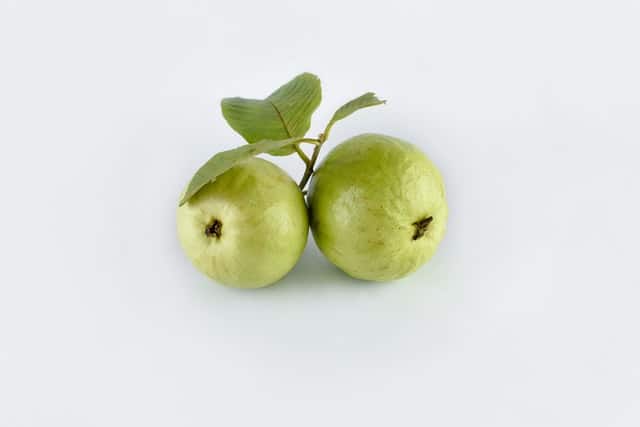
Guava (Psidium guajava), also known as apple guava or lemon guava, is safe for adult rabbits when offered as an occasional treat. The fruit originated in southern Mexico and Central America and is now grown in tropical regions worldwide, including Thailand, India, and Brazil.
The reason guava works as a rabbit treat is that it sits in a nutritional sweet spot: it contains enough vitamins and fiber to offer some benefit, but it is not so calorie-dense or sugary that small portions cause problems. Compared to fruits like grapes or bananas, guava actually has a moderate sugar content of about 8.9 grams per 100 grams, which is lower than many popular rabbit-safe fruits.
That said, "safe" does not mean "unlimited." Treats of any kind, including fruits, should make up no more than 5% of your rabbit's total daily food intake. The remaining 80% should be hay, 10% fresh leafy greens, and 5% high-quality pellets. This ratio keeps your rabbit's digestive system running properly and prevents issues like GI stasis or obesity.
What Are the Nutritional Benefits of Guava for Rabbits?
Key point:
Guava is rich in vitamin C and contains useful amounts of vitamins A, E, and B6, plus dietary fiber and potassium.
Per 100 grams of raw guava, your rabbit gets the following nutrients:
| Nutrient | Amount per 100g | Benefit for Rabbits |
|---|---|---|
| Calories | 68 kcal | Moderate energy source |
| Fiber | 5.4 g | Supports gut motility |
| Sugar | 8.9 g | Natural energy (limit intake) |
| Vitamin C | 228 mg | Antioxidant support |
| Vitamin A | 31 mcg (RAE) | Eye and skin health |
| Vitamin B6 | 0.11 mg | Metabolic function |
| Potassium | 417 mg | Muscle and nerve function |
| Protein | 2.6 g | Tissue repair |
One standout feature of guava is its high vitamin C content. While rabbits produce their own vitamin C internally (unlike guinea pigs, who cannot), the antioxidant properties still benefit their immune system. The fiber content of 5.4 grams per 100 grams is also notably high for a fruit, which means guava is less likely to cause soft stools compared to lower-fiber treats like watermelon or grapes.
The potassium in guava supports healthy muscle function, which is especially relevant for active breeds. And the small amount of protein (2.6 g per 100 g) is higher than most fruits, making guava a slightly more nutritionally rounded treat option.
However, do not rely on guava or any other treat to meet your rabbit's nutritional needs. Hay provides the bulk of the fiber, and quality pellets cover the essential vitamins and minerals. Treats are supplementary, not foundational.
How Much Guava Can a Rabbit Eat?
The amount of guava you can safely offer depends on your rabbit's weight and age. As a general rule, fruit treats should not exceed 1 to 2 tablespoons per 5 pounds (2.3 kg) of body weight, offered no more than two times per week.
Here is a breed-size breakdown to help you measure portions:
| Rabbit Size (by breed) | Body Weight | Guava per Serving (2x/week max) |
|---|---|---|
| Small breeds (Netherland Dwarf, Polish, Mini Rex) | 1.1 to 3.5 lbs | 0 g (no treats under 3.5 lbs if under 7 months) |
| Medium breeds (Holland Lop, Rex, Dutch) | 6 to 10 lbs | 30 to 60 g (about 2 to 4 small cubes) |
| Large breeds (Flemish Giant, New Zealand, Californian) | 9 to 12+ lbs | 60 to 120 g (about 4 to 8 small cubes) |
A "small cube" is roughly 1 cm x 1 cm, or about the size of your thumbnail. Cutting guava into small, consistent pieces makes it easier to control portions and prevents your rabbit from swallowing large chunks.
Here is an age-based feeding guide for fruit treats like guava:
| Age | Fruit Treats Allowed? |
|---|---|
| Under 7 months | No. Young rabbits should eat only hay, water, and age-appropriate pellets. |
| 7 months to 1 year | Yes, up to 1-2 oz (30-60 g) per 6 lbs body weight, 2x/week |
| Adults (1 to 5 years) | Yes, up to 2 tbsp per 6 lbs body weight, 2x/week |
| Seniors (6+ years) | Consult your veterinarian for personalized dietary guidance. |
If you are planning your rabbit's daily food portions, remember that guava counts toward the total treat allowance. Do not stack guava on top of other fruit treats on the same day.
Can Rabbits Eat Guava Seeds?
Yes, the small seeds inside guava are safe for rabbits. Unlike apple seeds or cherry pits, which contain trace amounts of cyanide compounds, guava seeds are non-toxic. They are also small and soft enough that they pass through your rabbit's digestive tract without issue.
In practice, it would be nearly impossible to remove all the seeds from guava flesh anyway, so there is no need to worry about this. Just slice the guava and serve it with the seeds intact.
Can Rabbits Eat Guava Skin?
Yes, the skin (or rind) of guava is safe for rabbits and actually contains a higher concentration of fiber and vitamin C than the inner flesh. Many rabbits enjoy the slightly firmer texture of the skin, and it provides some light chewing exercise.
The one precaution here is pesticide residue. If you are buying guava from a conventional grocery store, wash it thoroughly under running water before serving it to your rabbit. Better yet, choose organic guava when possible, or peel the skin off if you are uncertain about chemical treatments.
Can Rabbits Eat Guava Leaves?
Yes, guava leaves are safe for rabbits in moderation. In fact, guava leaves are lower in sugar than the fruit itself and contain beneficial compounds like quercetin and other flavonoids. Some rabbit owners in tropical regions report that their rabbits actually prefer the leaves to the fruit.
If you have access to a guava tree, you can offer 2 to 3 fresh leaves per sitting. Make sure the leaves have not been sprayed with pesticides or herbicides. Dried guava leaves are also acceptable, though fresh leaves tend to be more palatable.
Can Rabbits Eat Guava Branches?
No. Avoid giving your rabbit guava branches to chew on. Unlike apple wood or willow branches, which are commonly recommended for rabbit dental health, guava wood has not been widely studied for safety in rabbits. Stick to proven safe options like apple, willow, or maple branches for chewing enrichment.
When Should You Not Feed Guava to Rabbits?
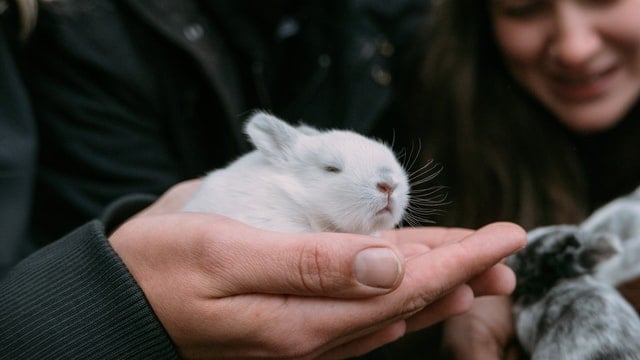
Key point:
Never give guava to rabbits under 7 months old or to any rabbit currently experiencing digestive problems.
There are several situations where you should skip the guava entirely:
- Rabbits under 7 months old: Young rabbits have sensitive digestive systems that are still developing the bacterial flora needed to process sugars. Feeding fruit to young rabbits can trigger diarrhea, which in baby rabbits can become life-threatening within hours.
- Rabbits with active digestive issues: If your rabbit has soft stools, is not pooping normally, or is showing signs of GI stasis (hunched posture, refusing food, bloated belly), remove all treats immediately. Feed only hay and water until the issue resolves, and contact your veterinarian.
- Overweight rabbits: If your vet has flagged your rabbit as overweight, cut out fruit treats entirely until the weight is under control. The sugar in guava, even in small amounts, adds calories that an overweight rabbit does not need.
- Rabbits on medication: Some medications interact with high-vitamin-C foods. If your rabbit is on antibiotics or other treatments, check with your vet before offering guava.
- First-time introduction: When offering guava for the first time, give only a tiny piece (about the size of a pea) and monitor your rabbit for 24 hours. Watch for soft cecotropes, diarrhea, or loss of appetite. If everything looks normal, you can gradually increase the portion over the next few feedings.
What Are the Risks of Overfeeding Guava to Rabbits?
Even though guava is safe in proper amounts, overfeeding creates real health risks:
- Gastrointestinal stasis (GI stasis): This is the most serious risk. When a rabbit fills up on sugary fruit instead of fiber-rich hay, gut motility slows down or stops entirely. GI stasis can become fatal within 24 to 48 hours if untreated. Signs include a bloated abdomen, refusal to eat, and very small or absent droppings.
- Diarrhea: Introducing too much guava too quickly overwhelms the cecum's bacterial balance, resulting in watery or mushy stools. In young or frail rabbits, dehydration from diarrhea can escalate fast.
- Uneaten cecotropes: When a rabbit's diet is too high in sugar and too low in fiber, the cecotropes (the soft, nutrient-rich droppings rabbits normally re-ingest) become overly soft and sticky. You may notice clusters of dark, shiny droppings stuck to your rabbit's fur or left on the cage floor.
- Dental problems: Sugar feeds harmful oral bacteria. Over time, excessive fruit consumption can contribute to tooth decay and dental abscesses, which are painful and expensive to treat in rabbits.
- Obesity: Rabbits over 5 years old have slower metabolisms, and the extra calories from fruit treats add up quickly. Obesity in rabbits leads to joint problems, reduced grooming ability, and a higher risk of fatty liver disease.
How to Prepare Guava for Your Rabbit
Follow these steps to safely prepare guava for your rabbit:
- Choose ripe guava: Select fruit that is slightly soft to the touch and has a fragrant smell. Avoid guava with brown spots, mold, or an overly mushy texture.
- Wash thoroughly: Rinse the guava under cool running water for 20 to 30 seconds, rubbing the surface gently to remove any pesticide residue or dirt.
- Cut into small cubes: Slice the guava into pieces roughly 1 cm x 1 cm. This prevents choking and makes portion control easier.
- Remove uneaten portions: If your rabbit does not finish the guava within 2 to 3 hours, remove the leftovers from the enclosure. Fresh fruit spoils quickly and can attract flies or grow bacteria.
- Do not cook the guava: Raw guava retains its full nutritional value. Cooked, canned, or processed guava (like guava paste or guava juice) often contains added sugar, preservatives, or other ingredients that are harmful to rabbits.
How Does Guava Compare to Other Rabbit-Safe Fruits?
To help you decide whether guava is the right treat choice, here is how it stacks up against other popular fruits for rabbits:
| Fruit | Sugar per 100g | Fiber per 100g | Key Benefit |
|---|---|---|---|
| Guava | 8.9 g | 5.4 g | High fiber and vitamin C |
| Apples | 10.4 g | 2.4 g | Widely available, good crunch |
| Mango | 13.7 g | 1.6 g | High in vitamin A |
| Strawberries | 4.9 g | 2.0 g | Low sugar option |
| Bananas | 12.2 g | 2.6 g | High potassium |
As you can see, guava has the highest fiber content of all these fruits while keeping sugar at a moderate level. This makes it one of the better fruit treat options for rabbits. If your rabbit enjoys guava, it is a smarter choice than higher-sugar fruits like mango or bananas.
Healthy Alternatives to Guava for Rabbits
Variety is important for keeping your rabbit interested in treats and ensuring a range of nutrients. Here are some other safe fruits and vegetables you can rotate alongside guava:
- Berries: Blueberries, strawberries, and raspberries are all low in sugar and high in antioxidants. Serve 1 to 2 berries per sitting.
- Papaya: Contains the enzyme papain, which some breeders believe helps prevent wool block in long-haired breeds. Offer a 1-inch cube twice per week.
- Apple slices: A classic rabbit treat. Always remove the seeds and core first, as apple seeds contain amygdalin.
- Fresh herbs: Basil, cilantro, parsley, and mint are excellent low-calorie treats that most rabbits love. These count as leafy greens rather than fruit treats, so they can be offered more frequently.
- Leafy greens: Romaine lettuce, bok choy, and other rabbit-safe vegetables should form the bulk of your rabbit's fresh food intake, not fruits.
Frequently Asked Questions
Can baby rabbits eat guava?
Can rabbits eat guava every day?
Can rabbits drink guava juice?
Is dried guava safe for rabbits?
What should I do if my rabbit ate too much guava?
Cite this article:
Cite this article:
BunnySync (March 20, 2026) Can Rabbits Eat Guava? Safe Feeding Guide for Rabbit Owners. Retrieved from https://bunnysync.com/blog/can-rabbits-eat-guava.
"Can Rabbits Eat Guava? Safe Feeding Guide for Rabbit Owners." BunnySync - March 20, 2026, https://bunnysync.com/blog/can-rabbits-eat-guava
Sources
- Guava, raw nutritional value
- Patry, Karen, et al. The Rabbit-Raising Problem Solver: Your Questions Answered about Housing, Feeding, Behavior, Health Care, Breeding, and Kindling. Storey Publishing, 2014.
- LaFeber Vet: Basic Rabbit Care
- Managing GI Stasis in Rabbits
- Obesity in Rabbits - PetMD
- BSAVA Manual of Rabbit Medicine