Yes, rabbits can eat watermelon, but only in small amounts as an occasional treat. Watermelon is high in sugar (about 6 grams per 100 grams of flesh), which can upset a rabbit's sensitive digestive system if overfed. The key is moderation: adult rabbits over 7 months old can safely enjoy a small piece of watermelon once or twice a week, while young bunnies should avoid it entirely.
As breeders, we have seen firsthand how excited rabbits get when they smell watermelon. They will practically climb over each other to get a bite. But that enthusiasm is exactly why portion control matters so much. Rabbits do not know what is good for them and would happily eat an entire slice if you let them.
The recommended diet for rabbits is 80 to 90% high-quality hay, 5 to 10% leafy greens, and no more than 5% treats. Watermelon falls firmly in the treat category. This guide covers everything you need to know about feeding watermelon to your rabbit safely, including portion sizes, nutritional benefits, risks, and which parts of the fruit are okay to share.
Is Watermelon Safe for Rabbits?
Watermelon is not toxic to rabbits, so it is considered safe in small quantities. The flesh, rind, and even the leaves and vines of the watermelon plant are all non-toxic. The only part you need to remove is the seeds, which pose a choking hazard and can potentially cause intestinal blockages in small animals.
That said, "safe" and "healthy" are two different things. Watermelon is about 91% water and contains roughly 7.6 grams of carbohydrates per 100 grams, most of which comes from simple sugars like glucose, fructose, and sucrose. A rabbit's digestive system is designed to process high-fiber, low-sugar foods. Their gut relies on a delicate balance of beneficial bacteria that break down fiber from hay and grass. Introducing too much sugar disrupts that balance, which is why watermelon should never be a regular part of your rabbit's diet.
For healthy adult rabbits, a small piece of watermelon once or twice a week is perfectly fine. Think of it the same way you would think of candy for a child: a rare treat that brings joy, not a dietary staple.
What Nutrients Does Watermelon Provide for Rabbits?
While watermelon should not be relied on as a nutritional source, it does contain some vitamins and minerals that benefit rabbits in small doses.
| Nutrient | Amount per 100g | Benefit for Rabbits |
|---|---|---|
| Water | 91g | Hydration support, especially in warm weather |
| Vitamin A | 203 mcg | Supports eye health and immune function |
| Vitamin C | 8.1 mg | Antioxidant protection (rabbits produce their own, but extra does not hurt in small amounts) |
| Vitamin B6 | 0.045 mg | Supports metabolism and nervous system |
| Potassium | 112 mg | Supports heart and muscle function |
| Magnesium | 10 mg | Supports bone health and enzyme function |
| Lycopene | 4,532 mcg | Powerful antioxidant (higher than tomatoes) |
| Sugar | 6.2g | Provides quick energy but harmful in excess |
| Fiber | 0.4g | Very low, not a meaningful fiber source |
The standout nutrient here is lycopene. Watermelon actually contains nearly twice the lycopene found in tomatoes per 100 grams, according to Aprifel's nutritional data. Lycopene is a powerful antioxidant that may support cellular health. However, the sugar content means your rabbit would need to eat far too much watermelon to get meaningful amounts of these nutrients, which is why hay, pellets, and leafy greens should always be the primary nutrition sources.
How Much Watermelon Can a Rabbit Eat?
The general rule for sugary treats is 1 tablespoon per 4 pounds of body weight, given no more than once or twice per week. Here is a practical breakdown by breed size.
| Breed Size | Weight Range | Watermelon Portion | Frequency |
|---|---|---|---|
| Small breeds (Netherland Dwarf, Mini Rex, Polish) | 1.1 to 3.5 lbs | 1 teaspoon | Once per week |
| Medium breeds (Holland Lop, Mini Lop, Dutch) | 4 to 7 lbs | 1 tablespoon | 1 to 2 times per week |
| Large breeds (New Zealand, Californian, Rex) | 8 to 12 lbs | 2 tablespoons | 1 to 2 times per week |
| Giant breeds (Flemish Giant, Continental Giant) | 12+ lbs | 2 to 3 tablespoons | 1 to 2 times per week |
Source: Patry, Karen, et al. The Rabbit-Raising Problem Solver. Storey Publishing, 2014.
These portions might look tiny, but remember that a rabbit's entire digestive system is built around processing fiber. Even a small amount of sugar goes a long way in their gut. If you are giving watermelon alongside other fruits or treats on the same day, reduce the portion accordingly. The total treat intake for the day should not exceed the amounts listed above.
Can Baby Rabbits Eat Watermelon?
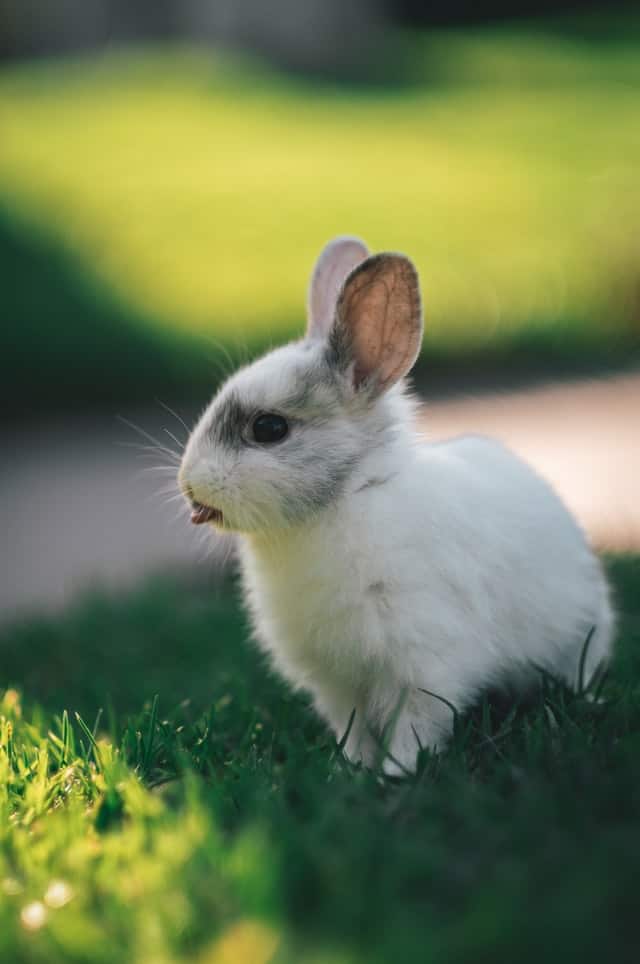
No. Rabbits under 7 months old should not eat watermelon or any other sugary treats. Young rabbits have immature gut flora that cannot properly process sugar and starch. Introducing these foods too early is one of the most common causes of fatal diarrhea in young rabbits.
Baby bunnies should stick exclusively to their mother's milk for the first 3 to 4 weeks, then gradually transition to alfalfa-based pellets and unlimited hay. Once a rabbit reaches 7 months old and has a well-established gut flora, you can begin introducing treats very slowly. Start with a tiny piece (half a teaspoon) and watch their droppings for the next 24 hours. If their poop remains firm and round, you can gradually increase to the recommended portion over the following weeks.
Can Rabbits Eat Watermelon Rind?
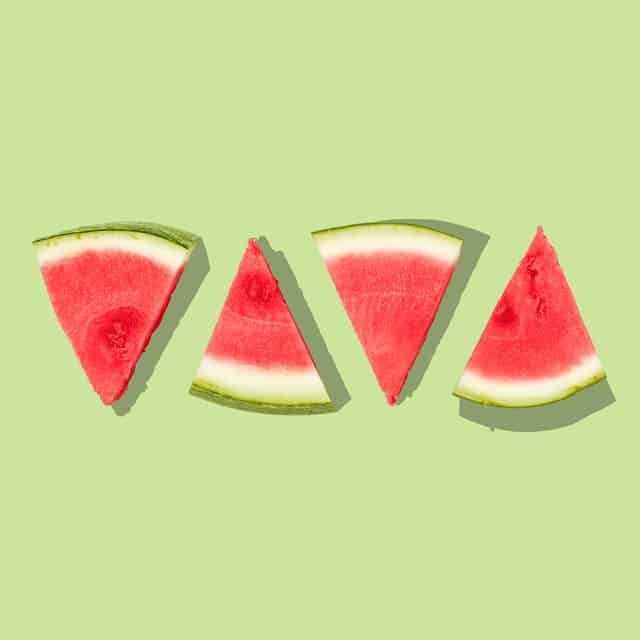
Yes, and in fact, the watermelon rind is actually a better choice for rabbits than the red flesh. The rind (the white and light green part between the outer skin and the red flesh) contains significantly less sugar and more fiber than the juicy center. Many experienced breeders prefer to offer the rind instead of the flesh precisely for this reason.
The tough, dark green outer skin is also safe for rabbits to eat, though most rabbits find it less appealing. If your rabbit enjoys gnawing on it, the outer skin provides a satisfying chewing experience that can help with dental wear.
When offering rind, cut it into small pieces that your rabbit can manage easily. A strip about the size of your thumb is a good starting point for medium-sized breeds. Always wash the watermelon thoroughly before cutting, as the outer surface may have pesticide residue or bacteria from handling.
Which Parts of the Watermelon Should You Avoid?
The only part of the watermelon you should avoid feeding your rabbit is the seeds. Both black mature seeds and white immature seeds can cause problems.
- Black seeds are hard and can cause intestinal blockages if swallowed. They are too small for rabbits to chew properly, so they tend to swallow them whole.
- White seeds are softer and less dangerous, but it is still best practice to remove them.
The easiest solution is to buy seedless watermelon varieties. If you have a seeded watermelon, take a moment to pick out the visible seeds before offering a piece to your rabbit. You do not need to be obsessive about getting every single white seed, but removing the black ones is important.
When Should You Not Feed Watermelon to Rabbits?

There are several situations where you should skip the watermelon entirely, even for adult rabbits.
If Your Rabbit Has Diarrhea or Soft Stools
A rabbit with diarrhea or mushy droppings already has a disrupted gut flora. Adding sugar to the mix makes things worse. If you notice any changes in your rabbit's droppings, stop all treats immediately and offer only hay and water until their digestion returns to normal. If diarrhea persists for more than 12 hours, contact a rabbit-savvy veterinarian.
If Your Rabbit Is Under 7 Months Old
As covered above, young rabbits cannot handle sugar. Their gut flora is still developing and is highly susceptible to imbalance. Stick to hay, pellets, and water until they are fully mature.
If Your Rabbit Is Overweight
Watermelon's sugar content contributes to weight gain over time. If your rabbit is already carrying extra weight, cut out all sugary treats and focus on unlimited hay and controlled portions of pellets until they reach a healthy weight.
During Pregnancy and Nursing
Pregnant and lactating does have increased nutritional demands. Their diet should focus on high-quality hay, pellets, and safe vegetables for rabbits that provide real nutritional value. Sugary treats like watermelon take up stomach space without providing meaningful nutrition for the mother or her developing kits.
If Your Rabbit Is Refusing Regular Food
Some rabbits develop a preference for sweet treats and start refusing their hay and pellets. If this happens, eliminate all treats completely until your rabbit returns to eating their regular daily feeding schedule. Hay must always be the foundation of a rabbit's diet, and no treat is worth compromising that.
What Are the Risks of Overfeeding Watermelon?
Giving your rabbit too much watermelon, or giving it too frequently, can lead to several health problems. Some of these are serious and even life-threatening.
Gastrointestinal Stasis (GI Stasis)
GI stasis is the most dangerous risk associated with a high-sugar, low-fiber diet. It occurs when the normal movement of the digestive tract slows down or stops completely. The gut bacteria produce excess gas, the rabbit stops eating, and without prompt treatment, the condition can be fatal within 24 to 48 hours. According to VCA Animal Hospitals, GI stasis is one of the most common emergencies seen in pet rabbits.
Signs of GI stasis include: no droppings for 12+ hours, a bloated or tight abdomen, refusing food and water, hunched posture, and teeth grinding from pain. If you notice any of these symptoms, get your rabbit to a vet immediately.
Diarrhea
Excess sugar feeds harmful bacteria in the cecum, disrupting the balance of gut flora. This can cause watery diarrhea, which leads to rapid dehydration. In young rabbits, severe diarrhea can be fatal within hours. Even in adults, prolonged diarrhea is a veterinary emergency.
Uneaten Cecotrophs
When rabbits eat too many treats and not enough hay, they produce soft, smelly cecotrophs that they fail to consume. You might notice these grape-like clusters stuck to your rabbit's fur or scattered around their enclosure. Uneaten cecotrophs are a clear sign that the diet needs adjustment, specifically more fiber and fewer treats.
Obesity
Chronic overfeeding of sugary treats leads to weight gain. Obese rabbits face a higher risk of heart disease, liver problems, arthritis, and difficulty grooming themselves (which can lead to fly strike in warmer months). Maintaining a healthy weight through a hay-based diet is one of the most important things you can do for your rabbit's long-term health.
Dental Problems
Rabbits that fill up on soft, sugary foods eat less hay. Hay is essential for wearing down a rabbit's continuously growing teeth. Without enough chewing on rough fiber, teeth can become overgrown, leading to painful spurs, abscesses, and difficulty eating.
How to Introduce Watermelon to Your Rabbit for the First Time
If your rabbit has never had watermelon before, follow these steps to introduce it safely.
- Confirm your rabbit is old enough. They must be at least 7 months old with a healthy, established digestive system.
- Start with a tiny amount. Offer half a teaspoon of watermelon flesh or a small piece of rind.
- Watch their droppings. Monitor their poop for the next 24 hours. Normal droppings should be round, firm, and uniform in size.
- Wait 3 to 5 days before offering more. This gives you time to confirm there are no digestive reactions.
- Gradually increase to normal portions. If everything looks good after 2 to 3 introductions, you can move up to the recommended portion size for your rabbit's breed.
- Never introduce two new foods at once. If your rabbit has a reaction, you need to know which food caused it.
Healthier Alternatives to Watermelon for Rabbits
Watermelon is fine as an occasional treat, but variety keeps things interesting for your rabbit. Here are some other fruits that are safe in similar small portions.
| Fruit | Sugar Content (per 100g) | Notes |
|---|---|---|
| Strawberries | 4.9g | Lower sugar than watermelon, includes vitamin C |
| Blueberries | 10g | Higher sugar, use sparingly, rich in antioxidants |
| Apples | 10.4g | Remove seeds and core, higher sugar so smaller portions |
| Papaya | 7.8g | Contains enzymes that may help with hairball prevention |
| Pears | 9.8g | Remove seeds, a popular treat among rabbits |
| Raspberries | 4.4g | Lower sugar option, good source of fiber for a fruit |
Remember that the same portion rules apply to all fruits. No matter which fruit you choose, limit sugary treats to the recommended tablespoon-per-4-pounds guideline, and never offer multiple fruit treats on the same day.
Can Rabbits Eat Watermelon Leaves and Vines?
Yes, watermelon leaves and vines are safe for rabbits to nibble on. They are not toxic and contain far less sugar than the fruit itself. Some rabbits enjoy chewing on the vines as an enrichment activity.
That said, watermelon leaves and vines should not become a staple part of your rabbit's diet. They do not offer significant nutritional value compared to the leafy greens that should make up the vegetable portion of their diet. Treat them as an occasional novelty rather than a regular offering.
If you grow your own watermelons, make sure the plants have not been treated with pesticides or herbicides before letting your rabbit munch on the vines. Organic, homegrown options are always the safest choice.
Tips for Serving Watermelon to Your Rabbit
- Always wash the fruit first. Even if you are only offering the flesh, washing removes surface contaminants.
- Remove all seeds. Black seeds especially can cause blockages. Seedless varieties are the most convenient option.
- Cut into small, manageable pieces. Bite-sized chunks are easier to eat and reduce the risk of choking.
- Serve at room temperature. Cold watermelon straight from the fridge can shock a rabbit's digestive system. Let it warm up slightly before offering.
- Remove uneaten pieces within 2 hours. Watermelon spoils quickly at room temperature and can attract flies, especially in warm weather.
- Offer rind over flesh when possible. The rind has more fiber and less sugar, making it the healthier option.
- Do not mix with other sugary treats. If you give watermelon, skip other fruits for the rest of the week.
Frequently Asked Questions
Can rabbits eat watermelon rind?
Yes, rabbits can safely eat watermelon rind. The rind is actually a better choice than the red flesh because it contains less sugar and more fiber. Cut the rind into small strips and offer it as an occasional treat, following the same portion guidelines as the flesh.
Can rabbits eat watermelon seeds?
No, you should always remove watermelon seeds before feeding watermelon to your rabbit. Black seeds are hard enough to cause intestinal blockages, and even white seeds are best removed. Buy seedless watermelon varieties to make preparation easier.
How often can I give my rabbit watermelon?
Healthy adult rabbits can have watermelon once or twice per week in small amounts. Follow the guideline of 1 tablespoon per 4 pounds of body weight. Do not offer watermelon on the same day as other sugary fruit treats.
Can watermelon make my rabbit sick?
Yes, if overfed. Too much watermelon can cause diarrhea, GI stasis, uneaten cecotrophs, and obesity. Stick to recommended portions, introduce new foods slowly, and monitor your rabbit's droppings after feeding any treat.
Is watermelon rind better than watermelon flesh for rabbits?
Yes. The rind contains less sugar and more fiber than the red flesh, making it a healthier treat option. Many breeders prefer offering rind exclusively because it provides the treat experience with fewer digestive risks.
Cite this article:
Cite this article:
BunnySync (February 23, 2026) Can Rabbits Eat Watermelon? Safe Feeding Guide for 2026. Retrieved from https://bunnysync.com/blog/can-rabbits-eat-watermelon.
"Can Rabbits Eat Watermelon? Safe Feeding Guide for 2026." BunnySync - February 23, 2026, https://bunnysync.com/blog/can-rabbits-eat-watermelon