Yes, rabbits can eat chicory safely. Every part of the chicory plant, including the leaves, stems, flowers, and roots, is non-toxic to rabbits and can be offered in moderation. Chicory (Cichorium intybus) is a nutrient-dense leafy green packed with vitamin A that makes an excellent addition to your rabbit's vegetable rotation. As breeders, we regularly include chicory leaves alongside other greens like dandelion greens and kale as part of a balanced diet. That said, chicory should only make up a portion of the 10% vegetable allowance in your rabbit's overall diet, with unlimited hay still forming the foundation at 80-90%.
What Is Chicory and Why Do Rabbits Love It?
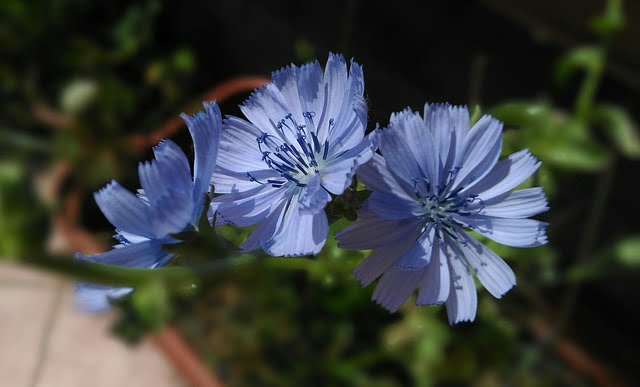
Chicory is a hardy perennial plant native to Western Asia, North Africa, and Europe. You may know it by its many common names: blue daisy, blue dandelion, wild endive, succory, or coffeeweed. It grows wild across roadsides, fields, and meadows throughout much of the world, and its bright blue flowers make it easy to spot during summer months.
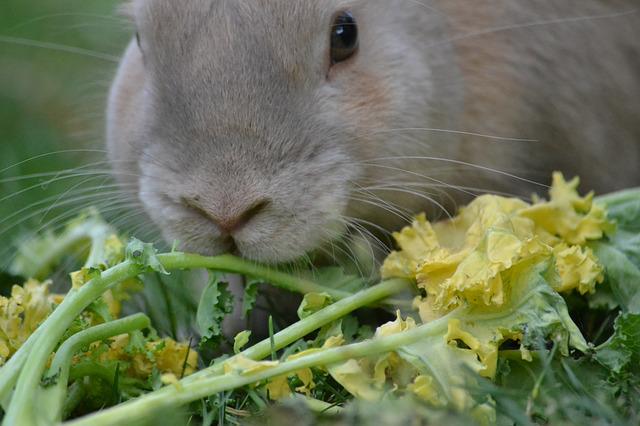
Rabbits are naturally drawn to chicory. In the wild, European rabbits forage on chicory alongside other plants in meadow environments. The slightly bitter taste of chicory leaves appeals to rabbits, and most domestic rabbits will eat it eagerly when offered.
Multiple rabbit owners across breeding communities confirm that their rabbits love chicory. One owner on BinkyBunny reported: "At my grocery store the curly endive is sold under the label 'Endive/Chicory.' My buns love it." In our own rabbitry, we have found that chicory leaves are consistently one of the most popular greens we offer.
Is Chicory Safe for Rabbits to Eat?
Chicory is completely safe for rabbits when fed as part of a balanced diet. The plant contains no compounds that are toxic to rabbits, and it has been used as livestock forage for centuries. According to the Lafeber Veterinary Basic Rabbit Care guide, leafy greens like chicory are an important component of a healthy rabbit diet.
However, there are two important safety conditions to keep in mind:
- Your rabbit must be at least 12 weeks old. Young rabbits under 12 weeks should only eat hay and a small amount of pellets. Their digestive systems are still developing, and introducing vegetables too early can cause serious gastrointestinal upset.
- Chicory must not replace hay. As long as your rabbit continues eating their primary hay-based diet, chicory is a safe and beneficial supplement. The only way chicory could harm your rabbit is if they fill up on it instead of eating enough fiber from hay.
If you are introducing chicory to your rabbit for the first time, start with a small piece (roughly the size of your thumbnail) and wait 24 hours. Watch for any changes in stool consistency or appetite. If everything looks normal, you can gradually increase the portion over the next week.
What Are the Nutritional Benefits of Chicory for Rabbits?
Chicory is more nutritionally dense than many common vegetables fed to rabbits. Here is a breakdown of what 100 grams of raw chicory greens contains:
| Nutrient | Amount per 100g | Benefit for Rabbits |
|---|---|---|
| Vitamin A | 5,717 IU | Supports vision, immune function, and reproduction |
| Vitamin K | 297.6 mcg | Essential for blood clotting and bone health |
| Vitamin C | 24 mg | Antioxidant support (rabbits produce their own, but extra helps) |
| Fiber | 4.0 g | Supports healthy gut motility |
| Calcium | 100 mg | Bone and teeth strength |
| Potassium | 420 mg | Supports heart and muscle function |
| Folate | 110 mcg | Supports cell growth and development |
| Water content | 92% | Contributes to hydration |
Vitamin A Powerhouse
The standout nutrient in chicory is vitamin A. With over 5,700 IU per 100 grams, chicory provides significantly more vitamin A than many other common rabbit vegetables. Vitamin A is crucial for maintaining healthy eyesight, supporting the immune system, and ensuring proper reproductive health in breeding does and bucks.
Good Source of Fiber
For a leafy green, chicory has a respectable fiber content at 4 grams per 100 grams. While this does not come close to replacing hay (which provides 25-30% crude fiber), it contributes positively to your rabbit's overall fiber intake.
Calcium Considerations
Chicory contains 100 mg of calcium per 100 grams, which is moderate compared to other greens. Rabbits metabolize calcium differently than most animals. They absorb all dietary calcium and excrete the excess through their urine. This is why rabbit urine is naturally cloudy and white. While moderate calcium is fine, rabbits prone to urinary sludge or bladder stones should have their high-calcium vegetable intake monitored. Rotate chicory with lower-calcium options like bell peppers to keep calcium intake balanced.
How Much Chicory Can a Rabbit Eat?
The right amount of chicory depends on your rabbit's weight and age. As a general rule, all vegetables combined (including chicory) should make up about 10% of your rabbit's daily diet.
Here is a practical feeding guide based on rabbit breed size:
| Breed Size | Typical Weight | Total Vegetables Per Day | Chicory Portion (as part of mix) |
|---|---|---|---|
| Small breeds (Netherland Dwarf, Mini Rex) | 1.1 to 3.5 lbs | Up to 128 g (about 1 cup) | 1-2 large leaves |
| Medium breeds (Holland Lop, Rex) | 6 to 10 lbs | 384 to 640 g (2-3 cups) | 3-5 large leaves |
| Large breeds (Flemish Giant, French Lop) | 9 to 12+ lbs | 384 to 760 g (3-4 cups) | 5-8 large leaves |
Source: Patry, Karen, et al. The Rabbit-Raising Problem Solver. Storey Publishing, 2014.
We recommend offering chicory as one of 3-5 different vegetables in a daily rotation rather than as the sole green. This ensures your rabbit gets a variety of nutrients and reduces the risk of overconsumption of any single nutrient like calcium or vitamin A.
When Can Rabbits Start Eating Chicory?
Age plays a critical role in when you should introduce chicory. Here is a timeline based on veterinary feeding guidelines:
| Age | Chicory Recommendation |
|---|---|
| 0 to 12 weeks | No chicory. Hay and a small amount of pellets only. |
| 12 weeks to 7 months | Introduce one small piece at a time. Wait 24 hours between new foods. |
| 7 months to 1 year | Gradually increase vegetable portions including chicory. |
| 1 to 5 years (adult) | Full vegetable portions. 1-2 cups of mixed greens per 6 lbs body weight. |
| 6+ years (senior) | Continue offering if tolerated. Monitor weight and adjust portions as needed. |
The key with young rabbits is patience. Introduce only one new vegetable at a time and give their digestive system at least a week to adjust before adding another new food to the rotation.
Which Parts of the Chicory Plant Can Rabbits Eat?
All parts of the chicory plant are edible for rabbits, but each part has different nutritional value and should be offered differently.
Chicory Leaves
The leaves are the best part of the chicory plant for rabbits. They are rich in vitamin A, have good fiber content, and most rabbits eat them enthusiastically. Feed chicory leaves as part of your rabbit's daily vegetable portion, mixed with other greens.
Chicory Stems
Chicory stems are safe and provide a satisfying crunch that rabbits enjoy. The stems have slightly less nutritional value than the leaves but are perfectly fine to include. Some rabbits prefer the stems over the leaves because of the texture.
Chicory Flowers
The bright blue flowers of the chicory plant are edible and safe for rabbits. Many rabbits find them to be a tasty treat. Flowers can be offered as an occasional enrichment item alongside regular greens. If you forage chicory flowers from the wild, make sure the area has not been treated with pesticides, herbicides, or chemical fertilizers.
Chicory Roots
Chicory roots are safe but should be treated differently than the rest of the plant. The roots are higher in inulin (a type of carbohydrate) and lower in the beneficial fiber and vitamins found in the leaves. Offer chicory roots only as an occasional treat: one teaspoon-sized piece, once or twice per week at most. Do not make roots a regular part of the diet.
What Types of Chicory Can Rabbits Eat?
There are several cultivated and wild varieties of chicory, and most are safe for rabbits. Here are the most common types:
- Radicchio: The red-leafed Italian chicory found in most grocery stores. Safe and nutritious for rabbits.
- Belgian endive (witloof): Pale, crunchy, and slightly bitter. A great option that most rabbits enjoy.
- Wild chicory: The roadside plant with blue flowers. Safe if harvested from unsprayed areas.
- Catalogna (puntarelle): An Italian variety with dandelion-like leaves. Excellent for rabbits.
- Sugarloaf chicory: Resembles a tall head of romaine lettuce. Safe and well-tolerated.
- Forage chicory (Puna, Grouse, Choice): Agricultural varieties bred specifically for livestock grazing. These are excellent for rabbits if you can source them.
All of these varieties follow the same feeding guidelines. Offer them as part of the 10% vegetable portion of your rabbit's diet.
When Should You Not Feed Chicory to Rabbits?
While chicory is generally safe, there are specific situations where you should avoid feeding it:
During Digestive Problems
If your rabbit is producing uneaten cecotrophs (the soft, grape-like droppings they normally re-ingest), has watery stool, or shows signs of reduced appetite, stop all vegetables immediately. Remove everything except hay and fresh water. These symptoms often indicate that the gut flora is out of balance, and adding more vegetables will only make things worse.
Under 12 Weeks of Age
As mentioned above, kits younger than 12 weeks should not eat any vegetables, including chicory. Their gastrointestinal tract is still developing the microbial communities needed to process plant matter beyond hay.
If Your Rabbit Has Urinary Issues
Rabbits that have been diagnosed with urinary sludge or bladder stones should have their calcium intake closely monitored. While chicory is not the highest-calcium green available, at 100 mg per 100 grams it is moderate. Consult your rabbit-savvy veterinarian about which vegetables are appropriate if your rabbit has urinary calcium issues.
If the Chicory Has Been Sprayed
Never feed your rabbit chicory (or any foraged plant) that has been treated with pesticides, herbicides, or grown near busy roads where exhaust contamination is likely. If you are unsure about the source, stick to organic store-bought chicory.
Risks of Overfeeding Chicory to Rabbits
Chicory itself is not dangerous, but overfeeding any vegetable at the expense of hay creates serious health risks:
- Uneaten cecotrophs: When rabbits eat too many vegetables and not enough hay, their cecotrophs become soft and sticky. The rabbit stops eating them, which leads to nutrient deficiencies and a messy bottom that can attract flies (a condition called flystrike).
- Diarrhea: True diarrhea in rabbits is a veterinary emergency. It differs from soft cecotrophs in that the fecal pellets themselves become liquid. Overfeeding vegetables while underfeeding hay is one of the most common causes. If your rabbit develops watery diarrhea, seek veterinary care immediately, as rabbits can become fatally dehydrated within hours.
- GI stasis: Gastrointestinal stasis occurs when the digestive system slows down or stops entirely. A diet too low in fiber and too high in sugars or starches disrupts the gut's microbial balance. GI stasis is one of the leading causes of death in pet rabbits and requires immediate veterinary treatment.
- Excess vitamin A: While rare, consistently overfeeding high-vitamin-A foods like chicory without adequate rotation could theoretically contribute to vitamin A toxicity over time. Rotating your vegetables prevents this from ever becoming an issue.
The simple way to avoid all of these problems is to follow the 80-90% hay rule. As long as your rabbit is eating plenty of timothy, orchard grass, or meadow hay every day, the risk from moderate chicory feeding is extremely low.
How to Prepare and Serve Chicory to Your Rabbit
Proper preparation ensures your rabbit gets the most benefit from chicory while minimizing any risks.
- Choose fresh chicory. Look for leaves that are crisp and bright green (or red for radicchio). Avoid wilted, yellowed, or slimy leaves.
- Wash thoroughly. Rinse all chicory under cool running water to remove dirt, pesticide residue, and any insects. This is important even for organic produce.
- Dry the leaves. Pat the chicory dry with a clean towel or use a salad spinner. Excess moisture on vegetables can contribute to soft stools in some rabbits.
- Tear into manageable pieces. For small breeds, tear large leaves into smaller sections. Medium and large breeds can handle whole leaves.
- Mix with other greens. Combine chicory with 2-4 other safe vegetables for a varied salad. Good companions include cilantro, parsley, romaine lettuce, and clover.
- Serve at room temperature. Do not feed chicory straight from the refrigerator. Cold vegetables can cause digestive discomfort in some rabbits. Let it sit on the counter for 10-15 minutes first.
- Remove uneaten portions. Any chicory left uneaten after 2-3 hours should be removed from the enclosure to prevent bacterial growth.
Healthy Alternatives to Chicory
Variety is essential for a healthy rabbit diet. Here are some excellent alternatives and companions to rotate alongside chicory:
| Vegetable | Key Nutrient | Feeding Frequency |
|---|---|---|
| Romaine lettuce | Hydration, low calcium | Daily staple |
| Cilantro | Vitamin A, vitamin K | Daily rotation |
| Parsley | Vitamin C, vitamin K | 2-3 times per week (higher calcium) |
| Dandelion greens | Vitamin A, calcium | 2-3 times per week |
| Bell peppers | Vitamin C, low calcium | Daily rotation |
| Basil | Vitamin K, manganese | Daily rotation |
| Kale | Vitamin A, vitamin C | 2-3 times per week (higher calcium) |
| Watercress | Vitamin K, vitamin C | 2-3 times per week |
For a comprehensive list of rabbit-safe vegetables, see our guide on what vegetables to feed your rabbit.
Frequently Asked Questions
Can rabbits eat chicory roots?
Yes, but only as an occasional treat. Chicory roots are high in inulin and low in the fiber rabbits need. Offer a teaspoon-sized piece once or twice per week at most. The leaves and stems are a much better choice for regular feeding.
Can rabbits eat chicory every day?
Rabbits can eat chicory leaves daily as part of a mixed vegetable rotation, but it should not be the only green offered. Rotate chicory with 3-4 other vegetables to ensure balanced nutrition and prevent excess calcium or vitamin A intake.
Is radicchio safe for rabbits?
Yes. Radicchio is a variety of chicory and is completely safe for rabbits. The red-pigmented leaves contain anthocyanins, which are antioxidants. Offer radicchio in the same portions as regular chicory, mixed with other greens.
Can wild chicory be fed to rabbits?
Wild chicory is safe if harvested from areas free of pesticides, herbicides, and road pollution. Look for the distinctive blue flowers to identify it in fields and meadows. Wash thoroughly before feeding and introduce it gradually like any new food.
How do I store chicory for my rabbit?
Store fresh chicory in the refrigerator wrapped in a damp paper towel inside a loose plastic bag. It will stay fresh for 5-7 days. Discard any leaves that become slimy, yellowed, or have an off smell. Always bring chicory to room temperature before serving.
Cite this article
Cite this article:
BunnySync (March 20, 2026) Can Rabbits Eat Chicory? Safe Feeding Guide for 2026. Retrieved from https://bunnysync.com/blog/can-rabbits-eat-chicory.
"Can Rabbits Eat Chicory? Safe Feeding Guide for 2026." BunnySync - March 20, 2026, https://bunnysync.com/blog/can-rabbits-eat-chicory