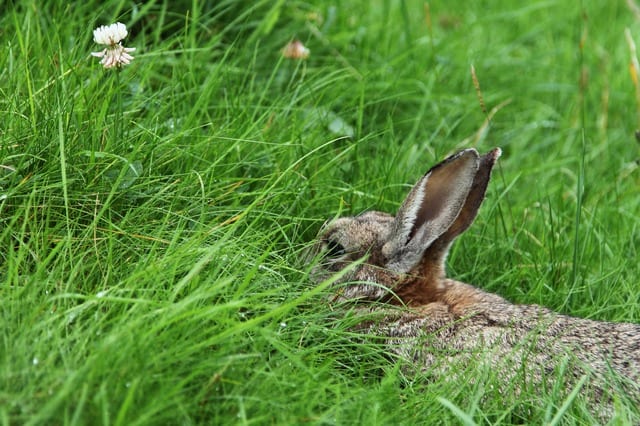
Yes, rabbits can eat clover safely, and most rabbits love it. Every part of the clover plant, including the leaves, stems, and flowers, is safe for rabbits that are at least 12 weeks old. Clover is one of the most nutritious forage plants you can offer your rabbit, packed with protein, fiber, and essential minerals. The key is feeding it in moderation alongside a hay-based diet, not as a replacement for hay.
As breeders who have been raising rabbits for years, we regularly let our rabbits graze on clover growing in our yards. Wild rabbits eat clover year-round, and domestic rabbits benefit from it just as much when it is offered correctly. Below, we cover everything you need to know about feeding clover to your rabbits, from which types are safest to exact portion sizes by breed.
Is Clover Safe for Rabbits?
Clover (Trifolium) is one of the safest wild plants you can feed to rabbits. Unlike many garden plants and weeds that pose toxicity risks, clover has no known toxic compounds for rabbits. Both wild and domestic rabbits have been eating clover for centuries, and it remains one of the most recommended forage greens among experienced breeders and rabbit-savvy veterinarians.
That said, "safe" does not mean "unlimited." Clover is higher in protein and calcium than most leafy greens, which means overfeeding it can contribute to urinary issues or digestive upset over time. Think of clover as a nutritious part of your rabbit's vegetable rotation, not the entire rotation. As long as hay makes up 80% or more of your rabbit's diet, clover is a perfectly safe addition.
What Types of Clover Can Rabbits Eat?
There are several common clover species, and most are safe for rabbits. However, some varieties deserve more caution than others. Here is a breakdown of the most common types.
White Clover (Trifolium repens)
White clover is the most common variety found in lawns and pastures across North America and Europe. It is completely safe for rabbits and is the type most breeders recommend. The small white flowers and three-lobed leaves are easy to identify, and rabbits tend to eat both eagerly. White clover is lower in protein than red clover, making it a good everyday forage option.
Red Clover (Trifolium pratense)
Red clover is also safe for rabbits. It has larger leaves and distinctive pink-red flower heads. Red clover contains slightly higher protein levels than white clover, which makes it a more filling treat. Some breeders prefer red clover for nursing does who need extra protein during lactation. Feed it in the same moderation as white clover.
Crimson Clover (Trifolium incarnatum)
Crimson clover, commonly grown as a cover crop, is safe for rabbits as well. Its elongated, deep red flower heads make it easy to distinguish from other varieties. Rabbits typically enjoy both the leaves and flowers of this species. Because crimson clover is often grown in agricultural settings, make sure any you harvest has not been sprayed with herbicides or pesticides before feeding it to your rabbit.
Sweet Clover (Melilotus): Use Caution
Sweet clover is the one variety that requires extra caution. While fresh sweet clover is generally safe in small amounts, moldy or spoiled sweet clover can produce a compound called dicoumarol, which interferes with blood clotting. This is the same compound that was originally used to develop the anticoagulant warfarin. Never feed wilted, dried, or moldy sweet clover to your rabbits. If you are unsure which variety you have, stick with white or red clover to stay on the safe side.
What Parts of the Clover Plant Can Rabbits Eat?
Rabbits can eat every part of the clover plant. Here is what to expect from each part:
- Leaves: The most commonly fed part. Clover leaves are tender, easy to digest, and packed with nutrients. Most rabbits eat these first when offered a whole clover plant.
- Stems: Slightly tougher than leaves, stems provide additional fiber. They are perfectly safe and help contribute to dental wear, which is important for rabbits whose teeth grow continuously.
- Flowers: Both white and red clover flowers are safe, and many rabbits consider them a treat. Flowers contain slightly more sugar than leaves, so feed them sparingly as part of the overall portion.
- Sprouts: Clover sprouts are safe for rabbits and are especially tender. They make a good option for older rabbits or those with dental issues that make chewing tougher plants difficult.
The main thing to watch for when feeding any part of the clover plant is pesticide contamination. Never harvest clover from lawns or fields that have been treated with herbicides, pesticides, or chemical fertilizers. If you are not sure about a particular patch of clover, consider growing your own in a pot or purchasing it from a trusted organic source.
What Are the Health Benefits of Clover for Rabbits?
Clover is more than just a safe snack. It offers several nutritional benefits that make it a valuable addition to your rabbit's diet when fed properly.
| Nutrient | Benefit for Rabbits |
|---|---|
| Fiber | Supports healthy digestion and gut motility |
| Protein (15-25%) | Higher than most greens, beneficial for growing and nursing rabbits |
| Calcium | Supports bone and dental health, especially in young rabbits |
| Vitamin C | Supports immune function and tissue repair |
| Vitamin A | Promotes healthy eyes, skin, and coat |
| Magnesium | Supports muscle and nerve function |
| Potassium | Helps regulate fluid balance and heart function |
The relatively high protein content makes clover especially useful for certain groups of rabbits. Breeding does, nursing mothers, and growing kits can benefit from the extra protein that clover provides compared to other leafy greens. For adult rabbits that are not breeding, the higher protein is fine in moderation but should not replace lower-protein greens like cilantro or cucumber in their regular rotation.
According to VCA Animal Hospitals, leafy greens like clover should make up a portion of a rabbit's daily vegetable intake, with the majority of the diet consisting of unlimited grass hay.
How Much Clover Should You Feed Your Rabbit?
The right amount of clover depends on your rabbit's size, age, and overall diet. As a general rule, clover should be counted as part of your rabbit's daily vegetable portion, not given on top of it. The total vegetable allowance for an adult rabbit is approximately 1 packed cup of greens per 2 pounds of body weight per day.
Here is a reference table based on breed size:
| Rabbit Size (by breed) | Daily Vegetable Allowance | Clover Portion (within allowance) |
|---|---|---|
| Small breeds (1-3.5 lbs) | 0.5-1.5 cups | Up to 1/3 of the vegetable mix |
| Medium breeds (6-10 lbs) | 3-5 cups | Up to 1/3 of the vegetable mix |
| Large breeds (9-12 lbs) | 4.5-6 cups | Up to 1/3 of the vegetable mix |
We recommend rotating clover with at least two or three other greens each day. A typical daily salad for one of our medium-sized rabbits might include a handful of clover, some parsley, and a few leaves of romaine lettuce. This variety ensures balanced nutrition and reduces the risk of calcium buildup from any single green.
When Can Baby Rabbits Start Eating Clover?
Baby rabbits should not eat clover or any fresh vegetables until they are at least 12 weeks old. Before that age, their digestive systems are still developing and fresh greens can cause serious digestive upset, including potentially fatal diarrhea.
Here is a feeding timeline for introducing clover to young rabbits:
| Age | Clover Feeding Guideline |
|---|---|
| 0-12 weeks | No clover. Mother's milk and alfalfa hay only, transitioning to grass hay. |
| 12-16 weeks | Introduce a single small leaf every other day. Watch for soft stool. |
| 4-7 months | Gradually increase to a small handful, mixed with other greens. |
| 7 months to 1 year | Increase toward adult portions slowly. |
| Adult (1+ years) | Full adult portion as part of daily vegetable rotation. |
When introducing clover for the first time, offer just one small leaf and wait 24 hours to check for any digestive changes. If your rabbit's droppings remain firm and round, you can gradually increase the amount over the next one to two weeks.
Can Rabbits Eat Clover Every Day?
Technically, rabbits can eat a small amount of clover every day without immediate harm. However, we do not recommend making it a daily staple. A varied diet of different leafy greens is better for your rabbit's overall health because each plant provides a slightly different nutrient profile.
Clover is higher in calcium than many other common greens. While calcium is essential for young and growing rabbits, too much calcium in adult rabbits can contribute to bladder sludge or urinary stones over time. Rotating clover with lower-calcium greens like celery, romaine lettuce, and herbs helps keep calcium intake balanced.
A good rule of thumb: offer clover three to four times per week rather than every day, and always mix it with other rabbit-safe vegetables for variety.
What Are the Risks of Feeding Too Much Clover?
While clover is safe in normal amounts, overfeeding it can cause several health problems. Here are the main risks every rabbit owner should know about.
Gastrointestinal Stasis
If a rabbit fills up on clover and eats less hay as a result, the reduced fiber intake can slow down gut motility. GI stasis is a serious, potentially life-threatening condition where the digestive system slows or stops entirely. According to a study published in the National Library of Medicine, digestive disorders are among the leading health concerns in domestic rabbits, often linked to inadequate fiber intake.
Diarrhea
Introducing too much clover too quickly, especially in young rabbits or rabbits not accustomed to fresh greens, can cause loose stools or diarrhea. This is particularly dangerous in young rabbits because dehydration from diarrhea can become life-threatening within hours. Always introduce clover gradually and monitor droppings for the first 24 to 48 hours after any dietary change.
Uneaten Cecotropes
When rabbits consume too many rich greens and not enough hay, their cecotropes (the soft, nutrient-rich droppings they normally re-ingest) can become overly soft. Mushy cecotropes may stick to your rabbit's fur rather than being consumed properly. This creates hygiene problems and can increase the risk of fly strike during warm weather, which is a serious and sometimes fatal condition.
Excess Calcium Buildup
Clover contains more calcium than many common rabbit vegetables. While growing rabbits need calcium for bone development, adult rabbits that consume too much calcium over time can develop white, chalky urine or bladder sludge. If you notice your rabbit's urine becoming thick or gritty, reduce high-calcium greens like clover, spinach, and parsley, and consult your veterinarian.
How to Safely Introduce Clover to Your Rabbit's Diet
Whether you are picking clover from your yard or purchasing it, follow these steps to introduce it safely:
- Confirm your rabbit's age. Only feed clover to rabbits that are 12 weeks or older.
- Check the source. Make sure the clover has not been treated with pesticides, herbicides, or chemical fertilizers. Avoid clover growing near roadsides where exhaust fumes and road salt settle.
- Wash thoroughly. Rinse clover under cool running water to remove dirt, insect residue, and any surface contaminants.
- Start with one leaf. Offer a single small clover leaf and wait a full 24 hours before offering more.
- Monitor droppings. If droppings remain normal (firm, round pellets), you can gradually increase the amount over one to two weeks.
- Mix with other greens. Once your rabbit tolerates clover well, include it as part of a mixed vegetable serving rather than feeding it alone.
- Remove uneaten portions. Fresh clover wilts quickly. Remove any uneaten clover after a few hours to prevent your rabbit from eating spoiled greens.
Can Wild Rabbits Eat Clover?
Wild rabbits are some of the biggest clover consumers in nature. Cottontail rabbits, European rabbits, and other wild species eat clover year-round wherever it grows naturally. During spring and summer, clover often makes up a significant portion of a wild rabbit's diet because it is abundant, easy to access, and highly nutritious.
If you enjoy watching wild rabbits in your yard, planting a patch of white clover can attract them while providing a natural, safe food source. Just make sure the area is free from pesticides and that attracting wild rabbits will not create conflicts with your garden or domestic pets.
For more on how wild rabbits find food in different environments, read our guide on how rabbits get their food in the wild.
Clover vs. Other Common Forage Plants for Rabbits
If you forage greens for your rabbit, you might wonder how clover stacks up against other common wild plants. Here is a quick comparison to help you plan a varied forage mix:
| Plant | Safe? | Protein Level | Calcium Level | Best For |
|---|---|---|---|---|
| White Clover | Yes | Moderate-High | Moderate-High | General forage, nursing does |
| Dandelion | Yes | Moderate | High | Liver support, urinary health |
| Chickweed | Yes | Low-Moderate | Low | Low-calcium rotation option |
| Plantain (Plantago) | Yes | Low | Moderate | Digestive soothing |
Mixing clover with dandelion greens and chickweed gives your rabbit an excellent, nutrient-diverse forage mix. This combination provides varying levels of protein and calcium, which helps prevent any single nutrient from building up to problematic levels in your rabbit's system.
Healthy Alternatives to Clover for Rabbits
If clover is not available in your area, or you simply want to rotate your rabbit's greens for variety, here are some excellent alternatives that most rabbits enjoy:
- Basil
- Mint
- Kale (in moderation due to calcium content)
- Romaine lettuce
- Bok choy
- Wheatgrass
- Carrot tops
- Raspberry leaves
Aim to offer at least three different greens per day. This approach ensures nutritional variety and keeps your rabbit interested in their food over the long term.
Frequently Asked Questions
Can rabbits eat clover flowers?
Yes, rabbits can safely eat both white and red clover flowers. Many rabbits enjoy the slightly sweet taste of clover blossoms. Feed flowers as part of the regular vegetable portion rather than in addition to it, since they contain a bit more sugar than the leaves.
Can rabbits eat clover from my yard?
Rabbits can eat yard clover as long as it has not been treated with pesticides, herbicides, or chemical fertilizers. Avoid clover growing near roads or in areas where other animals frequently visit. Wash all foraged greens thoroughly under running water before feeding them to your rabbit.
Can baby rabbits eat clover?
Baby rabbits should not eat clover until they are at least 12 weeks old. Their digestive systems are too immature to handle fresh vegetables before that age. After 12 weeks, introduce clover slowly by offering a single small leaf every other day and monitoring for soft droppings.
Is dried clover safe for rabbits?
Dried clover, such as clover hay or dried clover mixed into herbal treat blends, is safe for rabbits as long as it was dried properly and shows no signs of mold. Many commercial rabbit treat mixes include dried clover flowers. Avoid any dried clover that smells musty or appears discolored.
Can clover cause gas in rabbits?
Clover can contribute to gas if a rabbit eats too much at once, especially when first introduced to the diet. Because rabbits cannot pass gas efficiently, bloating can become a serious health concern. Introduce clover gradually and ensure your rabbit always has access to unlimited hay to keep their digestive system moving properly.
Cite this article:
BunnySync (February 26, 2026) Can Rabbits Eat Clover? Safe Feeding Guide for 2026. Retrieved from https://bunnysync.com/blog/can-rabbits-eat-clover.
"Can Rabbits Eat Clover? Safe Feeding Guide for 2026." BunnySync - February 26, 2026, https://bunnysync.com/blog/can-rabbits-eat-clover