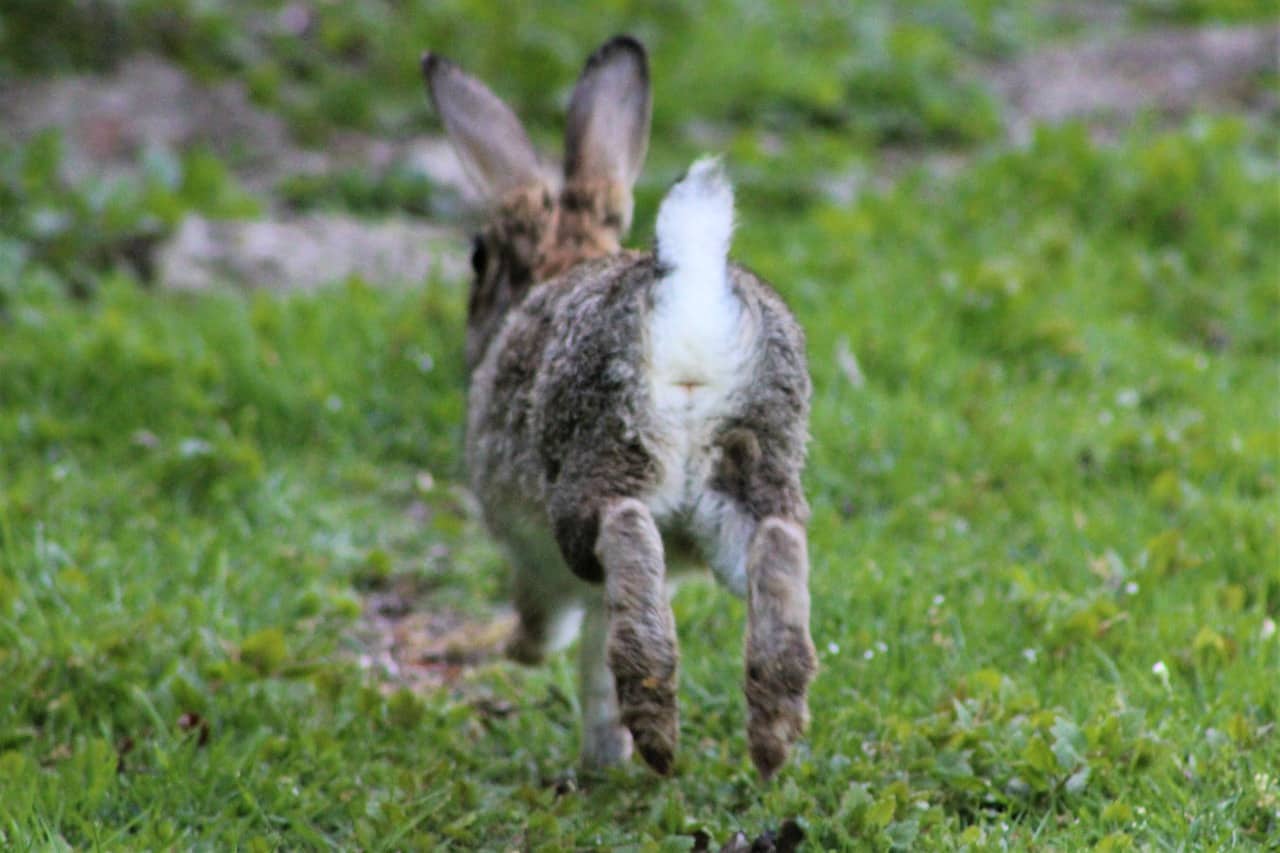
Why does my rabbit run away from me? If you are asking this question, you are not alone. Rabbits flee from their owners for several reasons, including fear, pain, hormonal behavior, or simply not having bonded with you yet. As prey animals, rabbits are hardwired to escape anything they perceive as a threat, and that includes well-meaning hands reaching toward them.
The good news is that with patience, consistency, and the right approach, you can build a strong bond with your rabbit and significantly reduce this behavior. Below, we break down every common cause and share proven bonding techniques that experienced breeders rely on.
Why Does My Rabbit Run Away From Me?
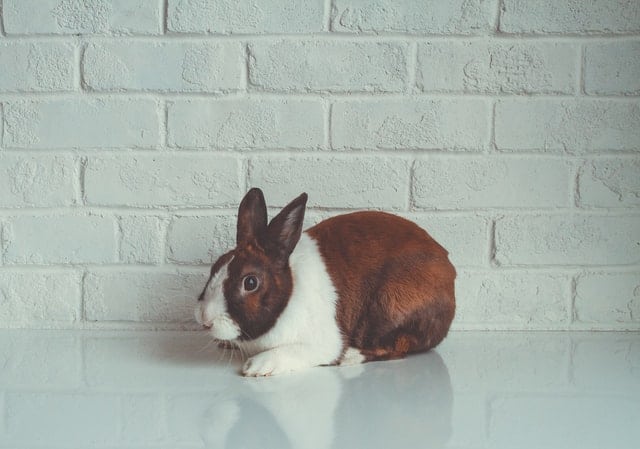
There are several reasons your rabbit might bolt every time you approach. Some are behavioral, some are medical, and others are simply part of being a prey animal. Here are the most common causes.
Your Rabbit Has Not Bonded With You Yet
This is the number one reason rabbits run from their owners, especially new ones. Rabbits do not automatically trust humans the way dogs do. Trust must be earned over days or weeks of consistent, gentle interaction.
If you just brought your rabbit home, expect them to be cautious and skittish. They need time to learn that you are safe. During this period, avoid chasing or grabbing your rabbit. Instead, sit on the floor near their enclosure and let them approach you at their own pace.
If your rabbit is suddenly scared of you after previously being friendly, something specific may have broken the trust you already built, and you will need to start the bonding process over.
You Accidentally Hurt Your Rabbit
Many rabbit owners, especially new ones, unintentionally hurt their rabbits through improper handling. Picking a rabbit up by the ears, scruffing them, or holding them too tightly can cause real pain and make your rabbit associate your hands with discomfort.
Rabbits have delicate spines and can fracture vertebrae if they thrash while being held incorrectly. Once a rabbit learns that being picked up leads to pain, they will actively avoid you whenever you reach for them.
The proper way to pick up a rabbit is to slide one hand under their chest and the other under their hindquarters, keeping them close to your body at all times. Support their full weight and never let their hind legs dangle freely.
Your Rabbit Is in Pain or Sick
Rabbits instinctively hide signs of illness because showing weakness in the wild makes them a target for predators. When a rabbit is in pain, they often withdraw and avoid contact. Running away when you approach can be a subtle early warning sign that something is wrong.
The Merck Veterinary Manual notes that rabbits are particularly skilled at masking illness, making behavioral changes one of the earliest indicators of health problems. Watch for these additional symptoms alongside the running behavior:
- Loss of appetite or changes in eating habits
- Reduced or absent droppings
- Hunched posture with ears pressed flat against the body
- Loud teeth grinding, which signals pain rather than contentment
- Lethargy or reluctance to move around
- Hiding in corners or under furniture for extended periods
If your rabbit's running behavior is new and accompanied by any of these signs, schedule a visit with a rabbit-savvy veterinarian as soon as possible.
Hormonal Behavior in Unneutered Rabbits
Unneutered rabbits experience hormonal surges that cause unpredictable mood swings and behavioral changes. This is particularly noticeable in does (female rabbits) but can affect bucks as well. Hormones can make a previously friendly rabbit suddenly skittish, territorial, or aggressive.
According to the House Rabbit Society, common hormonal behaviors include:
- Loss of litter box habits
- Urine spraying to mark territory
- Mounting objects, toys, or other rabbits
- Growling, lunging, or biting when approached
- Circling your feet while honking
- Destructive digging and chewing, especially in females
Spaying or neutering your rabbit typically resolves these hormonal behaviors within a few weeks. It also provides significant health benefits, including a dramatically reduced risk of reproductive cancers in females.
Your Rabbit Was Startled
Rabbits have a very strong startle reflex. Approaching from behind, making sudden movements, or creating loud noises will trigger an immediate flight response. This does not mean your rabbit dislikes you. It simply means their survival instincts kicked in before they could register that it was just you.
To avoid startling your rabbit, always approach from the front or side where they can see you clearly. Speak softly to announce your presence before reaching toward them. Rabbits have nearly 360-degree vision, but they have a small blind spot directly in front of their nose and behind their head, so approaching from these angles can catch them off guard.
Why Does My Rabbit Run Away When I Try to Pet Them?
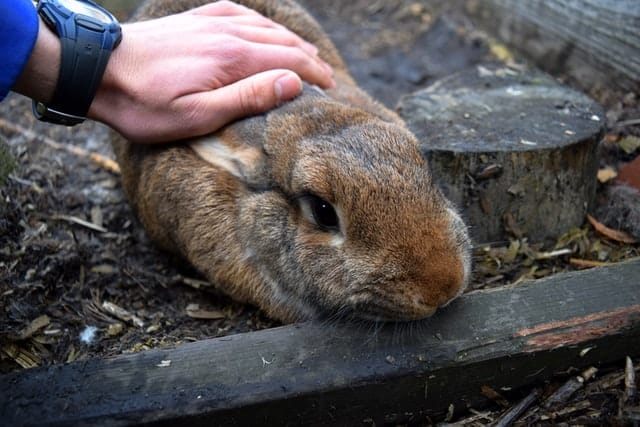
Even rabbits that are bonded with their owners sometimes run when you reach out to pet them. This is different from general fear and usually comes down to how and where you are touching them.
You Touched a Sensitive Area
Rabbits have specific areas they enjoy being petted and areas they strongly dislike. Most rabbits love being stroked on the forehead, between the ears, and along the cheeks. Some enjoy gentle back rubs as well.
Here is a quick reference for where to pet your rabbit and where to avoid:
| Preferred Areas | Sensitive Areas (Avoid) |
|---|---|
| Forehead and top of head | Belly and underside |
| Behind the ears | Feet and toes |
| Cheeks | Chin and mouth area |
| Upper back | Tail and rump |
Stick to the preferred areas, especially when your rabbit is still learning to trust you. As your bond strengthens, some rabbits will eventually tolerate or even enjoy being touched in more places.
Your Rabbit Was Not Expecting It
Reaching for your rabbit without warning triggers the same response as a predator swooping in. In the wild, the moment something touches a rabbit unexpectedly, it usually means they have been caught. That instinct does not disappear in domestic rabbits, no matter how safe their environment actually is.
Always let your rabbit see your hand coming. Extend your hand slowly at their eye level and let them sniff you first. Once they relax, gently stroke the top of their head. If they lean into your hand or lower their head, that is an invitation to keep petting. If they pull away, respect the boundary and try again later.
Your Rabbit Wants to Explore Instead
Sometimes your rabbit is not running from you at all. They are running toward something more interesting. Rabbits are naturally curious animals and love to explore their environment, especially during free-roam time outside their enclosure.
If your rabbit zooms away mid-petting session to investigate a corner of the room, do not take it personally. Let them explore freely. They will come back to you when they are ready, especially if you have a treat waiting. Learning to get your rabbit to cuddle with you takes time and starts with respecting their natural curiosity rather than fighting against it.
Why Does My Rabbit Run Away When I Try to Pick Them Up?

Most rabbits dislike being picked up, and this is one of the strongest instincts they carry from life in the wild. When a predator lifts a rabbit off the ground, that rabbit is about to become a meal. Being lifted triggers deep, primal fear in most rabbits, regardless of how gentle you are about it.
Even well-bonded rabbits that enjoy head scratches and floor-level cuddles may panic when lifted off the ground. The sensation of losing contact with a solid surface is deeply unsettling for them. This is why many experienced breeders recommend keeping interactions at floor level whenever possible.
If you do need to pick up your rabbit for health checks, nail trimming, or transport, follow these steps:
- Approach calmly and let your rabbit see you coming
- Place one hand under their chest, just behind the front legs
- Slide your other hand under their hindquarters to fully support their weight
- Lift them gently and hold them close to your body
- Never carry them high off the ground, as a fall can cause serious spinal injuries
A rabbit that thrashes while being held can fracture their spine. If your rabbit begins to kick, lower yourself to the ground immediately and release them safely rather than holding on tighter. Restraining a panicking rabbit only increases the risk of a serious injury.
Why Does My Rabbit Run and Hide From Me?

Hiding is an extension of the flight response. While some rabbits run in the open, others seek out dark, enclosed spaces where they feel protected. This behavior is especially common in newly adopted rabbits or rabbits that have experienced trauma or neglect.
Your Rabbit Is in a New Environment
Rabbits are creatures of habit. A new home, a rearranged room, or even a new piece of furniture can make a rabbit feel unsafe. When everything is unfamiliar, their default response is to find a small, enclosed space and stay there until they feel the area is safe.
Give your rabbit time to adjust. Place their enclosure in a quiet area of your home, away from loud appliances and high-traffic zones. Provide hiding spots like cardboard boxes or tunnels so they can retreat when they feel overwhelmed. Over several days, your rabbit will begin exploring more and hiding less as they map out the safe zones in their territory.
It Is Part of Your Rabbit's Natural Prey Instincts
Some rabbit owners get frustrated when their rabbit constantly hides, expecting the same openly affectionate behavior they see in dogs or cats. Rabbits are fundamentally different. They are prey animals, and caution is their default state at all times.
In the wild, rabbits spend much of their time in burrows, only venturing out to forage when they feel safe. Your domestic rabbit carries the same instincts. Hiding is normal, healthy behavior. It does not mean your rabbit hates you or that you are doing something wrong as an owner.
With consistent, gentle interaction, most rabbits eventually become more confident and spend less time hiding. Understanding how to calm down a scared rabbit can speed up this process significantly and help you respond correctly when your rabbit retreats.
How to Stop Your Rabbit From Running Away

Building trust with a rabbit is a gradual process that requires patience and consistency. Rushing any step will set you back. Here is a step-by-step approach that works for most rabbits, whether they are brand new to your home or have regressed after a bad experience.
Step 1: Give Your Rabbit Space
For the first few days, focus on being present without interacting directly. Sit on the floor near your rabbit's enclosure and read a book, scroll your phone, or just sit quietly. Let your rabbit get used to your scent, your voice, and your presence without feeling any pressure to interact.
This passive approach teaches your rabbit that you are a harmless part of their environment. Most rabbits will begin approaching you out of curiosity within a few days if you stay still and quiet.
Step 2: Offer Treats by Hand
Once your rabbit stops hiding or bolting when you are nearby, start offering small treats by hand. Place a small piece of banana, a leaf of cilantro, or a tiny slice of apple on your open palm and hold it out at their level. Do not reach toward them. Let them come to you.
This teaches your rabbit that your hands bring good things, not danger. Repeat this daily, and your rabbit will begin to associate your presence with positive experiences.
Step 3: Start Gentle Petting
After your rabbit is comfortable taking treats from your hand, try a gentle stroke on the forehead while they eat. Keep it brief at first, just one or two strokes. If they flinch or move away, stop immediately and try again the next day. Over time, most rabbits will accept longer petting sessions and even begin to seek them out.
Step 4: Increase Floor Time Together
Spend time on the floor with your rabbit during their active hours, which are typically dawn and dusk. Rabbits are crepuscular animals, meaning they are most alert and social during these periods. Let them climb on you, sniff you, and explore at their own pace. Avoid sudden movements and keep your voice low and calm throughout.
Common Mistakes to Avoid During Bonding
| Do This | Avoid This |
|---|---|
| Sit at floor level with your rabbit | Loom over them from standing height |
| Let your rabbit approach you first | Chase or corner your rabbit |
| Move slowly and speak softly | Make sudden movements or loud noises |
| Offer treats as positive reinforcement | Force your rabbit to be held or cuddled |
| Respect when they want to be alone | Pull them out of their hiding spots |
How Long Does It Take for a Rabbit to Trust You?
Most rabbits begin showing signs of trust within 1 to 3 weeks of consistent, gentle interaction. However, the timeline varies widely depending on your rabbit's background and personality.
A rabbit from a reputable breeder who was handled regularly from a young age may warm up within just a few days. A rescue rabbit with a history of neglect or abuse could take several months before they feel truly comfortable around you. Baby rabbits (kits) generally bond faster than adults because they have fewer negative experiences to overcome.
The key is consistency. Short, positive daily sessions of 15 to 20 minutes are more effective than occasional long ones. Even brief floor time each day will produce a noticeable difference within a couple of weeks for most rabbits.
Signs Your Rabbit Is Starting to Trust You
As your rabbit begins to trust you, you will notice subtle behavioral changes that indicate progress. Recognizing these signs helps you gauge where you are in the bonding process and know when you can move to the next stage. Once you see these behaviors regularly, your rabbit is well on the way to showing you real affection.
| Behavior | What It Means |
|---|---|
| Approaching you voluntarily | Your rabbit sees you as safe, not threatening |
| Binkying (jumping and twisting mid-air) | Your rabbit is happy and comfortable around you |
| Flopping on their side near you | Complete relaxation and deep trust in your presence |
| Licking your hand or clothing | A sign of affection and social grooming behavior |
| Nudging you with their nose | Requesting attention, petting, or treats from you |
| Chinning objects near you | Marking you and your belongings as part of their territory |
| Soft tooth purring (gentle grinding) | Contentment, similar to a cat purring |
Frequently Asked Questions
Is it normal for rabbits to run away from their owners?
Yes, it is completely normal. Rabbits are prey animals with strong flight instincts. Running away is their default response to anything they perceive as potentially dangerous. With patience and consistent positive interaction, most rabbits learn to trust their owners and will gradually stop running away over time.
Should I chase my rabbit if they run away from me?
Never chase your rabbit. Chasing reinforces the idea that you are a predator and will make your rabbit significantly more fearful. Instead, sit on the floor, stay still, and let your rabbit come to you on their own terms. Use treats to encourage them to approach you voluntarily.
Why does my rabbit run away from me but not other family members?
Your rabbit may have had a negative experience with you specifically, such as being picked up roughly or accidentally stepped on. It could also be that the other family member has a quieter voice, moves more slowly, or spends more floor time with the rabbit. Rebuild trust by following the bonding steps in this guide consistently.
Can a rabbit that runs away from me still be happy?
A rabbit that runs away from you can still be a happy, healthy rabbit overall. Running is a natural instinctive behavior, not necessarily a sign of unhappiness. However, a rabbit that is consistently hiding, refusing food, or showing signs of chronic stress may need a veterinary evaluation to rule out underlying health issues.
Will neutering or spaying stop my rabbit from running away?
Neutering or spaying can reduce hormone-driven skittishness and mood swings, making your rabbit calmer and more receptive to bonding. It will not completely eliminate the running behavior if the underlying cause is fear or lack of trust, but it removes one significant contributing factor and makes the bonding process smoother overall.
Cite this article:
Cite this article:
BunnySync (February 28, 2026) Why Does My Rabbit Run Away From Me? Causes and How to Build Trust. Retrieved from https://bunnysync.com/blog/why-does-my-rabbit-run-away-from-me.
"Why Does My Rabbit Run Away From Me? Causes and How to Build Trust." BunnySync - February 28, 2026, https://bunnysync.com/blog/why-does-my-rabbit-run-away-from-me
Sources
- Buseth, Marit Emilie., and Richard A. Saunders. Rabbit Behaviour, Health, and Care. CABI, 2014.
- Patry, Karen, et al. The Rabbit-Raising Problem Solver: Your Questions Answered about Housing, Feeding, Behavior, Health Care, Breeding, and Kindling. Storey Publishing, 2014.
- House Rabbit Society: FAQ on Spaying and Neutering
- Merck Veterinary Manual: Disorders and Diseases of Rabbits