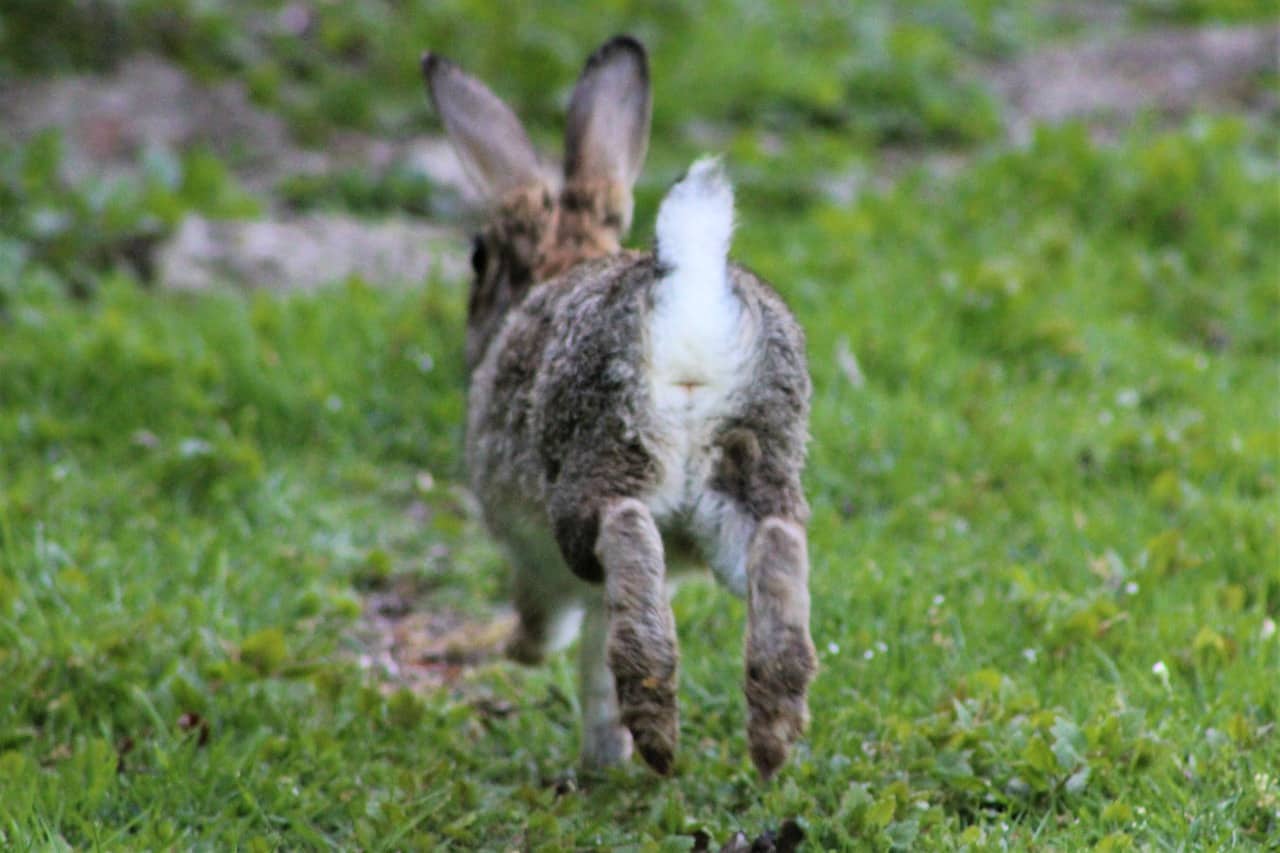
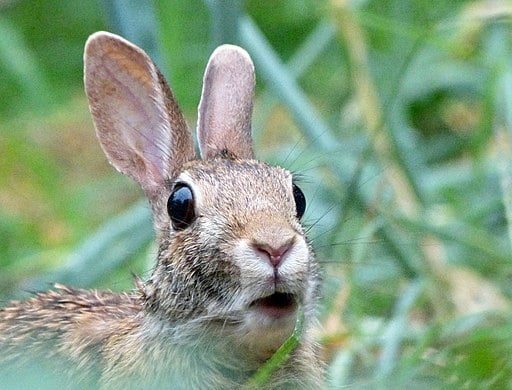
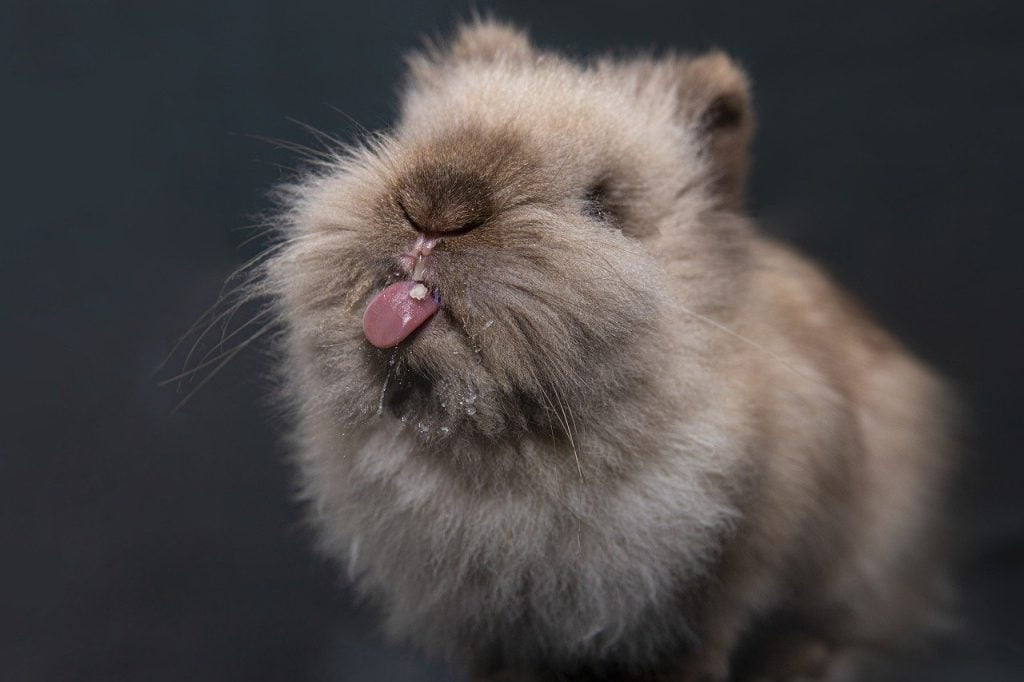
Rabbits lick as a sign of affection, trust, and bonding. When your rabbit licks you, it means they consider you part of their family and feel safe around you. Licking is one of the strongest compliments a rabbit can give, since they only groom those they truly trust. Your rabbit may also be asking you to pet them in return, tasting salt on your skin, or simply exploring their environment. Understanding why rabbits lick helps you strengthen your bond and recognize when licking could signal a health concern.
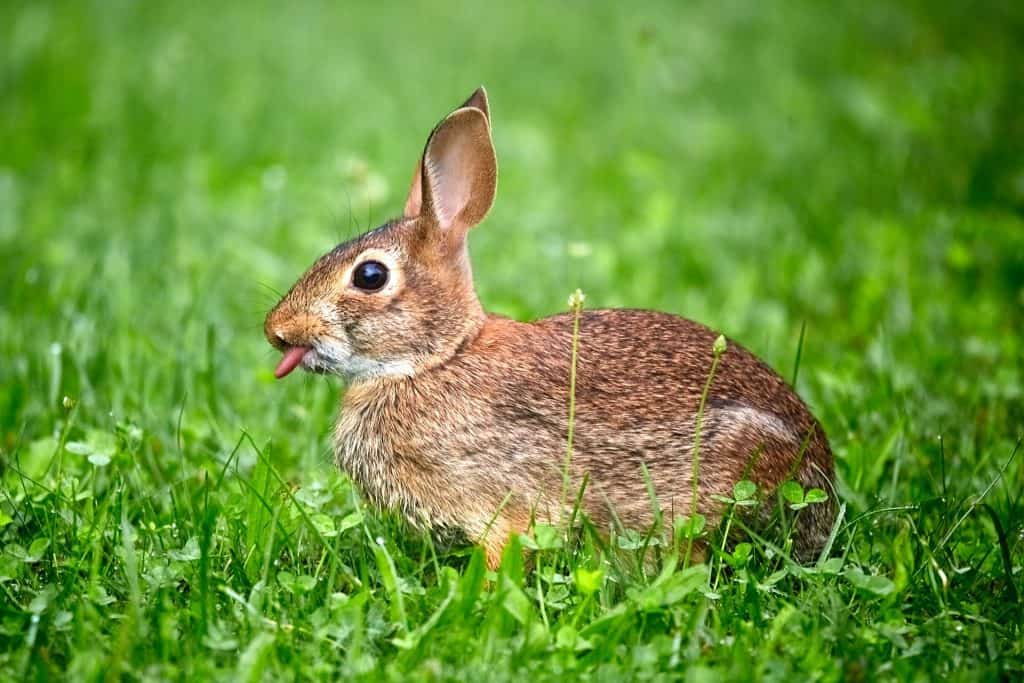
8 Reasons Why Your Rabbit Licks You
Rabbits communicate through body language rather than sounds. Licking is one of their most important social behaviors and it can mean several different things depending on the context. Here are the eight most common reasons your rabbit licks you.
1. Showing Affection and Love
The most common reason rabbits lick their owners is pure affection. In the wild and in domestic settings, rabbits groom each other to strengthen social bonds within their group. When your rabbit licks your hand, arm, or face, they are treating you the same way they would treat a bonded partner.
Bonded rabbit pairs spend a significant portion of their day grooming each other. This mutual grooming, called allogrooming, releases endorphins in both rabbits and reinforces their bond. When your rabbit licks you, they are including you in this intimate ritual. It is one of the clearest signs that your rabbit shows genuine affection toward you.
2. Requesting Pets and Grooming in Return
Rabbits understand the concept of reciprocity. In bonded pairs, one rabbit will groom the other, and then the second rabbit returns the favor. When your rabbit licks you, they are often asking you to pet them back.
Pay attention to the timing. If your rabbit licks you and then lowers their head or pushes it toward your hand, they are clearly requesting head rubs or ear strokes. Many rabbits will alternate between licking you and nudging your hand until you start petting them. Once you do, they may close their eyes, flatten their body, or softly grind their teeth in contentment.
3. Building Trust and Bonding
For rabbits that are still getting comfortable with you, licking can be a milestone in the bonding process. Rabbits are prey animals, which means trust does not come easily to them. A rabbit that licks you has decided you are safe and worthy of their vulnerability.
New rabbit owners often notice their rabbit starts licking them after a few weeks or months of patient handling. This is the rabbit's way of saying "I trust you now." If you have been working on building a bond with your rabbit and they start licking you for the first time, take it as a major sign of progress.
4. Tasting Salt on Your Skin
Rabbits are naturally drawn to salt. Human skin carries trace amounts of salt from sweat, and many rabbits enjoy the taste. You might notice your rabbit licking your hands more after you have been exercising or on a warm day when you are sweating more than usual.
While this reason is less emotionally meaningful than affection, it does not mean your rabbit does not love you. Most rabbits lick for a combination of reasons. They may start because they taste salt and continue because they enjoy the bonding experience. If you notice your rabbit only licks certain areas like your arms or feet, salt could be the primary motivator.
5. Marking You With Their Scent
Rabbits have scent glands under their chin, and they mark their territory by rubbing their chin on objects and people. Licking serves a similar territorial purpose. When your rabbit licks you, they are depositing their scent on your skin, essentially marking you as "theirs."
This behavior is particularly common in rabbits that live in multi-pet households. Your rabbit may lick you more frequently if you have been handling another animal, as they are reclaiming their scent on you. It is a possessive behavior, but it comes from a place of attachment rather than aggression.
6. Showing Submission or Respect
In rabbit social hierarchies, the subordinate rabbit typically grooms the dominant one. If your rabbit licks you frequently and unprompted, they may view you as the dominant member of their social group. This is a sign of deep respect.
You can observe this dynamic in bonded rabbit pairs as well. The lower-ranking rabbit will often initiate grooming sessions, while the higher-ranking rabbit accepts the grooming and decides when to reciprocate. When your rabbit licks you without being asked, they may be acknowledging your role as their protector and provider.
7. Seeking Comfort and Security
Rabbits sometimes lick when they feel anxious, stressed, or in need of reassurance. If your rabbit licks you during thunderstorms, when there are loud noises, or after a stressful event like a vet visit, they are likely seeking comfort from you.
In these situations, the licking serves a dual purpose. The physical act of grooming helps calm the rabbit down, similar to how some people fidget when nervous. At the same time, being close to you and engaging in a bonding behavior provides emotional security. If your rabbit seems stressed or anxious while licking you, speak softly and gently pet their head to help them relax.
8. Curiosity and Exploration
Rabbits explore the world through their mouths almost as much as through their noses. A quick lick can tell a rabbit a lot about a surface, including what it is made of, where it has been, and whether it is food. Young rabbits especially tend to lick everything they encounter as part of learning about their environment.
If your rabbit gives you a few quick licks and then moves on, they may simply be investigating you rather than expressing affection. This is more common with new rabbits or in situations where you are wearing a new lotion, perfume, or clothing that has an unfamiliar scent.
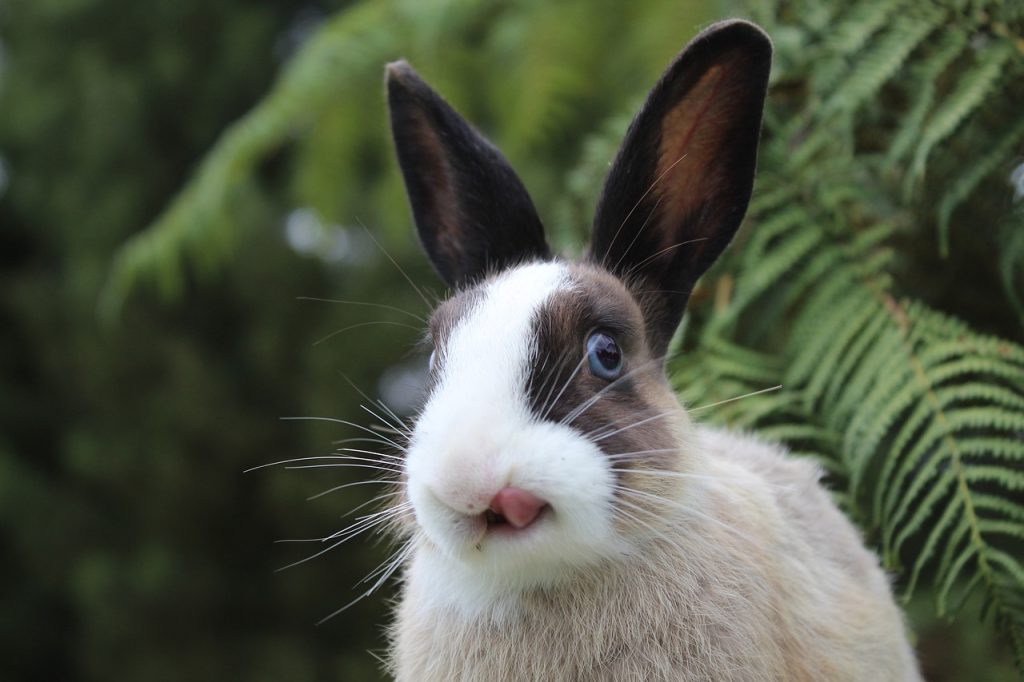
What Does It Mean When Your Rabbit Licks You a Lot?
When your rabbit licks you excessively, it usually means they have formed a very strong bond with you. Rabbits that lick their owners frequently view them as their primary companion, especially if the rabbit does not have a bonded partner of their own.
Single rabbits often direct all of their social grooming energy toward their human. In the wild, rabbits would spend up to 20% of their waking hours grooming and being groomed by their companions. Without a rabbit partner, all of that grooming instinct gets redirected to you.
Frequent licking can also mean your rabbit is trying to tell you something. Watch for these patterns:
- Licking followed by head lowering: Your rabbit wants you to pet them.
- Licking followed by nudging: Your rabbit wants your attention or playtime.
- Licking followed by circling your feet: Your rabbit is excited to see you or wants food.
- Licking while being held: Your rabbit is content and feels safe in your arms.
- Licking combined with headbutting: Your rabbit is asserting their bond with you.
If the excessive licking is a new behavior, consider whether anything in your rabbit's environment has changed. A new pet, a move to a different room, or changes in your schedule can cause your rabbit to seek more reassurance through grooming.
Why Is Your Rabbit Suddenly Licking You?
If your rabbit has never licked you before and suddenly starts, congratulations. This is almost always a positive sign. Your rabbit has crossed a trust threshold and now considers you worthy of their grooming attention.
Several factors can trigger this breakthrough:
- Time together: Some rabbits take weeks or months to warm up. Sudden licking often comes after a period of gradually increasing comfort.
- Consistent gentle handling: Rabbits remember how you treat them. If you have been consistently calm and respectful of their boundaries, they will eventually reward you with grooming.
- Hormonal changes: Spaying or neutering can make rabbits calmer and more affectionate. Many owners report increased licking after their rabbit has been fixed.
- Maturity: Young rabbits are often too energetic and distracted for grooming. As they mature past 1 to 2 years, they tend to become more affectionate and may start licking more.
In rare cases, sudden licking can indicate that your rabbit is not feeling well. Sick rabbits sometimes become unusually affectionate as they seek comfort. If the sudden licking comes with other behavior changes like reduced appetite, lethargy, or unusual posture, a vet visit is a good idea.
Why Do Rabbits Lick Objects and Surfaces?
Rabbits do not just lick people. Many rabbits develop a habit of licking furniture, fabrics, walls, and floors. While this can seem odd, it is usually harmless behavior with a straightforward explanation.
Fabrics and Furniture
Rabbits are often drawn to soft fabrics like blankets, pillows, and couch cushions. The texture of these materials feels similar to fur, which triggers the rabbit's grooming instinct. Your rabbit may "groom" a blanket the same way they would groom a bonded companion.
Scent also plays a role. Fabrics absorb the smell of laundry detergent, fabric softener, and your own body odor. If your rabbit licks your pillow or a blanket you use frequently, they are likely drawn to your scent. Some rabbits also enjoy the taste of certain fabric softeners, though you should make sure the product is non-toxic if your rabbit regularly licks treated fabrics.
Walls and Floors
Rabbits that lick walls or floors may be seeking minerals. Concrete, plaster, and certain types of paint contain trace minerals that rabbits can detect. While occasional wall licking is not dangerous, persistent licking of painted surfaces could expose your rabbit to harmful chemicals, especially in older homes with lead-based paint.
If your rabbit frequently licks walls or floors, make sure they have access to a mineral lick or salt lick designed for small animals. This can satisfy their mineral cravings safely. Also ensure their diet includes adequate hay and a quality pellet to cover any nutritional gaps.
Other Pets
Some rabbits will lick cats, dogs, or other animals in the household. This is a sign that the rabbit has bonded with the other animal and considers them part of their social group. It is a positive behavior as long as the other animal tolerates it and does not react aggressively.
Why Do Rabbits Lick and Groom Themselves?
Self-grooming is a completely normal and essential part of rabbit hygiene. Healthy rabbits spend several hours each day grooming themselves, licking their fur to keep it clean and free of debris. This is one reason why rabbits rarely need baths and generally do not smell bad compared to other pets.
Rabbits follow a consistent grooming routine. They typically start by licking their front paws, then use their wet paws to wash their face and ears. After that, they work their way down their body, licking their sides, belly, and hind legs. This process can take 15 to 30 minutes and may happen several times throughout the day.
Self-grooming also serves a temperature regulation purpose. When rabbits lick their fur, the saliva evaporates and provides a slight cooling effect. You may notice your rabbit grooming more frequently during warm weather as they try to stay cool.
During shedding season, which typically occurs every 3 months, rabbits groom more intensely to remove loose fur. This is when hairball risk increases, since rabbits cannot vomit like cats can. Make sure your rabbit has unlimited access to hay during heavy shedding periods, as the fiber helps move ingested fur through their digestive system.
When Should You Be Concerned About Licking?
Most licking behavior is completely normal, but there are a few situations where it may indicate a problem that needs your attention.
Excessive Self-Grooming and Bald Patches
If your rabbit is grooming themselves so much that they are creating bald spots or irritated skin, something is wrong. Excessive self-grooming can be caused by:
- Parasites: Mites, fleas, or fur mites cause itching that leads to over-grooming.
- Skin infections: Bacterial or fungal infections can make the skin uncomfortable.
- Allergies: Environmental or food allergies may cause skin irritation.
- Boredom or stress: Rabbits that lack stimulation or companionship may over-groom as a coping mechanism.
- Pain: Rabbits sometimes lick a specific area repeatedly if they are experiencing pain there, such as from arthritis or a urinary tract infection.
If you notice bald patches, redness, or scabbing, schedule a veterinary appointment. Your vet can check for parasites under a microscope and recommend appropriate treatment.
Licking Harmful Substances
Rabbits do not always know what is safe to lick. Cleaning products, pesticides, houseplants, and certain treated surfaces can be toxic. If you catch your rabbit licking something potentially dangerous, remove them from the area immediately and monitor for symptoms like drooling, loss of appetite, or lethargy.
Rabbit-proof your home by switching to pet-safe cleaning products in areas where your rabbit roams. Keep houseplants out of reach and avoid using chemical air fresheners near your rabbit's living space.
Post-Surgery Licking
After spaying, neutering, or any surgical procedure, rabbits will instinctively try to lick their incision site. While some gentle licking is natural, excessive licking can reopen stitches, introduce bacteria, and delay healing. If your rabbit has recently had surgery, you may need to use an e-collar or alternative method to prevent them from licking their stitches until the incision has fully healed.
How to Respond When Your Rabbit Licks You
The best response to your rabbit's licking depends on the context, but here are some general guidelines that will strengthen your bond.
| Situation | Best Response |
|---|---|
| Rabbit licks your hand | Gently pet their head and ears in return |
| Rabbit licks and lowers head | Give them the head rubs they are requesting |
| Rabbit licks during cuddle time | Stay still and let them continue, speaking softly |
| Rabbit licks and then runs away | They were showing a quick burst of affection, no action needed |
| Rabbit licks excessively after a scare | Comfort them with gentle pets and a calm voice |
| Rabbit licks objects obsessively | Check for nutritional deficiencies and provide a mineral lick |
Never punish or push your rabbit away when they lick you. Even if the licking is excessive or inconvenient, a negative reaction can damage the trust you have built. If you need to redirect the behavior, gently set your rabbit down and offer them a toy or treat instead.
If you want to encourage more cuddling and bonding with your rabbit, respond to licking with gentle attention every time. Rabbits learn quickly that licking earns them pets and affection, which reinforces the behavior and deepens your connection.
Frequently Asked Questions
Is it safe to let my rabbit lick my face?
Yes, it is generally safe for a healthy rabbit to lick your face. Rabbit saliva does not carry diseases transmissible to humans under normal circumstances. However, avoid letting your rabbit lick open wounds or broken skin, as any animal's saliva can introduce bacteria into an open cut.
Why does my rabbit lick me and then bite?
A lick followed by a gentle nip is usually your rabbit telling you to move or to pay attention. It is not aggressive behavior. The lick says "I love you" and the nip says "but please move your arm" or "pet me now." If the bites are hard enough to hurt, your rabbit may be overstimulated and needs a break from handling.
Do all rabbits lick their owners?
Not all rabbits lick their owners, and that is perfectly normal. Some rabbits show affection through other behaviors like binkying, chinning, circling your feet, or simply sitting next to you. A rabbit that does not lick you is not necessarily less bonded; they may just express love differently.
Why does my rabbit lick the carpet?
Carpet licking is usually caused by texture curiosity, trapped food crumbs, or the taste of cleaning products used on the carpet. While occasional carpet licking is harmless, make sure your rabbit is not ingesting carpet fibers, as these can cause dangerous intestinal blockages over time.
Can excessive licking be a sign of illness?
Yes, excessive self-licking focused on one area can indicate pain, skin irritation, parasites, or urinary issues. If your rabbit is licking one spot obsessively, losing fur in that area, or showing other symptoms like changes in eating or pooping habits, consult a rabbit-savvy veterinarian as soon as possible.
Cite this article:
Cite this article:
BunnySync (February 28, 2026) Why Do Rabbits Lick? Every Reason Explained. Retrieved from https://bunnysync.com/blog/rabbit-licking.
"Why Do Rabbits Lick? Every Reason Explained." BunnySync - February 28, 2026, https://bunnysync.com/blog/rabbit-licking