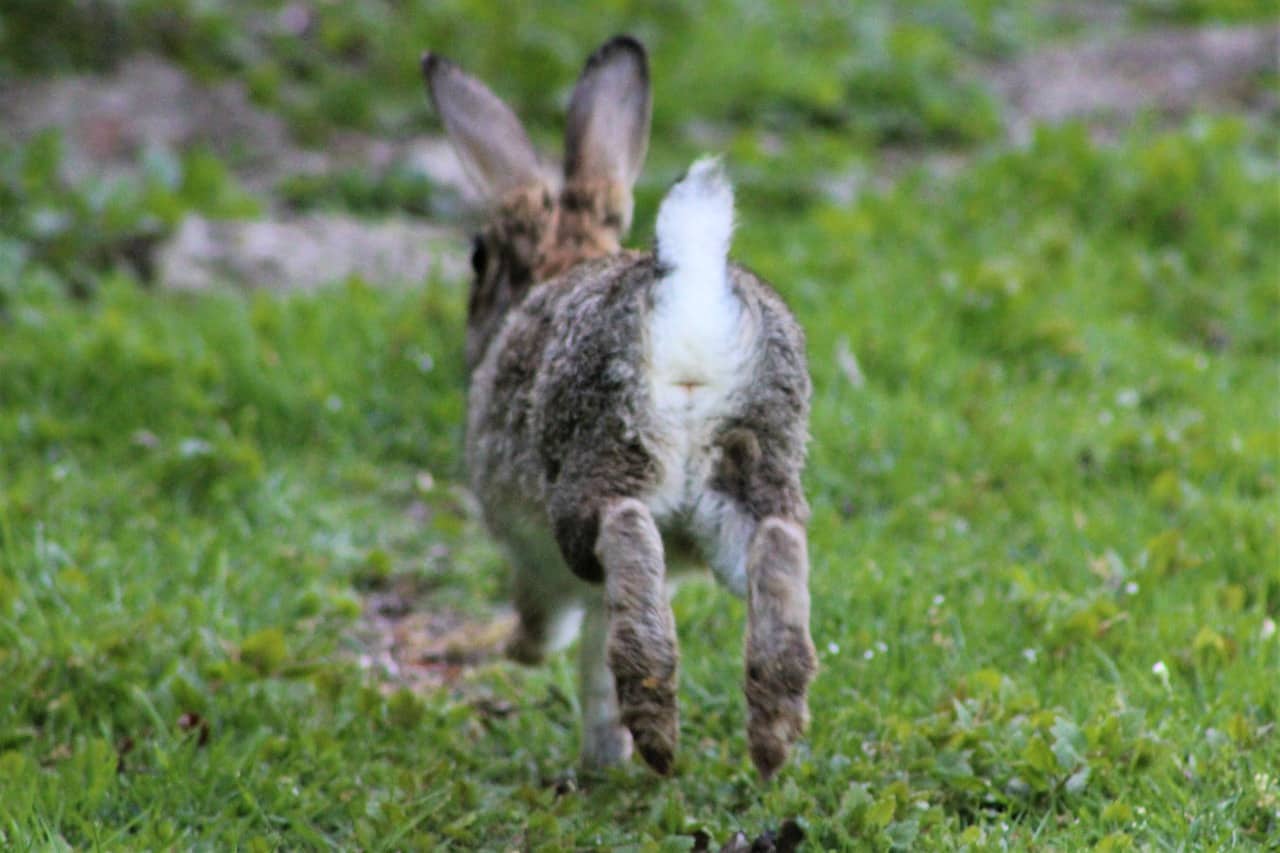
If your rabbit is scared of you all of a sudden, the most likely causes are being startled by a sudden movement or loud noise, a change in environment, lack of trust (especially in new rabbits), illness or injury, past trauma, or a change in your scent or appearance. The good news is that most of these causes are temporary, and with patience and the right approach, you can calm down your scared rabbit and rebuild your bond.
Rabbits are prey animals, which means their survival instincts are always active. Even a rabbit that has lived with you for years can suddenly become fearful if something triggers those deep-rooted instincts. Understanding why your rabbit is acting this way is the first step toward fixing it.
Why Is My Rabbit Suddenly Scared of Me?
There are several reasons why a previously friendly rabbit might suddenly become scared of you. Some are simple and resolve on their own within hours, while others require more effort and patience. Here are the six most common causes.
1. You Startled Your Rabbit

This is the most common and least concerning reason. Rabbits have a nearly 360-degree field of vision, but they have a small blind spot directly in front of their nose. If you approach from this blind spot, move suddenly while they are relaxed, or make an unexpected loud noise, their flight instinct kicks in immediately.
As prey animals, rabbits in the wild have only seconds to decide whether something is a threat. That instinct does not disappear in domestic rabbits. Even a rabbit that has trusted you for years will bolt or freeze if you accidentally startle them.
Common triggers include:
- Dropping something near their enclosure
- Standing up quickly when sitting near them
- Loud sneezes, coughs, or laughter
- Other pets (dogs, cats) making sudden noises nearby
- Vacuum cleaners, blenders, or other household appliances
The recovery from a startle is usually fast. Most rabbits will cautiously approach you again within minutes once they confirm there is no real danger. If your rabbit was only startled, you should notice them returning to normal behavior (eating, grooming, exploring) fairly quickly. In severe cases, rabbits can actually die from extreme fright, so it is important to minimize sudden scares, especially for older or health-compromised rabbits.
2. Your Rabbit Is in a New Environment

Rabbits are extremely territorial creatures that rely heavily on familiarity to feel safe. When you move your rabbit to a new room, a new house, or even rearrange their existing space significantly, they essentially have to re-evaluate every aspect of their surroundings for potential threats.
You might notice your rabbit pressing against walls, hiding in corners, refusing to eat, or simply freezing in place when you try to interact with them. This is completely normal behavior. Your rabbit is not rejecting you. They are processing an overwhelming amount of new sensory information (new smells, new sights, different acoustics) and need time to categorize everything as "safe."
To help your rabbit adjust to a new environment:
- Place familiar items in the new space, such as their favorite hiding box, a blanket that smells like their old area, and their usual litter box
- Spend quiet time sitting on the floor near them without trying to touch or pick them up
- Keep their feeding schedule consistent and offer small treats by hand
- Avoid having visitors or other pets in the new space during the adjustment period
- Let them explore at their own pace and do not carry them around the new area
This adjustment period typically lasts 3 to 7 days. Some rabbits adapt within 24 hours, while more anxious or older rabbits may take up to two weeks. If the fearful behavior lasts longer than two weeks, there may be an additional factor at play.
3. Your Rabbit Does Not Trust You Yet

If you recently adopted your rabbit, fear is expected and healthy. Rabbits need anywhere from two weeks to two months to fully bond with a new owner, depending on their breed, age, personality, and past experiences.
Rabbits from shelters or rescue organizations may take longer to trust because they may have experienced neglect, rough handling, or multiple rehomings. A rabbit that was well-socialized as a kit (baby rabbit) will generally warm up faster than one that had limited human contact during their first few months.
The single biggest mistake new rabbit owners make is trying to force the bonding process. Picking up a rabbit that does not trust you yet is dangerous for both of you. A frightened rabbit will kick and twist violently, which can result in a broken spine. This condition is almost always fatal and untreatable.
Instead, let the rabbit come to you. Sit on the floor at their level, speak softly, and offer hay-based treats (especially for rabbits under 7 months old, who should not have sugary fruit treats). Over time, your rabbit will associate your presence with safety and positive experiences.
4. Your Rabbit Is Sick or Injured

A rabbit that was previously social and suddenly becomes withdrawn, hides from you, or flinches when touched may be in pain. Rabbits are hardwired to hide illness because showing weakness in the wild makes them a target for predators. This means that by the time you notice behavioral changes, the condition may already be serious.
Watch for these warning signs alongside the fearful behavior:
| Symptom | Possible Cause | Urgency |
|---|---|---|
| Refusing food or water | GI stasis, dental problems, pain | See a vet within 12 hours |
| Hunched posture, teeth grinding | Abdominal pain, GI stasis | See a vet within 12 hours |
| Diarrhea or no droppings | GI stasis, infection, diet issue | Emergency, same day |
| Limping or favoring one side | Fracture, sprain, abscess | See a vet within 24 hours |
| Tilted head | Ear infection, E. cuniculi | See a vet within 24 hours |
| Discharge from eyes or nose | Upper respiratory infection | See a vet within 24-48 hours |
| Patches of missing fur | Mites, ringworm, barbering from stress | See a vet within a few days |
GI stasis (gastrointestinal stasis) is particularly dangerous and can kill a rabbit within 24 to 48 hours if untreated. If your rabbit has stopped eating, stopped pooping, or is sitting hunched in a corner, do not wait. Contact a rabbit-savvy veterinarian immediately.
5. Past Trauma or Negative Experiences
Sometimes a specific event triggers a fear response that lasts much longer than a simple startle. If you accidentally stepped on your rabbit's foot, dropped them while picking them up, or if they had a painful experience at the vet, they may associate you (or your hands, shoes, or a specific room) with that pain.
Children or other household members may also have accidentally frightened or hurt the rabbit without you knowing. If your rabbit is suddenly scared and you cannot identify a clear cause, ask everyone in your household whether anything happened.
Rabbits have excellent long-term memory for negative experiences. A single traumatic event can change their behavior for weeks or even months. Rebuilding trust after trauma requires extra patience and consistency. The process is the same as bonding with a new rabbit: let them come to you, offer treats, avoid picking them up, and give them time.
6. Changes in Your Scent or Appearance
Rabbits rely heavily on scent to identify familiar people. If you recently changed your perfume, soap, laundry detergent, or shampoo, your rabbit may not immediately recognize you. The same applies to visual changes like wearing a hat, a new coat, glasses, or even carrying an unfamiliar object.
This might sound trivial, but for a prey animal that depends on sensory consistency for survival, even a small change can be alarming. If you suspect this is the cause, try approaching your rabbit while wearing your usual clothes and scent. Speak to them in your normal voice so they can identify you by sound, which they will recognize even when your scent is different.
This type of fear usually resolves within one or two interactions once your rabbit confirms you are the same person through voice and behavior patterns.
How Can You Tell If Your Rabbit Is Scared of You?

Recognizing fear in rabbits is not always obvious, especially for new owners. Rabbits do not express emotions the same way cats or dogs do. Here are the most reliable signs that your rabbit is stressed or frightened:
- Freezing in place: Your rabbit stops moving completely, often with wide eyes and flattened ears. This is their "I hope the predator did not see me" response.
- Thumping: Rapid, loud thumps with their hind feet signal danger. Your rabbit is warning others (including you) that something feels wrong.
- Hiding: Retreating under furniture, into their hiding box, or into a corner and refusing to come out, even for treats.
- Running away: If your rabbit consistently runs away from you when you approach, this is a clear sign of fear or broken trust.
- Squealing or grunting: High-pitched squeals indicate extreme fear or pain. Grunting can mean "stay away" and may come before a bite.
- Aggressive behavior: Some rabbits respond to fear with aggression rather than flight. Lunging, boxing with front paws, or biting can all be fear-based responses.
- Refusal to eat: A scared rabbit may skip meals or refuse treats from your hand, even favorites they normally love.
If you notice several of these signs together, and especially if the behavior is new, take it seriously. A single thump after a loud noise is normal. Persistent hiding, refusing food, and aggression toward you is not.
How to Rebuild Trust with a Scared Rabbit

Whether your rabbit was startled, moved to a new home, or experienced something traumatic, the trust-rebuilding process follows the same core principles. Here is a step-by-step approach that works for most rabbits.
Step 1: Rule Out Medical Causes
Before assuming your rabbit's fear is behavioral, rule out illness or injury. Check for the warning signs listed above and visit a rabbit-savvy vet if anything seems off. A rabbit in pain will not respond to bonding efforts, and delaying treatment can be life-threatening.
Step 2: Stop Picking Them Up
This is the most important rule. Rabbits are ground-dwelling animals, and being lifted off the ground mimics being grabbed by a predator. If your rabbit does not trust you right now, picking them up will only make things worse.
If you need to move your rabbit (for cage cleaning, vet visits, etc.), use a carrier placed on the ground and guide them in with a treat rather than grabbing them.
Step 3: Get on Their Level
Sit or lie on the floor near your rabbit's space. You are much larger than them, and standing over a rabbit is intimidating. By getting down to their level, you appear less threatening.
Do not reach toward them. Simply be present. Read a book, scroll your phone, or just sit quietly. Let your rabbit observe you being calm and non-threatening.
Step 4: Use Food as a Bridge
Place a small treat (a piece of hay, a small slice of banana, or a sprig of cilantro) on the ground between you and your rabbit. Do not hold it in your hand initially. Once your rabbit is comfortable eating treats near you, try placing the treat on your open palm resting on the floor.
Over several sessions, gradually decrease the distance until your rabbit is eating from your hand comfortably. This creates a powerful positive association: "This person means food and safety."
Step 5: Introduce Gentle Touch
Once your rabbit is approaching you freely and eating from your hand, try gently stroking the top of their head and along their back. These are the safest areas to pet a rabbit. Avoid their chin, belly, feet, and tail, as these are vulnerable areas that rabbits instinctively protect.
If your rabbit flinches or moves away, do not chase them. Simply go back to the previous step and try again in a few days.
Step 6: Be Consistent
Spend 15 to 30 minutes on the floor with your rabbit every day, ideally at the same time. Rabbits are creatures of routine. Consistent, calm, positive interactions build trust far faster than occasional long bonding sessions.
Here is a great video demonstrating these trust-building techniques:
How Long Does It Take for a Scared Rabbit to Trust You Again?
The timeline depends on why your rabbit became scared in the first place:
| Cause | Typical Recovery Time |
|---|---|
| Simple startle (loud noise, sudden movement) | Minutes to a few hours |
| New environment | 3 to 14 days |
| New owner (no prior trauma) | 2 to 6 weeks |
| New owner (with prior trauma or rescue) | 1 to 3 months |
| Accidental injury or painful event | 2 to 8 weeks |
| Scent or appearance change | 1 to 3 interactions |
These are estimates based on typical cases. Some rabbits are naturally more confident and will bounce back quickly, while others are more cautious by temperament. Breeds like Holland Lops and Mini Rex tend to be more social, while breeds like Netherland Dwarfs can be more skittish. Age also matters, as younger rabbits generally adapt faster than older ones.
The key indicator that trust is rebuilding is when your rabbit starts voluntarily approaching you, eating from your hand, or showing relaxed body language (loafing, flopping on their side, binkying) in your presence. Once your rabbit starts to show affection toward you again, like circling your feet or nudging your hand, you know the bond is restored.
Common Mistakes That Make Rabbits More Scared
Even well-meaning rabbit owners sometimes accidentally worsen their rabbit's fear. Avoid these common pitfalls:
- Chasing your rabbit: If your rabbit runs from you, never chase them. Chasing is what predators do, and it confirms their fear that you are dangerous.
- Forcing cuddles or holding: Restraining a scared rabbit causes extreme stress and can result in serious injury to both of you. A panicking rabbit can break their own spine from thrashing.
- Reaching in from above: Hands coming down from above mimic a bird of prey swooping in. Always approach from the side, low to the ground.
- Punishing fearful behavior: Never yell at, spray, or physically discipline a rabbit. They do not understand punishment, and it will destroy any trust you have built.
- Too many people at once: During the trust-building phase, limit interactions to one or two primary caregivers. A parade of visitors will overwhelm a scared rabbit.
- Giving up too soon: Some owners interpret a rabbit's fear as rejection and reduce their bonding efforts. Consistency is everything. Even if progress seems slow, keep showing up.
When Should You See a Veterinarian?
Schedule a vet visit if your rabbit's sudden fearfulness is accompanied by any physical symptoms like appetite changes, lethargy, abnormal droppings, limping, or discharge. Also see a vet if the behavior change has lasted more than two weeks with no improvement despite consistent trust-building efforts, as underlying pain or a neurological condition (such as Encephalitozoon cuniculi) could be the cause.
The House Rabbit Society recommends finding a veterinarian experienced with rabbits specifically, as rabbit medicine differs significantly from cat and dog medicine. You can also reference the LaFeber Vet basic rabbit care guide for general health monitoring guidelines.
Frequently Asked Questions
Why is my rabbit suddenly scared of me but not other people?
Your rabbit may associate you specifically with a negative experience, such as nail trimming, medication, or an accidental scare. They may also be reacting to a change in your scent, new clothing, or the way you approach them. Try letting someone else be present during your bonding sessions so your rabbit can see that the other person is relaxed around you.
Can a rabbit be permanently scared of its owner?
It is extremely rare for a rabbit to be permanently scared of a consistent, gentle owner. With daily trust-building sessions, nearly every rabbit will eventually warm up. However, rabbits with severe past trauma may always be somewhat cautious, even after they bond with you. Patience and consistency are the only tools that work.
Should I leave my scared rabbit alone or keep trying to interact?
Both extremes are counterproductive. Do not force interactions, but also do not ignore your rabbit entirely. The best approach is passive presence: sit near their space quietly every day without trying to touch them. Let them initiate contact on their terms.
Why does my rabbit thump when I walk by?
Thumping is a warning signal. Your rabbit is telling you and any other rabbits nearby that they perceive a potential threat. If your rabbit thumps every time you walk past, they are likely still in a heightened state of alertness. Slow your movements when near them and speak softly to let them know you are not a danger.
Is it normal for rabbits to be more scared at night?
Rabbits are crepuscular, meaning they are most active at dawn and dusk. During the middle of the night, they are often in a resting state and may startle more easily if disturbed. Avoid approaching your rabbit in a dark room, as this can trigger a strong flight response. If you need to check on them, turn on a dim light first and speak softly before approaching.
Cite this article:
Cite this article:
BunnySync (February 25, 2026) Why Is My Rabbit Scared of Me All of a Sudden? 6 Causes and Proven Solutions. Retrieved from https://bunnysync.com/blog/my-rabbit-is-scared-of-me-all-of-a-sudden.
"Why Is My Rabbit Scared of Me All of a Sudden? 6 Causes and Proven Solutions." BunnySync - February 25, 2026, https://bunnysync.com/blog/my-rabbit-is-scared-of-me-all-of-a-sudden
Sources and Further Reading
- Buseth, Marit Emilie., and Richard A. Saunders. Rabbit Behaviour, Health, and Care. CABI, 2014.
- Patry, Karen, et al. The Rabbit-Raising Problem Solver: Your Questions Answered about Housing, Feeding, Behavior, Health Care, Breeding, and Kindling. Storey Publishing, 2014.
- Basic Rabbit Care - LaFeber Veterinary
- Convulsions and Neurological Diseases FAQ - House Rabbit Society