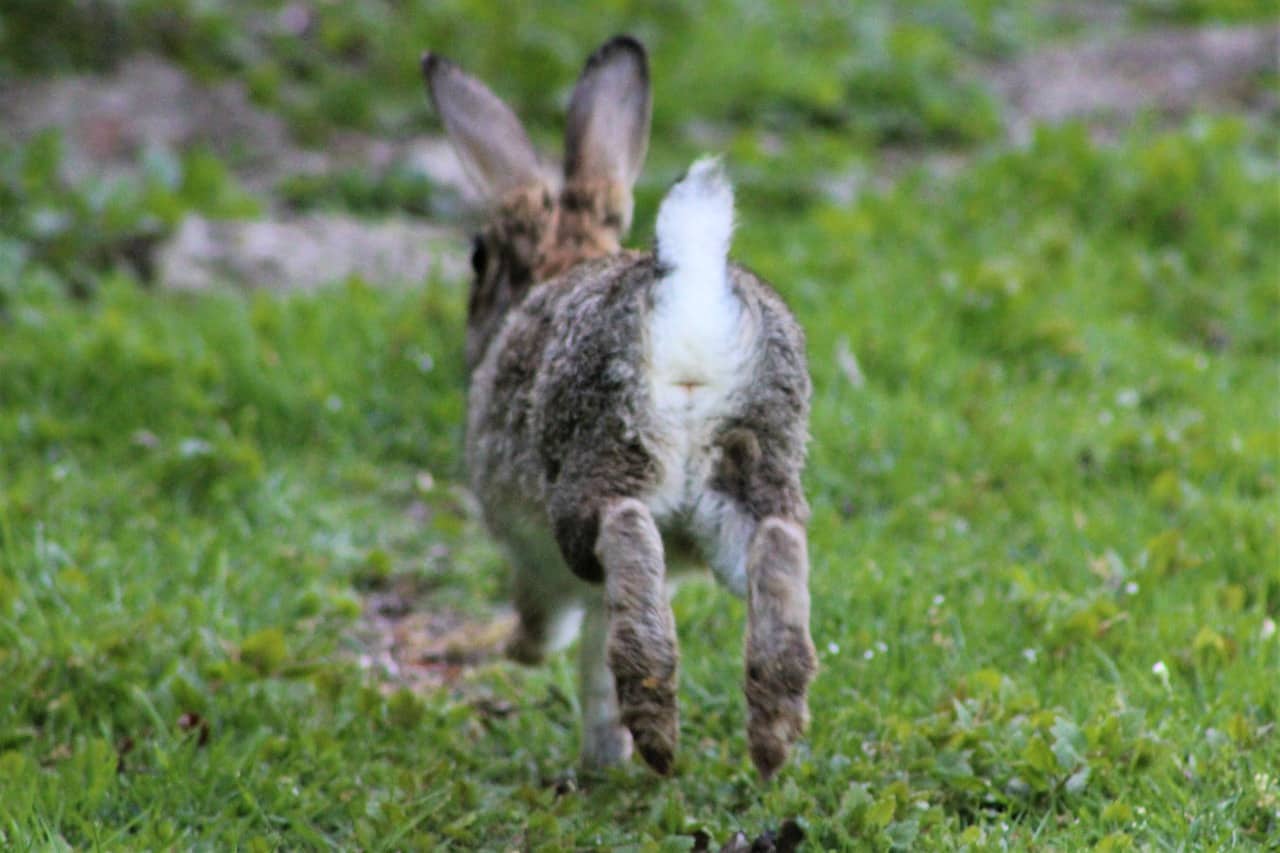
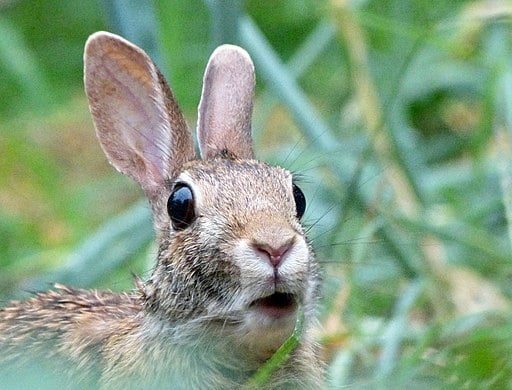
You can tell if a rabbit is sleeping by watching for seven key signs: the nose stops twitching, the ears go flat against the head, breathing slows down, the body relaxes into a resting position, the rabbit may snore softly, it stops responding to quiet sounds, and you might notice small twitches during deep sleep. Rabbits are prey animals, so they have evolved to sleep in ways that make it hard for predators to notice. This guide covers every sign in detail, plus the common sleep positions and what each one means about your rabbit's comfort level.
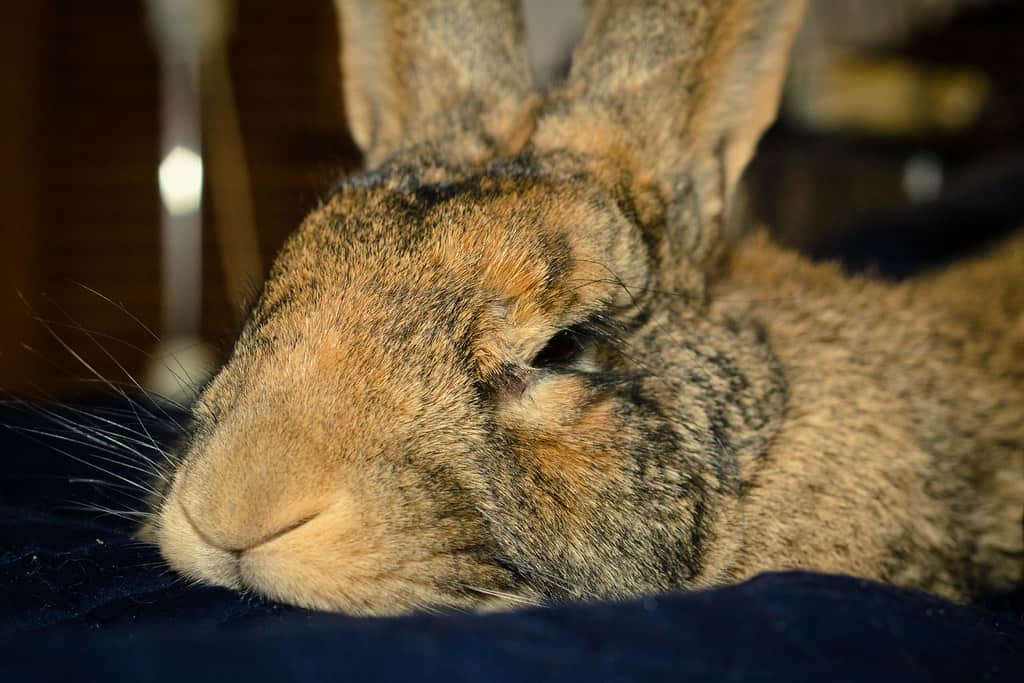
What Are the Signs That a Rabbit Is Sleeping?
Rabbits do not sleep the way cats or dogs do. They rarely curl up and close their eyes for long, obvious naps. Instead, most rabbits sleep in short bursts while looking almost fully awake. As a breeder, I have learned to spot the subtle cues that separate a resting rabbit from an alert one. Here are the seven signs to watch for.
1. The Nose Stops Twitching
This is the single most reliable indicator. A rabbit's nose is constantly in motion when it is awake, cycling through 20 to 120 twitches per minute depending on how alert or curious it is. The reason rabbits twitch their noses is to pull more air over the scent receptors inside their nasal passages. This helps them detect predators, food, and other rabbits in their environment.
When a rabbit falls asleep, the nose slows dramatically or stops entirely. Even if the eyes remain open, a still nose is a strong sign that your rabbit has drifted off. Watch the nose for at least 10 to 15 seconds before making a judgment, because some rabbits pause briefly between twitching cycles while still awake.
If the nose is twitching very slowly, at roughly 5 to 10 twitches per minute, your rabbit is likely in a light doze. It is relaxed but still partially aware of its surroundings. A completely still nose means deeper sleep.
2. Ears Are Relaxed and Flat
Rabbit ears are powerful sensory tools. When awake and alert, a rabbit's ears rotate independently to pick up sounds from different directions. According to the RSPCA's guide to rabbit behavior, upright and rotating ears indicate an alert, engaged rabbit.
When a rabbit settles down to sleep, the ears fold back and lay flat against the head or rest loosely to the sides. This is especially noticeable in upright-eared breeds like Netherland Dwarfs, Rex, or New Zealands. In lop-eared breeds, the change is subtler since the ears are already hanging down, but you will notice they stop moving and become completely still.
One important note: ears pressed tightly flat against the body can also signal fear or discomfort. Context matters. If the rabbit's body is also tense and its eyes are wide, it is likely afraid, not sleeping. A sleeping rabbit with flat ears will also have a relaxed body and slow or absent nose twitching.
3. Breathing Slows Down
A healthy awake rabbit breathes at a rate of 30 to 60 breaths per minute. When sleeping, this rate drops noticeably. You can observe the change by watching your rabbit's sides or chest for the rise and fall of each breath.
During deep sleep, the breathing becomes so slow and steady that some new rabbit owners panic and think something is wrong. This is completely normal. A rabbit that is lying on its side with slow, rhythmic breathing and no nose twitching is simply in a deep sleep cycle.
Fast, shallow breathing in a resting rabbit, on the other hand, could indicate stress, pain, or overheating. If your rabbit's breathing seems labored while at rest, check the room temperature and consult a rabbit-savvy veterinarian.
4. The Body Is Fully Relaxed
An awake rabbit holds subtle tension in its muscles, ready to sprint at a moment's notice. When sleeping, that tension melts away. You will notice the legs tuck under, stretch out, or splay to the sides depending on the sleeping position. The jaw may drop slightly, and the whole body looks loose.
The level of relaxation directly correlates with how safe the rabbit feels. A rabbit that has only been in your home for a few days might sleep in a compact loaf position with muscles still somewhat engaged. A rabbit that has lived with you for months and fully trusts its environment will flop onto its side or sprawl flat like a pancake.
5. Soft Snoring or Tooth Purring
Some rabbits snore while sleeping. It is usually a quiet, soft sound that you will only hear if you are close by. Occasional snoring is completely normal and nothing to worry about.
You might also hear gentle tooth purring, a soft grinding of the teeth that rabbits produce when they are relaxed and content. This is different from the loud, forceful tooth grinding that signals pain. The contentment version sounds light and rhythmic, almost like a cat purring.
If your rabbit consistently snores loudly, breathes through its mouth, or makes wheezing sounds while sleeping, schedule a veterinary checkup. These could indicate dental problems, respiratory infections, or nasal blockages like pasteurellosis, which is common in rabbits.
6. No Response to Gentle Sounds
Awake rabbits react to nearly every sound in their environment. Their ears swivel, their nose speeds up, and they may turn their head toward the source. A sleeping rabbit will not respond to gentle, familiar sounds like your footsteps, a door closing softly, or quiet conversation.
However, a sudden loud noise will usually wake a sleeping rabbit instantly. Rabbits are light sleepers by nature because they are prey animals. Their survival instincts keep them ready to bolt even during sleep. This is why it is important to keep your rabbit's sleeping area in a calm, quiet part of your home.
7. Dreaming Twitches During Deep Sleep
Rabbits experience REM (rapid eye movement) sleep just like humans do. During REM cycles, you may notice your rabbit twitching its whiskers, moving its legs as if running, fluttering its eyelids, or wiggling its ears. These movements are involuntary and are a sign that your rabbit is in deep sleep, possibly dreaming.
REM twitches are brief, lasting only a few seconds at a time. They are completely normal. Do not wake your rabbit during these episodes. Interrupting deep sleep regularly can stress your rabbit out over time.
Common Rabbit Sleeping Positions and What They Mean
The position your rabbit chooses for sleep tells you a lot about how comfortable and safe it feels. Here are the four most common positions, ranked from least to most relaxed.
The Loaf

The loaf is the most common resting position. Your rabbit tucks all four paws underneath its body and sits in a compact, rounded shape that looks like a bread loaf. The eyes may be open or half-closed.
This position allows the rabbit to spring up and run quickly if startled. It is the default sleeping posture for rabbits that feel reasonably safe but are not fully relaxed. New rabbits in your home will often start with loaf sleeping before progressing to more vulnerable positions as trust builds.
You will see this position most often during light naps throughout the day, especially after a meal.
The Flop
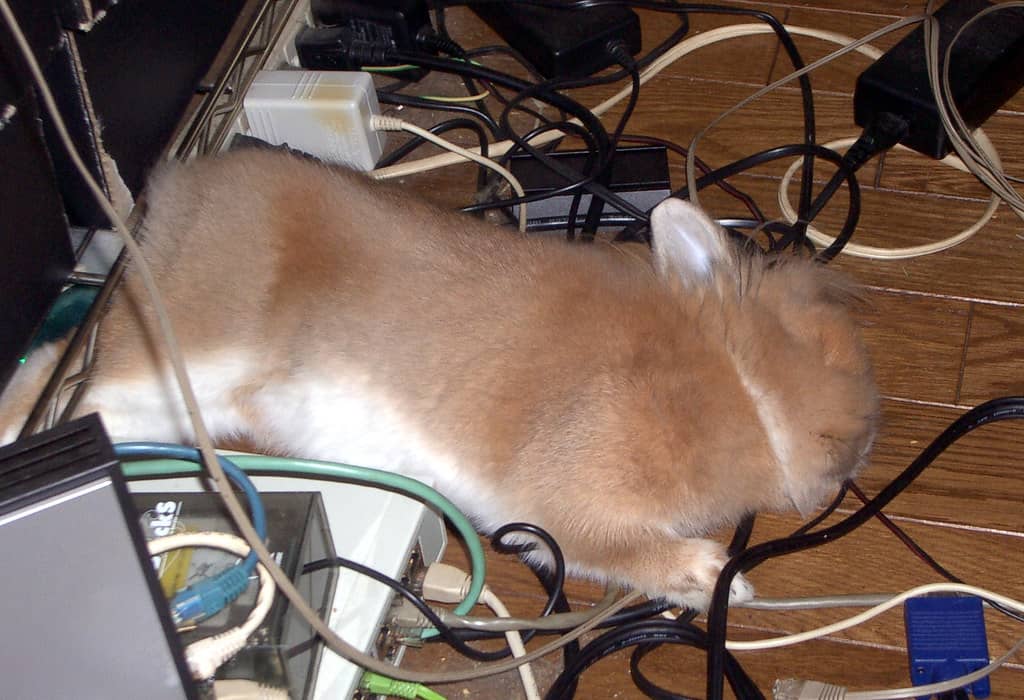
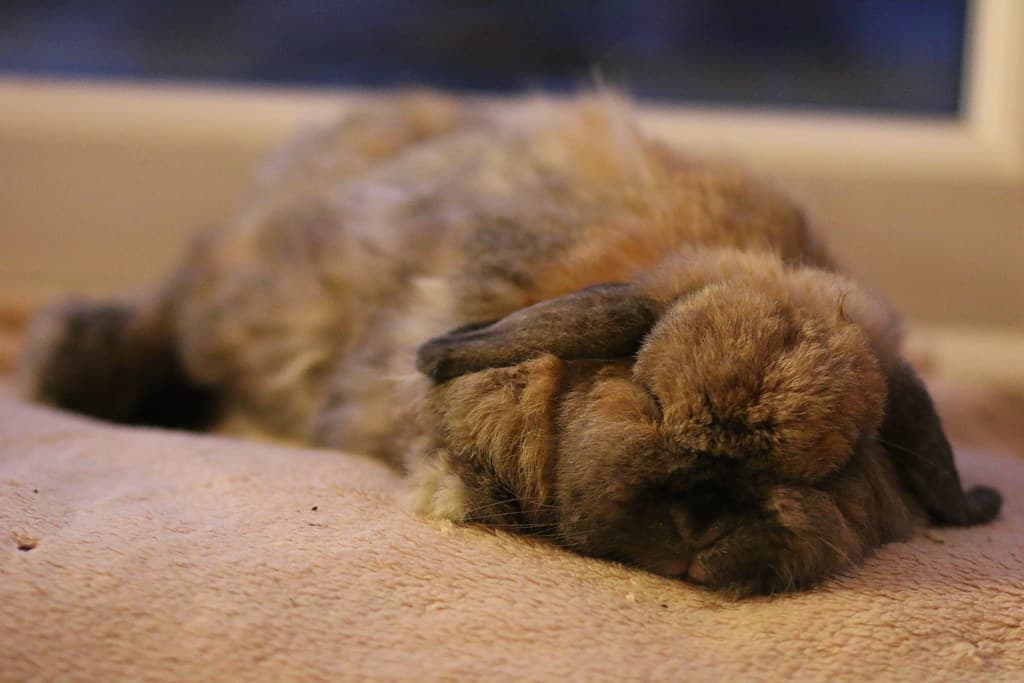
The flop is when a rabbit suddenly drops onto its side, often so quickly that it looks alarming the first time you see it. The rabbit lies with its legs stretched out to one side, sometimes with its head resting on the ground.
This is a sign of deep comfort and trust. A flopped rabbit has let go of its survival instincts entirely. It takes a flopped rabbit longer to get up and run compared to a loafed rabbit, so this position only appears when the rabbit feels completely safe.
If your rabbit flops in your presence, take it as a compliment. It means your rabbit trusts you and considers your home a safe environment. This is one of the clearest ways to tell if your rabbit is happy.
The Pancake
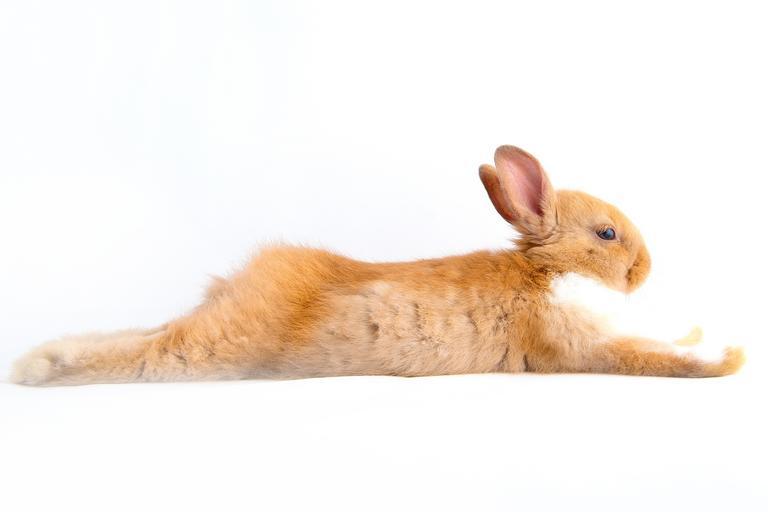
The pancake is when a rabbit lies flat on its stomach with its front legs stretched forward and hind legs extended straight behind. From above, the rabbit looks flat, like a pancake.
This is another high-trust position. The stretched-out legs make it impossible to bolt quickly, so rabbits only do this when they feel genuinely secure. You will often see the pancake position on cool floor surfaces during warmer weather, as it helps the rabbit disperse body heat.
The Superman
A variation of the pancake, the superman position has the rabbit stretched out with all four legs extended, looking like it is flying. This is the most vulnerable sleeping position and indicates absolute relaxation. Not all rabbits do this. It is more common in confident, well-socialized rabbits that have lived in a stable home for a long time.
Why Do Rabbits Sleep With Their Eyes Open?
Many new rabbit owners never see their rabbit's eyes close and wonder if the rabbit ever actually sleeps. The answer is yes. Rabbits frequently sleep with their eyes open, and they do this because of a specialized third eyelid called the nictitating membrane.
This membrane is a thin, translucent layer that slides horizontally across the eye. It keeps the eyes moist and protected from dust while still allowing the rabbit to detect light changes and movement. In the wild, this adaptation gives sleeping rabbits a survival advantage. A predator approaching will cast a shadow or create movement that the rabbit can detect even with its "eyes closed" behind the membrane.
Domestic rabbits retain this instinct. A rabbit that sleeps with its eyes open is not necessarily anxious or uncomfortable. It is simply relying on its natural biology. As your rabbit becomes more comfortable in its environment, you may notice it sleeping with half-closed or even fully closed eyes more often. A rabbit that regularly closes its eyes to sleep has reached a very high level of trust.
When Do Rabbits Sleep?
Rabbits are crepuscular, meaning they are most active at dawn and dusk. Their peak energy periods are roughly 5:00 to 9:00 AM and 5:00 to 9:00 PM, though this varies depending on your household routine and feeding schedule.
During the midday hours and late at night, rabbits typically settle into their sleep cycles. They do not take one long nap. Instead, they cycle between short naps lasting 10 to 30 minutes and brief periods of wakefulness throughout their rest periods.
This polyphasic sleep pattern is another survival adaptation. In the wild, sleeping for long stretches would be dangerous. By napping in short bursts, rabbits stay alert enough to detect threats while still getting the rest they need.
From my experience as a breeder, most rabbits adapt their sleep schedule to match their owner's routine within a few weeks. Rabbits that are fed at consistent times tend to sleep most predictably, usually settling down about 30 to 60 minutes after eating.
How Long Do Rabbits Sleep Each Day?
On average, rabbits sleep about 8 to 12 hours per day, split across many short napping sessions. The exact amount depends on the rabbit's age, health, and activity level. Young kits and senior rabbits tend to sleep more, while active adults in their prime may be closer to the 8-hour end.
If you want a more detailed breakdown of rabbit sleep duration by age and breed, check out our guide on how long rabbits sleep.
Because their naps are short and scattered, it is easy to underestimate how much your rabbit actually sleeps. If you set up a camera near your rabbit's enclosure and review the footage, you will likely find your rabbit sleeps more than you thought.
Do Rabbits Prefer Light or Dark for Sleeping?
Rabbits do not have a strong preference for light or dark when it comes to sleeping. Their crepuscular nature means they are used to resting during both the bright midday and the dark nighttime hours.
That said, you should always provide your rabbit with the option to sleep in a darker, enclosed space. A simple cardboard box with a hole cut in the side, a wooden hideaway, or a covered section of the enclosure works well. This mimics the underground burrows that wild rabbits dig for sleeping, and most domestic rabbits instinctively seek out these enclosed spaces when they want deep rest.
Avoid keeping bright artificial lights on 24 hours a day. Rabbits benefit from a natural light cycle that includes periods of darkness. A consistent routine of natural daylight during the day and darkness at night supports healthy sleep patterns and overall wellbeing.
When Should You Be Concerned About Your Rabbit's Sleep?
Normal rabbit sleep can look alarming to new owners, especially the sudden flop or the open-eyed nap. But certain changes in sleep behavior can signal a health problem.
| Warning Sign | Possible Cause | Action |
|---|---|---|
| Sleeping significantly more than usual | Pain, illness, GI stasis, depression | Monitor food and water intake; vet visit if it persists beyond 24 hours |
| Not sleeping at all, constantly alert | Stress, fear, environmental changes | Check for stressors like loud noises, new pets, or cage relocation |
| Loud, consistent snoring or wheezing | Respiratory infection, dental disease | Schedule a veterinary checkup promptly |
| Sleeping in an unusual, hunched posture | Abdominal pain, GI stasis | Check for fecal output; emergency vet if no droppings for 12+ hours |
| Head tilting or loss of balance during rest | Ear infection, E. cuniculi | Veterinary care needed immediately |
Trust your instincts as an owner. You know your rabbit's normal behavior better than anyone. If something feels off about how your rabbit is resting, it is worth investigating rather than waiting.
How to Help Your Rabbit Sleep Better
Creating the right environment for quality sleep can improve your rabbit's overall health and temperament. Here are practical steps you can take.
- Provide a quiet sleeping area. Place the enclosure away from TVs, speakers, and high-traffic areas of your home. Rabbits have extremely sensitive hearing and will struggle to sleep in a noisy environment.
- Offer enclosed hiding spots. A wooden hidey house, a cardboard box, or a tunnel gives your rabbit a safe, den-like space to retreat to. Most rabbits prefer to sleep inside or next to these structures.
- Keep a consistent routine. Feed your rabbit at the same times each day. Rabbits are creatures of habit, and a predictable routine helps them settle into regular sleep cycles.
- Maintain a comfortable temperature. Rabbits are most comfortable between 60 and 70 degrees Fahrenheit (15 to 21 degrees Celsius). Temperatures above 80 degrees Fahrenheit can cause heat stress, which disrupts sleep and can be dangerous.
- Use appropriate bedding. Soft hay or fleece liners give your rabbit a comfortable surface for resting. Avoid cedar or pine shavings, which contain oils that can irritate a rabbit's respiratory system.
- Avoid disturbing sleeping rabbits. Resist the urge to pet or pick up a sleeping rabbit. Being woken suddenly is stressful for prey animals. Let them wake up on their own.
Frequently Asked Questions
How can I tell if my rabbit is sleeping or dead?
A sleeping rabbit breathes steadily, and you can see the gentle rise and fall of its sides. If you are worried, watch the chest closely for movement. A sleeping rabbit will also respond to a loud clap or its name being called. If there is no breathing and no response to sound, seek veterinary help immediately.
Do rabbits close their eyes when they sleep?
Some rabbits close their eyes fully when sleeping, but many sleep with their eyes partially or fully open. This is due to the nictitating membrane, a transparent third eyelid that protects the eye. Rabbits that feel very safe in their environment are more likely to sleep with closed eyes.
Is it normal for a rabbit to sleep on its side?
Yes, sleeping on the side is called the flop position and indicates your rabbit feels completely safe. The rabbit may drop onto its side suddenly, which can look alarming, but it is actually a sign of deep trust and relaxation. This is normal and healthy behavior.
Why does my rabbit twitch while sleeping?
Twitching during sleep is a sign of REM sleep, which is the deepest phase of the sleep cycle. Your rabbit may move its legs, whiskers, or eyelids involuntarily. This is equivalent to dreaming in humans and is completely normal. Avoid waking your rabbit during these episodes.
Should I wake my rabbit up if it sleeps too much?
Rabbits naturally sleep 8 to 12 hours per day spread across many naps, so what looks like excessive sleep may be normal. However, if your rabbit is sleeping more than usual and also eating or drinking less, producing fewer droppings, or showing other signs of illness, contact your veterinarian.
Cite this article:
Cite this article:
BunnySync (February 27, 2026) How To Tell If a Rabbit Is Sleeping: 7 Signs and Sleep Positions. Retrieved from https://bunnysync.com/blog/how-to-tell-if-a-rabbit-is-sleeping.
"How To Tell If a Rabbit Is Sleeping: 7 Signs and Sleep Positions." BunnySync - February 27, 2026, https://bunnysync.com/blog/how-to-tell-if-a-rabbit-is-sleeping