The best way to remove urine stains from your rabbit's cage is by spraying a 50/50 mixture of white vinegar and water directly onto the stain. Vinegar dissolves the calcium carbonate deposits that form when rabbit urine dries, making those stubborn white crusty patches easy to wipe away.
If the vinegar and water mix does not work on its own, you can try undiluted white vinegar, commercial stain removers, or a baking soda paste. The method you choose depends on how old the stains are and what material your cage or litter tray is made from. Below, we cover five proven cleaning methods, a step-by-step deep cleaning guide, and tips to keep your rabbit's cage from smelling between cleanings.
What Causes the White Urine Stains in a Rabbit's Cage?
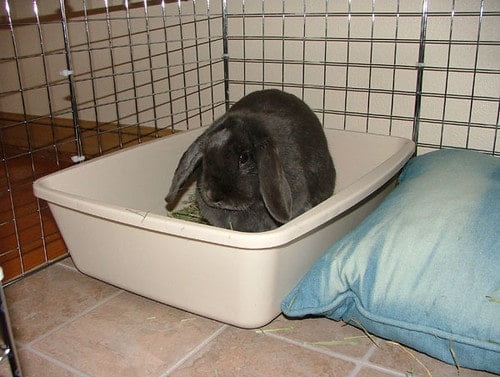
The white, chalky residue that hardens at the bottom of your rabbit's cage or litter tray is calcium carbonate. Unlike dogs and cats, rabbits excrete excess calcium through their urine rather than absorbing it all through their intestines. When that calcium-rich urine dries, it leaves behind a white, rock-hard deposit that bonds to plastic and metal surfaces.
A small amount of calcium in your rabbit's urine is completely normal and nothing to worry about. However, heavy buildup can signal that your rabbit is consuming too much calcium in their diet. Diets heavy in alfalfa hay (rather than timothy hay) and calcium-rich vegetables like spinach or kale are common culprits.
Over time, these deposits bond more firmly to surfaces. The longer they sit, the harder they become to remove. That is why consistent, routine cleaning is always the best prevention strategy.
How Do You Remove Dried Urine Stains From a Rabbit's Cage?
Removing dried urine stains from your rabbit's cage can be done with household items you likely have right now. The key is choosing the right method based on how severe the buildup is and the material your litter tray or cage is made from.
Keep in mind that low-quality plastic litter trays sometimes bond permanently with calcium deposits. In those cases, replacing the tray may be more practical than scrubbing for hours. Good-quality, smooth plastic and metal surfaces respond much better to the methods below.
Method 1: White Vinegar and Water Solution
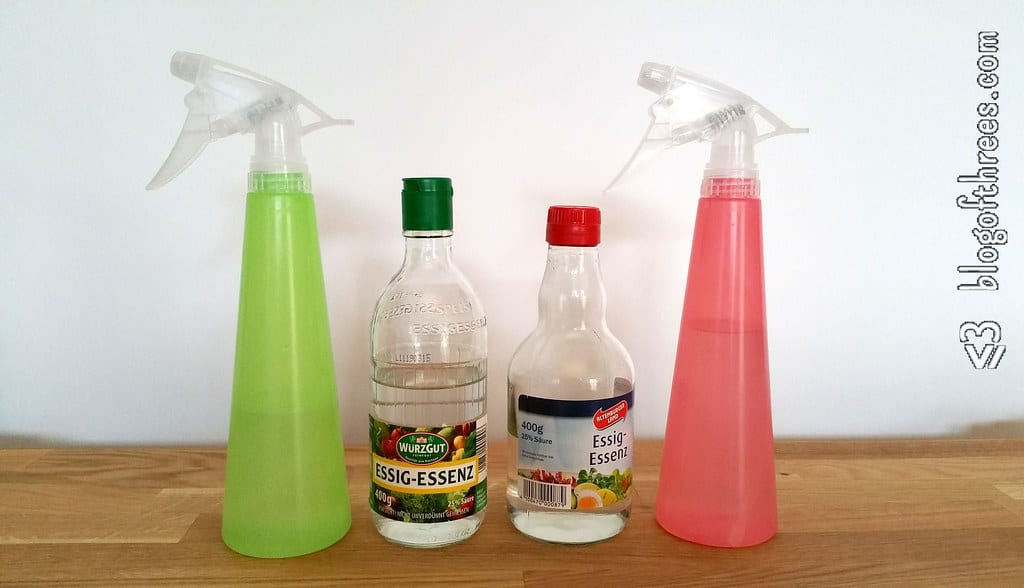
This is the most effective and accessible cleaning method for rabbit urine stains. White vinegar is a mild acid that dissolves calcium carbonate on contact, and it is completely safe to use around rabbits once rinsed and dried.
What you need:
- White vinegar
- Water
- Spray bottle
- Scrub brush or old toothbrush
Steps:
- Mix equal parts white vinegar and water in a spray bottle.
- Spray the solution generously onto the stained areas.
- Let it sit for 15 to 20 minutes so the acid can break down the calcium.
- Scrub with a brush to loosen any remaining residue.
- Rinse thoroughly with clean water.
- Dry the cage completely before returning your rabbit to it.
For heavy buildup, skip the water and spray undiluted white vinegar directly onto the stain. You can also soak the litter tray in a bathtub or basin filled with a vinegar and water solution for 30 to 60 minutes. This is especially helpful when the entire bottom of the tray is coated in white residue.
If you are wondering whether vinegar is safe to use around rabbits, rest assured that white vinegar is non-toxic. Just make sure the cage is fully rinsed and dried before your rabbit goes back in.
Method 2: Commercial Stain Removers (OxiClean or Clorox)
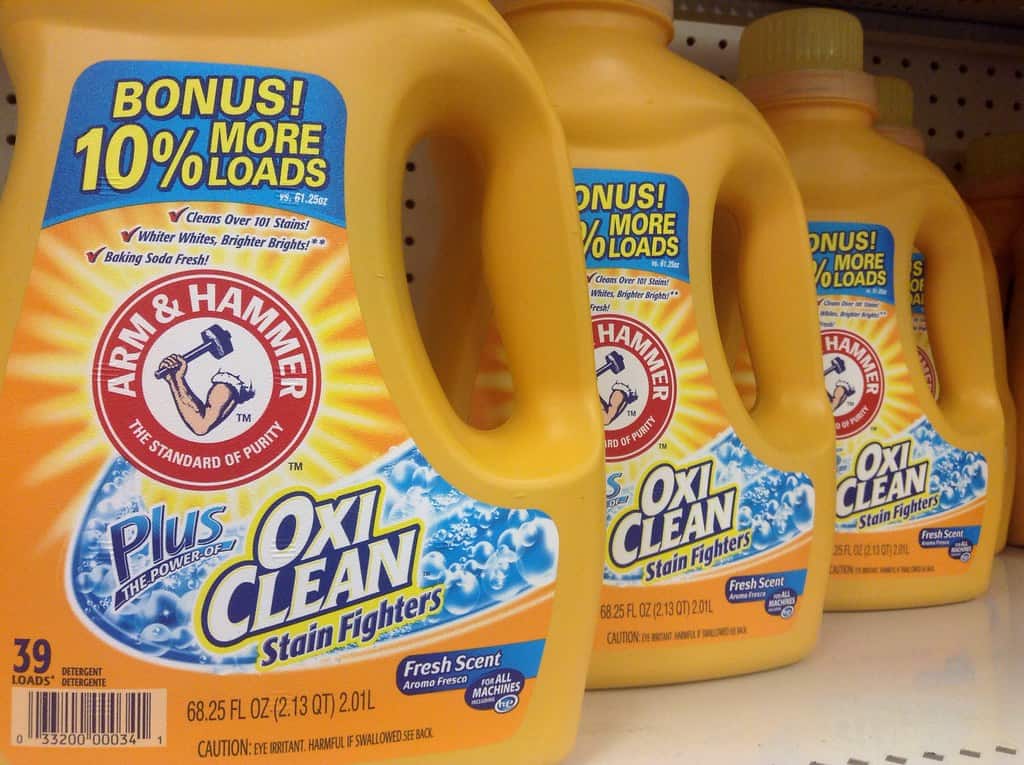
If vinegar is not cutting through the stains, a commercial stain remover like OxiClean or a diluted Clorox bleach solution can tackle heavier calcium deposits.
What you need:
- OxiClean powder or Clorox bleach
- Warm water
- Bucket or basin
- Scrub brush
- Rubber gloves
Steps:
- Dissolve one scoop of OxiClean in warm water, or mix 1 part Clorox bleach with 10 parts water.
- Pour the solution over the stained area, or submerge the entire litter tray in the bucket.
- Let it soak for 20 to 30 minutes.
- Scrub the loosened deposits with a brush.
- Rinse the tray or cage at least three times with clean water to remove all chemical residue.
- Let the cage air dry completely. Direct sunlight helps with natural disinfection.
Important safety note: Never let your rabbit come into contact with commercial cleaning products. Always rinse thoroughly until no chemical smell remains. These cleaners are effective but must be fully removed before your rabbit returns to the cage.
Method 3: Dish Soap and a Scouring Pad
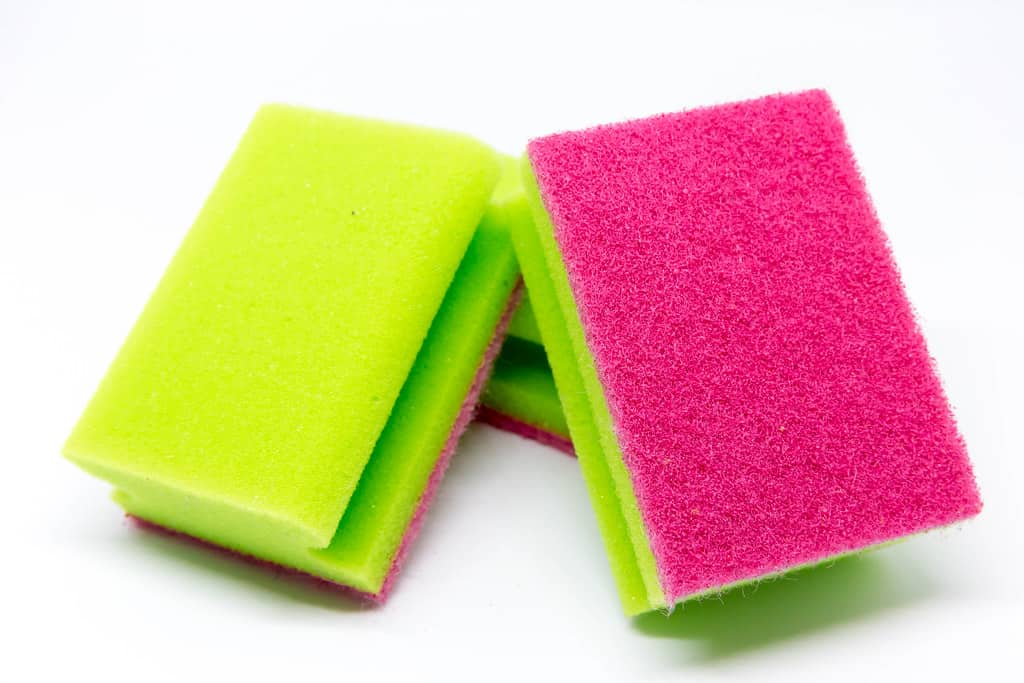
When you are on a budget or prefer not to use chemicals, dish soap paired with a scouring pad is a reliable backup. This method relies on physical scrubbing to grind away the calcium carbonate deposits rather than chemical dissolution.
What you need:
- Dish soap (Dawn or similar)
- Scouring pad (non-scratch for plastic trays)
- Warm water
Steps:
- Apply a generous amount of dish soap directly onto the stained area.
- Let it sit for 15 to 20 minutes to soften the deposits.
- Scrub firmly with a scouring pad using circular motions.
- Rinse with warm water and repeat if needed.
- Dry the cage or tray thoroughly before use.
This method takes more elbow grease than vinegar or chemical removers, but it works well for light to moderate stains. For plastic litter trays, always use a non-scratch scouring pad. Scratches create tiny grooves where urine collects, making future stains even harder to clean.
Method 4: Baking Soda Paste
Baking soda is a gentle abrasive that works especially well on plastic surfaces without scratching them. It provides scrubbing power and helps neutralize odors at the same time. If your rabbit's pee smells like ammonia, a baking soda treatment addresses both stains and odor in one step.
What you need:
- Baking soda (3 tablespoons)
- Water (1 tablespoon)
- Soft brush or sponge
Steps:
- Mix baking soda and water to form a thick paste.
- Spread the paste over the stained area in a thick layer.
- Let it sit for 20 to 30 minutes.
- Scrub gently with a soft brush or damp sponge.
- Rinse with clean water and dry completely.
For extra cleaning power, apply the baking soda paste first, let it dry for 20 minutes, then spray white vinegar over it. The fizzing reaction helps lift stubborn calcium deposits from the surface. This combination is one of the most effective natural cleaning methods available for rabbit owners.
Method 5: Hydrogen Peroxide Solution
Hydrogen peroxide (3% solution, available at any pharmacy) is another safe and effective option for stubborn stains. It works as both a cleaner and a disinfectant, making it a great choice for older, set-in deposits.
Steps:
- Pour 3% hydrogen peroxide directly onto the stained area.
- Let it bubble and fizz for 10 to 15 minutes.
- Scrub with a brush and rinse thoroughly with clean water.
- Dry the cage completely before returning your rabbit.
Do not use hydrogen peroxide concentrations higher than 3%. Stronger solutions can damage plastic surfaces and are harder to rinse clean.
Step-by-Step Deep Cleaning Guide for Your Rabbit's Cage
A thorough deep clean once a week prevents urine stains from becoming a major problem. Here is a complete routine that takes about 30 to 45 minutes.
- Remove your rabbit and place them in a secure exercise pen or carrier.
- Remove all accessories including food bowls, water bottles, hay racks, toys, and the litter tray.
- Dispose of soiled bedding and litter. Empty the litter tray completely.
- Scrape off loose deposits with a plastic scraper or old credit card.
- Apply your chosen cleaning solution. Vinegar is recommended for weekly maintenance cleaning.
- Let it soak for 15 to 20 minutes.
- Scrub all surfaces including cage bars, the base tray, and the litter pan.
- Rinse everything thoroughly with clean water. No cleaning residue should remain.
- Dry in sunlight if possible. UV rays provide natural disinfection. If sunlight is not available, towel dry and allow to air dry fully.
- Reassemble the cage with fresh bedding and clean litter. Refill food and water.
Knowing how often to change your rabbit's litter is just as important as cleaning the cage itself. Regular litter changes reduce the amount of urine that sits on surfaces long enough to form permanent stains.
How Do You Prevent Urine Stains From Building Up?
Prevention is always easier than removal. These practical steps will keep urine stains under control between deep cleanings and save you time in the long run.
Spot Clean Daily
Spend two to three minutes each day wiping down any visible wet spots in the cage or litter tray. A quick spray of vinegar solution on fresh urine prevents calcium from hardening onto surfaces. This single daily habit will cut your deep cleaning time in half.
Use the Right Litter Material
Paper-based or kiln-dried pine litter absorbs urine effectively and makes cleanup much easier. Avoid clumping cat litter, clay litter, and corn-based litter, as these can cause digestive issues if your rabbit ingests them. If you are unsure about your current litter, check our guide on what cat litter is safe for rabbits.
Invest in Quality Litter Trays
High-quality, smooth plastic litter trays resist staining far better than cheap, rough-textured ones. Stainless steel litter pans are even better because urine cannot bond to metal as easily, and they are simple to disinfect. The upfront cost pays for itself in reduced cleaning time and fewer replacements.
Adjust Your Rabbit's Diet to Reduce Calcium
If you notice excessive white calcium deposits in your rabbit's urine, their diet may contain too much calcium. Switch from alfalfa hay to timothy hay, which has significantly lower calcium content. Adult rabbits over 6 months should eat timothy hay as their primary forage, while alfalfa is best reserved for young growing rabbits and pregnant or nursing does.
Also limit high-calcium vegetables like spinach, kale, and parsley to occasional treats rather than daily staples. You can learn more about balancing your rabbit's diet in our guide on how much hay a rabbit should eat daily.
Line the Cage Base
Placing a disposable liner (newspaper, puppy pads, or washable fleece liners) at the bottom of the cage creates a barrier between urine and the cage surface. This is especially useful for rabbits that urinate outside their litter tray. Fleece liners are the most cost-effective option since you can wash and reuse them.
What Cleaning Products Are Safe to Use Around Rabbits?
Rabbits have sensitive respiratory systems, so choosing the right cleaning products matters. Here is a quick reference table of safe and unsafe options for cleaning your rabbit's living space.
| Safe Products | Use With Caution (Rinse Thoroughly) | Avoid Entirely |
|---|---|---|
| White vinegar | Diluted bleach (1:10 ratio) | Ammonia-based cleaners |
| Baking soda | OxiClean | Pine-Sol or phenol cleaners |
| Hydrogen peroxide (3%) | Clorox wipes | Scented disinfectants |
| Dish soap | Enzyme-based cleaners | Air fresheners near the cage |
| Plain warm water | Essential oil sprays |
The golden rule: whatever product you use, rinse it off completely and let the cage dry before your rabbit goes back in. If you can still smell the product after rinsing, rinse again. Your rabbit's lungs are much smaller and more sensitive than yours.
How Often Should You Deep Clean a Rabbit's Cage?
Your cleaning frequency depends on how many rabbits you have, the cage size, and whether your rabbit is litter trained. Here is a general schedule that works well for most setups.
| Task | Frequency | Time Required |
|---|---|---|
| Spot clean wet areas | Daily | 2 to 3 minutes |
| Change litter in the tray | Every 2 to 3 days | 5 minutes |
| Wipe down cage surfaces | Twice a week | 10 minutes |
| Full deep clean with vinegar soak | Once a week | 30 to 45 minutes |
| Replace plastic litter tray | Every 6 to 12 months | N/A |
If your rabbit is not litter trained or tends to urinate in multiple spots around the cage, you may need to deep clean twice per week. For well-trained rabbits that use their litter box consistently, a weekly deep clean is usually enough to prevent buildup.
Can Urine Stains Damage Your Rabbit's Cage Permanently?
Yes, they can. If calcium carbonate deposits sit on plastic for several months without cleaning, they chemically bond with the surface. At that point, even undiluted vinegar and heavy scrubbing may not fully remove them. The plastic becomes permanently discolored and pitted, which also creates a breeding ground for bacteria.
Metal wire cages hold up better than plastic over time, but prolonged urine exposure can still cause rust and corrosion on uncoated wire. Powder-coated or galvanized wire resists this damage much better than bare metal.
The takeaway: regular cleaning protects both your rabbit's health and the lifespan of their cage. Replacing a cage is far more expensive than maintaining it with a simple weekly cleaning routine.
Frequently Asked Questions
Is vinegar safe to use on a rabbit's cage?
Yes, white vinegar is completely safe for cleaning your rabbit's cage. It is non-toxic and effectively dissolves calcium carbonate urine stains. Make sure to rinse the cage thoroughly and let it dry before putting your rabbit back inside.
Why does my rabbit's urine leave white stains?
Rabbit urine contains excess calcium that their bodies excrete through the urinary tract. When the urine dries, the calcium hardens into white, chalky calcium carbonate deposits. This is normal, but heavy buildup may indicate too much calcium in your rabbit's diet.
Can I use bleach to clean my rabbit's cage?
You can use a diluted bleach solution (1 part bleach to 10 parts water) for disinfecting your rabbit's cage. However, you must rinse the cage at least three times with clean water afterward and let it dry completely. Never use undiluted bleach near your rabbit.
How do I stop calcium buildup in my rabbit's litter tray?
Spot clean daily, change litter every two to three days, and do a weekly vinegar soak. Switching your adult rabbit from alfalfa hay to timothy hay reduces excess calcium in their urine, which is the primary cause of white deposits in litter trays.
How often should I replace my rabbit's litter tray?
Plastic litter trays should be replaced every 6 to 12 months, depending on staining severity. If the surface feels rough or scratched even after thorough cleaning, bacteria can hide in those grooves and it is time for a new tray.
Cite this article:
Cite this article:
BunnySync (February 26, 2026) How To Remove Urine Stains From Your Rabbit's Cage?. Retrieved from https://bunnysync.com/blog/how-to-remove-rabbit-urine-stains-from-cage.
"How To Remove Urine Stains From Your Rabbit's Cage?." BunnySync - February 26, 2026, https://bunnysync.com/blog/how-to-remove-rabbit-urine-stains-from-cage
Sources and further reading
- Buseth, Marit Emilie., and Richard A. Saunders. Rabbit Behaviour, Health, and Care. CABI, 2014.
- Lebas, F. The Rabbit: Husbandry, Health, and Production. Food and Agriculture Organization of the United Nations, 1997.
- Patry, Karen, et al. The Rabbit-Raising Problem Solver: Your Questions Answered about Housing, Feeding, Behavior, Health Care, Breeding, and Kindling. Storey Publishing, 2014.
- Alfalfa Versus Timothy Hay for Rabbits (Purina Mills)
- Bladder Stones and Bladder Sludge in Rabbits (House Rabbit Society)