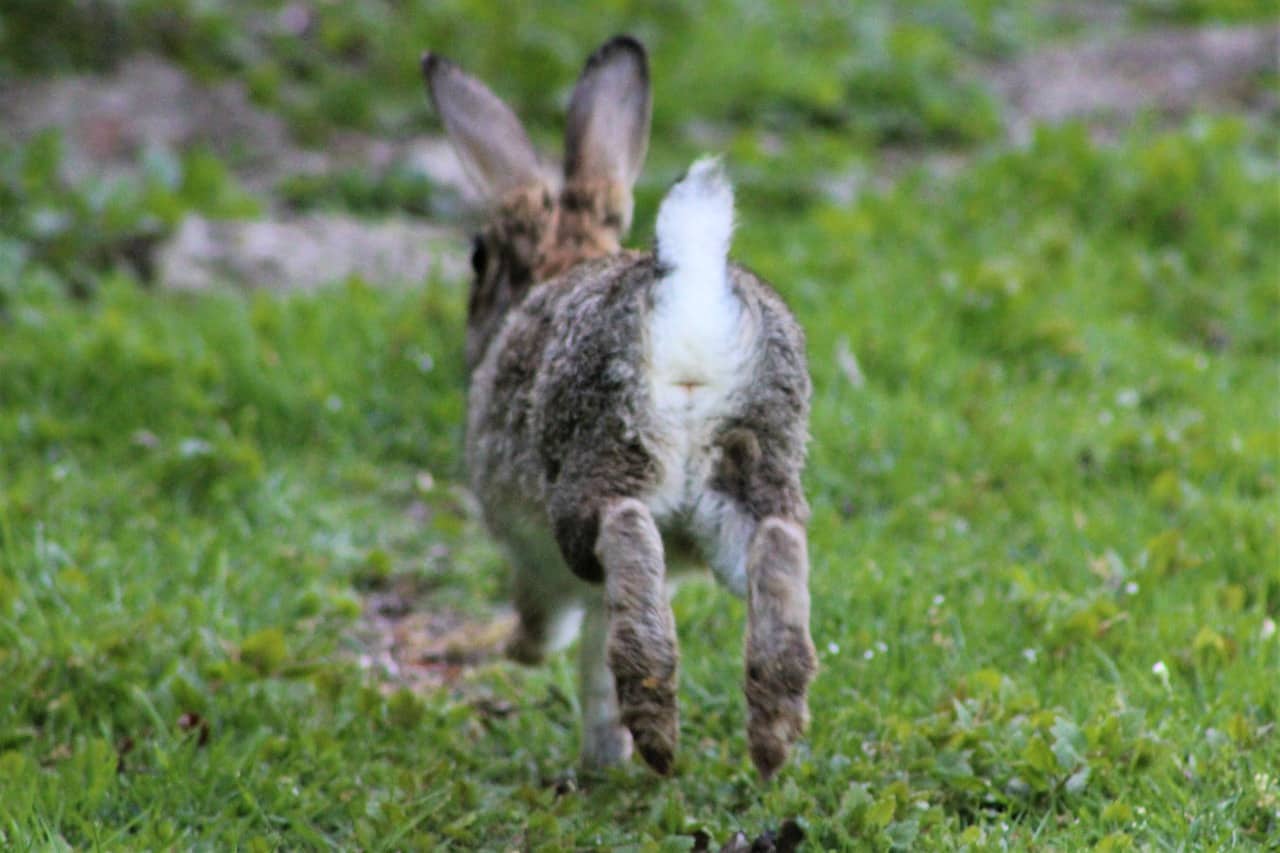
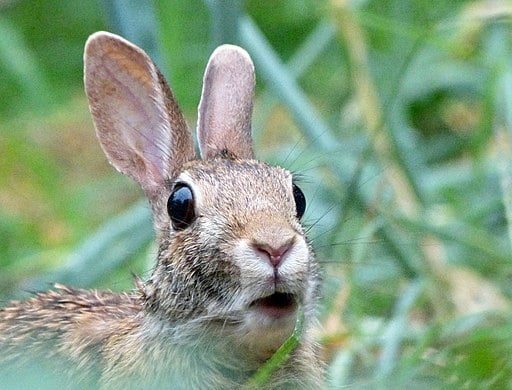
No, rabbits are not kosher. According to Jewish dietary law (kashrut), a land animal must meet two requirements to be kosher: it must have fully split hooves and it must chew its cud (be a ruminant). Rabbits fail on both counts. They have soft, fur-covered paws with toes and claws instead of hooves, and they do not ruminate. This means rabbit meat cannot be eaten under any kosher preparation method, regardless of how it is slaughtered or processed.
Understanding why rabbits fall outside kosher law requires a closer look at what kashrut actually demands, how rabbits digest food, and what the Torah says about these classifications. Below, we cover everything you need to know about rabbits and kosher dietary law.
What Does Kosher Mean?
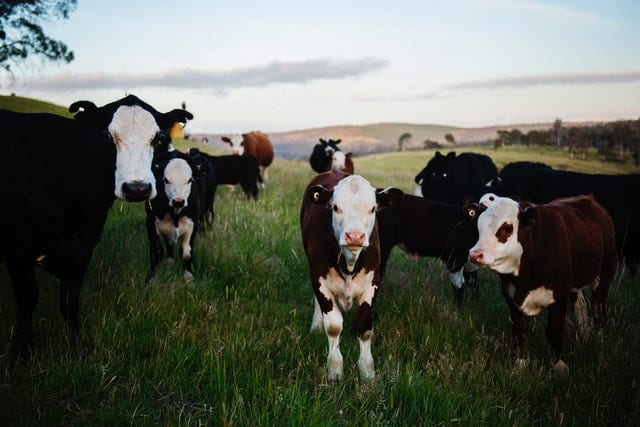
The word "kosher" comes from the Hebrew word "kasher," meaning fit, proper, or correct. In the context of food, kosher refers to items that comply with the dietary regulations outlined in the Torah (the first five books of the Hebrew Bible) and further interpreted through rabbinic literature such as the Talmud.
Kosher law governs much more than just which animals can be eaten. It covers how animals are slaughtered (shechitah), how meat is prepared, which parts of the animal can be consumed, and even how food is combined at meals. For example, mixing meat and dairy in the same dish is prohibited under kashrut, even if both ingredients are individually kosher.
When it comes to land animals specifically, the Torah lays out two clear biological markers that determine kosher status. These are found in Leviticus 11:3 and Deuteronomy 14:6.
What Are the Two Requirements for a Kosher Land Animal?
For a land animal to qualify as kosher, it must satisfy both of these criteria simultaneously:
- Split hooves (cloven hooves): The animal's hooves must be completely divided into two distinct sections. Animals like cows, sheep, goats, and deer all have this characteristic.
- Chewing the cud (rumination): The animal must be a ruminant, meaning it regurgitates partially digested food from its stomach and chews it again. This multi-chambered stomach digestive process is found in cattle, sheep, goats, and giraffes.
Both conditions must be met. An animal that has split hooves but does not chew its cud is not kosher. Likewise, an animal that chews its cud but lacks split hooves is not kosher. The Torah specifically calls out several animals that meet only one criterion as examples of non-kosher species.
Animals the Torah Lists as Partial Matches
The Torah in Leviticus 11:4-7 names four animals that have one kosher sign but not the other:
| Animal | Split Hooves? | Chews Cud? | Kosher? |
|---|---|---|---|
| Camel | No (padded feet) | Yes | No |
| Hyrax (Shaphan) | No | Appears to chew | No |
| Hare (Arnevet) | No | Appears to chew | No |
| Pig | Yes | No | No |
The hare (arnevet in Hebrew) is directly mentioned in this list. While modern domestic rabbits are taxonomically different from hares, both belong to the order Lagomorpha and share the same kosher disqualifications: no hooves of any kind and no true rumination.
Why Are Rabbits Not Kosher?
Rabbits fail both kosher requirements for land animals. Let's examine each one in detail.
Rabbits Do Not Have Split Hooves
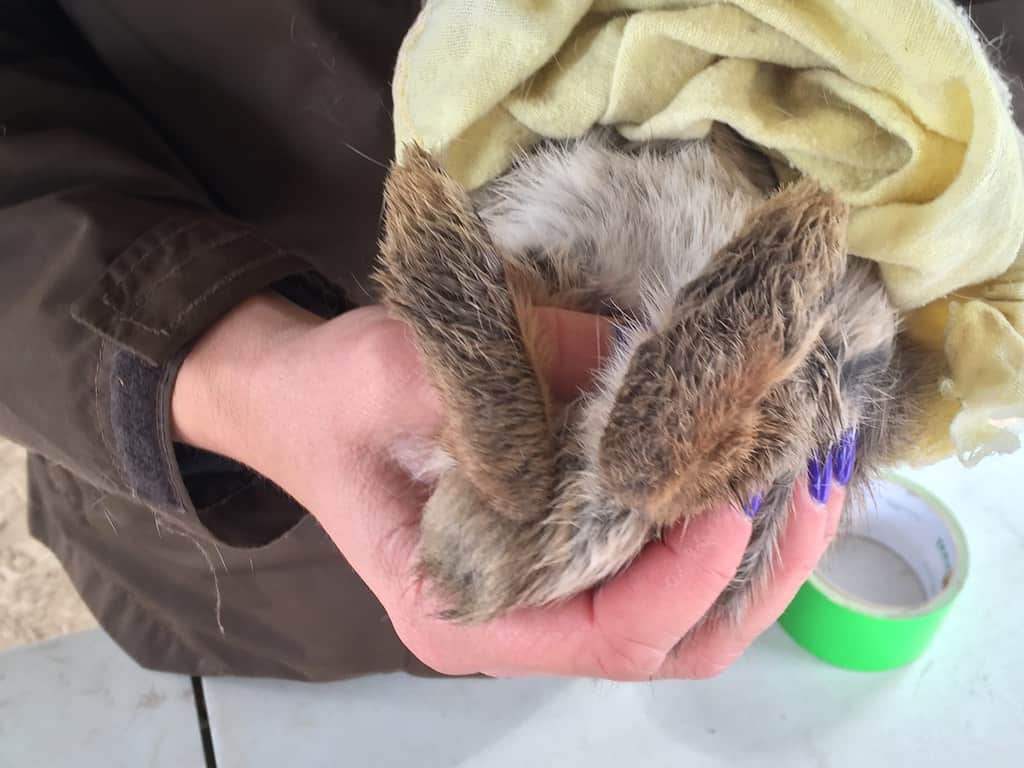
Rabbits have soft, padded paws covered in fur. Each foot has toes equipped with claws designed for digging and traction. Their front paws have five toes, and their back paws have four. This anatomy is nothing like the hard, cloven (split) hooves found on cattle, sheep, or goats.
There is no gray area here. A hoof is a hard keratin covering over the end of a toe, and a split (cloven) hoof divides into two distinct sections. Rabbits simply do not have hooves at all, making them clearly disqualified on this basis.
Rabbits Do Not Chew Their Cud
True cud-chewing (rumination) involves a specific digestive process. Ruminant animals like cows have a specialized four-chambered stomach. Food enters the rumen first, where it is partially broken down by microbial fermentation. The animal then regurgitates this partially digested material (cud) back to its mouth, chews it more thoroughly, and swallows it again for further digestion.
Rabbits have a single-chambered stomach and do not ruminate. However, rabbits do practice something called cecotrophy, which is sometimes confused with cud-chewing because of the repetitive mouth movements involved. Understanding the difference is important.
What Is Cecotrophy and Why Does It Look Like Cud Chewing?
Cecotrophy is a digestive process unique to lagomorphs (rabbits, hares, and pikas). Here is how it works:
- Food passes through the rabbit's stomach and small intestine normally.
- In the cecum (a large pouch at the junction of the small and large intestine), bacteria ferment the plant material and produce nutrient-rich soft pellets called cecotropes.
- These cecotropes are expelled through the anus, and the rabbit eats them directly, usually at night or in the early morning.
- The cecotropes pass through the digestive system a second time, allowing the rabbit to absorb vitamins (especially B vitamins) and nutrients that were not captured during the first pass.
From a distance, a rabbit eating cecotropes might appear to be chewing cud. The jaw movements look similar to rumination, which is likely why the Torah describes the hare as appearing to chew its cud. However, the biological mechanism is completely different. Cud comes up from the stomach to the mouth. Cecotropes come out the other end and are re-ingested. The two processes are not equivalent.
Rabbinic authorities universally agree that cecotrophy does not qualify as cud-chewing for the purposes of kashrut. Even if one were to argue that cecotrophy is functionally similar, rabbits would still not be kosher because they completely lack hooves.
Rabbits in the Torah and Rabbinic Texts
The Hebrew Bible mentions the hare (arnevet) directly in two passages dealing with kosher law:
- Leviticus 11:6: "And the hare, because it chews the cud but does not have split hooves, is unclean to you."
- Deuteronomy 14:7: Lists the hare among animals that chew the cud but do not have split hooves, declaring it non-kosher.
There is scholarly debate about whether "arnevet" refers specifically to the European hare, the rabbit, or a broader category of lagomorphs. Some researchers have suggested it could refer to the hyrax (a small mammal native to the Middle East), but the consensus among both traditional rabbinic commentators and modern zoologists is that arnevet refers to the hare family, which includes domestic rabbits.
The Talmud (Chullin 59a) further discusses the kosher signs of animals and reinforces that both split hooves and cud-chewing are absolute requirements. No exceptions are made for animals that partially meet the criteria or that have digestive processes resembling rumination.
Can Rabbit Meat Ever Be Made Kosher?
No. Unlike beef or chicken, where the animal itself is kosher and the question is whether it was properly slaughtered and prepared, rabbit meat is inherently non-kosher. No method of slaughter, preparation, or blessing can change this status.
This is an important distinction in Jewish dietary law. Kosher slaughter (shechitah) only applies to animals that are already classified as kosher species. Performing shechitah on a rabbit would not make its meat permissible. The prohibition is based on the animal's biology, not on how it is handled after death.
Similarly, there is no "upgrade" process in kashrut. A rabbi cannot declare a non-kosher animal to be kosher. The classifications come directly from the Torah and are considered permanent and unchangeable.
Kosher vs. Non-Kosher Animals: A Comparison
To better understand where rabbits fall, here is a breakdown of common animals and their kosher status:
| Animal | Split Hooves | Chews Cud | Kosher Status |
|---|---|---|---|
| Cow | Yes | Yes | Kosher |
| Sheep | Yes | Yes | Kosher |
| Goat | Yes | Yes | Kosher |
| Deer | Yes | Yes | Kosher |
| Bison | Yes | Yes | Kosher |
| Pig | Yes | No | Not Kosher |
| Camel | No | Yes | Not Kosher |
| Horse | No (single hoof) | No | Not Kosher |
| Rabbit | No (paws) | No | Not Kosher |
| Dog | No | No | Not Kosher |
| Cat | No | No | Not Kosher |
As you can see, rabbits miss both qualifying criteria. Even the pig, which is often considered the quintessential non-kosher animal, at least meets one requirement (split hooves). Rabbits meet neither.
How Does Rabbit Meat Compare to Other Non-Kosher Meats?
While rabbits are not permitted under kosher law, many people around the world eat rabbit meat regularly. If you are curious about what rabbit meat tastes like, it is often described as similar to chicken but with a slightly gamier, more delicate flavor. Rabbit is lean, high in protein, and low in fat compared to beef or pork.
In many European and South American countries, rabbit is a common protein source. In France, rabbit stew (lapin) is a traditional dish. In Italy, rabbit is roasted with herbs and served as a main course. However, in Jewish households that observe kashrut, rabbit is completely off the menu regardless of how popular or nutritious it may be.
For those interested in the broader topic of eating rabbit, we have covered whether you can eat a pet rabbit and the potential dangers of eating rabbit meat, including the risk of tularemia and protein poisoning from relying too heavily on rabbit as a sole protein source.
Are Rabbits Halal? How Islamic and Jewish Dietary Laws Compare
While this article focuses on kosher law, many people also wonder about whether rabbits are halal under Islamic dietary law. Interestingly, the answer is different. Most Islamic scholars consider rabbit meat to be halal (permissible) as long as it is slaughtered according to Islamic guidelines (zabiha).
The key difference is that Islamic dietary law does not require animals to have split hooves or chew their cud. Instead, halal law primarily prohibits pork, blood, carrion, and animals slaughtered without invoking God's name. Since rabbits are herbivores and do not fall into any prohibited category under Islamic law, they are generally considered permissible.
This is a good example of how two Abrahamic dietary traditions can reach different conclusions about the same animal based on different criteria.
What About Keeping Rabbits as Pets in a Kosher Household?
Kosher law only governs what you eat, not what animals you keep as companions. There is no prohibition in Judaism against keeping rabbits as pets. Many observant Jewish families keep rabbits, cats, dogs, and other non-kosher animals as household pets without any conflict with kashrut.
The restriction is solely on consumption. You cannot eat rabbit meat, cook with rabbit products, or serve rabbit at a kosher table. But caring for a rabbit, housing it, and enjoying it as a companion animal is perfectly acceptable under Jewish law.
If you are considering getting a rabbit, you may also want to know whether rabbit is classified as red or white meat, since this distinction matters for various dietary planning purposes beyond religious law.
Common Misconceptions About Rabbits and Kosher Law
Misconception 1: "Rabbits Chew Their Cud, So They Should Be Kosher"
This comes from observing rabbits making chewing motions when they eat cecotropes. As explained above, cecotrophy is biologically distinct from rumination. Cecotropes are special droppings re-ingested from the anus, not food regurgitated from the stomach. Even the Torah itself acknowledges the hare "appears" to chew cud while still classifying it as non-kosher.
Misconception 2: "Wild Rabbits Might Be Different from Domestic Rabbits"
Both wild and domestic rabbits belong to the same species (Oryctolagus cuniculus for domestic rabbits) or closely related species. Their anatomy is identical in terms of kosher-relevant characteristics: paws instead of hooves and a cecotrophic digestive system instead of rumination. Wild rabbits, cottontails, jackrabbits, and domestic breeds are all equally non-kosher.
Misconception 3: "A Rabbi Can Bless the Meat to Make It Kosher"
Rabbis do not "bless" food to make it kosher. Kosher supervision (hashgacha) ensures that already-kosher food is prepared correctly. A non-kosher animal cannot be made kosher through any blessing, prayer, or rabbinical declaration. The Torah's classifications are considered divine law and are not subject to rabbinical override.
Frequently Asked Questions
Does the Bible specifically mention rabbits as non-kosher?
Yes. Leviticus 11:6 and Deuteronomy 14:7 both list the hare (arnevet) as a non-kosher animal. While the exact species translation is debated, rabbinic authorities unanimously apply this classification to all lagomorphs, including domestic rabbits and wild hares.
Can you keep a rabbit as a pet if you keep kosher?
Absolutely. Kosher dietary law only governs what you eat, not which animals you keep as companions. Many observant Jewish families keep rabbits as pets without any conflict with kashrut. The prohibition applies solely to consuming rabbit meat.
Is rabbit meat halal even though it is not kosher?
Yes. Most Islamic scholars consider rabbit meat halal when slaughtered according to Islamic guidelines. Islamic dietary law uses different criteria than Jewish kashrut and does not require animals to have split hooves or chew their cud to be permissible.
Why do rabbits appear to chew their cud?
Rabbits practice cecotrophy, where they re-ingest special nutrient-rich droppings called cecotropes. The chewing motion looks similar to rumination, but the process is completely different. Cud comes from the stomach, while cecotropes come from the cecum and are expelled and re-eaten.
Are any rabbit breeds considered kosher?
No. All rabbit breeds, whether domestic or wild, are non-kosher. The classification is based on the biological characteristics of the entire order Lagomorpha (no hooves, no rumination), not on individual breed traits. No rabbit breed has hooves or a ruminant digestive system.
Cite this article:
Cite this article:
BunnySync (March 13, 2026) Are Rabbits Kosher? Jewish Dietary Law Explained. Retrieved from https://bunnysync.com/blog/are-rabbits-kosher.
"Are Rabbits Kosher? Jewish Dietary Law Explained." BunnySync - March 13, 2026, https://bunnysync.com/blog/are-rabbits-kosher