Rabbit meat tastes similar to chicken, with a mild, slightly sweet flavor and a firmer, leaner texture. It is classified as white meat and takes on seasonings well, making it one of the most versatile proteins available. The biggest difference between rabbit and chicken is fat content. Rabbit is significantly leaner, which means it can dry out if overcooked but delivers a cleaner, more delicate flavor when prepared correctly. Whether you are trying rabbit meat (also known as "lapin" in culinary circles) for the first time or considering raising meat rabbits, understanding the flavor profile, nutritional value, and best cooking methods will help you get the most out of this underrated protein.
Does Rabbit Meat Taste Good?
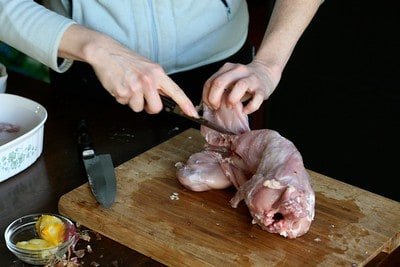
Yes, rabbit meat tastes good. Most people who try it for the first time describe the flavor as a cross between chicken and turkey, with a subtle sweetness that sets it apart. The taste largely depends on three factors: the age of the rabbit, whether it was farm-raised or wild, and how it was cooked.
Younger rabbits (fryers, typically 8 to 12 weeks old) produce the most tender, mildly flavored meat. As rabbits age, the flavor becomes more pronounced and the texture firmer. Older rabbits, sometimes called "roasters" or "stewers," work best in slow-cooked dishes where the extended cooking time breaks down tougher muscle fibers.
Because rabbit meat is so lean, it absorbs marinades and spices exceptionally well. Curry, rosemary, thyme, garlic, and mustard all pair beautifully with rabbit. If you enjoy chicken but want something with a bit more character, rabbit is an excellent choice.
What Does Domestic Rabbit Meat Taste Like?
Domestic or farm-raised rabbit meat has a mild, clean flavor with very little gaminess. The meat is pinkish-white and tender, thanks to a controlled diet that typically consists of commercial pellets, hay, and fresh greens.
Farm rabbits carry more intramuscular fat than their wild counterparts. This makes the meat slightly juicier and more forgiving during cooking. The flavor is comparable to a very lean chicken breast, but with a finer grain and a subtle sweetness that chicken lacks.
Most commercial rabbit meat in the United States comes from New Zealand White and Californian breeds, which have been selectively bred for rapid growth and high meat-to-bone ratios. These breeds reach market weight within 10 to 12 weeks, producing the youngest and most tender meat available.
If you are new to eating rabbit, domestic rabbit is the best place to start. The mild flavor is approachable, and the texture is similar enough to chicken that it will not feel unfamiliar on your plate.
What Does Wild Rabbit Meat Taste Like?
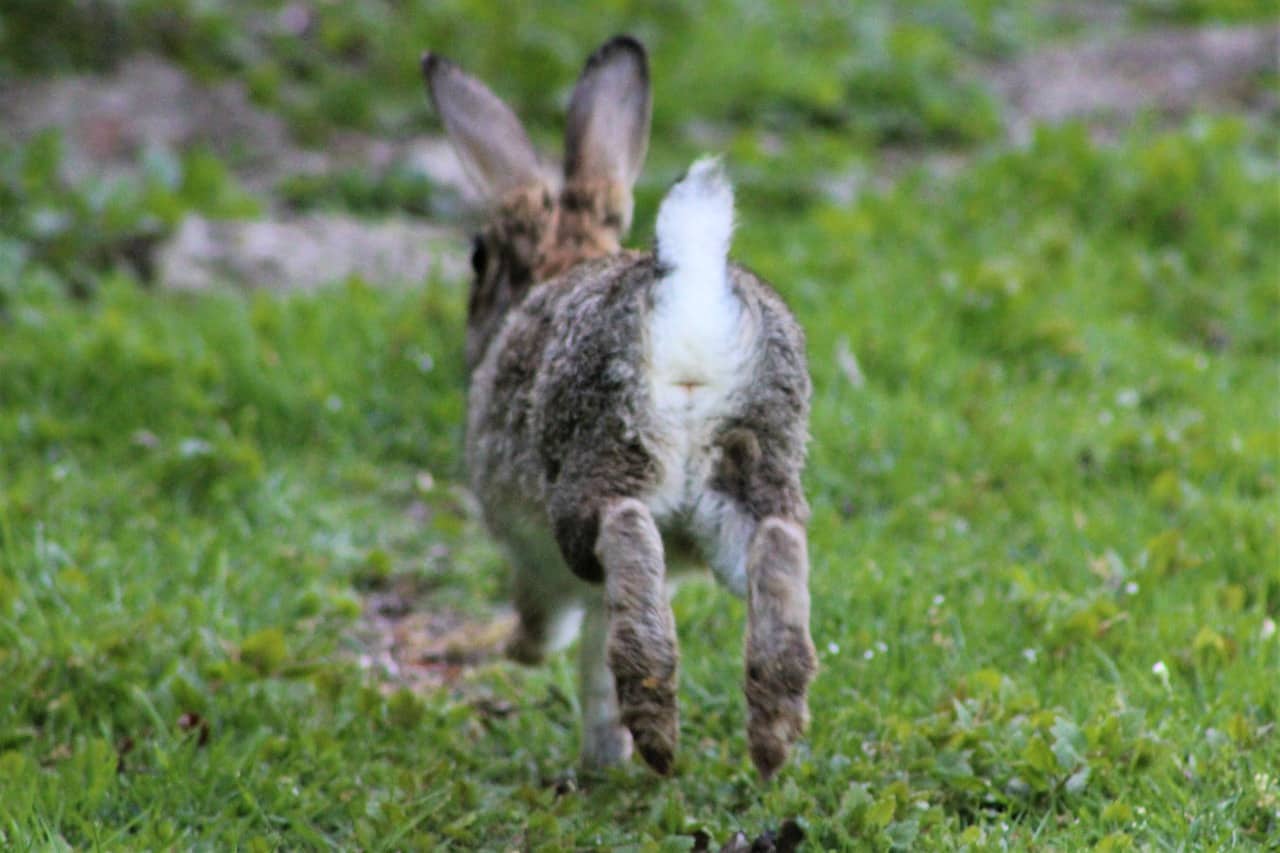
Wild rabbit meat has a noticeably stronger, earthier flavor compared to domestic rabbit. The taste is often described as "gamey," similar to pheasant or dark-meat duck. This stronger aroma comes from the rabbit's varied natural diet of wild grasses, herbs, clover, and bark.
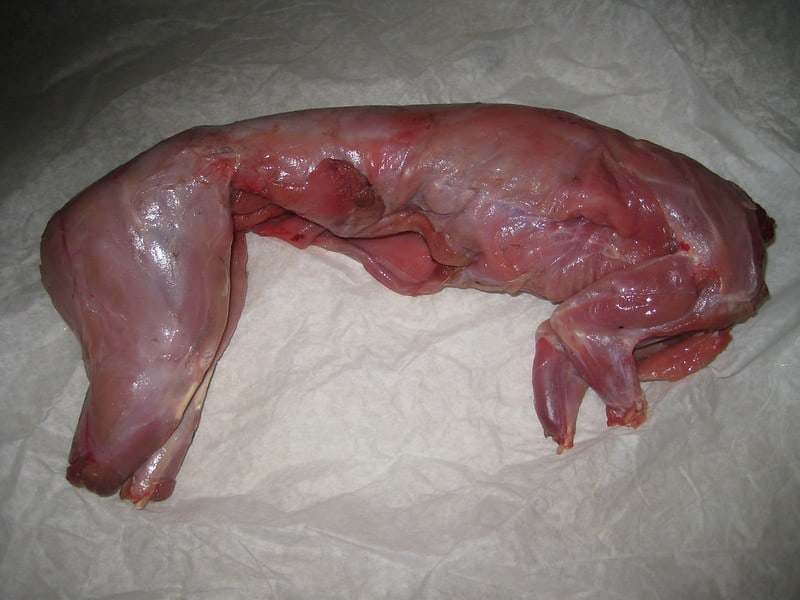
The meat is also darker in color, leaning toward a deep reddish-pink rather than the pale pink of farm-raised rabbit. Wild rabbit is leaner and tougher because the animals are constantly active: running, foraging, and evading predators. This muscle development creates a denser texture that requires different cooking techniques.
Age plays a bigger role with wild rabbits than domestic ones. Young wild rabbits (under six months) have a pleasant, mild gaminess that most people enjoy. Older wild rabbits can develop an overpowering smell that makes the meat difficult to eat unless it is properly marinated and slow-cooked.
Hunters should also be aware that the season matters. Rabbits harvested in autumn and winter tend to have better flavor than those taken in summer, as the cooler months reduce the risk of parasites and the rabbits have built up more fat stores.
How Does Rabbit Meat Compare to Other Meats?
Rabbit meat stands out when compared to other common proteins. It has the highest protein content per serving, the lowest fat, and the fewest calories among popular meats. Here is how it stacks up.
Rabbit vs. Chicken
Both rabbit and chicken are white meats, but rabbit has about 33% protein per serving compared to chicken's 27%. Rabbit also has fewer calories: roughly 173 calories per 100 grams versus 239 for chicken with skin. The flavor is similar, though rabbit has a slightly sweeter, more nuanced taste. Chicken wins on convenience and availability, but rabbit wins on nutrition. For a deeper look at whether rabbit is classified as red or white meat, we have a separate guide.
Rabbit vs. Beef
Beef contains nearly five times more total fat than rabbit meat. A 100-gram serving of rabbit provides comparable protein to beef but with significantly fewer calories and far less saturated fat. Rabbit is also richer in certain minerals, including phosphorus (347 mg per 100g) and has lower cholesterol levels (56.4 mg per 100g). Beef delivers a richer, more robust flavor, while rabbit offers a lighter, cleaner eating experience.
Rabbit vs. Pork
Pork falls somewhere between chicken and beef in terms of fat content, but rabbit still comes out leaner. Rabbit provides more protein per serving and fewer calories. Flavor-wise, rabbit lacks the natural fattiness that makes pork tender and juicy, so it requires more careful cooking to avoid dryness.
Rabbit Meat Nutritional Comparison
This table breaks down the nutritional profile of rabbit meat compared to other common proteins per 100-gram serving, based on data from the WebMD rabbit meat health benefits guide.
| Nutrient | Rabbit | Chicken (skinless) | Beef (lean) | Pork (lean) |
|---|---|---|---|---|
| Calories | 173 kcal | 190 kcal | 250 kcal | 242 kcal |
| Protein | 33 g | 27 g | 26 g | 27 g |
| Total Fat | 3.5 g | 7.4 g | 15 g | 14 g |
| Cholesterol | 56.4 mg | 85 mg | 89 mg | 80 mg |
| Iron | 1.6 mg | 1.0 mg | 2.6 mg | 0.9 mg |
Rabbit meat's exceptional protein-to-fat ratio makes it a favorite among health-conscious eaters and athletes looking for lean protein sources. It is also naturally low in sodium and rich in B vitamins, particularly B12 and niacin.
Which Rabbit Breeds Produce the Best Meat?
Not all rabbits are created equal when it comes to meat production. Certain breeds have been selectively developed for rapid growth, high meat-to-bone ratio, and efficient feed conversion.
- New Zealand White: The most popular meat breed worldwide. These rabbits grow quickly, reaching 4 to 5 kg within 10 to 12 weeks. They have fine bones and a high dressing percentage, meaning more usable meat per animal.
- Californian: Known for their muscular build and excellent feed conversion. Many commercial operations cross Californian bucks with New Zealand does to produce fast-growing hybrid kits.
- Flemish Giant: The largest domestic rabbit breed, weighing up to 10 kg. While they produce more total meat, they take longer to reach market weight and have a lower feed efficiency than New Zealands or Californians.
- Rex: A dual-purpose breed valued for both meat and fur. Rex rabbits have good reproductive efficiency and produce quality meat, though they grow slightly slower than dedicated meat breeds.
- Silver Fox: An American heritage breed with excellent meat quality and a calm temperament. They are slower to mature but produce flavorful, well-marbled meat.
For small-scale homesteaders, New Zealand Whites and Californians remain the top choices due to their fast growth and consistent results.
What Is Rabbit Starvation?
Rabbit starvation, also called protein poisoning, is a condition that occurs when someone eats almost nothing but extremely lean meat like rabbit without adequate fat or carbohydrates. Because rabbit meat is so low in fat, relying on it as your sole food source can lead to severe malnutrition, even if you are eating plenty of calories.
The condition was first documented among Roman soldiers around 150 BC during the Wars in Spain, when troops survived primarily on rabbit meat and developed fatal diarrhea. Arctic explorer Vilhjalmur Stefansson later described the phenomenon among Hudson Bay Company trappers who died despite eating abundant rabbit meat.
Symptoms include diarrhea, headache, fatigue, low blood pressure, and a persistent feeling of hunger that eating more lean meat cannot satisfy. The cure is simple: add fat to the diet. In Stefansson's hospital experiments, symptoms reversed within days once fat was reintroduced.
This is not a concern for anyone eating a normal, varied diet. Rabbit starvation only occurs in extreme survival situations where rabbit is the only food available. When eaten as part of a balanced diet, rabbit is one of the healthiest meats you can choose. For more on potential risks, read our guide to the dangers of eating rabbit meat.
Best Ways to Cook Rabbit Meat
Rabbit's low fat content means it needs careful cooking to stay moist and tender. The wrong technique can leave you with dry, chewy meat. Here are the methods that work best.
Braising
Braising is widely considered the best way to cook rabbit. Sear the pieces in butter or oil until golden, then slow-cook them in liquid (wine, broth, or cream) with aromatics like garlic, onions, and fresh herbs. The low, slow heat breaks down connective tissue and infuses the meat with flavor. Aim for an internal temperature of 160 degrees F (71 degrees C) and cook for 45 to 90 minutes depending on the size of the pieces.
Stewing
Stewing is similar to braising but uses more liquid and smaller cuts of meat. Rabbit stew is a classic comfort dish across Europe, from French lapin stew to Italian coniglio alla cacciatora. The key is patience: low heat and long cooking times produce fall-off-the-bone results.
Roasting
Whole roasted rabbit can be spectacular, but you need to add fat to prevent drying out. Wrap the rabbit in bacon or pancetta, or baste frequently with butter. Roast at 350 degrees F (175 degrees C) for about 25 minutes per pound. Use a meat thermometer and pull the rabbit at 160 degrees F internal temperature.
Grilling
Grilling works best for the loin and tenderloin, which are the most tender cuts. Marinate for at least two hours to add moisture and flavor, then grill over medium heat. The legs are too tough for direct grilling but can be pre-braised and finished on the grill for a smoky char.
Frying
Fried rabbit is a Southern American tradition. Dredge pieces in seasoned flour, buttermilk, and flour again for a crispy coating. Deep fry at 350 degrees F (175 degrees C) for 12 to 15 minutes until golden brown and cooked through. The coating locks in moisture and creates a satisfying crunch that pairs well with the mild meat.
How to Reduce the Gamey Taste in Rabbit Meat
Wild rabbit in particular can have a gamey flavor that some people find off-putting. Here are proven techniques to mellow it out:
- Soak in buttermilk or salted water. Submerge the rabbit pieces in buttermilk for 4 to 8 hours in the refrigerator. The acidity breaks down tough fibers and draws out blood, which is the main source of gaminess.
- Use an acidic marinade. Wine, vinegar, or citrus juice all work well. Combine with olive oil, garlic, and herbs for a marinade that adds flavor while taming gaminess.
- Remove all silver skin and fat. What little fat wild rabbit has can carry a strong flavor. Trim it carefully before cooking.
- Cook with aromatic ingredients. Onions, celery, carrots, rosemary, thyme, bay leaves, and juniper berries all help mask and complement gamey notes.
- Age the meat. Hanging the carcass in a cool environment (34 to 38 degrees F) for 24 to 48 hours allows enzymes to break down muscle fibers, tenderizing the meat and mellowing the flavor.
Is Wild Rabbit Meat Better Than Domestic?
The answer depends on what you value most. Here is a side-by-side comparison.
| Factor | Domestic Rabbit | Wild Rabbit |
|---|---|---|
| Flavor | Mild, clean, slightly sweet | Earthy, gamey, more complex |
| Texture | Tender, pinkish-white | Firmer, darker, more dense |
| Fat Content | Higher (still lean overall) | Very low |
| Meat Yield | More meat per animal | Smaller carcass, less meat |
| Availability | Year-round from farms | Seasonal, requires hunting |
| Parasite Risk | Minimal with proper farming | Higher, especially in summer |
For everyday cooking, domestic rabbit is the clear winner. It is more consistent, easier to source, and produces reliably tender results. Wild rabbit appeals to hunters and those who enjoy a more pronounced, complex flavor, but it requires more preparation and cooking skill.
If you are curious about the broader question of eating pet rabbits versus meat rabbits, we cover the legal and ethical considerations in a dedicated article.
Frequently Asked Questions
Is rabbit meat healthier than chicken?
Yes, rabbit meat is healthier than chicken in several ways. It contains more protein per serving (33g vs 27g per 100g), fewer calories, less fat, and lower cholesterol. Rabbit is also rich in B vitamins and minerals like phosphorus and iron, making it one of the leanest, most nutrient-dense meats available.
Does rabbit meat smell bad when cooking?
Fresh domestic rabbit has very little odor when cooking. Wild rabbit can have a stronger, gamey smell, especially if the animal was older. Soaking the meat in buttermilk or salted water for several hours before cooking effectively reduces any unpleasant smell. Cooking with aromatic herbs and garlic also helps.
Can you eat rabbit meat rare or medium?
No, rabbit should always be cooked to an internal temperature of at least 160 degrees F (71 degrees C). Unlike beef, rabbit can carry parasites such as tularemia, particularly wild rabbit. Thorough cooking eliminates any risk. Well-done rabbit cooked with proper technique like braising or stewing is still tender and juicy.
Why is rabbit meat not more popular?
Cultural associations with rabbits as pets rather than livestock are the biggest barrier in many Western countries. Rabbit meat also lacks the marketing infrastructure that chicken, beef, and pork enjoy. However, rabbit is gaining popularity among health-conscious consumers and sustainable food advocates due to its low environmental footprint and superior nutritional profile.
How much does rabbit meat cost?
Farm-raised rabbit meat typically costs between \ and \ per pound in the United States, depending on your location and the supplier. This is more expensive than chicken or pork but comparable to premium cuts of beef. Raising your own meat rabbits significantly reduces costs, as they have excellent feed-to-meat conversion ratios.
Cite this article:
Cite this article:
BunnySync (March 4, 2026) What Does Rabbit Meat Taste Like?. Retrieved from https://bunnysync.com/blog/rabbit-meat-taste.
"What Does Rabbit Meat Taste Like?." BunnySync - March 4, 2026, https://bunnysync.com/blog/rabbit-meat-taste