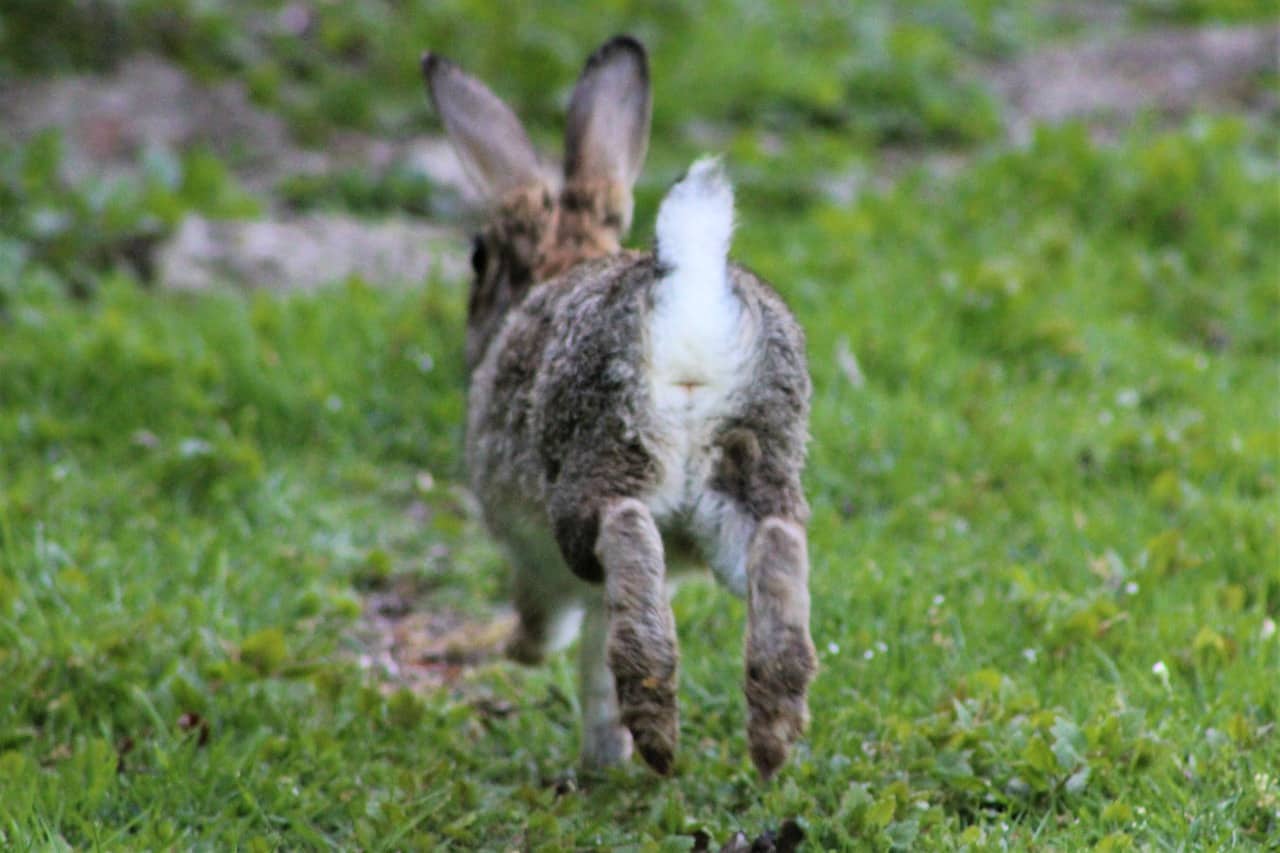
Eating rabbit meat is generally safe when handled and cooked correctly, but there are real dangers you should know about before you take your first bite. The main dangers of eating rabbit meat include tularemia (rabbit fever), parasitic infections, protein poisoning from eating it exclusively, and bacterial contamination from improper handling. As breeders who have processed hundreds of rabbits over the years, we can tell you that most of these risks are preventable with the right knowledge and precautions.
Rabbit meat is one of the leanest, most protein-dense meats available. It contains roughly 29 grams of protein per 100 grams while carrying only about 3.5 grams of fat. That nutritional profile is both its greatest strength and, ironically, one of its potential dangers. Below, we cover every risk you need to understand before eating rabbit meat, whether you are hunting wild rabbits or raising them on a homestead.
What Is Protein Poisoning (Rabbit Starvation)?
Protein poisoning, also known as "rabbit starvation" or "mal de caribou," is a condition that occurs when a person relies almost entirely on lean meat like rabbit for calories over an extended period. The human body needs dietary fat to absorb fat-soluble vitamins (A, D, E, and K), produce hormones, and maintain organ function. Rabbit meat contains so little fat that your body cannot sustain itself on it alone.
This is not a theoretical risk. Historical accounts from Arctic explorers and frontier trappers document cases of rabbit starvation when no other food sources were available. The Lewis and Clark expedition journals reference periods where their party subsisted on lean game and experienced many of the symptoms below.
Symptoms of Protein Poisoning
Symptoms typically appear after several days to weeks of eating almost nothing but lean rabbit meat:
- Persistent diarrhea that worsens over time
- Nausea and vomiting, especially after meals
- Extreme fatigue and general weakness
- Headaches that do not respond to hydration
- Low blood pressure and slow heart rate
- Insatiable hunger, even immediately after eating
- Death in prolonged, extreme cases where no fat or carbohydrate sources are introduced
How to Prevent Protein Poisoning
The fix is straightforward: never eat rabbit meat as your sole food source. Pair it with foods that contain fat and carbohydrates. Cooking rabbit in butter or oil, serving it with root vegetables, or adding organ meats (which contain more fat than muscle meat) all reduce the risk to essentially zero. In a survival situation, rendering fat from bone marrow or eating the kidneys and liver can provide the fat your body needs.
For context, rabbit meat has a mild, slightly gamey flavor that pairs well with rich sauces and fatty side dishes, so building balanced meals around it is easy in a normal kitchen setting.
Can You Get Tularemia From Eating Rabbit Meat?
Yes. Tularemia, commonly called "rabbit fever," is a bacterial infection caused by Francisella tularensis. It is one of the most well-documented zoonotic diseases associated with rabbits. You can contract tularemia by handling an infected carcass with bare hands, getting bitten by an infected tick or deerfly, or eating undercooked infected meat.
Wild rabbits are the primary carriers. Domestic, farm-raised rabbits have a significantly lower risk because they are not exposed to the tick and deerfly vectors that spread the bacterium in the wild.
Symptoms of Tularemia in Humans
Symptoms usually appear 3 to 5 days after exposure, though they can take up to 14 days:
- Skin ulcers at the site of contact or insect bite
- Swollen and painful lymph glands
- High fever (often 104°F or higher)
- Sore throat and mouth sores
- Red, inflamed eyes (oculoglandular tularemia, if bacteria enter through the eyes)
- Pneumonia-like symptoms including cough, chest pain, and difficulty breathing
- Diarrhea and abdominal pain when ingested orally
Tularemia is treatable with antibiotics like streptomycin or gentamicin, but it requires prompt medical attention. Left untreated, it can be fatal.
How to Identify an Infected Rabbit
When field dressing a wild rabbit, inspect the liver carefully. A healthy rabbit liver is smooth and dark reddish-brown. An infected rabbit will often have a liver covered in small white or yellowish spots. If you see this, discard the entire carcass immediately and wash your hands and tools thoroughly. Do not attempt to cook or salvage any part of the animal.
Wild rabbits that appear lethargic, slow-moving, or unusually easy to catch may also be sick. Experienced hunters know that a rabbit you can practically walk up to and grab is one you should leave alone.
What Parasites Can You Get From Rabbit Meat?
Rabbit meat, especially from wild-caught animals, can harbor several types of parasites. Most are killed by proper cooking, but knowing what to look for helps you make informed decisions about whether a particular carcass is worth processing.
Warbles (Botfly Larvae)
Warbles are the larvae of the botfly (Cuterebra species). The adult fly lays eggs near rabbit burrows or on vegetation. When a rabbit brushes against the eggs, the larvae hatch and burrow under the skin, creating raised, marble-sized lumps visible when you skin the animal.
Warble-infested meat is technically safe to eat after thorough cooking. The larvae themselves do not penetrate deep into the muscle tissue. Many hunters simply cut away the affected area and cook the rest normally. That said, heavy infestations (five or more warbles on a single rabbit) often indicate a compromised animal, and some hunters prefer to discard the carcass entirely.
Warbles are most common in late summer and early fall. Hunting after the first hard frost significantly reduces your chances of encountering them.
Intestinal Worms
Wild rabbits commonly carry intestinal parasites including pinworms, tapeworms, and roundworms. These parasites reside in the digestive tract and are only a concern if you consume the intestines, which is not standard practice. Proper field dressing that removes the entire gut cavity eliminates this risk.
Liver Flukes
Liver flukes (Fasciola hepatica) are flatworm parasites that can infect the liver of wild rabbits. Infected livers may appear enlarged, discolored, or have visible cysts. Discard any liver that looks abnormal. Flukes are killed by cooking meat to an internal temperature of 160°F (71°C).
External Parasites: Ringworm, Fleas, and Ticks
While not a food safety issue per se, handling rabbit carcasses exposes you to external parasites. Fleas and ticks on the rabbit can transfer to you during skinning. Ringworm (a fungal infection, not actually a worm) can spread through direct skin contact with an infected animal's fur.
Wearing nitrile or latex gloves during processing and working in a well-lit area where you can spot parasites before they reach your skin are your best defenses. This is especially important during warmer months when fleas and ticks are most active.
Is Wild Rabbit Meat Safer or More Dangerous Than Farmed Rabbit?
Farmed rabbit meat is considerably safer than wild rabbit meat. Here is a direct comparison:
| Risk Factor | Wild Rabbit | Farmed Rabbit |
|---|---|---|
| Tularemia risk | Moderate to high | Very low |
| Parasite exposure | Common (warbles, worms, flukes) | Rare (controlled environment) |
| External parasites | Ticks, fleas, ringworm common | Minimal |
| Bacterial contamination | Higher (field dressing conditions) | Lower (sanitary processing) |
| Protein poisoning risk | Same (both are lean) | Same (both are lean) |
| USDA inspection | No (unless commercially sold) | Yes (for commercial sales) |
If you are considering domesticating a wild rabbit for meat production, keep in mind that truly wild rabbits are not the same as domestic breeds. Farm-raised rabbits bred specifically for meat production (like New Zealand Whites or Californians) grow faster, have better feed-to-meat conversion ratios, and carry far fewer disease risks.
How to Safely Prepare and Cook Rabbit Meat
Following proper handling and cooking procedures eliminates the vast majority of risks associated with rabbit meat. Here is a step-by-step guide based on USDA guidelines and our own experience processing rabbits.
Safe Handling Practices
- Wear gloves during all stages of skinning, gutting, and butchering. Nitrile gloves are ideal.
- Inspect the carcass before processing. Look for white spots on the liver (tularemia), raised bumps under the skin (warbles), and any abnormal discoloration.
- Field dress quickly to minimize bacterial growth. Remove the entrails as soon as possible after the kill.
- Keep the meat cool. In warm weather, get the carcass into a cooler with ice within 30 minutes.
- Sanitize all equipment after processing. Wash knives, cutting boards, and surfaces with hot soapy water followed by a dilute bleach solution.
Cooking Temperatures
According to the USDA's Food Safety and Inspection Service, rabbit meat must reach an internal temperature of at least 160°F (71°C) to be considered safe. Use a meat thermometer inserted into the thickest part of the meat, avoiding bone contact.
Common cooking methods and approximate times for a 2 to 4 pound whole rabbit:
| Method | Temperature | Time |
|---|---|---|
| Roasting (whole) | 325°F (163°C) | 1.5 to 2 hours |
| Braising (pieces) | 325°F (163°C) | 1.5 to 2 hours |
| Grilling (pieces) | Medium-high heat | 15 to 20 minutes per side |
| Stewing | Simmering | 1.5 to 2 hours |
Braising and stewing are particularly good methods for rabbit because they keep the lean meat moist and also ensure the internal temperature stays above the safe threshold for an extended period, killing any residual pathogens.
Is It Legal to Eat Rabbit Meat?
Eating farmed rabbit meat is legal in all 50 U.S. states. However, there are regulations around selling wild rabbit meat. Wild game that has not been inspected by the USDA cannot be sold commercially. If you hunt rabbits for personal consumption, you are free to eat them as long as you follow your state's hunting regulations regarding season dates, bag limits, and licensing.
Some states have specific rules about transporting wild game across state lines. Always check your local wildlife agency's guidelines before hunting. If you want to learn more about rabbit meat in general, our guide on what rabbit meat is called covers the terminology and culinary traditions around the world.
Who Should Avoid Eating Rabbit Meat?
While rabbit meat is safe for most people, certain groups should exercise extra caution:
- Pregnant women should avoid wild rabbit meat due to the higher risk of parasitic and bacterial infection. Farmed rabbit from a reputable source, cooked to proper temperature, is generally fine.
- Immunocompromised individuals face greater risk from tularemia and other zoonotic infections. Stick to inspected, farmed rabbit meat and ensure thorough cooking.
- People with kidney disease may need to limit protein intake. Rabbit meat's extremely high protein content (nearly 30g per 100g serving) could strain compromised kidneys. Consult your doctor about safe protein levels.
- Young children have developing immune systems that may be less equipped to handle foodborne pathogens. Cook rabbit meat thoroughly and introduce it gradually.
Nutritional Benefits vs. Risks: Is Rabbit Meat Worth It?
Despite the dangers outlined above, rabbit meat remains one of the healthiest protein sources available when prepared properly. Understanding whether rabbit is classified as red or white meat can also help you make informed dietary choices.
Here is how rabbit stacks up nutritionally per 100g serving:
| Nutrient | Rabbit | Chicken Breast | Beef (lean) |
|---|---|---|---|
| Calories | 173 | 165 | 250 |
| Protein | 29g | 31g | 26g |
| Fat | 3.5g | 3.6g | 15g |
| Cholesterol | 57mg | 85mg | 90mg |
| Iron | 1.6mg | 1.0mg | 2.6mg |
The risks are real but manageable. Proper cooking kills the vast majority of pathogens and parasites. Wearing gloves during handling prevents skin-contact transmission. And simply eating rabbit as part of a varied diet (not exclusively) eliminates protein poisoning entirely.
Frequently Asked Questions
Can you get sick from eating rabbit meat?
Yes, you can get sick from eating rabbit meat if it is undercooked or contaminated with tularemia bacteria. Cooking rabbit to an internal temperature of 160°F (71°C) kills harmful bacteria and parasites. Always wear gloves when handling raw rabbit, especially wild-caught animals.
Is it safe to eat rabbit meat in summer?
There is an old rule about only eating rabbit after the first frost, and it has some truth to it. Summer rabbits carry more parasites like warbles, fleas, and ticks. Hunting after the first hard freeze reduces parasite exposure. However, properly cooked rabbit is safe year-round regardless of season.
What does a sick rabbit look like when you dress it?
The clearest sign is white or yellowish spots on the liver, which indicate tularemia infection. Other warning signs include discolored or foul-smelling meat, enlarged organs, and visible cysts on internal organs. Discard the entire carcass if you see any of these signs.
Can you eat rabbit meat raw?
No. Eating raw rabbit meat is extremely dangerous due to the risk of tularemia, parasitic infection, and bacterial contamination. Unlike some beef or fish preparations that are served raw, rabbit must always be cooked thoroughly to at least 160°F (71°C) before consumption.
Is rabbit meat safe during pregnancy?
Farmed rabbit meat that is cooked to the proper internal temperature of 160°F is generally safe during pregnancy. Avoid wild rabbit meat during pregnancy due to the higher risk of parasites and bacterial infections. Always consult your healthcare provider about dietary choices during pregnancy.
Cite this article:
Cite this article:
BunnySync (March 6, 2026) Dangers of Eating Rabbit Meat: Risks, Diseases, and Safe Handling. Retrieved from https://bunnysync.com/blog/dangers-of-eating-rabbit-meat.
"Dangers of Eating Rabbit Meat: Risks, Diseases, and Safe Handling." BunnySync - March 6, 2026, https://bunnysync.com/blog/dangers-of-eating-rabbit-meat