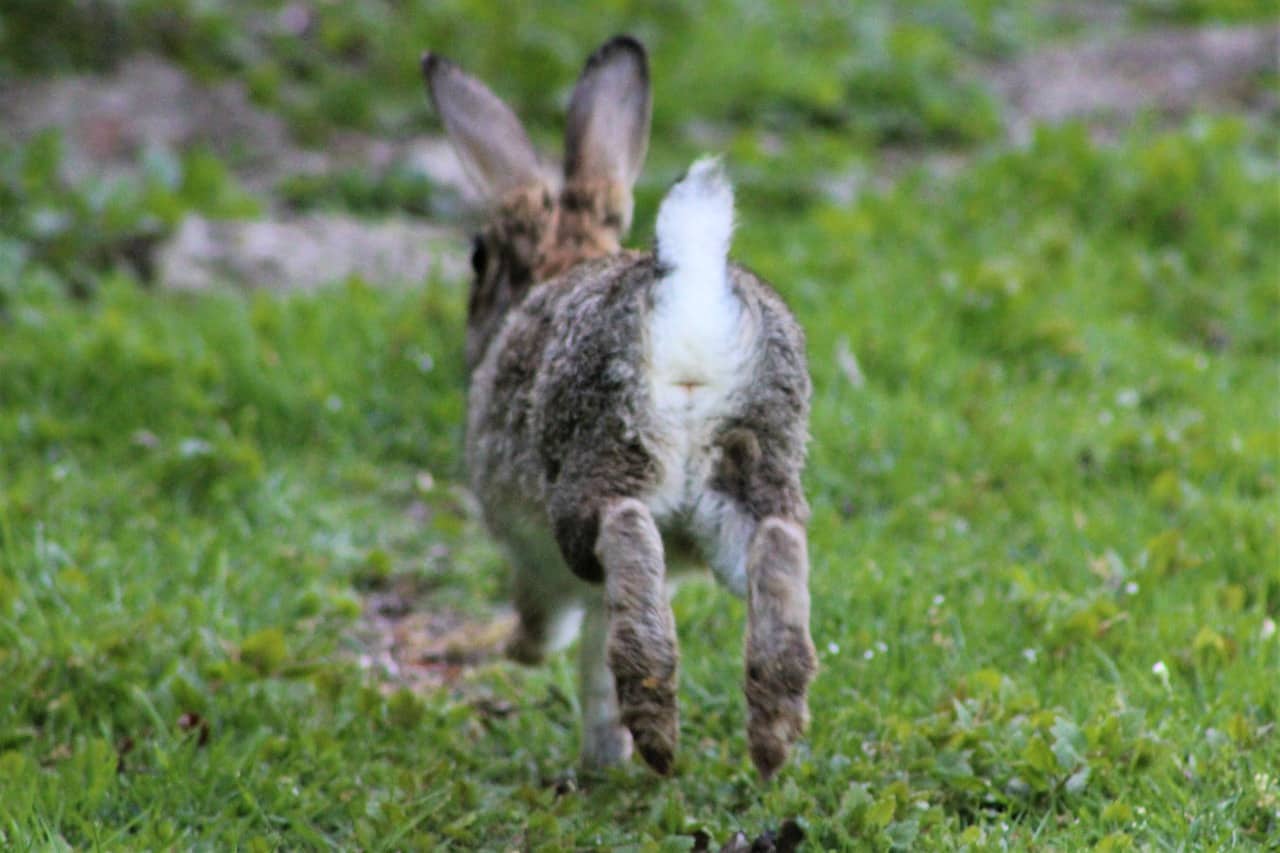
Are rabbits considered red meat? The answer depends on who you ask. Under culinary definitions, rabbit is classified as white meat because it comes from a small, young animal and cooks to a light color. Under nutritional science, rabbit is classified as red meat because it contains more myoglobin than chicken or fish. Both classifications are technically correct, and understanding why helps you make better decisions about your diet and how you prepare rabbit.
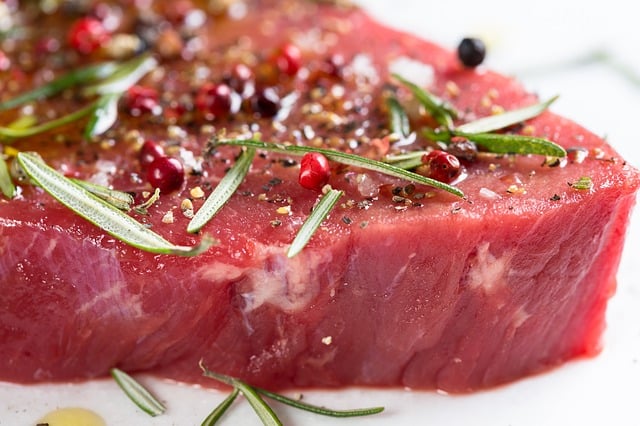
What Makes Meat “Red” or “White”?
The red or white classification of meat is not as straightforward as most people think. Two major systems exist for categorizing meat, and they use completely different criteria. This is exactly why rabbit falls into different categories depending on the framework you use.
The Culinary Definition
In the culinary world, red meat refers to meat that is dark red when raw and comes from adult mammals. Think beef, venison, horse, boar, and mutton. These meats have a stronger, gamier flavor profile and a deeper color both before and after cooking.
White meat, by contrast, refers to meat that is pale before cooking and lighter in flavor. This category includes poultry like chicken, turkey, and duck, as well as rabbit, veal, and lamb. The logic is simple: if it is pale when raw and mild in taste, chefs call it white meat.
Under this system, rabbit is firmly white meat. Raw rabbit looks similar to chicken, it cooks to a light color, and its flavor is mild and slightly sweet, closer to chicken than to beef.
The Nutritional Science Definition
Nutritional scientists use a completely different metric: myoglobin content. Myoglobin is the iron-containing protein in muscle tissue that stores oxygen. The more myoglobin a meat contains, the darker it appears and the more iron it delivers per serving.
Under this system, white meat includes only chicken and fish, which contain the lowest myoglobin concentrations (around 0.005% or less). Everything else, including rabbit, pork, veal, lamb, beef, and game meats, is classified as red meat because it contains more myoglobin than the chicken and fish baseline.
Rabbit meat contains approximately 0.02% myoglobin concentration, which is roughly four times higher than chicken. That is enough to push rabbit firmly into the red meat category under nutritional science guidelines.
Why Does Rabbit Classification Matter?
This is not just an academic debate. How rabbit meat is classified affects dietary guidelines, health recommendations, and even how you cook it. If you are following a doctor’s advice to reduce red meat intake, whether rabbit counts depends on which definition your doctor is using.
Most health organizations, including the World Health Organization and the American Institute for Cancer Research, use the nutritional science definition. When they warn about the health risks of excessive red meat consumption, they are talking about myoglobin-rich meats. Under their framework, rabbit would technically be included.
However, the health concerns associated with red meat, such as increased colorectal cancer risk and cardiovascular disease, are primarily linked to processed meats and high-fat red meats like beef and pork. Rabbit meat is extremely lean, with significantly lower fat and cholesterol than most other meats. So while it may be technically “red” by the nutritional definition, it does not carry the same health risk profile as a fatty steak.
Rabbit Meat Nutritional Profile Compared to Other Meats
To really understand where rabbit sits in the meat spectrum, it helps to compare it directly against other common proteins. The numbers below are per 100 grams of cooked meat.
| Meat Type | Calories | Protein (g) | Fat (g) | Cholesterol (mg) | Myoglobin (%) | Classification |
|---|---|---|---|---|---|---|
| Rabbit | 173 | 33 | 3.5 | 82 | 0.02 | White (culinary) / Red (nutritional) |
| Chicken breast | 165 | 31 | 3.6 | 85 | 0.005 | White (both) |
| Turkey | 170 | 29 | 5.0 | 76 | 0.007 | White (both) |
| Pork loin | 196 | 27 | 8.0 | 80 | 0.06 | White (culinary) / Red (nutritional) |
| Beef | 250 | 26 | 15.0 | 90 | 0.8 | Red (both) |
| Lamb | 258 | 25 | 16.5 | 97 | 0.25 | White (culinary) / Red (nutritional) |
| Venison | 187 | 30 | 7.0 | 112 | 0.7 | Red (both) |
The numbers tell a clear story. Rabbit leads the pack in protein per serving while delivering the lowest fat content. It also has fewer calories than most alternatives. This is why rabbit has been gaining popularity among health-conscious consumers and athletes looking for lean protein sources.
For a deeper look at what rabbit meat is called across different cultures and culinary traditions, we have a full breakdown on our blog.
How Does Myoglobin Affect Meat Color and Flavor?
Myoglobin is the key protein that determines meat color. When myoglobin is exposed to oxygen, it turns bright red (oxymyoglobin). When it loses oxygen, it turns darker, eventually becoming brown (metmyoglobin). This is why fresh beef starts out bright red at the butcher and gradually darkens in your fridge.
Rabbit meat starts out pinkish-white, similar to chicken thighs. After cooking, it turns an off-white to very light brown. This pale appearance is what led chefs centuries ago to classify it alongside poultry as white meat, long before anyone understood myoglobin.
The myoglobin content also influences flavor. Higher myoglobin meats tend to taste more “meaty” and iron-rich. Rabbit has a subtle, delicate flavor that most people compare to chicken with a slightly gamier undertone. This mild profile makes it incredibly versatile in the kitchen, working well in stews, roasts, grills, and even as a substitute in recipes that call for chicken.
The Role of Animal Age and Activity Level
Myoglobin concentration is not fixed for a species. It increases with the animal’s age and activity level. Older animals and those with more active lifestyles develop more myoglobin in their muscles because they need more oxygen storage capacity.
This is why veal (young cow) is lighter than beef (adult cow), and why wild rabbit tends to be slightly darker and more flavorful than farm-raised rabbit. A wild cottontail that runs from predators every day will develop more myoglobin than a domestic rabbit raised in a hutch.
For breeders raising meat rabbits, this means processing age matters. Rabbits processed at 8 to 12 weeks will have lighter, milder meat than those processed at 6 months or older.
Is Rabbit Meat Healthy?
Regardless of whether you call it red or white, rabbit meat is one of the healthiest animal proteins available. Here is what makes it stand out.
High Protein, Low Fat
Rabbit delivers roughly 33 grams of protein per 100-gram serving, which beats chicken, beef, pork, and lamb. At the same time, it contains only about 3.5 grams of fat, making it one of the leanest meats you can buy or raise.
This combination makes rabbit ideal for anyone on a high-protein, low-fat diet. Bodybuilders, athletes, and people recovering from surgery all benefit from this protein-to-fat ratio.
Rich in Essential Nutrients
Rabbit meat is an excellent source of vitamin B12, niacin, selenium, and phosphorus. It also provides significant amounts of iron, though less than beef. The iron in rabbit is heme iron, which your body absorbs more efficiently than the non-heme iron found in plant foods.
Low in Sodium and Cholesterol
Compared to most red meats, rabbit has lower sodium content and comparable cholesterol levels to chicken. For people managing blood pressure or heart health, rabbit is a smart protein choice.
The Protein Poisoning Warning
There is one important caveat. Rabbit meat is so lean that eating it exclusively, without any other fat source, can lead to a condition historically called “rabbit starvation” or protein poisoning. This happens because your body needs dietary fat to properly metabolize protein and absorb fat-soluble vitamins.
This condition is extremely rare in modern diets. It only occurs when someone eats nothing but lean rabbit for weeks on end with no other food source. As long as you eat rabbit as part of a balanced diet that includes fats, vegetables, and grains, this is not a concern. Learn more about the dangers of eating rabbit meat and how to avoid them.
How Is Rabbit Meat Classified Around the World?
Cultural and religious traditions add another layer to the rabbit classification question. Different societies have their own frameworks for categorizing animal products.
European Tradition
In France, Italy, Spain, and other European countries where rabbit consumption is common, rabbit is universally treated as white meat in the kitchen. French cuisine classifies it alongside poultry, and you will often find rabbit dishes in the “volaille” (poultry) section of restaurant menus. European dietary guidelines generally group rabbit with other lean white meats.
United States
The USDA does not officially classify rabbit as either red or white meat because it does not fall under federal meat inspection in the same way as beef, pork, or poultry. Rabbit is regulated under the category of “exotic meat.” In practice, American chefs and butchers typically treat it as white meat.
Religious Classifications
Religious dietary laws have their own systems entirely. In Islamic tradition, the permissibility of rabbit is debated among scholars, though the majority consider it halal. You can read more about whether rabbits are halal and the reasoning behind different scholarly opinions.
In Jewish dietary law, rabbit is not kosher because it does not have split hooves, even though it does chew cud. This classification has nothing to do with the red versus white meat question but adds to the complexity of how different systems categorize rabbit.
Complete Lists of Red and White Meats
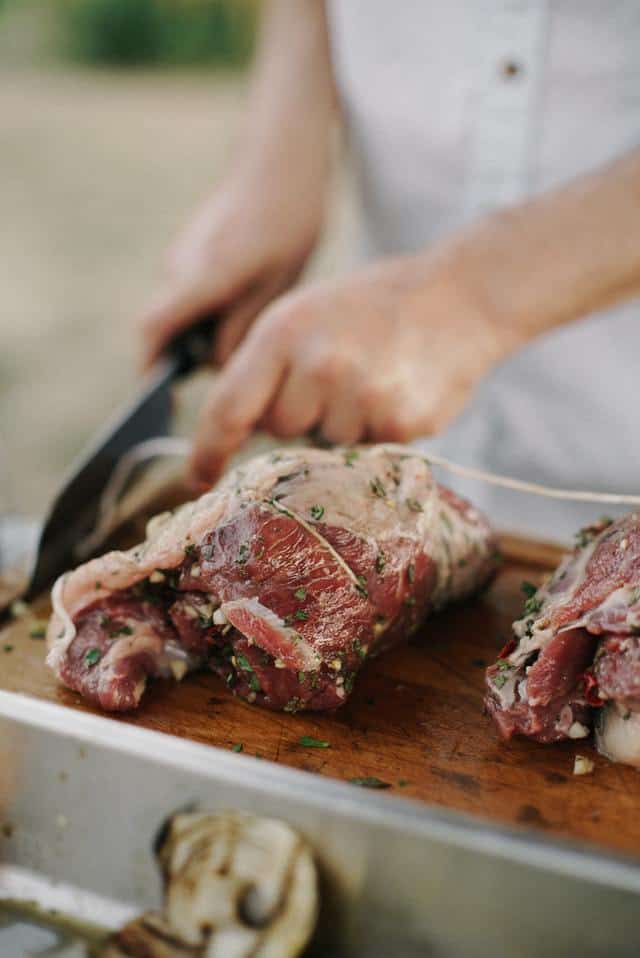
White Meats (Culinary Definition)
- Rabbit
- Chicken
- Turkey
- Duck
- Goose
- Veal
- Lamb
- Most fish
Red Meats (Culinary Definition)
- Beef
- Horse meat
- Mutton
- Venison
- Boar
- Hare
- Bison
White Meats (Nutritional Science Definition)
- Chicken
- Turkey
- Most fish
Red Meats (Nutritional Science Definition)
- Beef
- Pork
- Lamb
- Veal
- Rabbit
- Horse meat
- Mutton
- Venison
- Boar
- Hare
- Bison
Notice how several meats switch categories between the two systems. Pork, lamb, veal, and rabbit all move from white to red depending on which framework you apply. This dual classification is a common source of confusion for consumers and even some health professionals.
How to Cook Rabbit Meat Based on Its Classification
Whether you treat rabbit as red or white meat actually influences how you should cook it. Because rabbit is extremely lean (more similar to chicken breast in fat content), it responds best to cooking methods used for white meat.
Best Cooking Methods for Rabbit
- Braising: Low and slow cooking in liquid keeps rabbit moist. This is the most forgiving method for beginners.
- Roasting: Works well if you baste frequently or wrap the rabbit in bacon or prosciutto to add fat.
- Stewing: Cut rabbit into pieces and cook in a flavorful broth with vegetables. Classic French and Italian preparation.
- Grilling: Quick and high heat works for smaller cuts, but you must marinate first to prevent drying out.
- Frying: Breaded and fried rabbit is popular in the American South. The coating locks in moisture.
Common Cooking Mistakes
The biggest mistake people make with rabbit is treating it like beef. Because rabbit has so little fat, overcooking it by even a few minutes can make it dry and tough. Target an internal temperature of 160°F (71°C) and let it rest for 5 to 10 minutes before serving.
Another common error is not adding supplemental fat. Unlike a well-marbled steak that bastes itself, rabbit needs help. Butter, olive oil, bacon fat, or a good marinade all work well. For a complete guide on preparing and enjoying rabbit, check out our article on whether you can eat a pet rabbit, which covers butchering, preparation, and food safety.
Environmental Benefits of Rabbit Meat
One reason rabbit meat is growing in popularity is its environmental footprint. Compared to beef and pork, rabbit production requires significantly less land, water, and feed per pound of meat produced.
Rabbits convert feed to meat more efficiently than cattle. A doe can produce up to 320 pounds of meat per year through her offspring, all while consuming a fraction of the feed a single beef cow requires. Rabbits also reach processing weight in just 8 to 12 weeks, compared to 18 to 24 months for cattle.
For small-scale homesteaders and breeders, rabbits offer a practical way to produce healthy, sustainable meat with minimal space and investment. Their manure is also excellent garden fertilizer, creating a closed-loop system that benefits the whole property.
Frequently Asked Questions
Is rabbit healthier than chicken?
Rabbit and chicken are nutritionally similar, but rabbit edges ahead with slightly more protein per serving (33g vs. 31g per 100g) and comparable fat content. Rabbit also contains more B12 and selenium. Both are excellent lean protein choices, though chicken is more widely available and typically less expensive.
Does the USDA classify rabbit as red or white meat?
The USDA does not officially classify rabbit as either red or white meat. Rabbit falls under the “exotic meat” category and is not subject to the same federal inspection requirements as beef, pork, or poultry. In practice, it is treated as white meat by most American butchers and chefs.
Can you eat rabbit every day?
You can eat rabbit regularly as part of a balanced diet, but eating only rabbit with no other fat sources can lead to protein poisoning over time. As long as your meals include other fats, vegetables, and carbohydrates, daily rabbit consumption is safe and nutritious for most people.
Why is rabbit meat not more popular?
Cultural factors play the biggest role. In many English-speaking countries, rabbits are primarily seen as pets rather than livestock. The lack of large-scale commercial production also means rabbit is harder to find and more expensive than chicken or beef in most grocery stores.
Is rabbit meat considered game meat?
Wild rabbit is classified as game meat, while farm-raised domestic rabbit is not. Game meat refers specifically to animals hunted in the wild. The taste and texture of wild rabbit differs from domestic rabbit, with wild rabbit being darker, leaner, and more strongly flavored due to higher myoglobin from increased physical activity.
Cite this article:
Cite this article:
BunnySync (March 9, 2026) Are Rabbits Considered Red Meat? The Complete Classification Guide. Retrieved from https://bunnysync.com/blog/are-rabbits-considered-red-meat.
“Are Rabbits Considered Red Meat? The Complete Classification Guide.” BunnySync - March 9, 2026, https://bunnysync.com/blog/are-rabbits-considered-red-meat