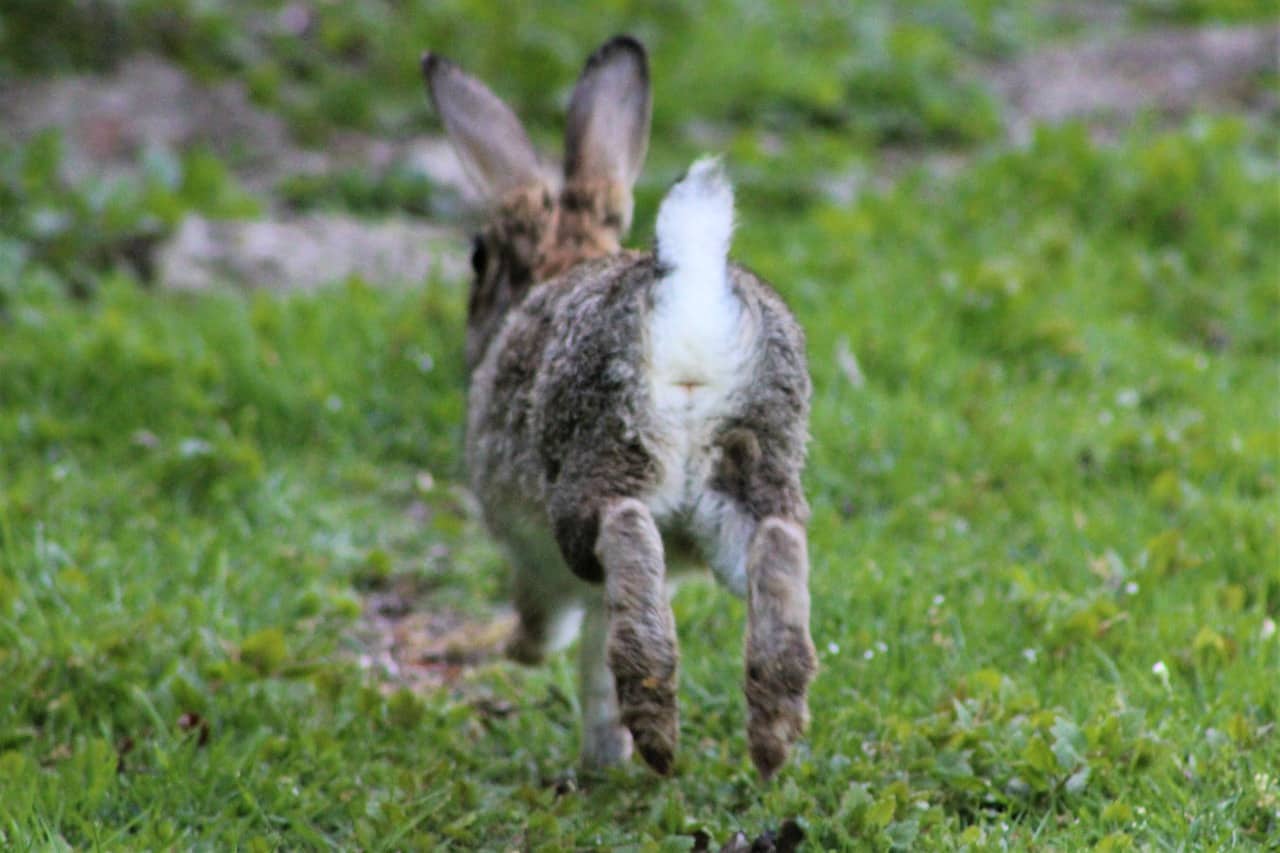
Rabbit meat is simply called "rabbit" or "rabbit meat" in English. Unlike cows (beef), pigs (pork), and sheep (mutton), rabbit never received a separate culinary name in the English language. The reason comes down to history and popularity. Rabbit was never a staple of the wealthy Norman French tables that gave us those familiar meat terms after 1066, and it remains relatively uncommon in Western diets today. However, other languages and culinary traditions do have their own names for rabbit meat, and professional butchers recognize specific cuts with distinct labels.
Below, we cover the full history behind the naming, international culinary terms, butcher cuts, restaurant terminology, and nutritional details that every rabbit owner or meat enthusiast should know.
Why Doesn't Rabbit Meat Have a Special Name Like Beef or Pork?
The reason beef, pork, mutton, and venison exist as separate words from cow, pig, sheep, and deer traces back to the Norman Conquest of England in 1066. When William the Conqueror took the English throne, French-speaking Normans became the ruling class. The Anglo-Saxon peasants continued raising and tending the animals, using their Old English names: cow, pig, sheep, and deer. But when those animals were slaughtered, cooked, and served at the tables of the wealthy French-speaking nobility, the French words took over.
That is how we ended up with this dual naming system:
| Animal (Old English) | Meat (Norman French) | French Origin |
|---|---|---|
| Cow | Beef | Boeuf |
| Pig | Pork | Porc |
| Sheep | Mutton | Mouton |
| Deer | Venison | Venesoun |
| Calf | Veal | Veau |
| Rabbit | Rabbit (no change) | N/A |
Rabbit missed this linguistic shift for a simple reason: it was not a major meat source for the Norman elite. Cattle, pigs, sheep, and deer were the primary animals consumed at noble feasts. Rabbits were kept in warrens for fur and occasional eating, but they were never central enough to the aristocratic diet to earn a French-derived culinary name. Chicken is another example of an animal that kept the same name for both the living creature and the meat, for similar reasons.
The word "rabbit" itself has interesting roots. It derives from the Middle English "rabet," meaning "young of the coney," borrowed from the Walloon "robète." Before the word rabbit became common, the English word for these animals was "coney" (sometimes spelled "cony"), which comes from the Latin "cuniculus." By the 18th century, "rabbit" had largely replaced "coney" in everyday English.
What Is Rabbit Meat Called in Different Countries?
While English speakers simply say "rabbit meat," many other languages have specific and widely used terms. If you travel internationally or dine at foreign restaurants, you will encounter these names on menus regularly.
European Names
| Language | Word for Rabbit Meat | Pronunciation |
|---|---|---|
| French | Lapin | lah-PAN |
| Spanish | Conejo | koh-NEH-ho |
| Italian | Coniglio | koh-NEE-lyo |
| German | Kaninchen | kah-NEEN-shen |
| Portuguese | Coelho | koh-EL-yoo |
| Dutch | Konijn | koh-NINE |
| Swedish/Danish | Kanin | kah-NEEN |
Notice that many of these words share a common Latin root: "cuniculus." This Latin term, which originally referred to an underground passage or burrow, eventually became the word for the animal itself. From cuniculus came the Spanish conejo, Italian coniglio, Portuguese coelho, and the now-archaic English "coney."
Other Global Names
- Arabic: Arnab (أرنب), used throughout the Middle East and North Africa
- Japanese: Usagi niku (うさぎ肉), literally "rabbit meat"
- Chinese: Tù ròu (兔肉), literally "rabbit meat," popular in Sichuan cuisine
- Hindi: Khargosh ka gosht (खरगोश का गोश्त)
In French cuisine, which is arguably the most influential culinary tradition for rabbit dishes, "lapin" appears on menus frequently. Classic dishes like "lapin à la moutarde" (rabbit with mustard sauce) and "lapin chasseur" (hunter-style rabbit) are staples of French country cooking. If you are curious about the religious considerations of eating rabbit, you can read our guide on whether rabbit meat is halal.
What Are the Different Cuts of Rabbit Meat?
Professional butchers and chefs break down a whole rabbit into several recognized cuts, each with its own name and best cooking method. Understanding these cuts is essential if you plan to buy rabbit from a butcher or prepare it at home.
The Saddle (Loin)
The saddle is the most prized cut of a rabbit. It runs along the spine between the rib cage and the hind legs, comparable to a pork loin or beef tenderloin. The saddle is extremely tender with a delicate flavor. It can be roasted whole, sliced into medallions, or cut into individual loin chops. In French butchery, this cut is called the "râble."
Hind Legs
The hind legs are the meatiest part of the rabbit. They contain the largest muscles and are ideal for slow-cooking methods like braising, stewing, and roasting. The thigh meat from the hind legs can also be deboned and used for ground rabbit or sausage. These legs hold up well in dishes that require longer cooking times.
Front Legs (Shoulders)
The front legs are smaller and contain less meat than the hind legs. They work best in stews, soups, and slow-cooked preparations where the meat can fall off the bone. Some chefs confit the front legs, cooking them slowly in fat for a rich, tender result.
Belly Flaps
On either side of the loin, thin flaps of belly meat extend outward. These are much thinner than the saddle and cook quickly. Belly flaps are excellent for stir-fries, wrapping around stuffings, or grinding into sausage blends.
Rib Cage and Bones
The rib cage does not carry much usable meat, but it is packed with flavor. Most cooks reserve the rib cage, along with any trimmed bones, for making rich rabbit stock or bone broth. This stock serves as a flavorful base for soups, sauces, and risottos.
If you want to learn more about the flavor profile, check out our detailed guide on what rabbit meat tastes like.
What Is Rabbit Meat Called on Restaurant Menus?
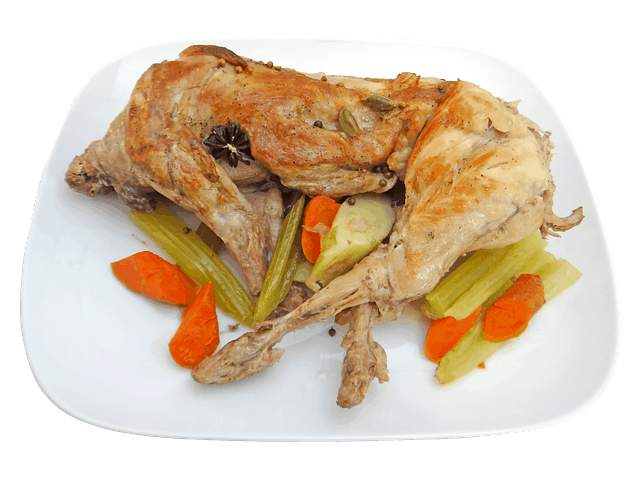
Most English-speaking restaurants list rabbit dishes using the word "rabbit" directly. You will see menu items like "braised rabbit," "roasted rabbit loin," "rabbit ragu," or "pan-seared rabbit." Unlike beef or pork, there is no alternative culinary term that restaurants need to use.
However, upscale and internationally influenced restaurants may use foreign terms to add sophistication:
- Lapin: Used in French restaurants and fine dining establishments. Example: "Lapin à la Moutarde" (rabbit in mustard sauce)
- Conejo: Found on Spanish and Latin American menus. Example: "Conejo al Ajillo" (garlic rabbit)
- Coniglio: Used in Italian restaurants. Example: "Coniglio alla Cacciatora" (hunter-style rabbit)
- Hasenpfeffer: A traditional German marinated rabbit stew, often listed by its German name on menus worldwide
Some American restaurants, particularly farm-to-table establishments, may use the term "heritage rabbit" or specify the breed, such as "New Zealand White rabbit" or "Californian rabbit," to signal quality and sourcing.
What Are the Age-Based Categories for Rabbit Meat?
In the rabbit meat industry, there are recognized age and weight categories that affect the name, texture, and recommended cooking method. The USDA grading standards for rabbit define these categories clearly.
| Category | Age | Weight | Best Cooking Method |
|---|---|---|---|
| Fryer | Under 12 weeks | 1.5 to 3.5 lbs | Frying, grilling, sautéing |
| Roaster | 3 to 5 months | 4 to 8 lbs | Roasting, braising |
| Stewer | Over 6 months | Over 8 lbs | Stewing, slow-cooking |
A fryer is the most commonly sold category. These young rabbits have tender, mild-flavored meat that cooks quickly. A roaster is slightly older with firmer flesh that holds up well to roasting and braising. A stewer is a mature rabbit whose tougher meat benefits from long, slow cooking methods that break down the connective tissue.
When you see "rabbit fryer" at a butcher shop or farmers market, it refers specifically to a young rabbit, not a cooking method. This is similar to how "broiler" describes a young chicken rather than an oven setting.
Is Rabbit Meat Healthy Compared to Other Meats?
Rabbit meat is one of the healthiest animal proteins available. It consistently outperforms chicken, beef, and pork in key nutritional categories. Here is how rabbit meat compares per 100 grams of cooked meat.
| Nutrient (per 100g) | Rabbit | Chicken Breast | Beef (Lean) | Pork Loin |
|---|---|---|---|---|
| Protein | 29-33g | 23-27g | 26g | 25g |
| Total Fat | 3-9g | 3-7g | 15-20g | 8-12g |
| Cholesterol | 57-82mg | 85mg | 90-115mg | 80-90mg |
| Calories | 173-197 | 165 | 250-280 | 200-230 |
| Iron | 4.8mg | 1.0mg | 2.6mg | 1.0mg |
The standout benefits of rabbit meat include its exceptionally high protein content (about 33% more than chicken), very low fat levels, lower cholesterol than beef, and significantly higher iron content than either chicken or pork. Rabbit meat also contains high levels of B vitamins, particularly B12 and niacin, along with phosphorus and selenium.
However, the same quality that makes rabbit meat so lean also creates a potential concern. Eating rabbit meat exclusively, without other fat sources, can lead to a condition historically known as "rabbit starvation" or protein poisoning. This occurs because the human body cannot survive on protein alone and needs dietary fat to absorb fat-soluble vitamins. As long as rabbit is part of a balanced diet, this is not a concern. For a deeper look at the risks, read our article on the dangers of eating rabbit meat.
If you are wondering about whether rabbit is considered red or white meat, it is officially classified as white meat by the USDA, similar to chicken and turkey.
Why Is Rabbit Meat Uncommon in Western Countries?
Despite its nutritional advantages, rabbit meat remains rare on Western tables for several overlapping reasons:
- Pet perception: In the United States, United Kingdom, and many other Western nations, rabbits are primarily seen as pets. The emotional attachment people form with pet rabbits makes the idea of eating them uncomfortable for many consumers.
- Low commercial production: Rabbit farming never scaled up the way cattle, pig, and poultry operations did. Without large-scale production, rabbit meat stays expensive and hard to find in regular grocery stores.
- Cultural unfamiliarity: Most Western consumers did not grow up eating rabbit, so there is a reluctance to try it. This creates a cycle where low demand keeps supply low, which keeps prices high, which keeps demand low.
- Small yield: A single rabbit produces far less meat than a cow or pig, making it less commercially efficient for large-scale farming operations.
- Limited marketing: Unlike the beef, pork, and chicken industries, rabbit meat has no major marketing campaigns or industry lobbying groups promoting consumption.
Interestingly, rabbit is much more common in parts of Europe, China, and Africa. France, Italy, Spain, and China are among the largest consumers of rabbit meat globally. In these cultures, rabbit has been a normal part of the diet for centuries. If you are curious about whether it is ethical to consume your own rabbits, we have an article covering whether you can eat a pet rabbit.
Popular Rabbit Meat Dishes Around the World
Rabbit meat features in traditional dishes across many cultures. Here are some of the most well-known preparations, each using a different name or culinary tradition.
France: Lapin à la Moutarde
This classic French country dish features rabbit pieces braised in a creamy Dijon mustard sauce with white wine and fresh herbs. It is one of the most iconic rabbit dishes in the world and a staple of French home cooking.
Germany: Hasenpfeffer
A hearty marinated rabbit stew where the meat is soaked in wine vinegar and spices before being slowly braised. The name translates roughly to "hare pepper" and the dish has been a traditional German comfort food for centuries.
Spain: Conejo al Ajillo
A simple and flavorful preparation where rabbit pieces are sautéed with generous amounts of garlic, olive oil, white wine, and rosemary. This is a beloved tapa in many Spanish regions.
Italy: Coniglio alla Cacciatora
"Hunter-style rabbit" is braised with tomatoes, olives, capers, and herbs. Each region of Italy has its own variation, with Ligurian and Sicilian versions being particularly well known.
Malta: Stuffat tal-Fenek
Considered the national dish of Malta, this rabbit stew is slow-cooked with tomatoes, peas, potatoes, and red wine. Rabbit is deeply embedded in Maltese food culture and is served at most traditional restaurants on the island.
China: Sichuan Spicy Rabbit
China is the world's largest producer and consumer of rabbit meat. In Sichuan province, rabbit is prepared with chili oil, Sichuan peppercorns, and garlic for an intensely flavorful and spicy dish. Cold rabbit head is also a popular street food snack in Chengdu.
Frequently Asked Questions
Is there a single word for rabbit meat like beef or pork?
No. In English, rabbit meat has no special culinary term. It is simply called "rabbit" or "rabbit meat." This is because rabbit was not a significant part of the Norman French aristocratic diet after 1066, when most of our animal-versus-meat naming conventions were established.
What is the French word for rabbit meat?
The French word is "lapin" (pronounced lah-PAN). You will commonly see it on French restaurant menus and in classic recipes like lapin à la moutarde. In French, the word refers to both the animal and the meat, similar to how "chicken" works in English.
What does "hasenpfeffer" mean?
Hasenpfeffer is a traditional German dish, not a general term for rabbit meat. The name translates to "hare pepper" and refers to a specific preparation where rabbit or hare is marinated in vinegar and wine, then braised into a rich stew seasoned with pepper and spices.
What is the difference between a fryer and a roaster rabbit?
A fryer is a young rabbit under 12 weeks old, weighing 1.5 to 3.5 pounds, with tender meat suited to quick cooking. A roaster is 3 to 5 months old, weighing 4 to 8 pounds, with firmer meat that works best when roasted or braised at lower temperatures for longer periods.
Is rabbit meat safe to eat?
Yes, rabbit meat is safe and highly nutritious when properly handled and cooked to an internal temperature of 160°F (71°C). It is high in protein, low in fat, and lower in cholesterol than most common meats. The only concern is eating it exclusively without other fat sources, which can lead to protein poisoning over time.
Cite this article:
BunnySync (February 27, 2026) What Is Rabbit Meat Called? Names, Cuts, and Culinary Terms Explained. Retrieved from https://bunnysync.com/blog/what-is-rabbit-meat-called.
"What Is Rabbit Meat Called? Names, Cuts, and Culinary Terms Explained." BunnySync - February 27, 2026, https://bunnysync.com/blog/what-is-rabbit-meat-called