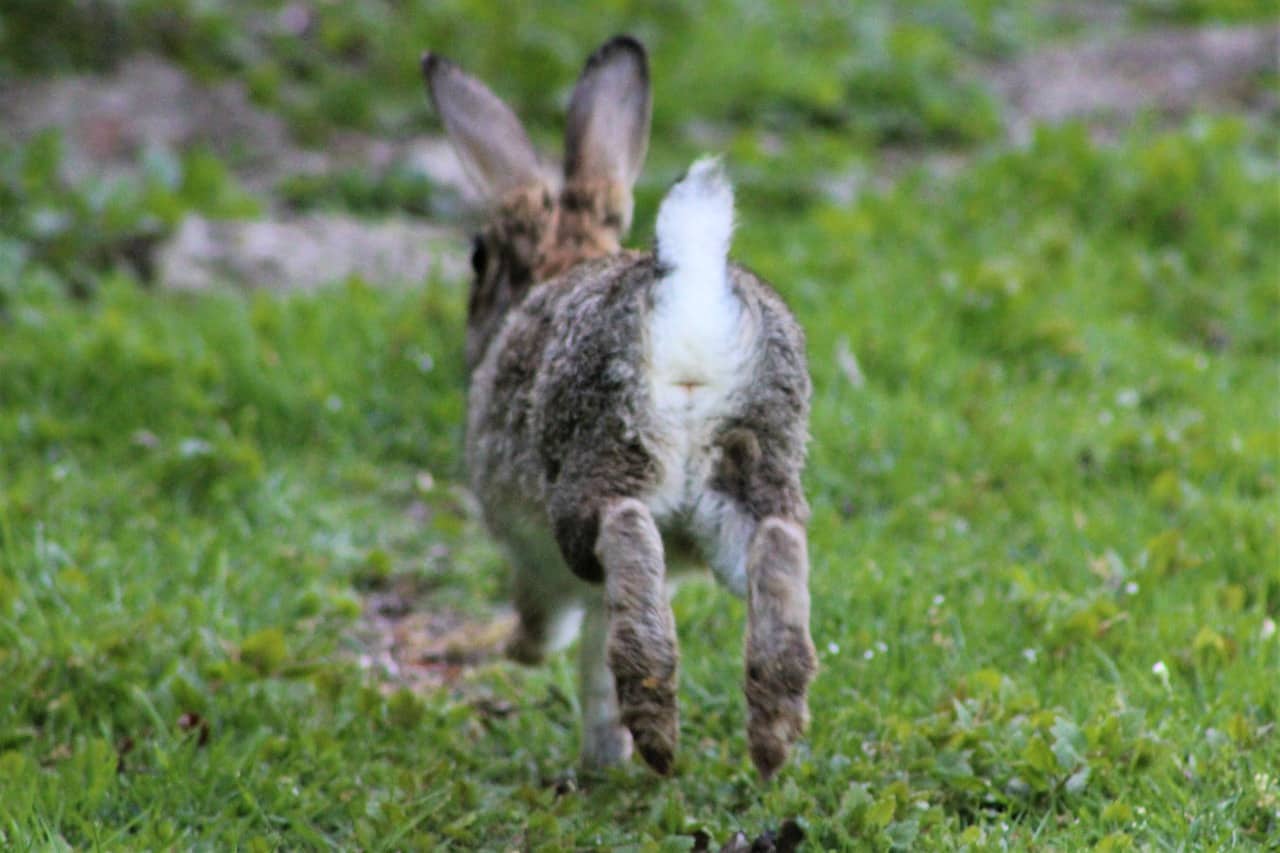
Yes, you can technically eat a pet rabbit. It is legal to consume rabbit meat in the United States and most countries worldwide. The Dog and Cat Meat Trade Prohibition Act of 2018 only bans slaughtering dogs and cats for human consumption, leaving rabbits unprotected by similar federal laws. However, eating a pet rabbit raises serious ethical questions. Pet rabbits are raised as companion animals, not livestock. They are typically smaller breeds that yield far less meat than rabbits specifically bred for the table. If you want to try rabbit meat, buying from a rabbitry or specialty meat shop is a much better option than risking the dangers of eating rabbit meat from an animal not raised for that purpose.
Is It Legal to Eat a Pet Rabbit in the United States?

There is no federal law in the United States that prohibits eating rabbit meat, including meat from a pet rabbit. The only animals specifically protected from slaughter for human consumption are dogs and cats under the Dog and Cat Meat Trade Prohibition Act of 2018.
Rabbit meat falls under the jurisdiction of the USDA Food Safety and Inspection Service, which provides guidelines for safe handling and preparation. Commercial rabbit meat sold in stores must meet USDA inspection standards, but there is no law preventing someone from slaughtering and consuming their own rabbit at home.
That said, some state and local animal cruelty laws could come into play depending on how the animal is slaughtered. Most states require that animals be killed humanely. If you were to slaughter a pet rabbit in a way that caused unnecessary suffering, you could potentially face animal cruelty charges under state law.
State-Level Regulations to Be Aware Of
While no state outright bans eating rabbit meat, regulations vary when it comes to selling rabbit meat commercially. Some states require USDA inspection for any rabbit meat sold to the public. Others allow small-scale "farm gate" sales without inspection. If you are thinking about raising meat rabbits for sale, always check your local and state regulations before starting.
In general, eating your own pet rabbit at home is not something law enforcement would pursue as a legal matter. The question is not one of legality but of ethics, which we will cover in the sections below.
What About Rabbit Meat Laws in Other Countries?
Nearly every country in the world allows the consumption of rabbit meat. The one notable exception is Kerala, a state in India, which has banned the slaughtering of rabbits for consumption. Outside of Kerala, rabbit meat is legal and widely consumed in many regions.
In fact, rabbit meat is a dietary staple in parts of Europe, particularly in France, Italy, and Spain. France alone consumes an estimated 60,000 to 70,000 tons of rabbit meat per year. In China, rabbit meat consumption has been growing steadily, with the country now being one of the largest producers globally.
Some countries in the European Union have stricter animal welfare regulations around how rabbits must be raised and slaughtered for commercial purposes. These rules focus on cage sizes, slaughter methods, and transportation conditions. They do not, however, prevent individuals from consuming their own pet rabbits at home.
The global rabbit meat market has been expanding. As of 2026, rabbit meat continues to gain popularity as a sustainable, high-protein, low-fat alternative to traditional meats like chicken, pork, and beef. Its environmental footprint is considerably smaller because rabbits require less space, water, and feed than larger livestock animals.
Why You Should Not Eat Your Pet Rabbit

The primary reason not to eat your pet rabbit is that it is ethically wrong. A pet rabbit is a companion animal that has been raised to trust you, depend on you, and bond with you. Slaughtering an animal that sees you as its caretaker is a betrayal of that trust.
Unlike livestock rabbits that are raised in controlled environments specifically for meat production, pet rabbits often live indoors, receive veterinary care, and develop individual personalities. Many pet rabbits recognize their owners, respond to their names, and actively seek out human interaction. Treating such an animal as food raises the same moral questions as eating a pet dog or cat.
Pet Rabbits May Have Medications in Their System
Another practical reason to avoid eating a pet rabbit is that many pet rabbits receive medications throughout their lives. Antibiotics, anti-parasitic treatments, and other drugs can leave residues in the animal's tissues. Meat rabbits raised for consumption follow strict withdrawal periods between their last medication dose and slaughter. Pet owners rarely follow these protocols because they never intended for the animal to be consumed.
The Emotional Impact on Your Household
If your pet rabbit is a family pet, particularly one that children have bonded with, eating it can cause lasting emotional harm. Children who learn that a beloved pet was killed for food may develop trust issues and anxiety. Even in adult-only households, the decision to eat a companion animal can create tension and moral distress.
If financial hardship is the motivation, there are better options. Local rabbit rescues often accept surrendered rabbits, and food banks or community resources can help bridge the gap during difficult times.
What Is the Difference Between Pet Rabbits and Meat Rabbits?
Pet rabbits and meat rabbits are fundamentally different animals bred for entirely different purposes. Understanding these differences makes it clear why eating a pet rabbit is not practical even from a purely utilitarian standpoint.
| Characteristic | Pet Rabbits | Meat Rabbits |
|---|---|---|
| Common breeds | Holland Lop, Mini Rex, Netherland Dwarf, Lionhead | New Zealand White, Californian, Silver Fox, Flemish Giant |
| Adult weight | 2 to 6 pounds (0.9 to 2.7 kg) | 9 to 14 pounds (4 to 6.3 kg) |
| Dressed meat yield | 1 to 3 pounds (0.45 to 1.3 kg) | 5 to 7 pounds (2.2 to 3.1 kg) |
| Growth rate | Slow, not bred for fast growth | Fast, reaches market weight in 8 to 12 weeks |
| Diet | Hay, pellets, vegetables, treats | High-protein pellets for rapid muscle development |
| Purpose | Companionship, showing | Meat production, fur |
As the table shows, a typical pet rabbit like a Holland Lop weighing 4 pounds would yield roughly 2 pounds of usable meat at most. A New Zealand White, the most popular meat breed in the United States, can yield 5 to 7 pounds of meat from a single animal. The effort and emotional cost of slaughtering a pet rabbit simply does not match the tiny amount of meat you would get.
Meat rabbits are also raised on diets formulated to maximize muscle development. Pet rabbits eat a more varied diet that includes hay, fresh vegetables, and occasional treats. This difference in diet affects the flavor and texture of the meat. Learn more about what rabbit meat tastes like if you are curious about the culinary side.
What Are the Health Risks of Eating Rabbit Meat?
Eating rabbit meat carries specific health risks that every potential consumer should understand. These risks apply to all rabbit meat, whether it comes from a pet or a meat rabbit, though pet rabbits may carry additional risks due to medication residues.
Tularemia (Rabbit Fever)
Tularemia is a bacterial infection caused by Francisella tularensis. According to the Centers for Disease Control and Prevention (CDC), tularemia can be transmitted to humans through direct contact with infected animals, including during the skinning and butchering process. Symptoms include high fever, skin ulcers, swollen lymph nodes, and in severe cases, pneumonia.
Wild rabbits are more likely to carry tularemia than domesticated ones. However, pet rabbits that spend time outdoors or have contact with wild animals and insects like ticks or deerflies can become infected. Always wear gloves when handling any raw rabbit meat and cook it thoroughly to kill the bacteria.
Parasites
Rabbit meat can harbor several parasites, including warbles (bot fly larvae), liver flukes, and intestinal worms such as tapeworms and pinworms. Most of these parasites are killed when the meat is cooked to an internal temperature of 160 degrees Fahrenheit (71 degrees Celsius). However, improper cooking or handling could lead to parasitic infections.
Pet rabbits that live exclusively indoors have a lower risk of parasitic infection than outdoor or wild rabbits, but the risk is never zero.
Protein Poisoning (Rabbit Starvation)
Rabbit starvation, also known as protein poisoning, is a condition that occurs when a person's diet consists almost entirely of lean meat like rabbit with very little fat. Rabbit meat is one of the leanest meats available, containing only about 3 to 5 grams of fat per 100-gram serving. The human body needs dietary fat to absorb certain vitamins and maintain proper organ function.
This is not a concern if you eat rabbit meat as part of a balanced diet. It only becomes dangerous if rabbit meat is your sole food source for extended periods, which historically occurred among explorers and trappers who had no access to other foods.
Is Rabbit Meat Nutritious?
Rabbit meat is one of the most nutritious meats available, with more protein and fewer calories than chicken, pork, or beef. Here is how it compares to other common meats per 100-gram serving:
| Meat Type | Calories | Protein (g) | Fat (g) | Cholesterol (mg) |
|---|---|---|---|---|
| Rabbit | 136 | 20.1 | 5.6 | 57 |
| Chicken breast | 165 | 31 | 3.6 | 85 |
| Pork loin | 242 | 27 | 14 | 80 |
| Beef (ground, 85% lean) | 215 | 26 | 11.5 | 78 |
| Turkey breast | 135 | 30 | 0.7 | 83 |
Rabbit meat is also rich in vitamin B12, niacin, phosphorus, and selenium. It is lower in cholesterol than most other meats, making it a heart-friendly option. For those interested in sustainable protein sources, rabbit meat has a significantly smaller environmental footprint than beef or pork because rabbits convert feed to meat more efficiently and require less land and water.
If you want to know more about different names used for rabbit meat in various culinary traditions, check out our article on what rabbit meat is called around the world.
Where Can You Buy Rabbit Meat Legally?
If you want to try rabbit meat, there are several legal and ethical ways to purchase it without slaughtering a pet.
- Local rabbitries: Many small-scale rabbit breeders raise meat rabbits and sell directly to consumers. Search for rabbitries in your area through local farming directories or online marketplaces.
- Specialty meat shops: Some butcher shops and specialty grocery stores carry fresh or frozen rabbit meat. Whole Foods, for example, occasionally stocks rabbit in certain regions.
- Online retailers: Several companies ship frozen rabbit meat nationwide. These rabbits are raised, processed, and inspected under USDA guidelines.
- Farmers' markets: In areas where local regulations permit it, rabbit breeders may sell meat at farmers' markets.
- Restaurants: Many upscale and farm-to-table restaurants feature rabbit on their menus, giving you a chance to try it without having to prepare it yourself.
Purchasing rabbit meat from a reputable source ensures the animal was raised specifically for consumption, fed an appropriate diet, and processed under sanitary conditions. This is safer and more ethical than eating a pet rabbit that was never intended for the dinner table.
What Do Different Religions Say About Eating Rabbit?
Several major religions have specific teachings about whether eating rabbit meat is permissible. If religion plays a role in your dietary decisions, here is what the major faiths say:
Judaism
Rabbit meat is not kosher. According to Jewish dietary law, an animal must both chew its cud and have split hooves to be considered kosher. Rabbits appear to chew cud (they practice cecotrophy, which is eating their own soft droppings to re-digest nutrients), but they do not have split hooves. This means rabbits are not kosher and cannot be eaten by observant Jews.
Islam
The status of rabbit meat in Islam is debated among scholars. Some Islamic scholars consider rabbit meat halal (permissible), while others have reservations based on certain hadiths. The majority opinion holds that rabbit meat is permissible as long as the animal is slaughtered according to Islamic guidelines (zabiha). For a deeper exploration of this topic, read our article on whether rabbit meat is halal.
Hinduism and Other Traditions
Many Hindus, particularly Brahmins and followers of Jain traditions, are vegetarian and do not eat any animal meat, including rabbit. Buddhism similarly encourages a compassionate approach to all living beings, though not all Buddhists are strictly vegetarian.
Christianity and most other major religions do not have specific prohibitions against eating rabbit meat.
Frequently Asked Questions
Is eating a pet rabbit illegal?
No, eating a pet rabbit is not illegal in the United States or most countries. The Dog and Cat Meat Trade Prohibition Act of 2018 only protects dogs and cats from being slaughtered for consumption. However, state animal cruelty laws may apply if the rabbit is killed inhumanely.
How much meat do you get from a pet rabbit?
A typical pet rabbit yields only 1 to 3 pounds of usable meat depending on the breed and size. Meat rabbit breeds like the New Zealand White yield 5 to 7 pounds. The small amount of meat from a pet rabbit makes it impractical compared to purchasing from a rabbitry.
Can you get sick from eating rabbit meat?
Yes, rabbit meat can carry tularemia (rabbit fever), parasites, and if consumed exclusively for long periods, may lead to protein poisoning. Cooking rabbit meat to an internal temperature of 160 degrees Fahrenheit kills most bacteria and parasites, making it safe to eat.
What is the best rabbit breed for meat?
The New Zealand White is the most popular meat rabbit breed in the United States, known for its fast growth rate and high meat yield. Other excellent meat breeds include the Californian, Silver Fox, and Flemish Giant. These breeds reach market weight in 8 to 12 weeks.
Is rabbit meat healthier than chicken?
Rabbit meat has fewer calories and less cholesterol per serving than chicken. It is also rich in protein, vitamin B12, and essential minerals. However, rabbit meat is extremely lean, so it should be part of a balanced diet that includes adequate dietary fat from other sources.
Cite this article:
Cite this article:
BunnySync (March 4, 2026) Can You Eat a Pet Rabbit? Legality, Ethics, and Safety. Retrieved from https://bunnysync.com/blog/can-you-eat-a-pet-rabbit.
"Can You Eat a Pet Rabbit? Legality, Ethics, and Safety." BunnySync - March 4, 2026, https://bunnysync.com/blog/can-you-eat-a-pet-rabbit