When a rabbit dies, whether it was your beloved pet or a wild rabbit you found in your yard, you need to handle the remains properly and promptly. Your options for what to do with a dead rabbit include home burial, private cremation, veterinary disposal, contacting your city's sanitation department, or, as a last resort, placing the remains in the trash. The right choice depends on your local laws, your budget, and your personal wishes. If your rabbit is still alive but declining, learning how to comfort a dying rabbit can help you provide peace during their final hours.
Losing a rabbit is never easy. As breeders, we have gone through this process more times than we would like to admit. This guide covers everything you need to know about handling a dead rabbit safely and respectfully, including legal considerations, disposal costs, disease risks from wild rabbits, and how to cope with the emotional side of pet loss.
What Are Your Options for a Dead Pet Rabbit?
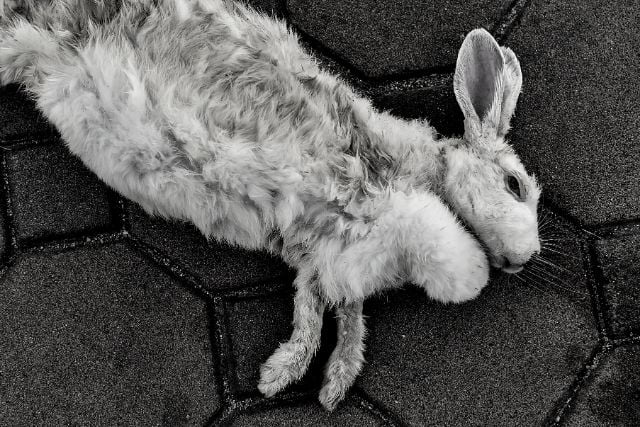
When your pet rabbit passes away at home, you have several options for handling their remains. Each comes with different costs, legal requirements, and emotional considerations. Here is a quick comparison to help you decide:
| Disposal Method | Estimated Cost | Legal in Most States? | Best For |
|---|---|---|---|
| Home burial | Free | Varies by location | Owners with private property |
| Private cremation | $50 to $150+ | Yes | Those who want ashes returned |
| Communal cremation | $30 to $70 | Yes | Budget-friendly cremation option |
| Veterinary disposal | $0 to $50 | Yes | Rabbit that died at the vet clinic |
| Sanitation department | Free to $25 | Yes | Those without yard access |
| Garbage disposal | Free | Varies by location | Last resort only |
If your rabbit passed away at a veterinary clinic, most vets will offer to handle the remains for you. We recommend accepting this offer when possible, as veterinarians typically arrange for cremation or proper disposal through licensed services. This is often the easiest and least stressful option during an already difficult time.
For rabbits that die at home, you will need to make a decision relatively quickly. In warm weather, decomposition begins within hours, so having a plan in place before the situation arises is always a good idea.
How to Bury a Pet Rabbit at Home
Home burial is one of the most common and comforting choices for pet rabbit owners. Many people find peace in having a dedicated spot in their yard where they can visit and remember their companion. Before you start digging, there are a few important things to consider.
Check Your Local Laws First
Not every state or municipality allows home burial of pet animals. Some areas have strict regulations about burying animals on residential property, especially in urban zones or near water sources. Contact your local animal control office or city hall to confirm the rules in your area. Violating burial regulations can result in fines, so it is worth taking five minutes to make a phone call before you begin.
Common restrictions you may encounter include:
- Minimum distance from wells, streams, or water sources (usually 50 to 100 feet)
- Minimum burial depth requirements (typically 2 to 3 feet)
- Prohibitions on burying animals in rental properties without landlord permission
- Requirements to wrap remains in biodegradable materials only
- Restrictions in HOA-governed communities
Choosing the Right Burial Location
Pick a spot in your yard that is away from vegetable gardens, water lines, utility pipes, and areas where other animals frequently dig. A quiet corner under a tree or beside a garden bed is a common choice. Avoid low-lying areas that tend to collect water or flood during heavy rains, as this can eventually cause the remains to surface.
If you rent your home, always get written permission from your landlord before burying a pet on the property. Some lease agreements specifically prohibit this.
How Deep Should You Bury a Rabbit?
Bury your rabbit at least 2 to 3 feet deep. This depth is critical for preventing scavengers like raccoons, foxes, coyotes, and neighborhood dogs from digging up the remains. Shallow burials of less than 18 inches are almost guaranteed to be disturbed by wildlife, which creates a distressing situation and potential health hazard.
For reference, a standard garden spade is roughly 12 inches long, so you need to dig at least two full spade depths. In areas with heavy wildlife activity, consider going a full 3 feet deep and placing a large flat stone at the 1-foot mark above the remains as an additional deterrent.
Preparing the Burial
Wrap your rabbit in a cotton cloth, a clean towel, or place them in a small cardboard box. Avoid using plastic bags or non-biodegradable containers, as these prevent natural decomposition and can harm the surrounding soil over time. Some owners choose to include a favorite toy, a small handful of hay, or a few fresh herbs in the burial as a personal gesture.
After placing your rabbit in the grave, fill the hole with soil and press it down firmly in layers to minimize settling. You can place a large decorative stone, a small garden marker, or plant a perennial flower on top to mark the spot and discourage animals from digging there.
How Much Does Rabbit Cremation Cost?
Cremation is a popular alternative to home burial, especially for rabbit owners who rent their homes or live in areas where backyard burial is not permitted. There are two main types of pet cremation services available.
Individual (Private) Cremation
With individual cremation, your rabbit is cremated alone, and the ashes are returned to you in a small urn, wooden box, or container of your choosing. This typically costs between $50 and $150 for a small animal like a rabbit, though prices vary by region and provider. Individual cremation allows you to keep the ashes at home, scatter them in a meaningful location, or place them in a decorative memorial urn.
Most cremation services return the ashes within 1 to 2 weeks. Some offer expedited processing for an additional fee if timing is important to you.
Communal (Group) Cremation
Communal cremation is when multiple animals are cremated together in a single session. This is significantly more affordable, usually ranging from $30 to $70 for a rabbit-sized animal. The trade-off is that you will not receive your rabbit's individual ashes, as they are combined with those of other pets. Many pet owners are comfortable with this option when they want a respectful disposal method but do not feel the need to keep the remains.
To find a reputable pet cremation service near you, ask your veterinarian for recommendations. Most vet clinics have established relationships with local cremation providers and can arrange the entire process on your behalf. Some areas also have mobile pet cremation services that will come directly to your home, which can be less stressful than transporting the body yourself.
How to Safely Dispose of a Dead Wild Rabbit in Your Yard
Finding a dead wild rabbit in your yard is a very different situation from losing a pet. Wild rabbits can carry diseases that are transmissible to humans and other animals, so safety needs to be your top priority. The exact procedure depends on your local regulations, but in many states you can handle the disposal yourself by following these five steps.
Step 1: Do Not Touch the Dead Rabbit With Bare Hands
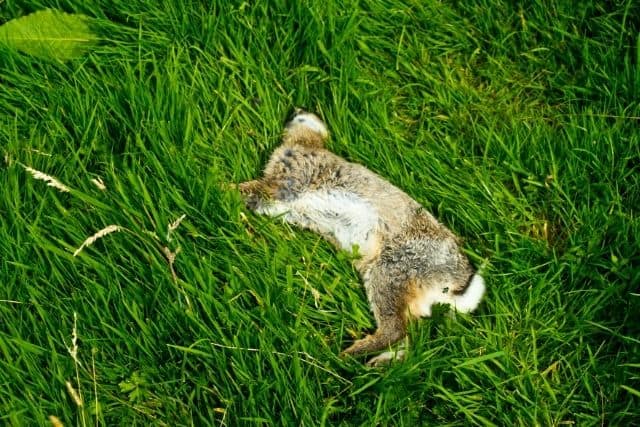
Never touch a dead wild animal with your bare skin. You have no way of knowing what killed the rabbit, and there is a real possibility that it was carrying an infection that can spread to humans. Diseases like tularemia (rabbit fever) can be transmitted through direct contact with infected carcasses. Keep children, cats, dogs, and other pets away from the area until you have completed the disposal process.
Step 2: Put on Protective Gloves
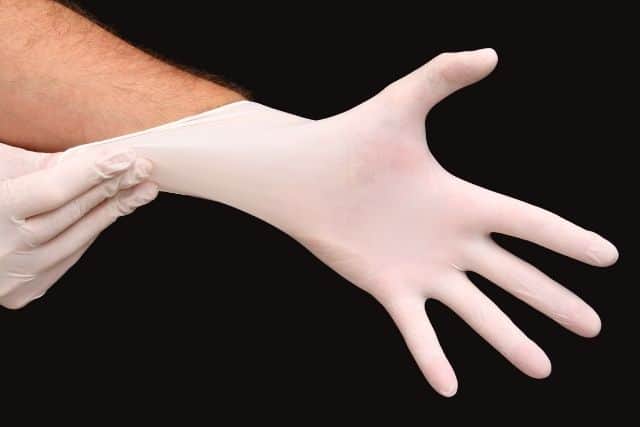
Wear thick rubber gloves, disposable latex gloves, or heavy-duty gardening gloves before approaching the remains. If you have a disposable face mask available, wear that too, particularly if the carcass appears to have been dead for more than a day. Decomposing animals release bacteria and can attract insects that spread disease.
Step 3: Use a Shovel to Lift the Remains
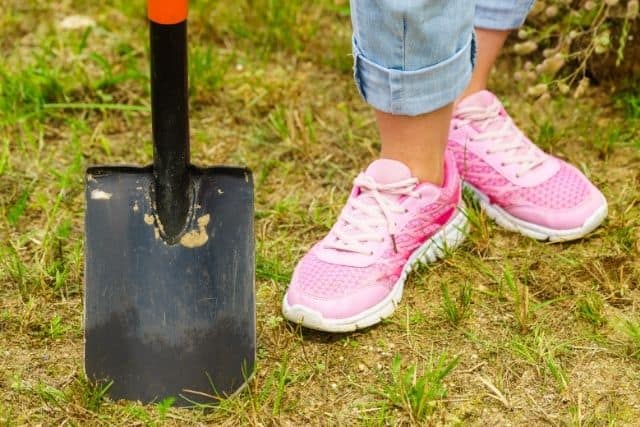
Use a flat shovel or spade to scoop the dead rabbit off the ground. Even with gloves on, using a tool to minimize direct contact with the carcass is the safest approach. Slide the shovel underneath the animal and transfer it directly into a thick plastic garbage bag. Tie the bag shut with a tight knot.
Then place that sealed bag inside a second plastic bag and tie it closed as well. This double-bagging method prevents fluids, odor, and decomposing material from leaking through if the inner bag tears during handling or in the trash can.
Step 4: Place the Bagged Remains in an Outdoor Trash Can
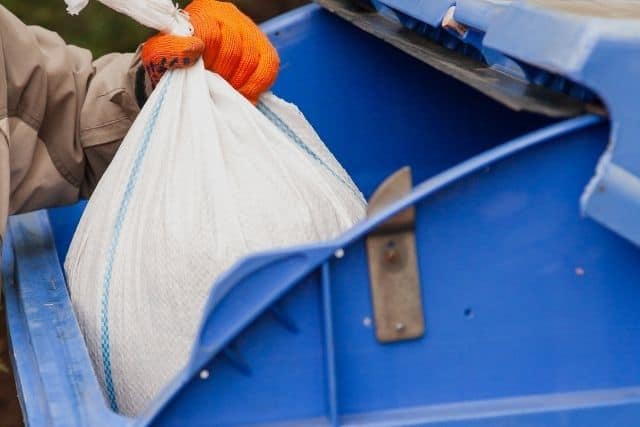
Dispose of the sealed bags by placing them into your outdoor garbage can with a secure lid. Check your garbage collection schedule and try to time the disposal close to your next pickup day. Leaving a dead animal in a trash can for more than a couple of days, especially during warm weather, will create strong odors and may attract raccoons, opossums, or other scavengers that could tear the bags open.
If garbage pickup is several days away, consider calling your local sanitation department or animal control. Many municipalities offer free dead animal pickup within 24 to 48 hours for small animals like rabbits.
Step 5: Wash Your Hands Thoroughly
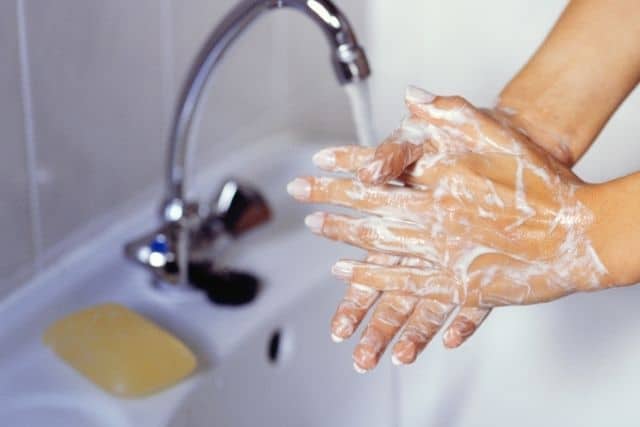
After disposing of the gloves and the carcass, wash your hands thoroughly with warm water and antibacterial soap for at least 20 seconds. Scrub under your nails and between your fingers. If you used reusable gloves, disinfect them with a bleach solution (one part household bleach to ten parts water) and allow them to air dry. Disinfect the shovel blade with the same bleach solution before storing it.
What Diseases Can Dead Rabbits Carry?
Understanding why careful handling matters will help you take these precautions seriously. Both wild and domestic rabbits can carry diseases like rabies and other pathogens that pose real risks to humans and household pets.
Here are the most common diseases associated with dead rabbits:
- Tularemia (Rabbit Fever): A serious bacterial infection transmitted through direct contact with infected animals, tick bites, or contaminated water. Symptoms in humans include sudden fever, skin ulcers at the contact site, and painfully swollen lymph nodes. Tularemia can be fatal without antibiotic treatment.
- Rabbit Hemorrhagic Disease Virus (RHDV2): While not directly transmissible to humans, RHDV2 is extremely contagious among rabbits and nearly always fatal. If you have pet rabbits and find a dead wild rabbit nearby, contact your veterinarian immediately to discuss vaccination and biosecurity measures to protect your animals.
- Parasites: Dead rabbits can harbor fleas, ticks, and mites that will seek new hosts once the body cools. These parasites can transfer to your pets or, in some cases, to you. Rabbit fleas can carry additional diseases including myxomatosis.
- E. cuniculi: A microsporidian parasite common in rabbits that can, in rare cases, infect immunocompromised humans. While transmission from a dead animal is unlikely, it is another reason to wear gloves and avoid bare-handed contact.
If you find multiple dead rabbits in your yard within a short period, contact your local animal control or wildlife agency immediately. Clusters of dead rabbits often indicate a disease outbreak like RHDV2 or a poisoning incident in the area that requires professional investigation.
How to Cope With the Loss of a Pet Rabbit
Grief after losing a pet rabbit is real and valid. Rabbits form strong bonds with their owners over years of daily interaction, and the loss can feel far more painful than non-rabbit owners might expect. According to the American Veterinary Medical Association, grieving for a pet is a completely natural process that deserves the same respect and patience as any other personal loss.
Here are some healthy ways to process your grief after losing a rabbit:
- Allow yourself to feel the loss. Do not minimize your emotions because "it was just a rabbit." Your bond with your pet was genuine, and your grief is valid.
- Create a memorial. Plant a perennial flower where your rabbit is buried, frame a favorite photo, create a small shadow box with their collar or a tuft of fur, or simply write down your best memories together.
- Talk to people who understand. Online rabbit communities, local rabbit rescue groups, and pet loss support hotlines can connect you with people who have been through the same experience and will not dismiss your feelings.
- Maintain your routine. Grief can be disorienting. Keeping your daily schedule helps provide stability during a difficult time.
- Give yourself time. There is no correct timeline for grieving. Some people feel ready to move forward in days, while others need weeks or months. Both responses are completely normal.
If you have other rabbits at home, keep a close eye on them after the loss of a companion. Rabbits are deeply social animals, and a surviving partner may show signs of depression such as reduced appetite, lethargy, lack of interest in play, or withdrawal to a corner of their enclosure. Spending extra time with a grieving rabbit, offering their favorite treats, and maintaining their normal routine can help them adjust to the change.
How to Help Children Cope With a Pet Rabbit's Death
For many children, a pet rabbit is their first real experience with death, and how you handle the conversation can shape how they process loss for years to come. The most important thing is to be honest and age-appropriate in your explanation.
Avoid vague euphemisms like "went to sleep," "went to a farm," or "went away." These phrases can confuse young children and create anxiety around bedtime, travel, or separation. Instead, use simple and direct language: "Our rabbit has died. That means their body stopped working and they will not be coming back."
Let children ask questions and answer them honestly. It is perfectly fine to say "I am not sure" when that is the truthful answer. Validate their emotions by telling them it is okay to feel sad, angry, or confused. Including children in a memorial activity, such as choosing a flower to plant, drawing a picture of the rabbit, or writing a goodbye letter, gives them a healthy outlet for processing their feelings.
Most children process pet loss naturally with family support. However, if your child shows signs of prolonged distress, nightmares, or behavioral changes that last more than a few weeks, consider speaking with a school counselor or child therapist who specializes in grief.
When Should You Contact a Veterinarian About a Dead Rabbit?
If your pet rabbit died suddenly without any obvious warning signs, it is worth contacting your veterinarian to discuss the circumstances. Sudden death in rabbits can result from several causes, including fright-induced cardiac arrest, gastrointestinal stasis, heat stroke, toxin ingestion, or an undetected underlying illness. Understanding why your rabbit died may be important if you have other rabbits at home that could be affected by the same condition.
Your veterinarian may recommend a necropsy (the animal equivalent of an autopsy) to determine the cause of death. A necropsy is particularly valuable if:
- You have other rabbits that may be at risk of the same illness
- The death was completely sudden with no prior symptoms
- Your rabbit displayed unusual symptoms like screaming or seizures before passing away
- You suspect poisoning, toxic plant exposure, or another environmental hazard
Necropsy costs for a rabbit typically range from $100 to $300 depending on your veterinarian and the complexity of the examination. While it is an additional expense during a difficult time, a necropsy can provide closure and, more importantly, protect any remaining animals in your care.
Frequently Asked Questions
Can I bury my rabbit in a public park or vacant lot?
No. Burying animals on public land, in parks, or on property you do not own is illegal in most jurisdictions. You could face fines or other penalties if caught. Always use private property where burial is permitted by local ordinance, or choose cremation or municipal disposal services as alternatives.
How long can I keep a dead rabbit before burial or cremation?
If you cannot bury or cremate your rabbit right away, wrap the body in a clean towel and place it in a sealed plastic bag in a cool location such as a garage, basement, or refrigerator. Aim to arrange final disposal within 24 to 48 hours to prevent decomposition. In hot weather, decomposition accelerates significantly, so act as quickly as possible.
Is it safe to bury a dead rabbit near my vegetable garden?
Keep burial sites at least 50 feet away from vegetable gardens, fruit trees, water sources, and areas where children or pets regularly play. Decomposing animal remains can attract pests and may temporarily introduce bacteria into the surrounding soil that you do not want near food-producing plants.
What should I do if my dog found and chewed on a dead wild rabbit?
Contact your veterinarian as a precaution. Dead wild rabbits can carry tularemia, parasites, and various other pathogens. Your vet may recommend monitoring your dog for symptoms such as fever, loss of appetite, or lethargy, or they may suggest running preventive blood tests if your dog is not up to date on vaccinations and parasite prevention.
Can I compost a dead rabbit instead of burying it?
Composting animal remains requires a properly managed hot composting system that consistently reaches internal temperatures above 130 degrees Fahrenheit for several days. Most standard backyard compost bins cannot sustain these temperatures reliably. We do not recommend composting rabbits in a home setup because improperly composted animal remains attract pests, produce strong odors, and can spread bacteria.
Cite this article:
Cite this article:
BunnySync (February 23, 2026) What To Do With a Dead Rabbit? A Complete Guide for 2026. Retrieved from https://bunnysync.com/blog/what-to-do-with-dead-rabbit.
"What To Do With a Dead Rabbit? A Complete Guide for 2026." BunnySync - February 23, 2026, https://bunnysync.com/blog/what-to-do-with-dead-rabbit
Sources and further reading