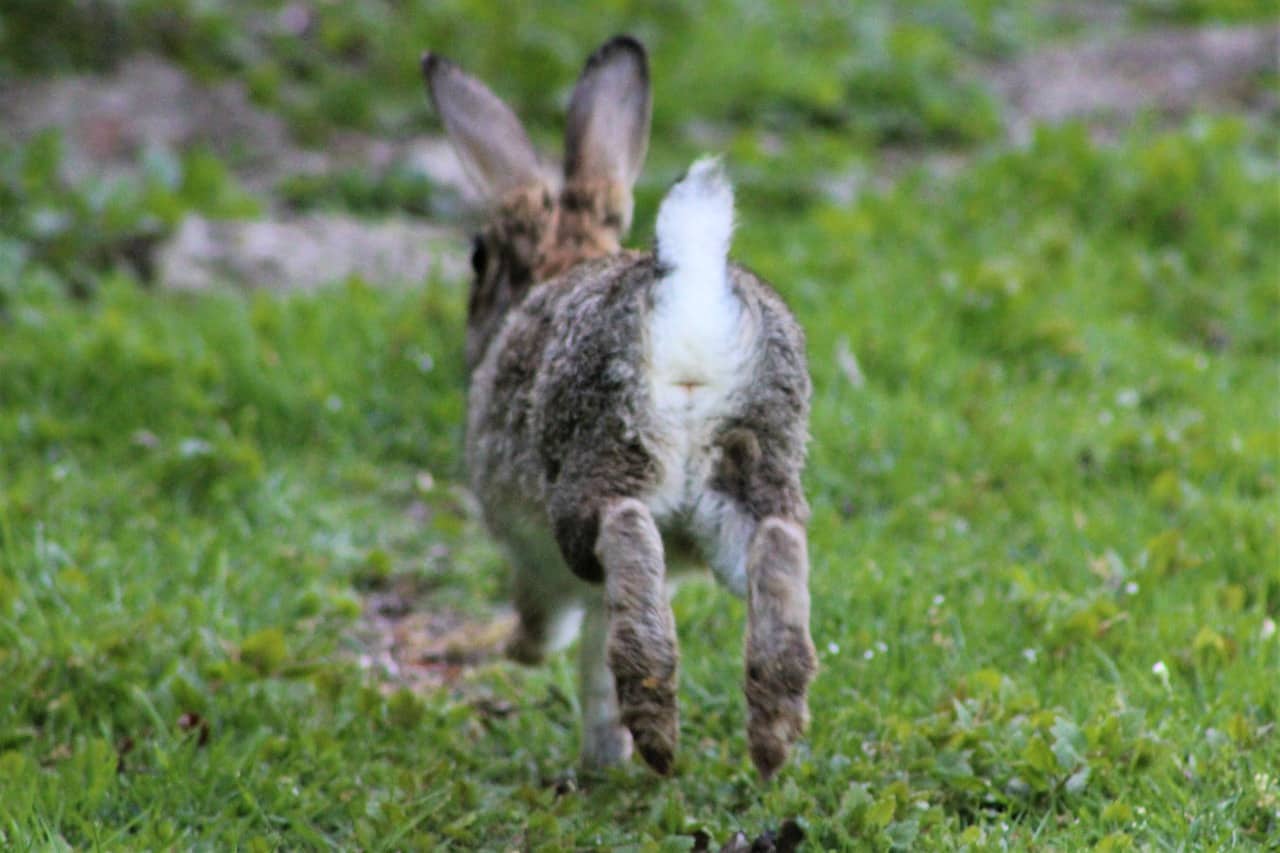
Rabbits chasing each other is usually a normal part of rabbit social behavior, most often linked to courtship, play, or establishing dominance. If the chasing is relaxed, with no biting, lunging, or fur pulling, your rabbits are likely bonding or flirting. However, aggressive chasing paired with grunting, boxing, or biting signals a fight that needs immediate intervention. Understanding the difference between playful and aggressive chasing is essential for any rabbit owner or breeder.

Why Do Rabbits Chase Each Other?
Rabbits are social animals with complex communication methods, and chasing is one of the most visible. Whether you keep a bonded pair, are introducing new rabbits, or breed rabbits regularly, you will see chasing behavior frequently. The key is reading the context correctly.
There are four primary reasons rabbits chase each other: courtship, play, dominance, and territorial aggression. Each one looks different, and each calls for a different response from you as the owner.
Courtship Chasing
When a male rabbit (buck) is interested in a female (doe), chasing is one of the first courtship behaviors you will see. The buck circles the doe, follows her closely, and chases her around the enclosure. This behavior typically starts once rabbits reach sexual maturity, around 3 to 4 months for smaller breeds and 5 to 6 months for larger breeds.
Courtship chasing has distinctive characteristics. The buck's tail is usually raised, he may make soft honking or oinking sounds, and he will frequently attempt to mount the doe. The doe may run briefly but will often stop, flatten herself to the ground, and lift her hindquarters when she is receptive.
If you are not planning to breed, this type of chasing is a clear sign that neutering or spaying is overdue. Unaltered rabbits will continue this behavior persistently, and it can escalate into frustration-driven aggression if the doe is not receptive.
Playful Chasing
Play chasing is one of the most enjoyable rabbit behaviors to watch. Two bonded rabbits will take turns being the chaser and the one being chased. They zoom around the room or enclosure, often incorporating binkies (those joyful mid-air twists and kicks) into their runs.
Signs that chasing is playful include:
- Both rabbits take turns chasing each other
- Binkies and happy hops during the chase
- No growling, grunting, or thumping
- Relaxed body language between chase bursts
- Rabbits groom each other or lie down together afterward
- No fur on the ground and no injuries
Play chasing is a sign of a healthy bond. Rabbits are highly social creatures that need interaction with their own kind, and play chasing fulfills that need. If your rabbits play-chase regularly, it means they trust each other and feel comfortable in their environment.
Dominance Chasing
Every pair or group of rabbits establishes a hierarchy, and chasing is a primary tool for doing so. Dominance chasing looks more one-sided than play chasing. One rabbit is always the chaser, and the other always runs. The dominant rabbit may also chin-mark objects and territory aggressively, stand on their hind legs to appear larger, or mount the subordinate rabbit.
Dominance chasing is most common during:
- Initial bonding of two rabbits who have not met before
- Reintroduction after a separation (even a vet visit can reset the hierarchy)
- Hormonal changes, especially in unspayed or unneutered rabbits
- Introduction of a new rabbit to an existing group
A moderate amount of dominance chasing is normal and expected. It becomes a problem only when it escalates into actual fighting with biting, scratching, or the subordinate rabbit showing signs of chronic stress.
Territorial Aggression
Territorial chasing is the most dangerous form. Unlike dominance chasing, which usually settles down within a few days to weeks, territorial aggression is persistent and intense. The aggressor actively seeks out the other rabbit to attack.
Warning signs of territorial aggression include:
- Loud grunting or growling before and during the chase
- Biting that draws blood or pulls out tufts of fur
- The chased rabbit screaming or showing extreme fear
- Aggressive thumping and lunging
- One rabbit cornering the other with no escape route
- Boxing behavior where both rabbits rear up and swipe with front paws
If you see these signs, separate your rabbits immediately. Do not reach in with bare hands, as redirected aggression can cause serious bites. Use a towel, a piece of cardboard, or thick gloves to separate them safely.
How to Tell If Rabbits Are Playing or Fighting
Distinguishing play from aggression is the single most important skill for any multi-rabbit household. Here is a side-by-side comparison to help you read the situation quickly.
| Behavior | Playing | Fighting |
|---|---|---|
| Who chases | Both take turns | Always the same rabbit |
| Speed | Fast with binkies | Fast with lunging |
| Sounds | Quiet or soft honks | Growling, grunting, screaming |
| Fur loss | None | Tufts pulled out |
| After the chase | Grooming, lying together | Hiding, thumping, continued tension |
| Body language | Relaxed ears, soft eyes | Ears pinned back, tail raised aggressively |
| Mounting | Brief, accepted | Aggressive, resisted violently |
According to a study published in the Journal of Veterinary Behavior, rabbit social interactions follow predictable patterns, and most aggression can be traced to inadequate space, hormonal status, or improper introductions.
What to Do When Your Rabbits Chase Each Other
Your response should match the type of chasing you observe. Here is a step-by-step approach for each situation.
If the Chasing Is Playful
Do nothing. Let them enjoy it. Play chasing is exercise, mental stimulation, and social bonding all in one. Make sure they have enough space to run safely without crashing into walls or furniture. A minimum of 12 square feet of exercise space per rabbit is recommended for free-roaming time.
If the Chasing Is Courtship
If you are breeding intentionally, supervised mating sessions are best. Always bring the doe to the buck's enclosure, not the other way around, as does are more territorial. Monitor closely and separate them once mating is complete.
If you are not breeding, get your rabbits spayed or neutered. As breeders, we see the behavioral difference firsthand: altered rabbits are calmer, bond more easily, and rarely engage in the persistent, frustration-driven chasing that unaltered rabbits display. Spaying also eliminates the risk of uterine cancer, which affects up to 80% of unspayed does over the age of 4.
If the Chasing Is Dominance-Related
- Ensure the enclosure is large enough. A minimum of 12 square feet per rabbit for their primary living space, with additional exercise space.
- Provide multiple food bowls, water sources, and hiding spots so the subordinate rabbit is not resource-blocked.
- Do not intervene unless it escalates to biting. Some dominance chasing is necessary for rabbits to sort out their hierarchy.
- If fighting breaks out suddenly, separate and try a neutral-territory reintroduction.
If the Chasing Is Aggressive
- Separate the rabbits immediately using a barrier (not bare hands).
- Check both rabbits for injuries. Rabbit bites can be deep and prone to infection.
- Keep them in separate enclosures within sight and smell of each other, but unable to physically reach each other.
- Consult a rabbit-savvy veterinarian, especially if one rabbit has injuries or if the aggression came on suddenly (sudden aggression can indicate pain or illness).
- Consider a structured rebonding process on neutral territory after at least 1 to 2 weeks of separation.
Why Do Rabbits Suddenly Start Chasing Each Other?
If your previously peaceful rabbits start chasing aggressively out of nowhere, several factors could be at play.
Hormonal Changes
Unspayed or unneutered rabbits experience hormonal surges that can trigger sudden aggression. This is especially common when rabbits reach sexual maturity between 3 and 6 months of age, or during spring when daylight hours increase and trigger breeding instincts. Breeding behavior intensifies significantly during these periods.
Pain or Illness
A rabbit in pain may lash out at a companion. Common pain-related causes include dental problems (overgrown teeth or tooth root abscesses), GI stasis, urinary tract infections, and arthritis in older rabbits. If one of your rabbits suddenly becomes aggressive, a vet check should be your first step.
Environmental Stress
Changes in the environment can destabilize a bonded pair's relationship. Moving to a new home, rearranging furniture near their enclosure, introducing new pets, or even loud construction noise can trigger stress-related aggression. A scared or stressed rabbit is more likely to redirect that anxiety onto a companion.
Disrupted Bond
Even a brief separation can disrupt a rabbit bond. Taking one rabbit to the vet, keeping them apart overnight for any reason, or one rabbit having surgery can cause the other rabbit to treat them as a stranger upon return. The returning rabbit smells different, and rabbits rely heavily on scent for recognition.
To prevent this, rub both rabbits with a shared blanket before and after any separation, and reintroduce them in neutral territory rather than placing the returning rabbit directly back into the shared space.
Do Wild Rabbits Chase Each Other?
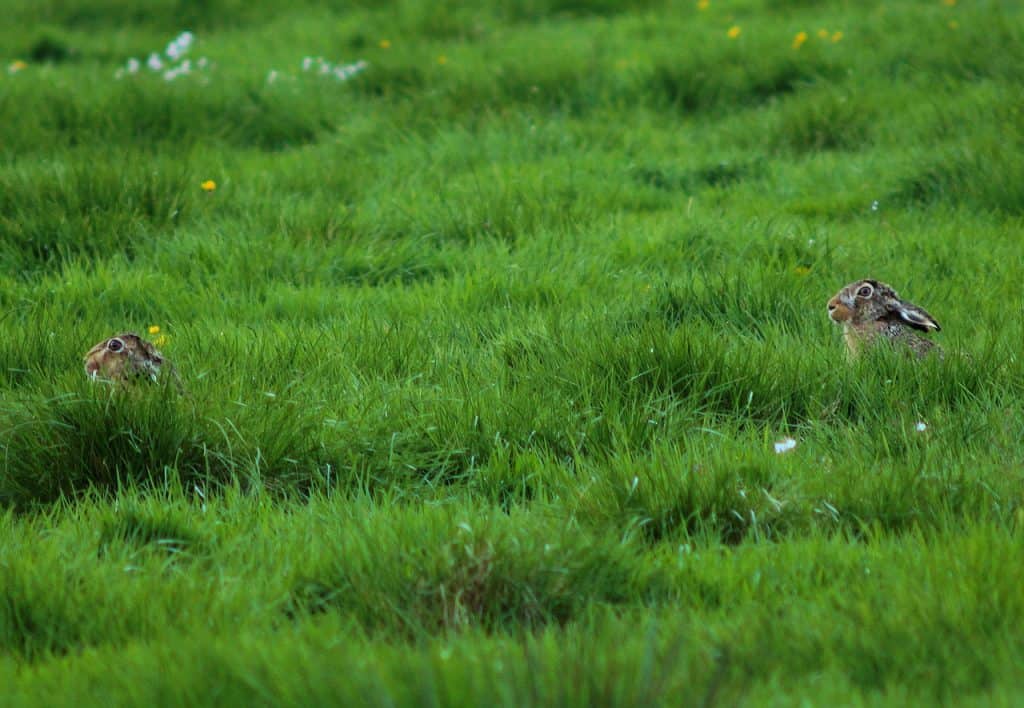
Yes, wild rabbits chase each other frequently, and the behavior serves the same purposes it does in domestic rabbits: courtship, play, and territorial defense.
In wild rabbit colonies (also called warrens), a strict social hierarchy exists. Dominant bucks chase subordinate males away from prime nesting areas and preferred does. Research published in the Journal of Animal Ecology documented that wild rabbit warrens have clear pecking orders maintained through chasing, mounting, and occasional fighting.
Wild rabbits tend to avoid escalating chases into full fights. An injury in the wild is often fatal, not because of the wound itself, but because an injured rabbit cannot outrun predators. This is why most wild chasing ends with the subordinate rabbit yielding, either by flattening itself to the ground or retreating from the territory entirely.
Young wild rabbits also engage in extensive play chasing, which serves as practice for evading predators and developing the speed and agility they will need as adults.
How to Bond Rabbits and Reduce Aggressive Chasing
If you are introducing two rabbits or rebonding a pair after a fight, following a structured process dramatically reduces the chances of aggressive chasing and fighting.
Step 1: Spay and Neuter First
Never attempt to bond unaltered rabbits. Hormones make stable bonding nearly impossible. Wait at least 4 to 6 weeks after the procedure before beginning introductions, as hormone levels take time to decrease.
Step 2: Side-by-Side Living
Place the rabbits in separate enclosures next to each other. They should be able to see and smell each other but not physically interact. Swap their litter boxes and toys daily so they get used to each other's scent. Do this for at least 1 to 2 weeks.
Step 3: Neutral Territory Introductions
Choose a space neither rabbit has claimed, like a bathroom or a room they have never been in. Start with 10 to 15 minute sessions. Expect some chasing, mounting, and circling. This is normal dominance behavior.
Step 4: Watch for Red Lines
Intervene only if you see biting, fur pulling, or the "tornado" (two rabbits locked together rolling on the ground). Brief mounting and chasing are acceptable, even if they seem intense. The rabbits need to establish who is dominant.
Step 5: Gradually Increase Time
Extend sessions by 5 to 10 minutes each day. When the rabbits can spend 2 to 3 hours together without incident, try overnight sessions. Once they groom each other and sleep side by side, the bond is established. For a deeper look at whether a second rabbit is right for you, read our companion guide.
Chasing Behavior in Specific Situations
Two Male Rabbits Chasing Each Other
Two male rabbits are the most likely pairing to escalate chasing into fighting, especially if they are unneutered. Testosterone-driven territorial aggression makes male-male bonds the hardest to establish and maintain. If you are keeping two bucks together, neutering both is non-negotiable, and even then, some males simply will not bond.
Two Female Rabbits Chasing Each Other
Two female rabbits can also chase aggressively, though it is less common than with males. Unspayed does become increasingly territorial as they mature, and hormonal false pregnancies can trigger aggressive episodes. Spaying resolves most female-female aggression.
Rabbits Chasing in Circles
If your rabbits are running in circles around each other rather than straight-line chasing, this is almost always courtship behavior. The circling rabbit is usually the one initiating mating. In bonded same-sex pairs, circling can also be a dominance display, where the circler is asserting their status over the stationary rabbit.
Frequently Asked Questions
Is it normal for bonded rabbits to chase each other?
Yes, bonded rabbits chase each other regularly as a form of play and exercise. As long as both rabbits take turns chasing, there are no injuries or fur loss, and they groom or rest together afterward, the chasing is healthy social behavior that strengthens their bond.
Should I separate rabbits that are chasing each other?
Only separate them if the chasing involves biting, fur pulling, growling, or one rabbit showing signs of extreme fear like screaming or hiding constantly. Playful and mild dominance chasing should be allowed to continue, as it is how rabbits communicate and establish social order.
How long does dominance chasing last when bonding rabbits?
Dominance chasing during the bonding process typically lasts 1 to 3 weeks, though some pairs take up to 6 weeks to fully settle their hierarchy. The chasing should decrease in frequency and intensity over time. If it escalates instead of decreasing, reassess your bonding approach.
Can chasing lead to serious injuries?
Playful chasing rarely causes injuries. Aggressive chasing, however, can result in deep bite wounds, torn ears, eye injuries, and significant fur loss. Rabbit bites can become infected quickly, so any bite wound should be cleaned and monitored. Seek veterinary care for deep or bleeding wounds.
Do neutered rabbits still chase each other?
Yes, neutered and spayed rabbits still chase each other, but the chasing is almost always playful or mild dominance behavior rather than aggressive. Hormonal aggression disappears within 4 to 8 weeks after the procedure, and most altered rabbits develop stable, peaceful bonds with their companions.
Cite this article:
BunnySync (March 7, 2026) Rabbits Chasing Each Other: What It Means and When to Worry. Retrieved from https://bunnysync.com/blog/rabbits-chasing-each-other.
"Rabbits Chasing Each Other: What It Means and When to Worry." BunnySync - March 7, 2026, https://bunnysync.com/blog/rabbits-chasing-each-other