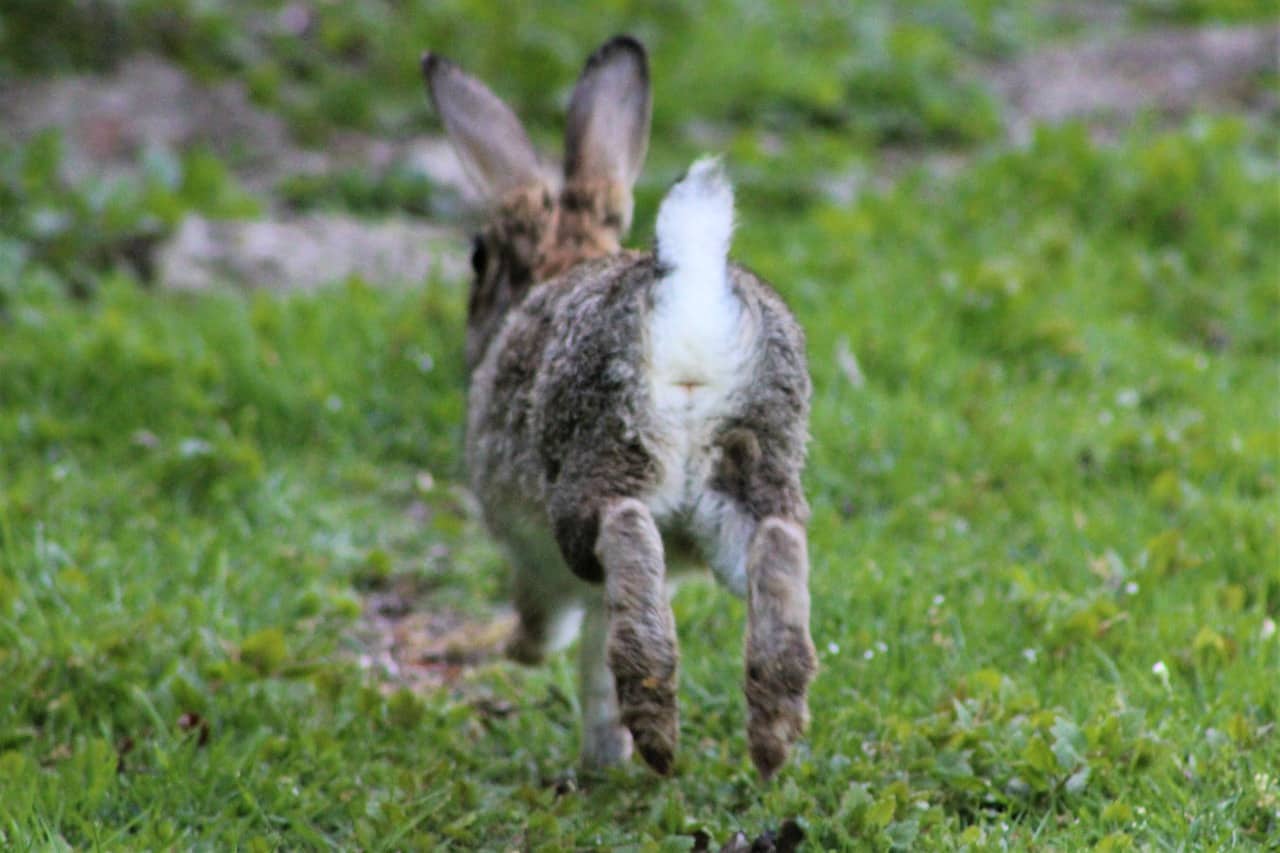
Rabbits that were once peaceful companions can start fighting all of a sudden for several reasons, including hormonal changes, stress, illness, or a bond breakdown. If your rabbits are fighting suddenly, the first step is to separate them immediately to prevent injuries. Once they are separated, you can investigate the root cause and take the right steps to stop the aggression and safely re-bond your rabbits.

Understanding the root cause is critical because the solution depends entirely on what triggered the aggression. A hormonal issue requires a completely different approach than a stress-related fight or a medical problem. Below, we break down every common reason rabbits fight suddenly and exactly what to do about each one.
Why Are Neutered or Spayed Rabbits Fighting All of a Sudden?
If both of your rabbits are already neutered or spayed, sudden fighting is particularly confusing. The whole point of altering them was to reduce hormonal aggression. When fixed rabbits start fighting, the cause is almost always one of three things: a medical issue, environmental stress, or a bond that has broken down.
Medical Issues and Pain
A rabbit in pain can lash out at its companion without warning. Conditions like dental problems, GI stasis, arthritis, urinary tract infections, or ear infections can cause enough discomfort to make an otherwise friendly rabbit aggressive. If one rabbit is hurting, it may bite, lunge, or scratch when the other rabbit comes too close.
Watch for these warning signs that illness may be driving the aggression:
- Loss of appetite or refusing favorite treats
- Rapid or labored breathing
- Loud tooth grinding (different from the soft purring grind of contentment)
- Lethargy or reluctance to move
- Hunched posture with eyes partially closed
- Changes in droppings (smaller, fewer, or misshapen)
- High-pitched screaming or whimpering
If you notice any of these symptoms alongside the fighting, separate your rabbits and bring the one showing symptoms to a rabbit-savvy veterinarian as soon as possible. According to the House Rabbit Society, sudden behavioral changes in previously bonded rabbits should always prompt a veterinary checkup to rule out underlying pain.
Stress and Environmental Changes
Rabbits are creatures of habit. Even small changes in their environment can trigger stress and anxiety that leads to fighting. As breeders, we have seen perfectly bonded pairs start scrapping after something as simple as rearranging furniture near their enclosure.
Common stress triggers that cause sudden fighting include:
- Moving to a new home or changing the location of their enclosure
- A new pet or person in the household
- Loud construction noise, fireworks, or other sudden sounds
- Scarce resources like food, water, or hiding spots
- An enclosure that is too small for two rabbits (two rabbits need at least 12 square feet of living space)
- Boredom from lack of enrichment or exercise
- Seeing, smelling, or hearing an unfamiliar animal nearby
The fix for stress-related fighting is to identify and remove the stressor. If the enclosure is too small, upgrade it. Provide duplicate resources so neither rabbit feels the need to guard food or water. If a new pet has been introduced to the home, make sure your rabbits cannot see or smell it until they have adjusted.
Bond Breakdowns Between Paired Rabbits
Sometimes, bonded rabbits simply "break up." It can happen without any obvious trigger. One day they are grooming each other, and the next they are lunging and biting. This is more common than most owners realize.
A bond breakdown can be triggered by:
- One rabbit returning from a vet visit smelling different (anesthesia, other animals, disinfectant)
- A traumatic event that one rabbit associates with the other (a loud noise, being startled together)
- Seasonal hormonal fluctuations, even in neutered rabbits (residual hormones can still cause minor behavioral shifts)
- One rabbit reaching a new life stage (senior rabbits may become less tolerant of a younger companion's energy)
If the bond has broken, you will need to separate them completely and go through the re-bonding process from scratch. We cover exactly how to do this later in this article.
Why Are Unneutered or Unspayed Rabbits Fighting?

If your rabbits are not neutered or spayed, the answer is almost certainly hormonal. Reproductive hormones kick in as early as 3 to 4 months of age, and they drive territorial aggression, mounting behavior, and dominance displays. Two unneutered male rabbits living together are virtually guaranteed to fight once those hormones arrive.
Female rabbits can also become aggressive when unspayed, particularly when they experience false pregnancies or are protecting a nesting area. While female-on-female aggression is less common than male-on-male, it can still be severe enough to cause serious injuries.
Neutering or spaying eliminates or significantly reduces these hormone-driven behaviors:
| Behavior | Before Neutering/Spaying | After Neutering/Spaying |
|---|---|---|
| Territorial aggression | Very common | Rare |
| Urine spraying | Frequent | Usually stops completely |
| Mounting and humping | Constant | Occasional (dominance only) |
| Biting and lunging | Common | Rare |
| Thumping and grunting | Frequent | Occasional |
| Destructive chewing | Common | Reduced |
After neutering or spaying, you need to wait 4 to 8 weeks before attempting to bond your rabbits. Hormones do not disappear overnight. Males can remain fertile for up to 6 weeks after the procedure, and behavioral changes take time to settle in. During this waiting period, keep them completely separated.
How to Tell If Your Rabbits Are Fighting or Playing
Rabbit play can look rough, and it is easy to mistake normal interaction for a real fight. Knowing the difference is important because intervening in play can actually stress your rabbits out, while ignoring a real fight can lead to serious injuries.
Here is a side-by-side comparison of fighting behavior versus play behavior:
| Sign | Fighting | Playing |
|---|---|---|
| Speed and intent | Fast, deliberate attacks | Quick but relaxed movements |
| Target areas | Face, eyes, and genitals | No specific target |
| Body language | Ears pinned flat, tail raised | Ears relaxed, body loose |
| Sounds | Grunting, growling, screaming | Quiet or soft honking |
| Chasing | Aggressive pursuit with biting | Taking turns chasing each other |
| Fur | Clumps of pulled fur on the ground | No fur loss |
| Aftermath | Wounds, scratches, bleeding | Both relaxed, may groom each other |
Here is an example of what real rabbit fighting looks like:
Notice how the attacks are fast, deliberate, and aimed at vulnerable areas. The rabbits use their claws and back feet to inflict maximum damage. There is no hesitation or playful pausing between strikes.
Now compare that to this example of rabbits playing together:
Playful rabbits take turns, pause frequently, and show relaxed body language between bouts. If you see wounds, blood, or clumps of fur at any point, it is a fight and not play.
Is It Normal for Bonded Rabbits to Fight?
Occasional minor scuffles between bonded rabbits are normal. Rabbits establish and maintain a social hierarchy, and small disagreements over who gets the best spot in the enclosure or who eats first are part of that process. Light mounting, brief chasing, and the occasional nip are generally nothing to worry about.
However, full-blown fights between bonded rabbits are not normal and should never be ignored. If bonded rabbits are drawing blood, ripping out fur, or engaging in sustained attacks, something has changed. Common triggers for bonded pair fights include:
- One rabbit returning from the vet smelling like disinfectant or other animals
- A sudden loud noise that scared both rabbits at the same time
- Illness or pain in one rabbit making it irritable and reactive
- A new animal in the house, even one they cannot see but can smell
- Changes to the enclosure layout or location
If your bonded pair has a one-time fight, separate them for 1 to 2 weeks and then attempt to re-bond them in neutral territory. Most bonded pairs reconcile after a cooling-off period. If the fighting continues after multiple re-bonding attempts, consult a rabbit-savvy veterinarian to rule out medical causes.
Can Rabbits Kill Each Other in a Fight?

Yes, rabbits can kill each other. This is not an exaggeration. Two unneutered male rabbits confined in the same space can fight to the death, especially if neither backs down from the dominance contest. Even rabbits of different sizes living together can inflict fatal injuries when aggression escalates.
The most common ways rabbit fights become fatal:
- Blood loss from deep wounds. Rabbit claws and teeth are sharp enough to puncture skin and cause deep lacerations, particularly around the face, ears, and belly.
- Infection. Rabbit claws and teeth carry bacteria. Even small puncture wounds can become seriously infected within 24 to 48 hours if not cleaned and treated promptly.
- Shock and stress. The stress of a severe fight can cause a rabbit to go into shock, which can be fatal on its own even without visible wounds.
- Spinal injury. During violent fights, a rabbit can twist or fall in a way that damages its delicate spine, causing paralysis or death.
Can Male Rabbits Fight to the Death?
Male rabbits are the most likely to fight to the death. Unneutered males have intense territorial instincts and will not stop fighting until one establishes clear dominance or one is too injured to continue. In the wild, the loser can flee. In a cage, there is nowhere to escape, which means fights escalate far beyond what would happen in nature.
This is why we strongly recommend never housing two unneutered male rabbits together. Even with supervision, a serious fight can erupt in seconds and cause life-threatening injuries before you can intervene.
Here is a video showing the type of injuries that can result from rabbit fights:
As you can see, the injuries from rabbit fights can be severe, with significant blood loss and tissue damage that requires immediate veterinary attention.
How to Stop Your Rabbits from Fighting

Stopping a rabbit fight requires both an immediate response and a long-term strategy. Here is a step-by-step approach that covers both.
Step 1: Separate Them Immediately
The moment you see a real fight, intervene. Wear thick gloves or use a towel to separate them, because fighting rabbits can accidentally bite or scratch you in the process. Place each rabbit in a separate enclosure where they cannot see, smell, or reach each other.
Step 2: Check for Injuries
Examine both rabbits thoroughly. Check the face, ears, belly, and genital area for wounds. Even small puncture wounds need to be cleaned with saline solution and monitored for signs of infection over the following days. Deep wounds, heavy bleeding, or any wound near the eyes requires an immediate vet visit.
Step 3: Identify the Cause
Ask yourself these questions to narrow down the trigger:
- Are both rabbits neutered or spayed? If not, schedule the procedure.
- Has anything changed recently? New pet, new home, rearranged enclosure, change in daily routine?
- Is either rabbit showing signs of illness? Loss of appetite, lethargy, abnormal droppings?
- Is the enclosure large enough? Two rabbits need at least 12 square feet of living space, plus a larger exercise area.
- Are there enough resources? Each rabbit should have its own food bowl, water source, hay rack, and hiding spot.
Step 4: Address the Root Cause
Once you have identified the likely cause, fix it before attempting to re-introduce your rabbits:
- Hormonal aggression: Get them neutered or spayed. Wait 6 to 8 weeks for hormones to settle before re-bonding.
- Medical issue: Get a full vet checkup. Treat any underlying conditions before attempting re-introduction.
- Environmental stress: Remove the stressor. Provide extra space, enrichment, and routine stability.
- Bond breakdown: Prepare for a full re-bonding process in neutral territory.
How to Re-Bond Rabbits After a Fight
Re-bonding rabbits after a fight takes patience. Rushing the process almost always leads to another fight. Here is a proven step-by-step approach that works for most pairs:
- Keep them separated for 2 to 4 weeks. House them in separate enclosures, ideally in different rooms. This allows any injuries to heal and emotions to cool down completely.
- Swap scents gradually. Exchange bedding, litter boxes, or toys between enclosures so they get used to each other's scent again without direct contact.
- Start sessions in neutral territory. Choose a space neither rabbit has claimed, like a bathroom or a section of floor they have never explored. Neutral ground prevents territorial behavior from flaring up.
- Keep initial sessions short. Start with 10 to 15 minute sessions. Watch for positive signs like ignoring each other (this is actually a good sign) or cautious nose-to-nose sniffing. End the session immediately if you see lunging, biting, or aggressive chasing.
- Gradually increase time together. As sessions go well, extend them by 5 to 10 minutes each time. Only move them back into a shared enclosure when they can spend several hours together without any aggression.
- Clean the shared enclosure thoroughly. Before putting them back together, clean the enclosure with white vinegar to remove territorial scent markings. Rearrange the layout so it feels like new territory to both rabbits.
According to the RSPCA, the re-bonding process can take anywhere from a few days to several weeks depending on the severity of the original fight and the personalities of the rabbits involved. Patience is essential. Forcing rabbits together before they are ready will only set the process back further.
When to See a Veterinarian
While many cases of sudden fighting can be resolved at home through separation and re-bonding, there are situations where professional veterinary help is necessary:
- Either rabbit has deep wounds, heavy bleeding, or injuries near the eyes
- One rabbit is showing signs of illness (lethargy, appetite loss, abnormal droppings, breathing changes)
- Fighting resumes immediately every time you attempt re-bonding
- One rabbit has become aggressive toward you as well, not just the other rabbit
- You suspect a spinal injury (hind leg dragging, inability to hop normally)
Always choose a veterinarian who has experience with rabbits. Not all small animal vets are comfortable treating rabbit-specific conditions, and rabbit medicine requires specialized knowledge that general practitioners may not have.
Frequently Asked Questions
How long should I separate rabbits after a fight?
Separate fighting rabbits for a minimum of 2 weeks, ideally 2 to 4 weeks. This gives injuries time to heal and allows both rabbits to calm down. During separation, keep them in separate rooms where they cannot see each other. Only attempt re-bonding in neutral territory once the separation period is complete.
Why are my female rabbits suddenly fighting?
Female rabbits may fight due to hormonal changes from a false pregnancy, territorial disputes over nesting space, stress from environmental changes, or an underlying health issue causing pain. Unspayed females are more prone to aggression, especially around 4 to 6 months of age when hormones surge. Spaying both rabbits usually resolves hormone-related aggression.
Can I put fighting rabbits back together right away?
No. Never put fighting rabbits back together immediately after a fight. Separate them for at least 2 weeks, identify and address the underlying cause, and then slowly re-introduce them in neutral territory with supervised short sessions that gradually increase in length.
Do rabbits fight more at certain times of the year?
Yes. Rabbits can be more aggressive during spring and early summer when increasing daylight hours trigger hormonal activity. Even neutered rabbits retain small amounts of residual hormones that can fluctuate seasonally. If your rabbits tend to fight more during spring, provide extra space and monitor their interactions closely.
Should I let my rabbits sort out their own fights?
No. Unlike some animals that resolve conflicts through brief displays, rabbit fights can escalate quickly and result in serious injury or death within seconds. Always intervene immediately when you see a real fight. Light scuffles lasting only a few seconds without biting or fur pulling can be monitored closely, but any sustained aggression requires immediate separation.
Cite this article:
Cite this article:
BunnySync (March 3, 2026) Why Are My Rabbits Fighting All of a Sudden? Causes and Solutions. Retrieved from https://bunnysync.com/blog/why-are-my-rabbits-fighting-all-of-a-sudden.
"Why Are My Rabbits Fighting All of a Sudden? Causes and Solutions." BunnySync - March 3, 2026, https://bunnysync.com/blog/why-are-my-rabbits-fighting-all-of-a-sudden
Sources and Further Reading
- Buseth, Marit Emilie., and Richard A. Saunders. Rabbit Behaviour, Health, and Care. CABI, 2014.
- Patry, Karen, et al. The Rabbit-Raising Problem Solver: Your Questions Answered about Housing, Feeding, Behavior, Health Care, Breeding, and Kindling. Storey Publishing, 2014.
- House Rabbit Society: FAQ on Aggression
- RSPCA: Rabbit Behaviour Guide