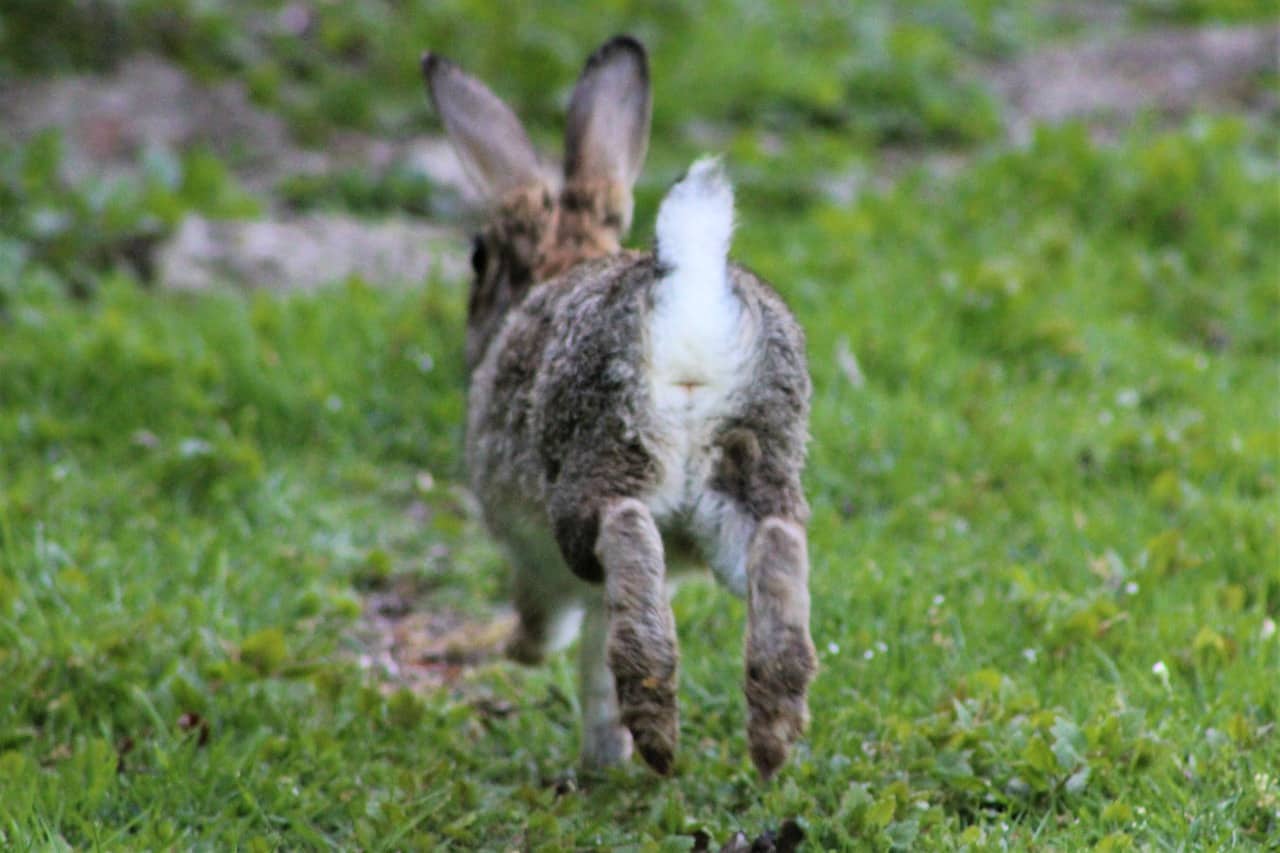
Getting your rabbit to cuddle with you comes down to one thing: trust. Rabbits are prey animals, and cuddling is not their default behavior. You need to earn it. The good news is that with patience, consistency, and the right approach, most rabbits will eventually cuddle willingly, and some will even seek out your lap on their own. I have raised hundreds of rabbits over the years, and the ones that became the biggest cuddlers all had one thing in common. Their owners invested time on the floor, at the rabbit's level, letting the rabbit set the pace.
The mistake most people make is rushing it. They scoop up their rabbit, hold it against its chest, and wonder why the rabbit kicks, scratches, and bolts the second it hits the ground. That is not cuddling. That is restraint. And rabbits know the difference.
Why Won't My Rabbit Cuddle With Me?
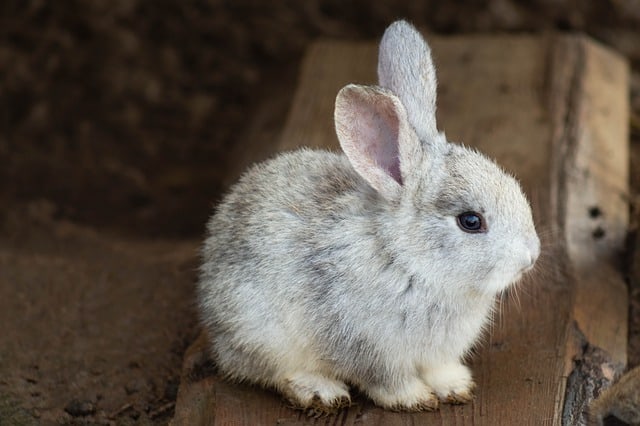
Before you can fix the problem, you need to understand why your rabbit avoids close contact. Rabbits are hardwired to be suspicious of anything that grabs them from above. In the wild, the only things that grab rabbits are predators. Hawks, foxes, and owls all attack from above or behind.
When you reach down and pick up your rabbit, its brain fires the same alarm signals it would if a hawk swooped in. Your rabbit does not hate you. Its survival instincts are just doing their job.
There are several other reasons your rabbit may resist cuddling:
- Lack of socialization as a kit. Rabbits handled gently from 2 to 8 weeks of age are dramatically more comfortable with human touch.
- Previous negative experiences. A rabbit that was grabbed roughly, dropped, or startled may take months to rebuild trust. If your rabbit has suddenly become skittish, there may be an underlying cause you need to identify. Learn more about why your rabbit might be scared of you all of a sudden.
- Personality and breed tendencies. Some breeds are naturally more affectionate. Holland Lops, Mini Rex, and Flemish Giants tend to be cuddlier than high-energy breeds like Netherland Dwarfs.
- Pain or illness. A rabbit that suddenly avoids touch may be in pain. Always rule out medical issues first.
- Hormones. Unspayed or unneutered rabbits are often too restless and territorial to settle in for a cuddle session.
Understanding the root cause helps you choose the right strategy. A rabbit that was never socialized needs a different approach than one that was traumatized by rough handling.
How Do I Build Trust With My Rabbit Before Cuddling?
Trust is the foundation. Without it, cuddling will never happen. Here is the step-by-step process I use with every new rabbit that enters my rabbitry, and it works whether the rabbit is 8 weeks old or 3 years old.
Step 1: Get on the Floor
This is non-negotiable. Sit on the floor in your rabbit's space every single day. Do not reach for the rabbit. Do not chase it. Just sit there. Read a book, scroll your phone, or just sit quietly.
You are teaching your rabbit that you are boring, predictable, and safe. Most rabbits will start approaching within 3 to 5 days. Some take longer, and that is fine.
Step 2: Let the Rabbit Come to You
When your rabbit approaches, resist the urge to pet it immediately. Let it sniff your hands, your legs, your feet. Let it climb on you if it wants to. The first time your rabbit voluntarily touches you is a milestone. Do not ruin it by grabbing.
Place a few small treats near you, not in your hand, but on the floor beside your leg. This creates a positive association with your presence without making the rabbit dependent on food bribes.
Step 3: Introduce Touch Gradually
Once your rabbit is comfortable sitting near you, start with gentle strokes on the forehead between the ears. This is the safest spot because the rabbit can see your hand approaching. Avoid touching the chin, belly, or feet until much later.
Keep petting sessions short at first. Five seconds of gentle forehead strokes, then stop. If the rabbit stays, pet again. If it leaves, let it go. You are building a pattern: touch feels good, and the rabbit is always free to leave.

What Are the Best Positions for Cuddling a Rabbit?
Rabbits feel safest when all four feet are on a solid surface. This is critical to understand because many people try to cuddle rabbits by holding them in their arms like a baby, which most rabbits absolutely hate. If you are curious about whether that is ever appropriate, read about holding a rabbit like a baby and why it is generally not recommended.
Here are the cuddling positions that actually work:
| Position | How It Works | Best For |
|---|---|---|
| Lap cuddle | Sit on the floor with legs extended. Let the rabbit hop onto your lap on its own. | Medium-trust rabbits |
| Side-by-side | Lie on the floor next to your rabbit. Let it press against your body. | Shy or new rabbits |
| Chest cuddle | Lie on your back with the rabbit on your chest. Only works with highly bonded rabbits. | High-trust rabbits |
| Couch cuddle | Sit on a low couch and let the rabbit jump up beside you. | Free-roam rabbits |
| Blanket burrito | Wrap a soft blanket around your lap and let the rabbit nestle into it. | Cold weather sessions |
The side-by-side position is my personal favorite for building trust. Lying on the floor makes you less intimidating and puts you at rabbit height. Many rabbits that refuse to sit in a lap will happily press themselves against your side when you are lying down.

Where Should I Pet My Rabbit During Cuddle Time?
Where you touch your rabbit matters enormously. Pet the wrong spot and your rabbit will bolt. Pet the right spot and it will melt into your hands.
Spots Most Rabbits Love
- Forehead and between the ears. This is the gold standard. Almost every rabbit enjoys gentle strokes here. Use slow, deliberate movements with light pressure.
- Behind the ears. Once your rabbit is relaxed, try gentle rubs at the base of the ears where they connect to the skull. Many rabbits will lower their head and close their eyes.
- Cheeks. Gentle strokes along the cheeks can produce that blissful "pancake" position where the rabbit flattens out completely.
- Along the back. Long, slow strokes from the head down the spine. Avoid the lower back near the tail until your rabbit is very comfortable with you.
Spots to Avoid Early On
- Belly. Unlike dogs, most rabbits do not enjoy belly rubs. A rabbit showing its belly is displaying trust, but touching it can feel threatening.
- Feet and legs. These are sensitive areas. Rabbits need their feet for escape, so touching them triggers anxiety.
- Tail and hindquarters. Most rabbits dislike being touched here, especially by someone they do not fully trust yet.
Pay attention to your rabbit's body language while petting. A relaxed rabbit will grind its teeth gently (called purring or tooth purring), lower its head, and stretch out. A stressed rabbit will tense up, flatten its ears back, or try to move away. Knowing how to tell if your rabbit is happy will help you read these signals accurately.
How Long Does It Take for a Rabbit to Become a Cuddler?
This is the question everyone asks, and the honest answer depends on several factors. Here is a realistic timeline based on my experience with hundreds of rabbits:
| Starting Point | Expected Timeline | Notes |
|---|---|---|
| Well-socialized kit (under 12 weeks) | 1 to 3 weeks | Fastest results. Daily handling from a young age makes a huge difference. |
| Friendly adult from a good home | 2 to 6 weeks | Needs time to adjust to new environment before bonding begins. |
| Shy or undersocialized adult | 2 to 4 months | Requires consistent daily floor time and patience. |
| Rescued or traumatized rabbit | 3 to 6+ months | May never become a full lap rabbit, but can still enjoy side-by-side contact. |
Some rabbits will never be lap cuddlers, and that is okay. A rabbit that presses against your leg while you sit on the floor is showing deep trust. A rabbit that does binkies when you enter the room loves you, even if it does not want to sit in your lap for 20 minutes.
The key is consistency. Fifteen minutes of floor time every single day beats an hour-long session once a week. Rabbits learn through repetition and routine.
Does Spaying or Neutering Help With Cuddling?
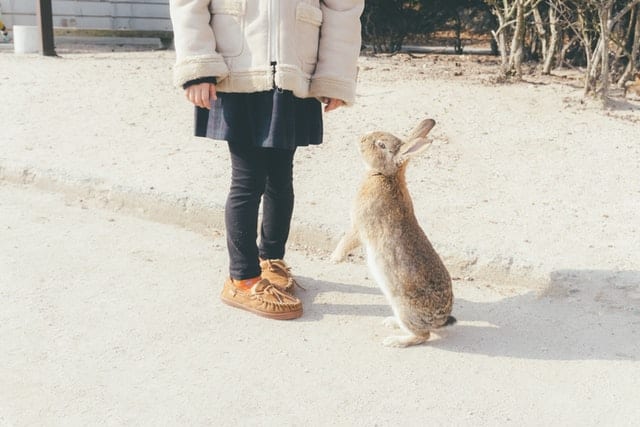
Yes, significantly. Intact rabbits are driven by hormones that make them restless, territorial, and sometimes aggressive. Spaying or neutering your rabbit typically results in a calmer, more affectionate pet within 4 to 8 weeks after the procedure.
The House Rabbit Society recommends spaying or neutering for both health and behavioral reasons. In my rabbitry, the difference is night and day. Intact bucks spray urine and mount everything. Intact does can become cage-aggressive and moody. After fixing, most of them settle down dramatically and become much more open to cuddling.
If your rabbit is not yet spayed or neutered and you are struggling with cuddling, this should be your first step. It will not solve everything overnight, but it removes a major hormonal barrier to bonding.
What Mistakes Push Rabbits Away From Cuddling?
I see the same mistakes over and over from well-meaning rabbit owners. Avoiding these will accelerate your progress significantly.
- Chasing your rabbit to pick it up. Every time you chase your rabbit, you are confirming its fear that you are a predator. Always let the rabbit come to you.
- Forcing cuddle sessions. If your rabbit wants to leave, let it leave immediately. Restraining a rabbit that wants to go destroys trust faster than anything else.
- Loud environments. Rabbits have extremely sensitive hearing. If your cuddle area has a blaring TV, screaming children, or barking dogs, your rabbit will never relax enough to cuddle. If your rabbit seems anxious, you may need to learn how to calm down a scared rabbit before attempting cuddle sessions.
- Strong scents. Perfume, cologne, scented lotion, and strong-smelling foods can overwhelm a rabbit's sensitive nose. Keep your hands clean and scent-free during bonding sessions.
- Inconsistency. Bonding for a week then disappearing for two weeks resets your progress. Rabbits need daily, predictable interactions.
- Punishing the rabbit. Never yell at, flick, or spray your rabbit. Rabbits do not respond to negative reinforcement. They just learn to fear you.
What Treats and Rewards Help With Cuddle Training?
Treats are a useful tool for building positive associations, but they should supplement your bonding work, not replace it. You do not want a rabbit that only sits on your lap because it expects a pellet.
Best Treats for Bonding Sessions
- Small pieces of banana (pea-sized). Most rabbits go crazy for banana, but it is high in sugar, so keep it tiny.
- Fresh herbs. Cilantro, parsley, and basil are healthy and most rabbits love them.
- Oat flakes. A single plain rolled oat makes a great training treat.
- Small pieces of apple (no seeds). Another high-value treat in moderation.
How to Use Treats Effectively
Place a treat on the floor near your leg to lure the rabbit closer. Once the rabbit is comfortable eating near you, place the treat on your leg. Then on your lap. Gradually move the treat closer to your body over days and weeks.
Once your rabbit is cuddling reliably, phase out the treats. Give them occasionally to reinforce the behavior, but the rabbit should learn that cuddling itself is rewarding because of the gentle petting and warmth.
Do Some Rabbit Breeds Cuddle More Than Others?
Breed matters, but individual personality matters more. That said, some breeds have a well-earned reputation for being cuddly:
- Holland Lop. Consistently one of the friendliest breeds. Their laid-back temperament makes them natural cuddlers.
- Mini Rex. Their incredibly soft fur makes them pleasant to hold, and they tend to enjoy human contact.
- Flemish Giant. Despite their size, Flemish Giants are often described as "gentle giants" and many love lap time.
- English Lop. Calm and easygoing, English Lops are often content to sit with their owners for extended periods.
- Lionhead. Many Lionheads are attention-seekers that actively pursue human interaction.
Breeds that tend to be more independent (not uncuddly, just harder to get there):
- Netherland Dwarf. High energy and sometimes nippy, though individuals vary widely.
- Belgian Hare. Very active and athletic. More interested in running than sitting still.
- Most wild-colored breeds. Rabbits bred for show in agouti or wild-type colors sometimes retain more of the flight instinct.
Remember, these are generalizations. I have had Netherland Dwarfs that were the cuddliest rabbits in the barn and Holland Lops that wanted nothing to do with people. Socialization and individual temperament override breed tendencies every time.
How Can I Tell My Rabbit Wants to Cuddle?
Rabbits communicate primarily through body language. Learning to read these signals will help you time your cuddle sessions perfectly. Understanding how rabbits show affection to humans gives you the full picture of what bonded behavior looks like.
Signs Your Rabbit Wants Attention
- Nudging your hand or leg. This is a clear request for petting.
- Following you around the room. Your rabbit sees you as its companion and wants to be near you.
- Circling your feet. Often combined with soft honking sounds, this is a sign of affection (more common in intact rabbits but bonded fixed rabbits do it too).
- Tooth purring. Soft, gentle tooth grinding while being petted means your rabbit is content and relaxed.
- Flopping near you. When a rabbit throws itself onto its side near you, it feels completely safe in your presence.
- Licking you. Grooming is a bonding behavior. A rabbit that licks your hand or arm is treating you as a companion.
Signs Your Rabbit Needs Space
- Thumping. A sign of annoyance or alarm. Give your rabbit space.
- Turning its back to you. This is a deliberate snub. Your rabbit is not happy with something you did.
- Ears pinned flat and body tense. Your rabbit is stressed. Back off immediately.
- Boxing or lunging. Your rabbit feels cornered. You have pushed too hard, too fast.
What Is the Best Daily Routine for Building a Cuddly Rabbit?
Consistency is everything with rabbits. Here is a daily routine that has worked for me across hundreds of rabbits over the years:
- Morning greeting (2 minutes). Approach your rabbit's enclosure calmly. Speak softly and offer a small treat through the bars or door. Do not reach in to grab.
- Floor time session (15 to 30 minutes). Sit on the floor in a rabbit-proofed area. Let your rabbit explore and approach on its own terms. Pet when the rabbit is near, stop when it moves away.
- Evening wind-down (10 to 15 minutes). Rabbits are crepuscular, meaning they are most active at dawn and dusk. An evening session often produces the best cuddling because rabbits are naturally winding down.
- Bedtime check (2 minutes). A quick, calm visit to say goodnight. Offer a small piece of hay or herb. Keep it brief and positive.
The total daily time investment is about 30 to 50 minutes. That is a small price for a rabbit that actively seeks your companionship.
Can Older Rabbits Learn to Cuddle?
Absolutely. I have worked with rabbits aged 4, 5, even 7 years old that had never been properly socialized, and most of them eventually learned to enjoy human contact. Older rabbits actually have an advantage in one way: they are calmer and less hyperactive than young bunnies, which means once they trust you, they are more likely to sit still and enjoy a long petting session.
The process takes longer with older rabbits because you may be working against years of learned behavior. An adult rabbit that spent its life in a cage with minimal handling has deeply ingrained fear responses. But those responses can be overwritten with patient, consistent positive experiences.
The approach is the same as with any rabbit: floor time, patience, let the rabbit set the pace. The only difference is that you should expect the timeline to be measured in months rather than weeks. According to the Merck Veterinary Manual, rabbits are intelligent animals capable of learning throughout their lives, so age alone is never a reason to give up.
Should I Get a Second Rabbit to Make My Rabbit Cuddlier?
This is a common question, and the answer is nuanced. A bonded pair of rabbits will cuddle with each other, which is wonderful to watch. But a paired rabbit does not automatically become cuddlier with humans. In some cases, a rabbit with a bonded partner may actually seek less human interaction because its social needs are being met by the other rabbit.
That said, a confident, well-bonded pair can sometimes help a shy rabbit open up. If one rabbit in the pair is already comfortable with humans, the shy rabbit may observe and learn that humans are safe. This social learning is a real phenomenon in rabbits.
My recommendation: get a second rabbit because it is good for your rabbit's mental health, not because you expect it to make your rabbit cuddlier with you. Bonding with humans still requires dedicated one-on-one time.
Frequently Asked Questions
How often should I try to cuddle my rabbit?
Aim for at least one dedicated floor time session per day, lasting 15 to 30 minutes. Consistency matters more than duration. A short daily session builds trust faster than occasional long sessions. Evening is often the best time since rabbits are naturally calming down during dusk hours and are more receptive to settling in with you.
Why does my rabbit cuddle sometimes but not others?
Rabbits have moods just like people. Hormonal cycles, temperature, time of day, recent stress, and even barometric pressure can affect your rabbit's willingness to cuddle. If your rabbit cuddled yesterday but not today, do not take it personally. Respect its boundaries and try again tomorrow. Consistent trust-building means the good days will outnumber the reluctant ones over time.
Is it okay to cuddle my rabbit on my bed or couch?
Yes, once your rabbit is comfortable with you and confident in that environment. Make sure the surface is safe and the rabbit cannot fall from a dangerous height. Rabbits can injure their spines from falls as short as two feet. Start on the floor first, and only move to elevated surfaces once your rabbit is a confident, relaxed cuddler who will not panic and leap off unexpectedly.
My rabbit licks me but won't sit still for cuddles. What does that mean?
Licking is a strong sign of affection and bonding. Your rabbit loves you but may simply be too energetic or young to sit still for extended periods. This is completely normal, especially in rabbits under one year old. As your rabbit matures, it will likely become calmer and more willing to settle in for longer cuddle sessions. Keep doing what you are doing because the licking shows your bond is solid.
Can children cuddle with rabbits safely?
Children can absolutely bond with rabbits, but they need supervision and coaching. Teach children to sit on the floor and let the rabbit approach them. No chasing, no grabbing, no squeezing. Children under 7 should always be supervised because they lack the motor control for gentle handling. The best child-rabbit interactions happen when the child is calm and patient, which is also a great life skill to develop.
Cite this article:
BunnySync (March 8, 2026) How to Get Your Rabbit to Cuddle With You: Proven Bonding Techniques. Retrieved from https://bunnysync.com/blog/how-to-get-your-bunny-to-cuddle-with-you.
"How to Get Your Rabbit to Cuddle With You: Proven Bonding Techniques." BunnySync - March 8, 2026, https://bunnysync.com/blog/how-to-get-your-bunny-to-cuddle-with-you