Rabbits can drink vinegar that has been heavily diluted with water, but they should never drink pure vinegar. Vinegar itself is not toxic to rabbits, and most rabbits will refuse to drink it undiluted because they hate the strong smell. Apple cider vinegar (ACV) diluted at 1 tablespoon per gallon of water is commonly used by rabbit breeders as a water additive, and white vinegar mixed with water is one of the safest cage cleaning solutions available.
That said, there are real risks to using vinegar incorrectly with rabbits. Too much vinegar in their water can cause them to stop drinking entirely, which leads to dehydration. Here is everything you need to know about vinegar and rabbits, from safe dilution ratios to cage cleaning best practices.
Can Rabbits Safely Drink Vinegar?
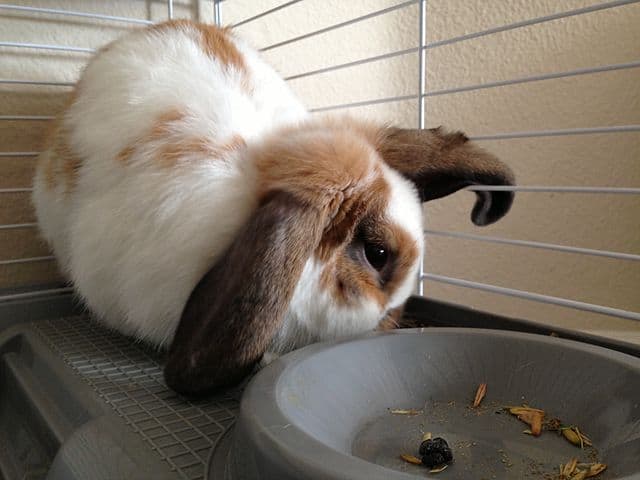
Pure vinegar is not toxic to rabbits, but no rabbit will voluntarily drink it straight. The acetic acid in vinegar produces a sharp smell that rabbits find repulsive. Gardeners actually use vinegar as a natural rabbit repellent for exactly this reason.
However, rabbits will drink vinegar that has been diluted with water at the right ratio. Many breeders add apple cider vinegar to their rabbits' water supply as a daily supplement. The key is proper dilution: 1 tablespoon of raw, unfiltered apple cider vinegar per 1 gallon of water. At this concentration, most rabbits cannot detect the vinegar and drink normally.
If your rabbit accidentally drank some of the white vinegar and water solution you use for cage cleaning, do not panic. The dilution used for cleaning (typically 1 part vinegar to 1 part water) is still not concentrated enough to cause harm. Just monitor your rabbit's behavior, droppings, and appetite for the next 24 hours.
What Happens If a Rabbit Drinks Vinegar?
If your rabbit drinks a small amount of diluted vinegar, nothing harmful will happen. Vinegar passes through the digestive system without causing damage at normal dilutions. Here is what to expect depending on the concentration:
| Concentration | What Happens | Action Needed |
|---|---|---|
| 1 tbsp ACV per gallon of water | No noticeable effect. Rabbit drinks normally. | None. This is the standard breeder ratio. |
| Cleaning solution (1:1 vinegar to water) | Rabbit may drink a few laps then stop. No health effects from small amounts. | Monitor for 24 hours. Offer fresh plain water. |
| Undiluted vinegar | Rabbit will likely refuse to drink. If forced, could irritate the mouth and stomach lining. | Never offer undiluted vinegar. If ingested, offer fresh water and contact your vet. |
The biggest concern with vinegar is not toxicity but reduced water intake. If your rabbit dislikes the taste or smell, they may stop drinking altogether. Rabbits can die without water in as little as 24 hours, so any additive that discourages drinking is a serious risk.
Is Apple Cider Vinegar Good for Rabbits?
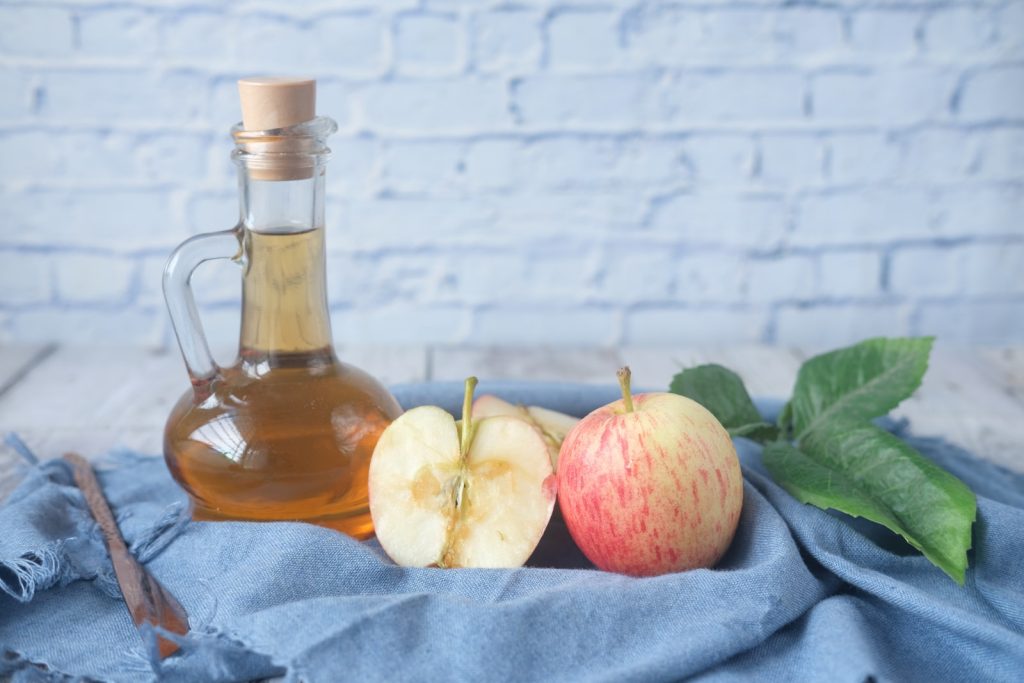
Apple cider vinegar has been used in rabbitries for decades. Many breeders, particularly those raising meat and show rabbits, add ACV to their herd's water supply and report positive results. While scientific studies on ACV specifically in rabbits are limited, the practice is widespread enough that it is worth understanding what breeders claim and what the actual evidence supports.
Claimed Benefits of ACV for Rabbits
Breeders who use apple cider vinegar regularly report the following benefits:
- Improved fur quality. Many breeders notice shinier, softer coats after adding ACV to the water. This is likely related to better mineral absorption rather than the vinegar itself.
- Urinary tract health. ACV is slightly acidic, and some breeders believe it helps prevent calcium sludge buildup in the urinary tract. Rabbits excrete excess calcium through urine, which can cause thick, chalky deposits over time.
- Immune support. Raw, unfiltered ACV contains the "mother," a colony of beneficial bacteria. Some breeders claim their rabbits get sick less often when ACV is in the water.
- Reduced water algae. The acidity of ACV slows algae growth in water crocks and bottles, which helps keep the water supply cleaner for longer.
- Parasite resistance. Some breeders report fewer issues with fur mites and intestinal parasites in herds that receive ACV supplementation.
What the Evidence Actually Shows
Most of these claims come from anecdotal breeder experience rather than controlled studies. A 2021 study published in the Journal of Animal Science found that organic acid supplementation in livestock feed can improve gut health and nutrient absorption, which supports some of the general claims about ACV. However, no peer-reviewed study has specifically tested ACV as a water additive in rabbits at the 1 tablespoon per gallon ratio breeders use.
In our experience, the benefit that is easiest to verify is reduced algae growth in water containers. The other benefits are harder to isolate because breeders who use ACV also tend to have good overall husbandry practices.
How to Dilute Apple Cider Vinegar for Rabbits
If you want to try ACV for your rabbits, the correct dilution is critical. Too much vinegar will make the water taste unpleasant and your rabbit will stop drinking.
Recommended Dilution Ratio
| Water Amount | ACV Amount | Notes |
|---|---|---|
| 1 gallon (3.8 liters) | 1 tablespoon (15 ml) | Standard breeder ratio. Most rabbits accept this without hesitation. |
| 1 liter | 1 teaspoon (5 ml) | Approximate conversion for smaller water containers. |
| 32 oz water bottle | 1/2 teaspoon (2.5 ml) | For standard cage-mounted water bottles. |
Step-by-Step Instructions
- Use raw, unfiltered apple cider vinegar. Look for ACV that contains the "mother" (the cloudy sediment at the bottom). Filtered, clear ACV has been pasteurized and lacks the beneficial bacteria.
- Measure carefully. Use an actual measuring spoon, not a rough pour. Even a small excess can change the taste enough that your rabbit refuses to drink.
- Add ACV to fresh water. Do not add vinegar to water that has been sitting for hours. Start with a clean container and fresh water every time.
- Introduce gradually. If your rabbit has never had ACV water before, start with half the recommended amount for the first week. This lets them adjust to the subtle taste change.
- Monitor water consumption. Watch your rabbit's water intake for the first few days. If they are drinking less than usual, reduce the ACV amount or stop entirely.
Important: never use white vinegar as a water additive. White vinegar is for cleaning only. Apple cider vinegar is the only type suitable for adding to drinking water.
What Are the Risks of Giving Rabbits Vinegar?
While diluted ACV is generally safe, there are real risks that breeders should understand before adding it to their rabbits' water:
Reduced Water Intake
This is the most common and most dangerous risk. If your rabbit dislikes the vinegar taste, they will drink less water or stop drinking entirely. Rabbits are extremely sensitive to taste changes in their water. A rabbit that becomes dehydrated can develop GI stasis within hours, which can be fatal.
Always provide a second water source without vinegar when you first introduce ACV. This ensures your rabbit has access to plain water if they reject the ACV mixture.
Dental Enamel Erosion
Vinegar is acidic (pH 2 to 3 for undiluted ACV). At the recommended dilution of 1 tablespoon per gallon, the acidity is minimal and unlikely to cause dental issues. However, stronger concentrations used over long periods could potentially affect tooth enamel. Rabbits' teeth grow continuously, so this is less of a concern than it would be in humans, but it is still worth noting.
GI Upset in Sensitive Rabbits
Some rabbits have more sensitive digestive systems than others. If your rabbit produces soft cecotropes, loose droppings, or shows reduced appetite after starting ACV, discontinue use immediately. The vinegar may be disrupting their gut bacteria balance.
Interaction with Medications
If your rabbit is currently on antibiotics or other medications, consult your veterinarian before adding ACV to their water. The acidity could potentially interact with certain drugs or alter their absorption rate.
Can You Use Vinegar to Clean Rabbit Cages?
Yes, and it is one of the best cleaning solutions you can use. White vinegar diluted with water is safe, effective, and leaves no harmful residue that could hurt your rabbit if they lick the cage surfaces after cleaning.
Why Vinegar Is Better Than Chemical Cleaners
Commercial cleaning products often contain bleach, ammonia, or other chemicals that produce fumes. These fumes are dangerous for rabbits because their respiratory systems are extremely sensitive. Even after rinsing, chemical residue can remain on surfaces. Vinegar evaporates cleanly and leaves no toxic residue behind.
How to Clean a Rabbit Cage with Vinegar
- Remove your rabbit from the cage and place them in a safe, secure area.
- Remove all bedding, hay, food bowls, and water containers.
- Mix equal parts white vinegar and warm water in a spray bottle.
- Spray all cage surfaces, including wire floors, plastic trays, and cage bars.
- Let the solution sit for 5 to 10 minutes to break down urine scale and mineral deposits.
- Scrub stubborn urine stains with a brush. The vinegar dissolves the calcium deposits that cause white crusty buildup.
- Rinse all surfaces with clean water.
- Allow the cage to air dry completely before returning your rabbit.
For persistent cage odors, you can soak removable cage parts in undiluted white vinegar for 30 minutes before scrubbing. This is particularly effective for litter box trays that have built-up urine scale.
Does Vinegar Repel Rabbits?
Yes. Vinegar is an effective natural rabbit repellent and is commonly used by gardeners to protect plants from wild rabbits. The strong acetic acid smell overwhelms a rabbit's sensitive nose and drives them away from treated areas.
To use vinegar as a rabbit repellent:
- Soak cotton balls in white vinegar and place them around garden beds
- Spray a vinegar and water solution (1:1 ratio) along fence lines and garden borders
- Reapply after rain, as the scent fades quickly when diluted by water
This is only relevant for outdoor or wild rabbits. Do not spray vinegar near your pet rabbit's living area as a deterrent. The strong smell will cause stress and could discourage them from eating, drinking, or using their litter box.
Which Type of Vinegar Is Safe for Rabbits?
Different types of vinegar serve different purposes when it comes to rabbits. Here is a quick reference:
| Vinegar Type | Safe for Rabbits? | Best Use |
|---|---|---|
| Raw apple cider vinegar (with mother) | Yes, when diluted | Water additive (1 tbsp per gallon) |
| Filtered apple cider vinegar | Yes, when diluted | Water additive (less beneficial than raw) |
| White distilled vinegar | Yes, for cleaning | Cage cleaning only. Do not add to drinking water. |
| Balsamic vinegar | Not recommended | Contains added sugars. Do not use for rabbits. |
| Red or white wine vinegar | Not recommended | May contain sulfites. Stick to ACV or white vinegar. |
The only two types you should ever use around rabbits are raw apple cider vinegar (for water) and plain white distilled vinegar (for cleaning).
Frequently Asked Questions
How much apple cider vinegar should I add to my rabbit's water?
Add 1 tablespoon of raw, unfiltered apple cider vinegar per gallon of fresh water. For smaller containers, use 1 teaspoon per liter. Start with half this amount for the first week so your rabbit can adjust to the taste gradually.
Can vinegar cure a rabbit urinary tract infection?
No. Apple cider vinegar cannot cure a UTI or any other infection. Some breeders use it as a preventive measure to reduce calcium buildup, but if your rabbit has blood in their urine, is straining to urinate, or shows signs of pain, they need veterinary treatment with appropriate antibiotics.
Will my rabbit stop drinking water if I add vinegar?
Some rabbits refuse water with vinegar, which is why proper dilution matters. At 1 tablespoon per gallon, most rabbits drink normally. Always keep a second water source without vinegar available when first introducing ACV so your rabbit does not become dehydrated.
Is white vinegar or apple cider vinegar better for cleaning rabbit cages?
White distilled vinegar is better for cleaning because it is cheaper, has no color that could stain surfaces, and dissolves urine scale effectively. Apple cider vinegar works for cleaning but is more expensive and unnecessary when white vinegar does the job.
Can baby rabbits have apple cider vinegar in their water?
Wait until rabbits are at least 12 weeks old before introducing ACV in their water. Young kits have developing digestive systems and are more sensitive to dietary changes. Start with half the adult dilution ratio and monitor their droppings closely for any changes.
Cite this article:
BunnySync (February 21, 2026) Can Rabbits Drink Vinegar?. Retrieved from https://bunnysync.com/blog/can-rabbits-drink-vinegar.
"Can Rabbits Drink Vinegar?." BunnySync - February 21, 2026, https://bunnysync.com/blog/can-rabbits-drink-vinegar