Rabbits headbutt and nudge their owners as a form of communication. When your rabbit pushes their head against you, they are typically asking for attention, telling you to move, or expressing affection and trust. Unlike cats and dogs that vocalize their needs, rabbits rely almost entirely on body language to communicate with their humans. Understanding what your rabbit's headbutting means is key to building a stronger bond with your pet.
As breeders who have worked with dozens of rabbits over the years, we see headbutting behavior daily. It is one of the most common and endearing ways rabbits interact with their owners. The good news is that headbutting is almost always a positive sign. It means your rabbit is comfortable enough around you to initiate physical contact, which is a big deal for a prey animal that instinctively avoids close encounters.
What Does It Mean When a Rabbit Headbutts You?
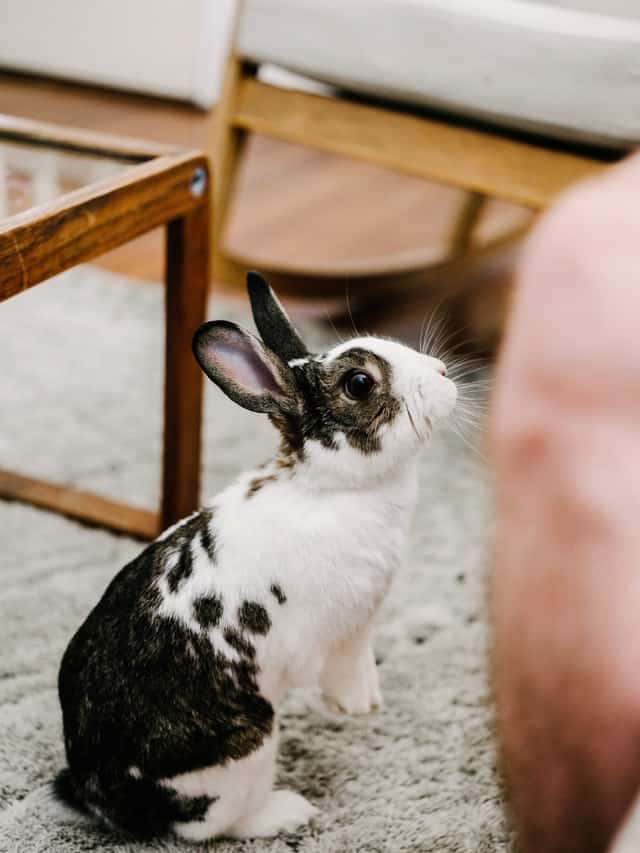
Rabbit headbutting, also called nudging or bunting, is a deliberate behavior where your rabbit presses or pushes their head against you, your hand, your leg, or even your face. It is not the same as an accidental bump. When a rabbit headbutts, they do it with clear intention and often look up at you afterward, waiting for a response.
This behavior has several distinct meanings depending on the context. The three most common reasons are: seeking attention or petting, asking you to move out of the way, and expressing affection. Let's break down each one so you can accurately interpret what your rabbit is telling you.
Your Rabbit Wants More Petting and Attention
The most common reason a rabbit headbutts their owner is to ask for petting, scratching, or general attention. Rabbits are social creatures that crave interaction and physical affection from their bonded humans. When they nudge you with their head, they are essentially saying, "Hey, pet me!"
This is especially common in rabbits that have been well-socialized. A rabbit that has learned that nudging leads to head scratches and behind-the-ear rubs will repeat this behavior consistently. You might notice your rabbit nudging your hand when you stop petting them, or pushing against your leg while you sit on the floor during playtime.
How to Respond to Attention-Seeking Headbutts
When your rabbit nudges you for attention, the best response is to immediately reward the behavior by petting them. Focus on their favorite spots: most rabbits love being stroked between the ears, along the cheeks, and down the bridge of their nose. Some rabbits also enjoy gentle strokes along their back.
Here is why your response matters: rabbits learn through positive reinforcement. If nudging consistently leads to pets and attention, your rabbit will continue using this polite method of communication. If you ignore the nudge, some rabbits may escalate to nipping or biting to get your attention, which is a much harder habit to break.
| Rabbit Behavior | What It Means | Best Response |
|---|---|---|
| Gentle nose nudge | Wants petting | Pet them immediately |
| Repeated head push | Wants more attention | Spend quality time |
| Nudge followed by chinning | Claiming you as theirs | Let them mark you |
| Nudge then flop | Wants to cuddle | Sit with them quietly |
| Nudge then nip | Frustrated by being ignored | Pet before the nip stage |
Attention-Seeking Headbutts vs. Demanding Behavior
There is an important distinction between a rabbit that politely nudges for attention and one that has become demanding. A polite nudge is gentle, and the rabbit waits patiently after nudging. A demanding rabbit may nudge hard, grunt, or immediately start biting if you don't respond fast enough.
If your rabbit has become demanding, you need to set boundaries. Do not reward aggressive nudging or biting. Wait for a calm moment, then pet your rabbit. Over time, they will learn that calm behavior gets attention while aggressive behavior does not. Consistency is critical here. If even one family member rewards the demanding behavior, your rabbit will keep doing it.
Your Rabbit Wants You to Move Out of the Way

Rabbits are naturally curious explorers. They have specific routes they like to patrol, favorite hiding spots, and areas they consider their territory. If you happen to be sitting, standing, or lying in the path of where your rabbit wants to go, they will headbutt you to tell you to move.
This type of headbutt tends to be firmer and more insistent than an affection nudge. Your rabbit may push against your leg, foot, or arm with noticeable pressure. Some rabbits will circle around you first, looking for an alternative route, and only resort to nudging when they can't find one.
Why Rabbits Get Territorial About Their Space
Rabbits are territorial animals by nature. In the wild, they establish and defend specific areas within their warren. Domestic rabbits carry this same instinct. They view their living space, play area, and exercise zone as their territory, and they expect to move freely through it.
This territorial behavior is especially noticeable during free-roam time or exercise periods. Your rabbit has mapped out their environment mentally and knows exactly where they want to go. When you block their path, the headbutt is their way of politely asking you to step aside before they take more drastic measures, like running between your legs or jumping over you.
How to Handle "Move It" Headbutts
The best approach is simply to move when your rabbit asks. There is no benefit to blocking your rabbit's path, and doing so repeatedly can cause stress and frustration. If your rabbit regularly needs to get past a certain spot, consider rearranging your furniture or sitting position to give them clear access to their preferred routes.
That said, if your rabbit is trying to access a dangerous area (behind the TV with electrical cords, for example), you should redirect them rather than simply moving. Offer a treat or toy in a safe area to draw their attention away from the off-limits zone.
Your Rabbit Is Expressing Affection and Trust
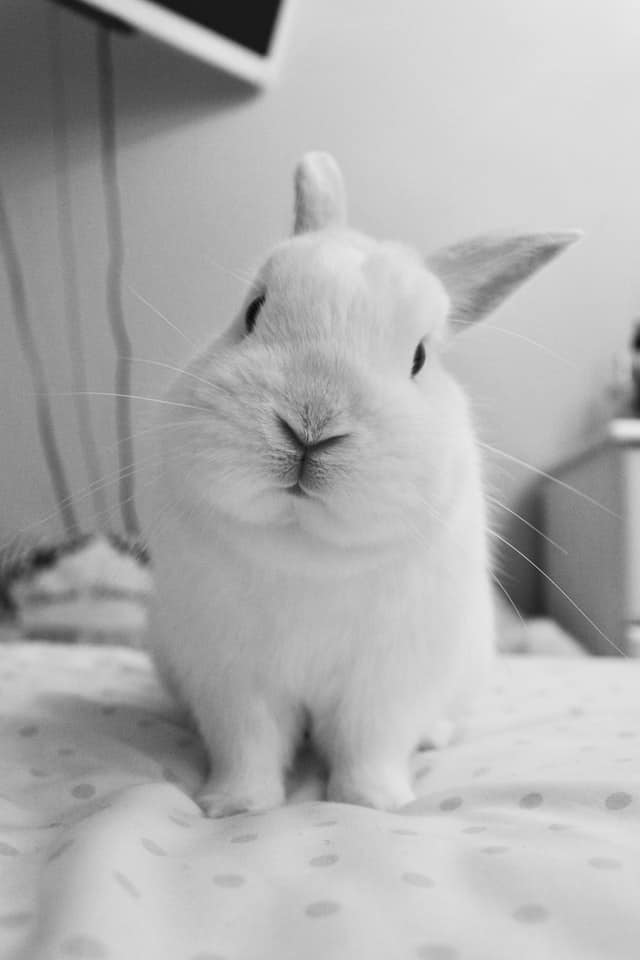
Perhaps the most heartwarming reason for rabbit headbutting is pure affection. When a rabbit gently presses their head against you without any apparent need for petting or path-clearing, they are telling you, "I love you and I trust you." This is one of the clearest signs that your rabbit has bonded with you deeply.
Rabbits are prey animals with a strong survival instinct. For a rabbit to voluntarily press their head against you, they must feel completely safe in your presence. This level of trust takes time to build, especially with shy or rescue rabbits. If your rabbit headbutts you affectionately, you should feel proud that you have earned their trust.
Affectionate Headbutting vs. Other Types
You can distinguish affectionate headbutting from other types by the accompanying body language. An affectionate rabbit will often:
- Approach you slowly and calmly
- Press their head gently against you and stay there
- Close or half-close their eyes
- Follow the headbutt with licking your hand or arm
- Grind their teeth softly (tooth purring, a sign of contentment)
- Flop down next to you afterward
This is different from a rabbit that nudges quickly and then looks up expectantly (wanting food or pets) or one that pushes firmly and moves forward (wanting you to move).
Building More Affectionate Behavior
If you want your rabbit to headbutt you more often as a sign of affection, focus on strengthening your bond. Spend time sitting quietly at their level on the floor. Let them come to you on their own terms. Offer treats from your hand. Avoid picking them up suddenly or making loud noises around them. Over time, as trust builds, the affectionate nudges will become more frequent.
Rabbits that experience positive emotions regularly are more likely to display affectionate behaviors. Providing enrichment, a proper diet, companionship, and a safe living environment all contribute to a happier rabbit that wants to interact with you.
Other Reasons Your Rabbit Might Headbutt You
While the three reasons above cover the vast majority of headbutting behavior, there are a few less common explanations worth knowing about.
Scent Marking (Chinning)
Rabbits have scent glands under their chin. When they rub their chin on objects, surfaces, or people, they are marking them with their scent. Sometimes this chinning behavior looks very similar to headbutting. If your rabbit pushes their chin (not the top of their head) against you and rubs it back and forth, they are claiming you as part of their territory. This is actually a compliment. Your rabbit considers you important enough to mark as "theirs."
Hunger or Asking for Food
Some rabbits learn that nudging their owner leads to treats or meals. If your rabbit headbutts you around their regular feeding time, they may simply be reminding you that dinner is late. Rabbits have surprisingly accurate internal clocks and will let you know when it is time to eat.
Boredom and Need for Stimulation
A rabbit that headbutts you repeatedly throughout the day may be bored and looking for stimulation. This is common in single rabbits without a bonded companion. If your rabbit seems to nudge you excessively, consider whether they are getting enough exercise, enrichment, and social interaction. You might want to think about getting a second rabbit for companionship.
Hormonal Behavior
Unspayed or unneutered rabbits may headbutt more frequently due to hormonal influences. This is especially true during mating season or when a rabbit reaches sexual maturity around 3 to 6 months of age. Spaying or neutering your rabbit can reduce hormone-driven behaviors, including excessive nudging, circling, and territorial aggression.
When Headbutting Is a Cause for Concern
In most cases, headbutting is completely normal and healthy behavior. However, there are a few situations where it might signal a problem:
- Head pressing (not headbutting): If your rabbit is pressing their head firmly against a wall or hard surface for extended periods, this is a medical emergency. Head pressing can indicate neurological issues, E. cuniculi infection, or inner ear disease. Contact your rabbit-savvy veterinarian immediately.
- Aggressive headbutting: If the headbutt is accompanied by grunting, boxing with the front paws, or biting, your rabbit may be displaying aggression rather than communication. This can be caused by hormones, territorial behavior, pain, or stress.
- Sudden change in behavior: If a rabbit that never headbutted before suddenly starts doing it excessively, or if a formerly gentle rabbit becomes rough and aggressive with their nudging, it is worth a vet check. Pain and illness can change a rabbit's behavior.
How to Understand Your Rabbit's Body Language Better
Headbutting is just one piece of the rabbit communication puzzle. To truly understand your rabbit, you need to learn their full body language vocabulary. Here are some common signals and what they mean:
| Body Language | Meaning |
|---|---|
| Binkying (jumping and twisting mid-air) | Pure joy and excitement |
| Thumping hind feet | Warning of danger or showing displeasure |
| Flopping on their side | Relaxed and content |
| Ears pinned flat back | Scared, angry, or submissive |
| Standing on hind legs (periscoping) | Curious, surveying the environment |
| Tooth grinding (soft) | Content and relaxed (like purring) |
| Tooth grinding (loud) | In pain, needs vet attention |
| Nose wiggling fast | Interested, excited, or sniffing |
| Licking you | Grooming you, showing love |
| Circling your feet | Courting behavior or excitement |
Learning to read these signals alongside headbutting will give you a much more complete picture of what your rabbit is feeling and what they need from you.
Tips for Responding to Your Rabbit's Headbutts
How you respond to your rabbit's headbutting behavior directly shapes your relationship. Here are some practical tips from our experience as breeders:
- Always acknowledge the nudge. Even if you can't pet your rabbit right away, a gentle word or quick head scratch shows them that their communication is being received.
- Never punish headbutting. This is normal, healthy communication. Punishing it will confuse your rabbit and damage your bond.
- Reward gentle nudges over aggressive ones. If your rabbit learns that gentle communication works, they won't need to escalate to biting or thumping.
- Pay attention to context. Is it feeding time? Are you blocking their path? Did you just sit down for the first time today? The context tells you which type of headbutt it is.
- Get on their level. Sitting on the floor puts you at your rabbit's level and makes it easier for them to communicate with you through nudges and headbutts.
- Be consistent. Respond the same way each time so your rabbit knows what to expect.
Frequently Asked Questions
Is rabbit headbutting a sign of aggression?
No, rabbit headbutting is almost never aggressive. It is a form of communication used to request petting, ask you to move, or express affection. If the headbutt is accompanied by grunting, biting, or lunging, that is aggression, which is a separate behavior often caused by hormones, pain, or territorial stress.
Why does my rabbit nudge me and then run away?
Your rabbit is inviting you to play. This "nudge and run" behavior is a game where your rabbit wants you to follow them or chase them gently. It is a sign that your rabbit is playful, happy, and comfortable with you. Try slowly following them to see where they lead you.
Should I headbutt my rabbit back?
You can gently press your forehead against your rabbit's head as a bonding gesture, similar to how bonded rabbits press their heads together during mutual grooming sessions. Keep it gentle and watch your rabbit's reaction. If they stay relaxed and lean into it, they enjoy it. If they pull away, respect their space.
Why does my rabbit only headbutt me and not other family members?
Your rabbit has likely bonded most strongly with you. Rabbits often choose one primary person they trust the most and will direct most of their communication toward that person. Other family members can build their own bond by spending more one-on-one time with the rabbit at floor level.
At what age do rabbits start headbutting?
Rabbits can begin nudging and headbutting as early as 8 to 12 weeks old, though the behavior becomes more deliberate and communicative as they mature. Young kits may nudge instinctively when seeking warmth or milk from their mother. By 4 to 6 months, most rabbits have developed a clear headbutting communication style with their owners.
Cite this article:
Cite this article:
BunnySync (March 11, 2026) Why Does My Rabbit Headbutt Me? 5 Reasons and What They Mean. Retrieved from https://bunnysync.com/blog/why-does-my-rabbit-headbutt-me.
"Why Does My Rabbit Headbutt Me? 5 Reasons and What They Mean." BunnySync - March 11, 2026, https://bunnysync.com/blog/why-does-my-rabbit-headbutt-me
Sources and Further reading
- Buseth, Marit Emilie., and Richard A. Saunders. Rabbit Behaviour, Health, and Care. CABI, 2014.
- Patry, Karen, et al. The Rabbit-Raising Problem Solver: Your Questions Answered about Housing, Feeding, Behavior, Health Care, Breeding, and Kindling. Storey Publishing, 2014.
- McBride, Anne. Why Does My Rabbit...? Souvenir Press, 2011.