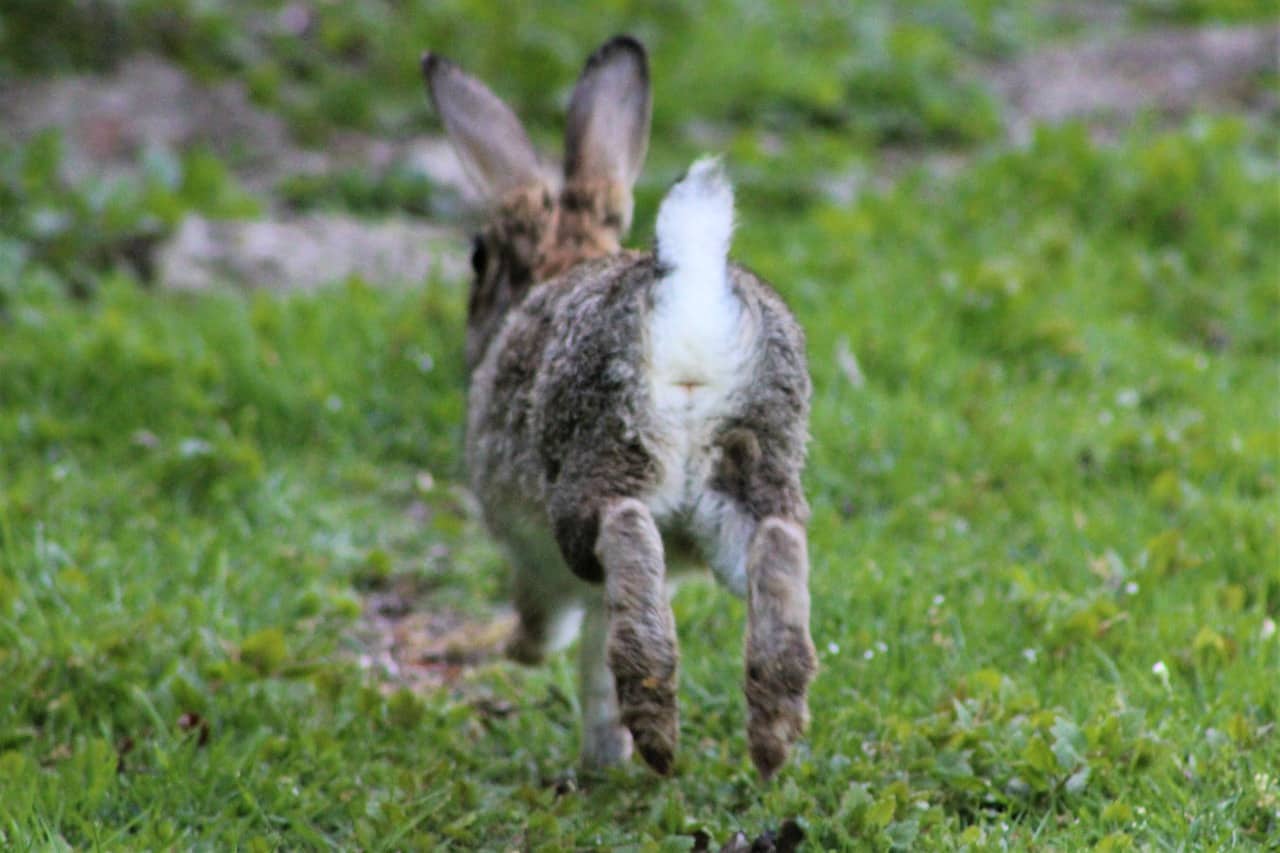
If your rabbit is biting you all of a sudden, the most likely causes are hormonal changes, pain, stress, territorial behavior, or a lack of trust. Sudden biting in rabbits almost always has a specific trigger, and once you identify it, you can take steps to stop it. As breeders, we see this behavior regularly, especially in unneutered rabbits or does protecting their kits.
Rabbits are prey animals with strong survival instincts. When something changes in their environment, health, or hormonal state, biting can be their only way to communicate discomfort. Below, we break down the eight most common reasons your rabbit started biting and exactly what to do about each one.
What Are the Most Common Reasons a Rabbit Starts Biting Suddenly?
Sudden biting is rarely random. In our experience breeding rabbits for over a decade, the cause almost always falls into one of these eight categories. Understanding which one applies to your rabbit is the first step toward fixing the behavior.
1. Your Rabbit Is in Pain or Injured

A rabbit that is hurting will bite when you touch the affected area, even if they have never bitten you before. This is a reflex response, not aggression. If your previously gentle rabbit suddenly snaps when you pick them up or pet a specific spot, pain should be your first suspicion.
Look for these accompanying symptoms that confirm pain or injury:
- Loss of appetite or refusal to eat pellets or hay
- Rapid, shallow breathing
- Loud tooth grinding (different from the soft purring grind of contentment)
- Hunched posture or reluctance to move
- High-pitched squealing when touched
You can also do a basic physical check at home. Gently examine your rabbit's body for these signs:
- Check all four legs for limping or swelling
- Look for open wounds, scabs, or fur loss
- Inspect the ears for mites, redness, or crusty discharge
- Feel the abdomen gently for bloating or hardness
- Watch where your rabbit licks or scratches repeatedly, as that area likely has an issue
If you find anything abnormal, or if your rabbit's biting came on suddenly with no obvious behavioral cause, schedule a vet visit. According to the House Rabbit Society, rabbits are skilled at hiding pain, so by the time they are biting in response to touch, the issue may have been building for days.
2. Your Rabbit Is Defending Itself
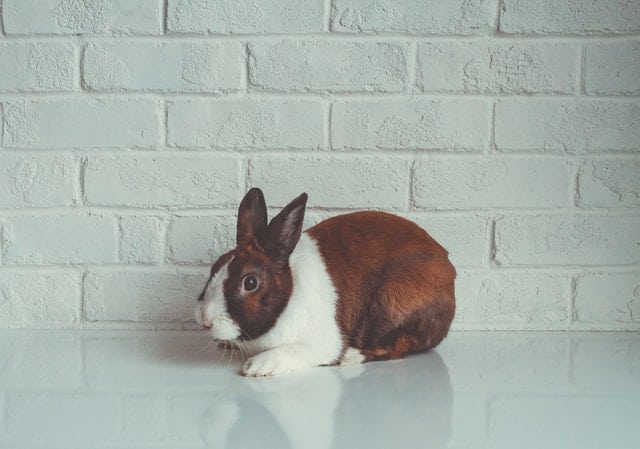
Defensive biting is common in rabbits that do not fully trust their owner yet. This happens most often with newly adopted rabbits, rescues, or rabbits that have not been handled much. A rabbit that is suddenly scared of you may resort to biting as a last line of defense.
Defensive biting usually comes with clear warning signs first:
- Lunging or charging toward your hand
- Grunting or growling sounds
- Boxing with the front paws
- Ears pinned flat against the body
- Thumping before or after the bite
If your rabbit shows these signs, do not reach into their space. Instead, sit on the floor near their enclosure and let them approach you on their terms. Offer treats from an open palm. Over time (usually 1 to 4 weeks), most rabbits will learn that your hand means food and safety, not danger.
It is also possible you simply startled your rabbit. Approaching from above or behind triggers their prey instinct. Always approach from the front at their eye level and speak softly before reaching in.
3. Your Rabbit Is Guarding Its Food

Food aggression is a deeply rooted instinct in rabbits. In the wild, rabbits compete for limited food sources, and this behavior carries over into domesticated rabbits, even well-fed ones. If your rabbit bites you when you reach near their food bowl or hay rack, food guarding is the likely cause.
Here is how to correct food aggression:
- Hand-feed treats daily. This teaches your rabbit that your hand is a food source, not a competitor. Use long leafy greens like cilantro or parsley so your fingers stay clear.
- Ensure unlimited hay access. Rabbits that always have enough hay available are less likely to guard food out of hunger anxiety.
- Scatter feed instead of bowl feeding. Spreading pellets around their enclosure eliminates the single food location they feel they need to defend.
- Add a second food station. If you have the space, placing hay and pellets in two spots reduces territorial guarding behavior.
4. Your Rabbit Is Asserting Dominance

Unneutered rabbits that reach sexual maturity (typically around 4 to 6 months of age) often start biting as a way to establish dominance. Their hormone levels surge during this period, making them more territorial and confrontational.
Signs that dominance is the cause of biting include:
- Biting combined with circling your feet
- Spraying urine on you or near you
- Mounting your arm, foot, or other objects
- Chinning everything in sight (marking territory with scent glands)
- Grunting when you enter their space
The most effective solution is spaying or neutering. Most veterinarians can safely perform the procedure once your rabbit reaches 4 months of age. After the surgery, it takes 4 to 8 weeks for hormones to fully leave the system, so give it time. In our breeding experience, neutering reduces or eliminates dominance-related biting in about 80% to 90% of cases.
5. Your Rabbit Is Protecting Its Territory or Kits
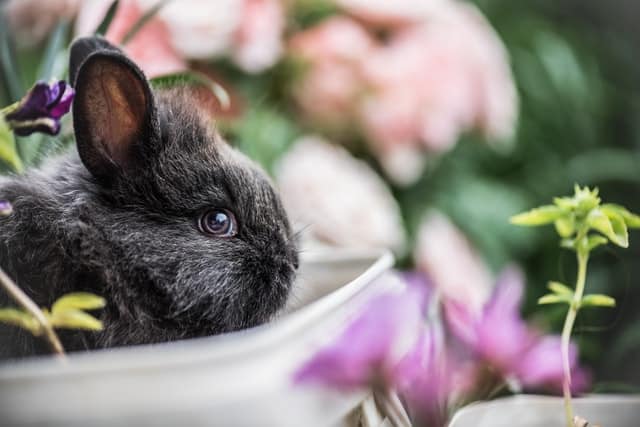
Pregnant and nursing does are some of the most aggressive rabbits you will encounter. This is completely normal maternal behavior. Their instinct to protect their newborn kits overrides any bond they have with you, and even the friendliest doe can become a biter during this phase.
Territorial aggression around kits typically follows this timeline:
| Stage | Timeframe | Aggression Level |
|---|---|---|
| Nest building | 1 to 3 days before kindling | Moderate to high |
| First week after birth | Days 1 to 7 | Highest |
| Nursing phase | Weeks 2 to 4 | Moderate, gradually decreasing |
| Weaning | Weeks 4 to 8 | Low, returning to normal |
During this period, limit your interactions to feeding, watering, and quick nest checks. Do not try to force bonding. The aggression will subside naturally as the kits grow and become more independent.
6. Your Rabbit Was Abused or Neglected in the Past

Adopted and rescue rabbits frequently carry trauma from previous homes. A rabbit that was mishandled, housed in poor conditions, or rarely socialized will default to biting because they learned that humans are a threat.
If you suspect past abuse or neglect, follow this step-by-step rehabilitation approach:
- Give your rabbit at least a full week to settle into their new environment without attempting to handle them.
- Sit on the floor near their enclosure for 15 to 20 minutes daily. Read a book or use your phone. Let them observe you without pressure.
- Offer long treats (a sprig of parsley, a piece of romaine lettuce) through the cage bars so they associate your scent with food.
- Once they approach you willingly, let them sniff your hand. Do not reach for them.
- After they are comfortable with your hand, begin gentle pets on the forehead and behind the ears only. Avoid the belly, chin, and feet.
- Progress to short handling sessions of 1 to 2 minutes, always ending on a positive note with a treat.
This process can take anywhere from 2 weeks to 3 months depending on the severity of the trauma. Patience is everything. Learning to calm down a scared rabbit is one of the most important skills for any rabbit owner dealing with a rescue.
7. Your Rabbit Is Not Spayed or Neutered

This deserves its own section because it is the single most common and most fixable cause of sudden biting. When rabbits hit puberty (3.5 to 6 months depending on breed), their hormones spike dramatically. Both bucks and does become more aggressive, but the behaviors manifest differently.
Hormonal behaviors in unneutered rabbits include:
- Bucks: Spraying, mounting, biting, circling your feet, grunting
- Does: Territorial lunging, nesting behavior, mood swings, biting when you enter their space
Spaying or neutering resolves these issues in the vast majority of cases. The RSPCA recommends neutering rabbits not only for behavioral improvement but also because it prevents uterine cancer in does, which affects up to 80% of unspayed females over age 4.
8. Your Rabbit Is Stressed
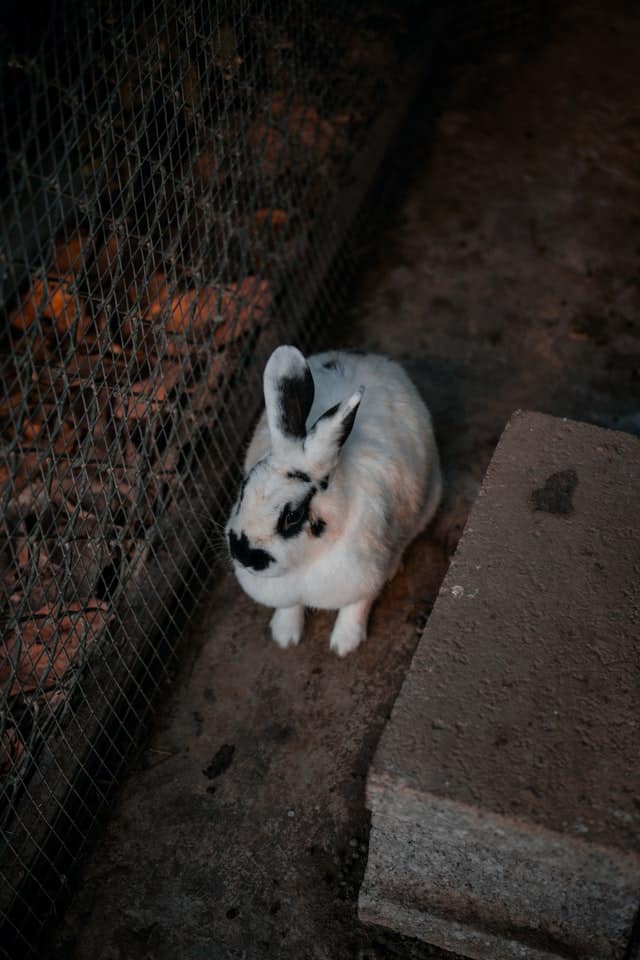
Stressed rabbits often become biters. Stress in rabbits is usually caused by environmental factors that owners can control. If your rabbit's biting started after a change in their living situation, stress is the likely culprit.
Common stress triggers that lead to biting:
- Enclosure too small: Rabbits need a minimum of 4 times their body length in living space. For a medium-sized rabbit, that means at least 12 square feet.
- Lack of exercise: Rabbits need at least 3 to 4 hours of free-roam time daily outside their enclosure.
- Loneliness: Rabbits are social animals. A single rabbit with limited human interaction will become stressed and potentially aggressive.
- Environmental changes: A new pet, moving to a new home, loud construction, or rearranging furniture can all trigger stress biting.
- Poor diet: Insufficient hay, too many sugary treats, or inconsistent feeding schedules contribute to stress.
Signs of stress to watch for alongside biting:
- Hiding more than usual
- Thumping frequently
- Flattened ears and tense body posture
- Loss of appetite
- Over-grooming or pulling out fur (outside of nesting behavior)
- Reduced nose twitching
How Do You Stop a Rabbit From Biting You?
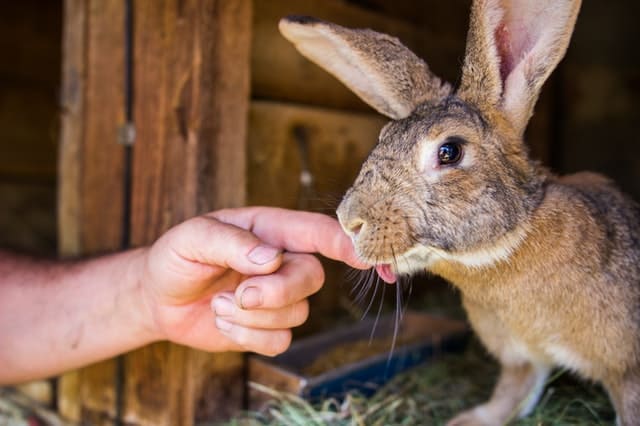
Stopping a rabbit from biting requires addressing the root cause, not just the behavior itself. Here is a practical approach based on the cause:
| Cause | Solution | Expected Timeline |
|---|---|---|
| Pain or injury | Vet visit immediately | Resolves once treated |
| Defensive behavior | Trust-building exercises, floor time | 1 to 4 weeks |
| Food aggression | Hand feeding, scatter feeding, unlimited hay | 2 to 3 weeks |
| Dominance | Spay or neuter | 4 to 8 weeks post-surgery |
| Protecting kits | Give space, minimal handling | Resolves after weaning |
| Past abuse | Slow rehabilitation, patience | 2 weeks to 3 months |
| Not neutered | Spay or neuter | 4 to 8 weeks post-surgery |
| Stress | Fix environmental issues, more space and enrichment | 1 to 2 weeks |
Regardless of the cause, never punish your rabbit for biting. Do not flick their nose, yell, or put them in "time out." Rabbits do not understand punishment, and it will only make them more afraid of you, which leads to more biting. Instead, calmly say "no" in a firm voice, withdraw your hand, and try again later.
What Is the Difference Between a Bite and a Nip?
Not all biting is aggressive. Rabbits communicate through nipping, and it is important to know the difference:
- Nipping: A gentle pinch that does not break the skin. Rabbits nip to get your attention, ask you to move, or show affection. This is normal and not a cause for concern.
- Biting: A hard, deliberate bite that may break the skin and draw blood. This indicates fear, pain, or aggression and needs to be addressed.
If your rabbit nips you gently while you are petting them, they may simply be telling you they have had enough. Respect that boundary. Understanding how rabbits show affection to humans helps you read these subtle signals.
Does Your Rabbit Biting You Mean It Hates You?

No. If you are providing proper care and not mistreating your rabbit, a bite does not mean your rabbit hates you. Rabbits bite out of instinct, not malice. They are prey animals that are wired to react first and think later.
In fact, many rabbits that bite their owners are actually the most bonded to them. Hormonal rabbits often target their primary caretaker specifically because they see that person as part of their social hierarchy. Once neutered or once the underlying issue is resolved, these same rabbits often become the most affectionate pets.
How Should You Treat a Rabbit Bite?
Most pet rabbit bites are minor and do not require medical attention. If your rabbit breaks the skin, follow these steps:
- Wash the wound thoroughly with warm water and antibacterial soap for at least 30 seconds.
- Apply an antibiotic ointment such as Neosporin.
- Cover with a clean bandage or adhesive strip.
- Monitor for signs of infection over the next 48 hours: increasing redness, swelling, warmth, or pus.
Rabbit bites very rarely transmit disease, but if the wound becomes infected or your rabbit is a wild or stray animal, seek medical attention. For more information on disease transmission from rabbits, read our guide on whether rabbits can carry rabies.
Frequently Asked Questions
Why does my rabbit bite me but no one else?
Your rabbit likely sees you as part of its social hierarchy and is asserting dominance over you specifically. This often happens when you are the primary caretaker who feeds and handles the rabbit most. It can also occur if you have done something the rabbit dislikes repeatedly, such as picking them up when they do not want to be held.
Why does my rabbit bite me when I try to pick it up?
Most rabbits dislike being lifted off the ground because it mimics being grabbed by a predator. If your rabbit only bites when you pick them up, the bite is a fear response. Try scooping them up with one hand under the chest and one supporting the hindquarters, and hold them close to your body for security.
Why does my rabbit bite my feet?
Foot biting is usually a communication signal, not aggression. Your rabbit is either telling you to move out of their path, trying to get your attention, or initiating play. Unneutered rabbits may also circle and nip at feet as part of courtship behavior.
Can rabbits be trained not to bite?
Yes. Consistent positive reinforcement works well with rabbits. Reward calm behavior with treats, redirect biting onto appropriate chew toys, and address the underlying cause (hormones, stress, fear). Most rabbits stop biting within 2 to 6 weeks once the root issue is resolved and trust is established.
At what age do rabbits start biting?
Hormonal biting typically begins between 3.5 and 6 months of age when rabbits reach sexual maturity. Smaller breeds tend to mature earlier. If your young rabbit suddenly starts biting around this age, hormones are almost certainly the cause, and spaying or neutering is the recommended solution.
Cite this article:
Cite this article:
BunnySync (March 7, 2026) Why Is My Rabbit Biting Me All Of A Sudden? 8 Causes and Solutions. Retrieved from https://bunnysync.com/blog/why-is-my-rabbit-biting-me-all-of-a-sudden.
"Why Is My Rabbit Biting Me All Of A Sudden? 8 Causes and Solutions." BunnySync - March 7, 2026, https://bunnysync.com/blog/why-is-my-rabbit-biting-me-all-of-a-sudden