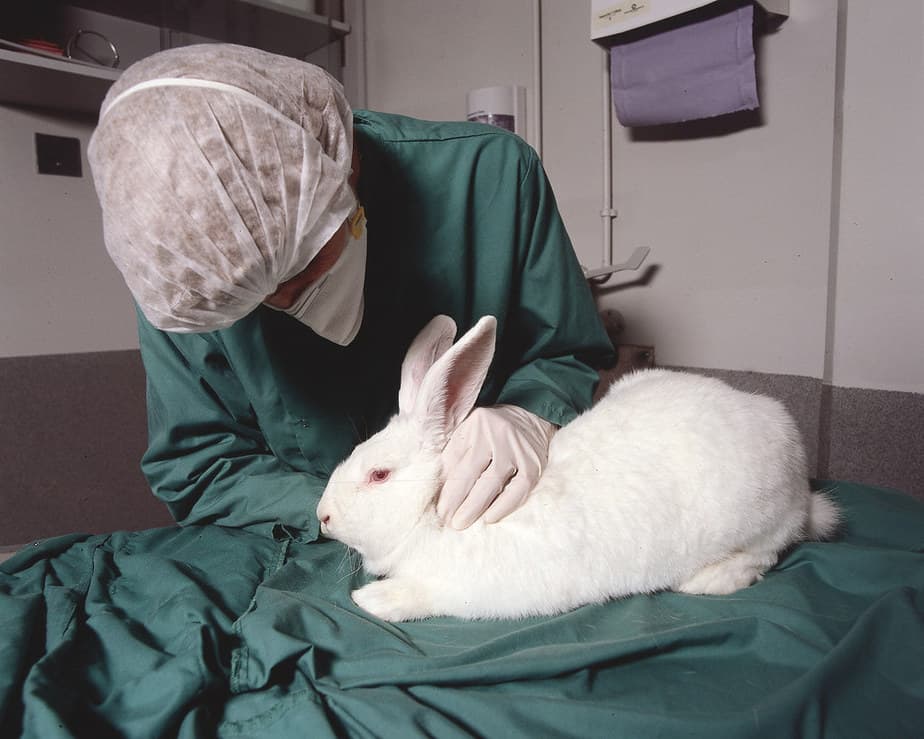
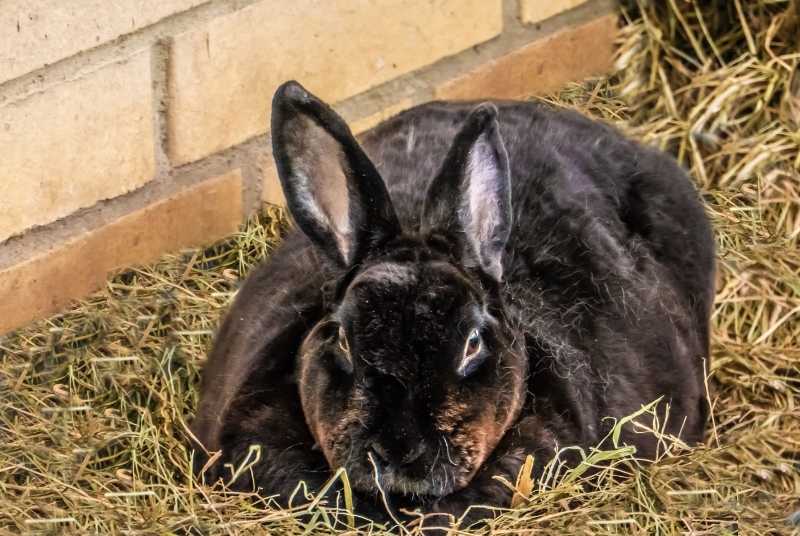
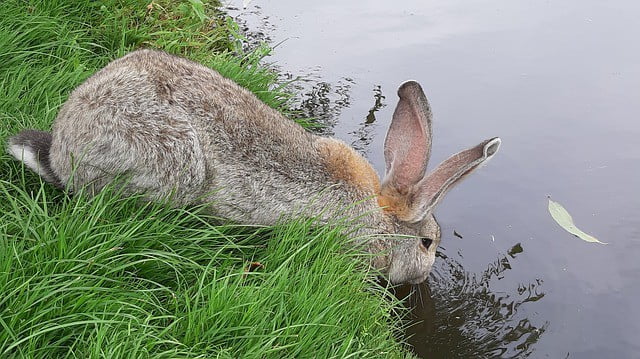
If your rabbit is suddenly sleeping a lot, the most common causes are pain, high temperatures, increased comfort in their environment, and aging. Rabbits naturally sleep around 11 hours per day, mostly during midday and late at night, so what looks like excessive sleep may actually be normal. However, if increased sleeping comes with other changes like loss of appetite, abnormal droppings, or reluctance to move, something more serious could be going on.
Understanding how long rabbits normally sleep is the first step in figuring out whether your rabbit's behavior is cause for concern. In this guide, we will break down every reason your rabbit might be sleeping more than usual, how to tell the difference between normal rest and dangerous lethargy, and exactly when you need to call your vet.
How Much Do Rabbits Normally Sleep?
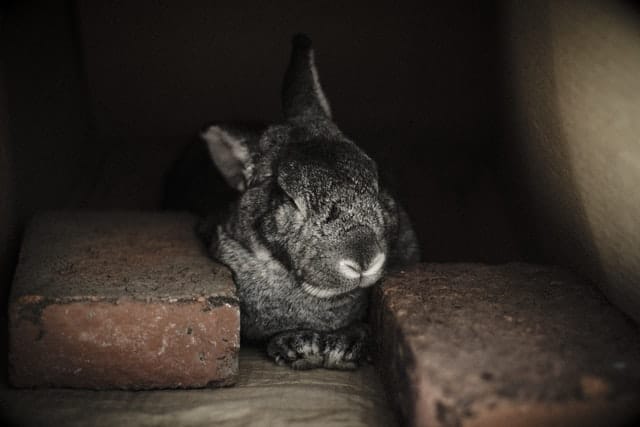
Before you can determine if your rabbit is sleeping too much, you need a baseline. According to a study published by the University of Ottawa, rabbits sleep an average of 11.4 hours per day. That is nearly half the day spent resting.
Rabbits are crepuscular animals, meaning they are most active at dawn and dusk. The bulk of their sleep happens during the middle of the day and in the late hours of the night. If you work a standard daytime schedule, you might only see your rabbit during its sleepiest hours and assume something is wrong when everything is perfectly normal.
Here is a rough breakdown of a typical rabbit's daily schedule:
| Time of Day | Activity Level |
|---|---|
| Early morning (5:00 - 8:00 AM) | High activity: eating, exploring, playing |
| Mid-morning to afternoon (9:00 AM - 4:00 PM) | Low activity: sleeping, resting, light grazing |
| Late afternoon to evening (4:00 - 9:00 PM) | High activity: eating, socializing, exercising |
| Late night (10:00 PM - 4:00 AM) | Mixed: periods of sleep and brief waking |
If your rabbit sleeps through most of the afternoon but perks up around dusk and dawn, that is textbook crepuscular behavior. It is not a problem. The concern starts when your rabbit sleeps through its normally active periods, especially dawn and dusk.
What Causes a Rabbit to Suddenly Sleep More Than Usual?
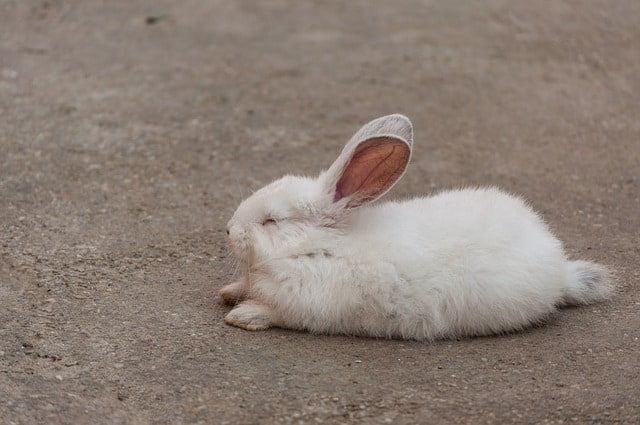
Several factors can cause your rabbit to sleep more than its baseline. Some are completely harmless, others require immediate veterinary attention. Let us go through each one.
1. Your Rabbit Has Become More Comfortable
This is the most common and most harmless reason. Rabbits that are new to your home will stay on high alert for weeks or even months. They sleep lightly, wake at every sound, and never fully relax. During this adjustment period, they may appear to sleep very little.
Once your rabbit feels safe, it finally lets its guard down. You will notice longer naps, deeper sleep (sometimes flopping on their side), and more relaxed body language overall. This can feel sudden, but it is actually a sign your rabbit trusts you and its environment.
If your rabbit has been with you for a few months and is now sleeping more but still eating, drinking, and producing normal droppings, there is a good chance it is simply comfortable. That is something to celebrate, not worry about.
New rabbits that seem stressed and restless during their first weeks will almost always go through this shift. It just takes time.
2. Pain or Illness
This is the cause that worries most rabbit owners, and rightfully so. Rabbits are prey animals, and they instinctively hide pain. A rabbit that is hurting will not cry or whimper. Instead, it will withdraw, become still, and sleep for extended periods to conserve energy.
Common conditions that cause rabbits to sleep excessively include:
- GI stasis: A slowdown or complete stop of the digestive system. This is one of the most common and dangerous rabbit health emergencies. A rabbit with GI stasis will stop eating, produce fewer or no droppings, and become lethargic.
- Dental problems: Overgrown molars or spurs can cause intense mouth pain, making it hard for rabbits to eat. The resulting discomfort and reduced nutrition leads to increased sleeping.
- Urinary tract infections: Pain during urination causes rabbits to become inactive and withdrawn.
- Arthritis: Especially common in older rabbits, joint pain makes movement uncomfortable, leading to more time spent lying down.
- E. cuniculi: A parasitic infection that affects the brain and kidneys, causing head tilt, loss of balance, and lethargy in advanced cases.
Look for these warning signs alongside increased sleeping:
- Loud teeth grinding (not to be confused with gentle tooth purring, which signals contentment)
- Rapid, shallow breathing
- Hunched posture with eyes half-closed
- Decreased or absent appetite
- Fewer or no fecal pellets
- Increased or decreased grooming (pulling fur or neglecting grooming entirely)
- Pressing their belly to cool surfaces (can indicate abdominal pain)
- Reluctance to move even when offered favorite treats
If your rabbit is sleeping more and showing even one of these symptoms, do not wait. Contact a rabbit-savvy veterinarian immediately. GI stasis in particular can become fatal within 24 to 48 hours without treatment.
3. High Environmental Temperature
Rabbits are extremely sensitive to heat. They cannot sweat (except through a few small glands on their lips) and they do not pant effectively like dogs. Their primary cooling mechanism is their ears, which have large blood vessels close to the surface that release body heat.
When ambient temperatures climb above 80°F (27°C), rabbits naturally become less active to avoid generating additional body heat. You will notice them stretched out on cool surfaces, breathing faster, and sleeping more. This is a survival strategy, not laziness.
The ideal temperature for rabbits is between 55 and 70°F (13 to 21°C). Most breeds can tolerate up to about 85°F (29°C), but anything above that puts them at serious risk of heatstroke.
Here is how to check if heat is the issue:
- Feel your rabbit's ears. If they are noticeably hot to the touch, your rabbit is trying to dump excess heat.
- Check the room temperature with a thermometer. Do not rely on how comfortable you feel, as humans and rabbits have very different heat tolerances.
- Look at their breathing. Rapid, shallow breathing combined with inactivity in warm conditions is a clear sign of heat stress.
To help a heat-stressed rabbit:
- Move them to the coolest room in your home
- Place a frozen water bottle wrapped in a towel near them (not directly against their body)
- Provide a ceramic tile or marble slab for them to lie on
- Ensure they have unlimited fresh, cool water
- Set up a fan to circulate air (not blowing directly on the rabbit)
- Mist their ears lightly with cool water to aid evaporative cooling
Breeds with thicker fur, like Angoras, Rex, and Lionheads, are even more vulnerable to heat and may need air conditioning during summer months.
4. Age-Related Changes
Just like humans, rabbits slow down as they age. A rabbit over six years old is considered a senior, and you can expect a noticeable drop in energy levels compared to their younger years.
Senior rabbits may sleep 12 to 14 hours per day, spend less time binkying or running around, and prefer lounging in their favorite spots. This is a gradual, normal part of aging.
However, age also brings increased risk for conditions like arthritis, kidney disease, and dental issues. If your senior rabbit's increased sleeping is accompanied by weight loss, changes in eating habits, or stiffness when moving, a veterinary checkup is warranted. Many age-related conditions are manageable with proper care, including pain medication for arthritis and adjusted diets for kidney support.
5. Post-Surgery or Recovery
If your rabbit was recently spayed, neutered, or had any other surgical procedure, increased sleeping is completely expected during recovery. Anesthesia takes time to clear from their system, and the body needs energy for healing.
Post-surgery sleeping typically resolves within three to five days. During this period, focus on ensuring your rabbit eats and drinks. A rabbit that refuses food for more than 12 hours after surgery needs veterinary attention. For more details on managing this situation, see our guide on what to do if your rabbit won't eat after being spayed.
6. Boredom and Lack of Stimulation
A rabbit with nothing to do will sleep out of sheer boredom. If your rabbit lives in a small cage with no toys, no hiding spots, and limited space to move around, sleeping becomes the default activity because there is simply nothing else to do.
Rabbits need mental and physical stimulation to thrive. Consider providing:
- Tunnels and hiding boxes to explore
- Cardboard boxes to chew and destroy
- Willow balls, hay cubes, and other chew toys
- Daily supervised free-roaming time outside their enclosure (minimum 3 to 4 hours)
- Digging boxes filled with shredded paper or soil
You may be surprised at how much more active your rabbit becomes once its environment is enriched. A rabbit that seemed to sleep all day might just have been bored all day.
7. Seasonal Changes
Rabbits are sensitive to changes in daylight. During winter months with shorter days, some rabbits sleep slightly more than in summer (aside from the heat effect discussed above). This is a mild, natural adjustment to reduced daylight and cooler indoor temperatures.
If your rabbit is a bit sleepier in the winter but otherwise behaving normally, there is no reason to be concerned.
How to Tell the Difference Between Sleeping and Lethargy
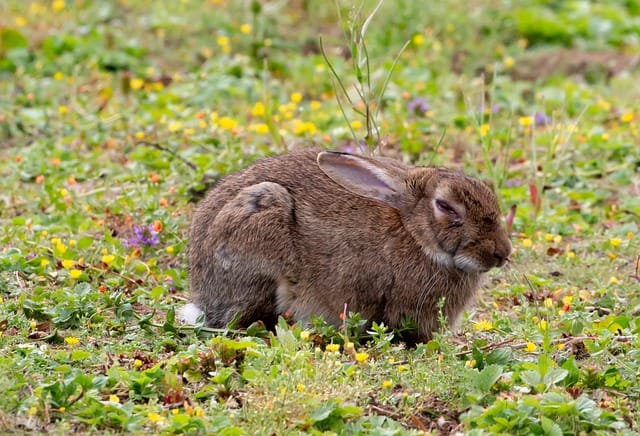
This distinction is critical. A sleeping rabbit is resting because it wants to. A lethargic rabbit is inactive because it physically cannot do more. Here is how to tell if your rabbit is actually sleeping versus something more serious:
| Sleeping (Normal) | Lethargy (Concerning) |
|---|---|
| Wakes up easily when you approach or offer food | Slow to respond or does not respond to stimulation |
| Eats and drinks normally during active hours | Refuses food or eats significantly less |
| Produces normal fecal pellets | Fewer, smaller, or no droppings |
| Relaxed body position (loaf, flop, sprawl) | Hunched posture, pressing belly to the ground |
| Normal breathing rate | Rapid, labored, or very slow breathing |
| Active and alert during dawn and dusk | Inactive even during normally active periods |
| Responds to favorite treats | Ignores even high-value treats like banana or herbs |
The single most reliable indicator is appetite. A rabbit that is sleeping a lot but eagerly eats when food is offered is almost certainly fine. A rabbit that sleeps a lot and refuses food is sending a clear distress signal.
When Should You Take Your Rabbit to the Vet?
Take your rabbit to a rabbit-savvy veterinarian if you notice increased sleeping combined with any of the following:
- Not eating for more than 12 hours. Rabbits have fast metabolisms and their gut must keep moving. A 12-hour food strike is a medical concern.
- No droppings for more than 10 hours. This suggests GI stasis, which requires urgent treatment.
- Labored or very rapid breathing at rest. This can indicate pain, respiratory infection, or heatstroke.
- Head tilt or loss of balance. This points to an inner ear infection or E. cuniculi.
- Teeth grinding (loud, crunchy sound). This is distinct from soft tooth purring and indicates significant pain.
- Unusual posture. Pressing belly flat to the floor, sitting hunched with eyes half-closed, or refusing to lie down.
- Discharge from nose or eyes. Can indicate upper respiratory infection.
Do not adopt a "wait and see" approach with rabbits. Their condition can deteriorate rapidly. According to the House Rabbit Society, many rabbit emergencies become critical within 24 hours if left untreated.
How to Monitor Your Rabbit's Sleep Patterns
If you are unsure whether your rabbit is sleeping more than normal, here are some practical ways to track its behavior:
- Keep a simple log. Note the times your rabbit is active (eating, playing, grooming) and the times it is resting. After a week, you will have a clear picture of its normal pattern.
- Set up a camera. A pet camera or baby monitor lets you check on your rabbit when you are not home. Many rabbit owners discover their "lazy" rabbit is actually quite active when no one is watching.
- Track food and water intake. Weigh the hay rack and measure water levels daily. Consistent intake means your rabbit is eating and drinking during its active hours, even if you are not there to see it.
- Monitor droppings. Count or estimate the fecal pellets each morning. A healthy rabbit produces 200 to 300 pellets per day. A sudden drop is more concerning than extra sleeping on its own.
What Can You Do to Help a Rabbit That Sleeps Too Much?
If you have ruled out medical issues and your rabbit simply seems to sleep more than you would like, here are some strategies to encourage activity:
- Increase exercise space. A rabbit in a small cage will sleep more than one with access to a large pen or rabbit-proofed room. Aim for a minimum of 12 square feet of enclosure space, plus several hours of free-roaming time daily.
- Provide enrichment. Rotate toys weekly to keep things interesting. Hide treats in paper bags, stuff hay into toilet paper tubes, or scatter pellets around the enclosure instead of using a bowl.
- Adjust your schedule. If possible, spend time with your rabbit during its active hours (early morning and evening). Rabbits are social animals and will be more active when they have company.
- Add a companion. A bonded pair of rabbits will play, groom, and interact with each other throughout the day, leading to more activity for both. Make sure to introduce them properly to avoid fighting.
- Check the temperature. If your home runs warm, your rabbit may be sleeping as a heat-avoidance strategy. Cooling the room even a few degrees can make a noticeable difference in activity levels.
Frequently Asked Questions
Is it normal for rabbits to sleep all day?
Yes, it is normal for rabbits to sleep through most of the daytime. Rabbits are crepuscular, meaning they are most active at dawn and dusk. They typically sleep 8 to 12 hours per day, with most rest occurring during midday and late night hours. If your rabbit is active at dawn and dusk and eating normally, daytime sleeping is expected behavior.
Why is my rabbit sleeping and not eating?
A rabbit that sleeps excessively and refuses food may be experiencing GI stasis, dental pain, or another serious health issue. This combination is a medical emergency. If your rabbit has not eaten for more than 12 hours, contact a rabbit-savvy veterinarian immediately. Do not wait to see if it improves on its own.
Do older rabbits sleep more than younger ones?
Yes, senior rabbits (over six years old) typically sleep more than younger rabbits. They have lower energy levels and may rest 12 to 14 hours per day. This is normal as long as they still eat well, produce normal droppings, and show interest in their surroundings during waking hours. Sudden changes in a senior rabbit should still be evaluated by a vet.
Can stress cause a rabbit to sleep more?
Stress usually causes rabbits to sleep less, not more, because they stay on high alert. However, chronic stress can lead to depression in rabbits, which may cause withdrawal, inactivity, and excessive sleeping over time. If your rabbit seems withdrawn and uninterested in food, treats, or interaction, evaluate its environment for stressors like loud noises, nearby predators, or lack of companionship.
Should I wake my rabbit up if it sleeps too much?
You should not regularly wake a sleeping rabbit, as disrupting their rest causes stress. Instead, observe whether your rabbit is alert and active during its normal waking hours (dawn and dusk). If it eats, drinks, and moves around during those times, let it sleep in peace during the day. Only intervene if your rabbit does not wake for meals or shows signs of illness.
Cite this article:
Cite this article:
BunnySync (March 3, 2026) Why Is Your Rabbit Suddenly Sleeping a Lot? Causes and When to Worry. Retrieved from https://bunnysync.com/blog/rabbit-sleeping-a-lot.
"Why Is Your Rabbit Suddenly Sleeping a Lot? Causes and When to Worry." BunnySync - March 3, 2026, https://bunnysync.com/blog/rabbit-sleeping-a-lot