If your rabbit bites you, wash the wound immediately with soap and warm water for at least 30 seconds. Apply an antibiotic ointment like Neosporin, then cover it with a clean bandage. Rabbit bites rarely require emergency medical attention, but proper wound care prevents infection. As breeders who have handled hundreds of rabbits over the years, we can tell you that bites happen, and knowing how to respond makes all the difference.
How To Treat a Rabbit Bite: Step-by-Step First Aid
Most rabbit bites are minor and can be treated at home. Here is exactly what you should do, step by step:
- Stay calm and set the rabbit down. Pulling away suddenly can make the bite worse because a rabbit's teeth are designed to grip. Place the rabbit back in its enclosure gently.
- Wash the wound with soap and warm water. Scrub gently for at least 30 seconds. This is the single most important step for preventing infection.
- Apply pressure if bleeding. Use a clean cloth or gauze pad and apply firm pressure for 5 to 10 minutes until bleeding stops.
- Disinfect the wound. Use hydrogen peroxide or an antiseptic solution like Betadine on the first cleaning. For follow-up care, switch to antibiotic ointment.
- Apply antibiotic ointment. A thin layer of Neosporin or similar triple-antibiotic cream helps prevent bacterial infection.
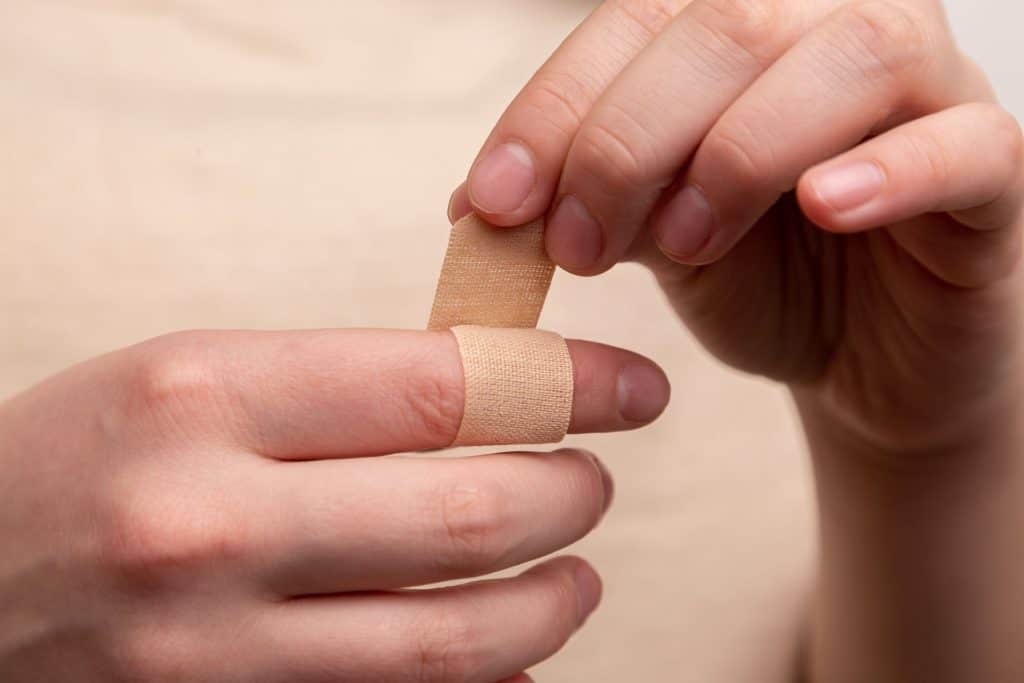
- Cover with a bandage. Use a clean adhesive bandage or sterile gauze. Change the bandage daily or whenever it gets wet or dirty.
- Monitor for signs of infection. Check the wound daily for redness, swelling, warmth, pus, or increasing pain. These signs typically appear within 24 to 48 hours if infection develops.
For minor nips that do not break the skin, simply washing the area with soap and water is enough. No bandage or ointment is needed.
When Should You See a Doctor After a Rabbit Bite?
Most rabbit bites heal on their own within a week. However, there are specific situations where you should seek medical attention:
- Deep puncture wounds. If the bite goes deep into the tissue rather than leaving a shallow scrape, bacteria can get trapped under the skin where topical ointment cannot reach.
- Excessive bleeding that will not stop. If bleeding continues after 15 minutes of direct pressure, the bite may have hit a vein or the wound may need stitches.
- Signs of infection. Red streaks spreading from the wound, increasing pain after the first day, swelling, warmth, or pus all indicate infection. Infected animal bites typically require oral antibiotics.
- Outdated tetanus vaccination. If your last tetanus booster was more than 5 years ago, the CDC recommends getting a booster after any animal bite that breaks the skin.
- Bite from a wild rabbit. Wild rabbits carry a higher risk of bacterial infections compared to domesticated rabbits. If a wild rabbit bites you, see a doctor regardless of the wound severity.
- Immunocompromised individuals. People with diabetes, HIV, or those on immunosuppressive medications should always consult a doctor after any animal bite.
Do Rabbit Bites Cause Infection?
Yes, rabbit bites can become infected if not cleaned properly, just like any other animal bite. The most common bacteria found in rabbit mouths include Pasteurella multocida and Staphylococcus aureus, both of which can cause skin infections in humans.
That said, the infection rate from rabbit bites is significantly lower than from cat or dog bites. According to the Mayo Clinic's guidelines on animal bites, prompt wound cleaning within the first hour dramatically reduces infection risk.
Signs of an infected rabbit bite include:
| Symptom | Timeframe | Action Needed |
|---|---|---|
| Redness around wound | 24 to 48 hours | Monitor closely |
| Swelling and warmth | 24 to 72 hours | See a doctor |
| Pus or discharge | 48 to 72 hours | See a doctor immediately |
| Red streaks from wound | 48 to 96 hours | Seek urgent care |
| Fever | 24 to 96 hours | Seek urgent care |
In our experience breeding rabbits for over a decade, proper cleaning with soap and water prevents infection in the vast majority of cases. We have treated dozens of rabbit bites over the years, and only one ever required antibiotics, which happened because the wound was not cleaned right away.
Can Rabbit Bites Cause Rabies?
Rabbit bites almost never cause rabies. Rabbits are not a significant carrier of the rabies virus, and there are no confirmed cases of rabbit-to-human rabies transmission in the United States. The risk of rabbits carrying rabies is extremely low because rabbits rarely survive attacks from rabid animals like raccoons, foxes, or bats.
However, if a wild rabbit bites you and the rabbit is behaving strangely, showing signs like stumbling, unusual aggression, or excessive drooling, you should contact your local animal control and consult a doctor. These could be signs of rabies or other neurological conditions.
For pet rabbits that live indoors and have no contact with wild animals, rabies is essentially not a concern.
Do Rabbit Bites Hurt?
The pain level depends entirely on the type of bite. Rabbits have two types of biting behavior, and they feel very different:
Nipping (Low Pain)
A nip is a quick, light pinch using the front incisors. Nips rarely break the skin and feel similar to a light pinch. Rabbits nip to communicate, not to cause harm. Common reasons for nipping include:
- Asking you to move out of the way
- Requesting attention or treats
- Saying "stop" when they have had enough petting
- Exploring your skin or clothing with their mouth
If your rabbit nips you gently without drawing blood, it is not aggression. It is communication. Pay attention to what was happening right before the nip to understand what your rabbit was trying to tell you.
Full Bites (Moderate to High Pain)
A full bite is when a rabbit clamps down with force, often shaking its head while biting. These bites can break the skin and cause bleeding. They are noticeably more painful than nips because the rabbit is using its jaw strength deliberately. Full bites tend to leave shallow, wide wounds rather than the deep punctures you would get from a cat or dog bite.
A rabbit biting out of genuine fear or pain will lunge, bite, and often follow up with scratching using their powerful hind legs. These bites hurt significantly and should be treated as a sign that something is seriously wrong.
Why Did Your Rabbit Bite You?

Understanding why your rabbit bit you is critical for preventing it from happening again. Rabbits are prey animals, so biting is always a last resort for them. Here are the most common causes:
Fear and Lack of Trust
New rabbits or rabbits from rescue situations often bite because they feel scared and do not trust you yet. Reaching into their enclosure from above mimics a predator swooping down, which triggers a defensive bite. Approach your rabbit from their level instead, and let them come to you on their terms.
Pain or Illness
A rabbit in pain will bite when touched, especially near the painful area. If your normally gentle rabbit suddenly starts biting, this is a red flag. Other signs of pain in rabbits include teeth grinding, hunched posture, reluctance to move, and loss of appetite. If your rabbit is biting you all of a sudden, schedule a veterinary checkup as soon as possible.
Hormonal Aggression
Unneutered or unspayed rabbits commonly become aggressive after reaching sexual maturity around 4 to 6 months old. Hormones drive territorial behavior, mounting, lunging, and biting. In our rabbitry, we have seen dramatic behavioral improvements after spaying or neutering, with most rabbits calming down within 4 to 6 weeks after the procedure.
Territorial Behavior
Some rabbits become defensive of their cage, food bowl, or favorite resting spot. Reaching into a territorial rabbit's space can trigger a bite. This is especially common in pregnant does or mothers with new kits, who instinctively protect their nesting area.
Food Aggression
Rabbits that were previously underfed, competed for food with cage mates, or were rescued from neglectful situations may develop food aggression. They bite when you reach near their food bowl because they associate hands near food with food being taken away.
Stress and Boredom
A rabbit that is stressed from confinement, lack of exercise, or loneliness may lash out by biting. Rabbits need at least 3 to 4 hours of exercise outside their enclosure daily. Without adequate stimulation, frustration builds and can manifest as aggressive behavior.
Mistaking Fingers for Food
If your hands smell like fruits, vegetables, or pellets, your rabbit might bite your fingers thinking they are food. This is not aggressive biting. Wash your hands before handling your rabbit, especially after preparing their meals.
How To Stop Your Rabbit From Biting
Prevention is always better than treatment. Here are proven strategies that work based on years of hands-on breeding experience:
1. Spay or Neuter Your Rabbit
This is the single most effective way to reduce biting caused by hormonal aggression. Neutering reduces testosterone-driven territorial behavior in males, and spaying eliminates the hormonal mood swings that cause aggression in females. Most veterinarians recommend spaying or neutering between 4 and 6 months of age.
2. Build Trust Gradually
Sit on the floor near your rabbit's enclosure and let them approach you. Do not reach in and grab them. Offer treats from your open palm so they associate your hands with positive experiences. This process takes days to weeks depending on the rabbit's history. Learn to recognize how rabbits show affection so you can tell when the bond is forming.
3. Respect Their Body Language
Rabbits give clear warnings before biting. Watch for:
- Ears pinned flat against the back = anger or fear
- Thumping hind feet = alarm or displeasure
- Growling or grunting = warning to back off
- Lunging forward = about to strike
- Boxing with front paws = defensive posture
If you see any of these signs, give your rabbit space immediately. Pushing past these warnings teaches your rabbit that warnings do not work, which means they will skip straight to biting next time.
4. Never Punish a Rabbit for Biting
Hitting, flicking, or yelling at a rabbit after a bite makes the problem worse. Rabbits do not understand punishment the way dogs do. Punishment increases fear, which increases biting. Instead, let out a high-pitched "eek" sound when bitten. This mimics the sound other rabbits make when hurt and teaches your rabbit that they are being too rough.
5. Address Food Aggression
If your rabbit bites near food, ensure they always have unlimited timothy hay available so they never feel food-insecure. Feed pellets and vegetables on a consistent schedule. If you have multiple rabbits, use separate feeding stations so they do not have to compete.
6. Provide Enough Space and Enrichment
A rabbit confined to a small cage with nothing to do will become frustrated and aggressive. Provide at minimum a 4x their body length enclosure, daily free-roam time, chew toys, tunnels, and cardboard boxes to shred. A mentally stimulated rabbit is a calmer rabbit.
7. Rule Out Medical Issues
If your rabbit was previously gentle and has started biting, a vet visit should be your first step. Dental problems, GI stasis, urinary infections, and arthritis can all cause pain that leads to biting. Rabbits hide pain well, so biting may be the only visible symptom.
Rabbit Bite vs. Rabbit Nip: How To Tell the Difference
New rabbit owners often confuse nipping with biting, but these are very different behaviors with different meanings:
| Feature | Nip | Bite |
|---|---|---|
| Force | Light, quick pinch | Hard clamp with jaw strength |
| Breaks skin | Rarely | Often |
| Draws blood | Almost never | Frequently |
| Body language | Relaxed, curious | Tense, ears back, lunging |
| Intent | Communication | Defense or aggression |
| Follow-up | Continues normal behavior | Often followed by scratching or fleeing |
| Response needed | Understand the message | Identify and address the cause |
Nipping is normal rabbit communication and does not need to be "fixed." True biting, on the other hand, always indicates an underlying problem that needs to be addressed.
Can a Rabbit Bite Your Finger Off?
No, a rabbit cannot bite your finger off. While rabbit teeth are sharp and continuously growing, their jaw structure and bite force are designed for cutting through plant material like hay, grass, and vegetables. A rabbit's bite force is around 70 to 100 Newtons, which is strong enough to break skin and cause a painful wound but nowhere near strong enough to sever bone or tendons.
For comparison, a dog's bite force ranges from 200 to over 700 Newtons depending on the breed. Even large rabbit breeds like Flemish Giants cannot generate enough force to cause the kind of crushing or severing injury that larger animals can.
The main risk from rabbit bites is infection from bacteria, not structural damage to your hand.
How To Handle a Rabbit That Bites During Grooming
Many rabbits bite specifically during grooming activities like nail trimming, brushing, or health checks. This is usually because they feel restrained and vulnerable. Here is how to make grooming safer:
- Burrito wrap technique. Wrap the rabbit snugly in a towel, exposing only the area you need to work on. This prevents kicking and reduces the rabbit's ability to turn and bite.
- Work in short sessions. Trim two or three nails, then give a break with a treat. Trying to do everything at once increases stress and biting risk.
- Have a second person help. One person holds and calms the rabbit while the other grooms. This is standard practice in most rabbitries.
- Use a grooming table. Rabbits often behave differently on elevated surfaces. A non-slip mat on a table keeps them calmer than being held in your lap.
- Reward after every session. A small piece of banana or apple after grooming creates a positive association over time.
Frequently Asked Questions
Should I be worried if my rabbit bites me?
For most pet rabbit bites, there is no reason to worry beyond basic wound care. Wash the bite with soap and water, apply antibiotic ointment, and cover it with a bandage. See a doctor only if the wound is deep, shows signs of infection, or your tetanus vaccination is outdated.
Can you get tetanus from a rabbit bite?
Tetanus is possible from any animal bite that breaks the skin, including rabbit bites. The tetanus bacterium lives in soil and can enter through puncture wounds. If your last tetanus booster was more than 5 years ago, contact your doctor after a rabbit bite that breaks the skin.
Why does my rabbit bite me when I pick it up?
Rabbits are ground-dwelling prey animals, so being lifted off the ground triggers a fear response. Many rabbits bite during pickup because they feel vulnerable and restrained. Support their hind legs when lifting, never grab them by the scruff, and minimize the time they spend off the ground.
How long does a rabbit bite take to heal?
Minor rabbit bites that only break the surface of the skin typically heal within 3 to 5 days. Deeper bites may take 7 to 14 days to fully close. If the wound has not improved after 3 days or is getting worse, see a doctor to check for infection.
Do I need a rabies shot after a rabbit bite?
In almost all cases, no. Rabbits are not known carriers of rabies in the United States and are classified as low-risk animals by the CDC. Post-exposure rabies treatment is not typically recommended after a domestic rabbit bite unless the rabbit was exposed to a known rabid animal.
Cite this article:
BunnySync (March 8, 2026) What To Do If Your Rabbit Bites You? First Aid and Prevention. Retrieved from https://bunnysync.com/blog/my-rabbit-bit-me.
"What To Do If Your Rabbit Bites You? First Aid and Prevention." BunnySync - March 8, 2026, https://bunnysync.com/blog/my-rabbit-bit-me