Yes, rabbits will eat cat food if they can reach it. Rabbits are opportunistic eaters that will munch on almost anything, including kibble left in a cat's bowl. However, cat food is not safe for rabbits. It is formulated for obligate carnivores and contains high levels of animal protein, fat, and carbohydrates that a rabbit's digestive system cannot handle. If you keep both cats and rabbits in the same household, you need to keep cat food completely out of your rabbit's reach to avoid serious health problems.
As breeders who have managed multi-pet households for years, we've seen firsthand what happens when a curious rabbit gets into a bag of cat kibble. The results range from mild digestive upset to emergency veterinary visits. This guide covers exactly why cat food is harmful, what to do if your rabbit eats some, and how to keep your pets' food separate.
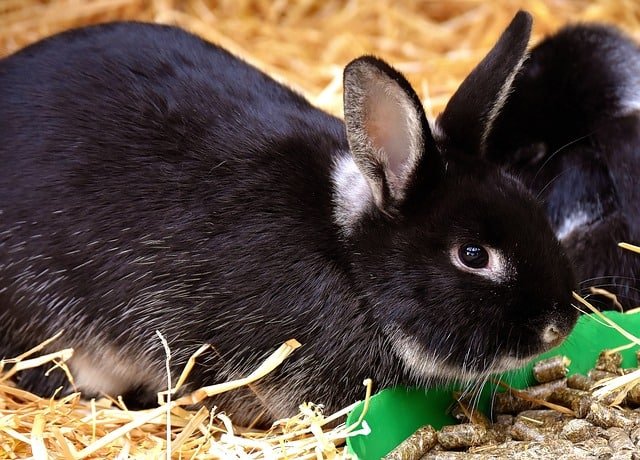
Why Do Rabbits Eat Cat Food?
Rabbits are naturally curious foragers. In the wild, they spend hours grazing and exploring, and domestic rabbits retain that instinct. When they encounter something new, their first reaction is often to taste it.
Cat kibble is especially appealing to rabbits for several reasons:
- Crunchy texture: Rabbits enjoy chewing on hard, crunchy items. Cat kibble satisfies that urge in a similar way to rabbit pellets.
- Strong smell: Cat food has a potent aroma from its meat-based ingredients. Rabbits have a keen sense of smell and are drawn to investigate strong odors.
- Easy access: Cat bowls are typically placed on the floor, right at rabbit level. Unless you take steps to elevate your cat's food, your rabbit will find it.
- Novelty factor: Rabbits are the type of animal that will chew on furniture, wires, and baseboards just because they're there. A bowl of unfamiliar food is irresistible to most bunnies.
This doesn't mean your rabbit knows what's good for it. Rabbits will eat dog food, hamster food, cardboard, and even electrical cords if given the chance. The fact that a rabbit eats something does not make it safe.
What's in Cat Food That Makes It Harmful to Rabbits?
To understand why cat food is dangerous for rabbits, you need to look at the nutritional breakdown. Cats are obligate carnivores, meaning they require a diet built around animal protein and fat. Rabbits are strict herbivores whose digestive systems are designed to process fiber from grasses and leafy greens.
Here is a side-by-side comparison of typical cat food versus what a rabbit actually needs:
| Nutrient | Typical Cat Food | Rabbit Requirement |
|---|---|---|
| Protein | 30-40% | 12-16% |
| Fat | 15-20% | 1-3% |
| Fiber | 1-5% | 18-25%+ |
| Carbohydrates | 20-40% | Minimal |
| Animal-based ingredients | Primary source | None needed |
The numbers tell the story clearly. Cat food has two to three times the protein a rabbit needs, up to twenty times the fat, and almost no fiber. A rabbit's gut depends on a steady supply of long-strand fiber (primarily from timothy hay) to function properly. Cat food provides the exact opposite nutritional profile.
High Animal Protein
Cat food contains chicken meal, fish meal, beef tallow, and other animal by-products. A rabbit's cecum (the large fermentation chamber in their gut) is populated by bacteria adapted to break down plant cellulose, not animal protein. Flooding the system with meat-based protein disrupts the bacterial balance and can trigger a cascade of digestive problems.
Excessive Fat Content
Rabbits need very little fat in their diet, typically 1-3% at most. Cat food delivers 15-20% fat. This level of dietary fat can overwhelm a rabbit's liver, contribute to obesity, and cause fatty liver disease (hepatic lipidosis) over time. Even a single large serving puts significant strain on the digestive system.
High Carbohydrate Load
Many dry cat foods use grain-based fillers like corn, wheat, and soy to bind the kibble together. These simple carbohydrates ferment rapidly in a rabbit's cecum, producing excess gas and disrupting the gut flora. This is one of the primary triggers for gastrointestinal stasis.
Lack of Fiber
The most critical problem is what cat food does not contain: fiber. Rabbits need a minimum of 18-25% crude fiber in their diet to keep their gut motility running. Cat food offers 1-5% at best. Without fiber, the entire digestive system slows to a crawl.
Can Cat Food Kill a Rabbit?
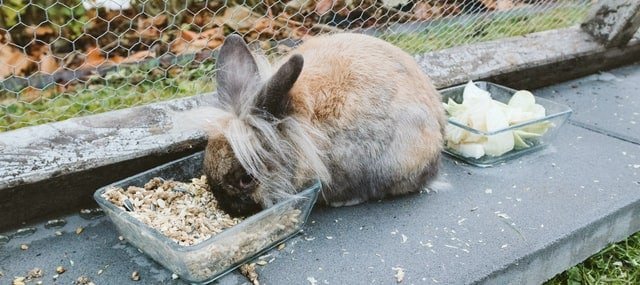
Yes, cat food can kill a rabbit if consumed in large amounts or over an extended period. The danger comes primarily from gastrointestinal stasis, a condition where the digestive tract slows down or stops entirely. GI stasis leads to bacterial overgrowth, toxin release, organ failure, and death if not treated promptly.
A rabbit that nibbles a single piece of kibble one time is unlikely to suffer serious harm. The risk increases dramatically with the amount consumed and the frequency of exposure. Here's a general risk breakdown:
- A few pieces once: Low risk. Monitor for 24 hours. Offer plenty of hay and water.
- A handful or more: Moderate risk. Watch closely for signs of distress, reduced appetite, or changes in droppings. Contact your vet if symptoms appear.
- Regular access over days or weeks: High risk. Likely to cause GI stasis, liver problems, or chronic digestive issues. Veterinary intervention required.
It's worth noting that rabbits are not designed to eat meat-based products of any kind. While wild rabbits have been observed consuming their own placenta after giving birth (to prevent attracting predators), this is a survival behavior, not a dietary choice.
What Happens If a Rabbit Eats Cat Food?
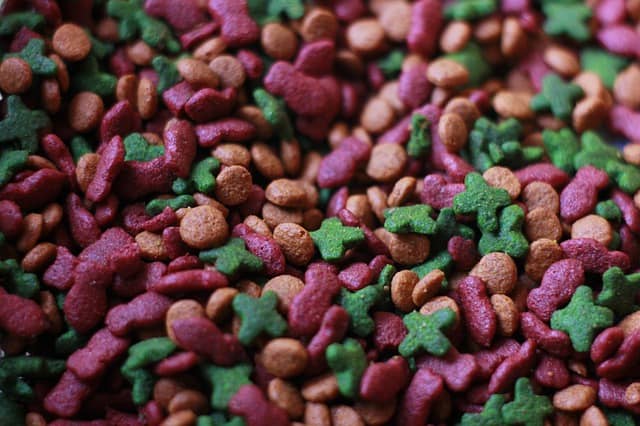
When a rabbit eats cat food, the consequences depend on the amount consumed and how quickly the problem is addressed. Here are the most common health issues that can develop:
Gastrointestinal Stasis (GI Stasis)
GI stasis is the most dangerous outcome. It occurs when the balance of bacteria in the rabbit's cecum is disrupted, causing the digestive tract to slow down or stop completely. The high protein, high fat, low fiber content of cat food is a perfect storm for triggering this condition.
Signs of GI stasis include:
- Reduced or absent fecal pellets
- Small, dry, or misshapen droppings
- Loss of appetite
- Hunched posture
- Teeth grinding (a sign of pain)
- Bloated or tight-feeling abdomen
- Lethargy and reluctance to move
If you notice these signs after your rabbit has eaten cat food, this is a veterinary emergency. GI stasis can progress to organ failure within 24-48 hours. For more on recognizing when your rabbit has stopped producing droppings, see our guide on what to do if your rabbit is not pooping.
Diarrhea
The sudden introduction of high-fat, high-protein food can cause diarrhea in rabbits. True diarrhea (watery stool) in rabbits is a medical emergency and can lead to severe dehydration within hours. Do not confuse diarrhea with soft cecotropes, which are mushy, grape-like clusters that smell strongly. Both warrant attention, but true diarrhea is more immediately life-threatening.
Uneaten Cecotropes
Cecotropes are the soft, nutrient-rich droppings that rabbits normally re-ingest directly from their anus. When a rabbit's diet is too rich in protein or low in fiber, the cecotropes become mushy and the rabbit stops eating them. You'll find these sticky, foul-smelling clusters in the cage or stuck to your rabbit's fur.
Persistent uneaten cecotropes indicate a diet imbalance. If your rabbit has been eating cat food, this is a clear warning sign that their gut flora is disrupted. Increasing hay intake and eliminating all non-rabbit foods is the first step to recovery.
Obesity and Liver Disease
If a rabbit has repeated access to cat food over weeks or months, the excessive fat and calories can lead to obesity. Obese rabbits are at high risk for hepatic lipidosis (fatty liver disease), a condition that can be fatal. Overweight rabbits also struggle to reach their cecotropes, creating a vicious cycle of nutritional deficiency and further health decline.
What to Do If Your Rabbit Eats Cat Food
If you discover your rabbit has gotten into the cat food, take these steps immediately:
- Remove all cat food from the rabbit's reach right away.
- Offer unlimited timothy hay. Hay is the best tool for getting a rabbit's gut moving again. The long-strand fiber helps restore normal motility.
- Provide fresh water. Make sure your rabbit has access to clean water to help flush the system.
- Monitor droppings closely. Check for changes in size, shape, quantity, and consistency over the next 24-48 hours.
- Watch for behavioral changes. A rabbit that becomes lethargic, hunches in a corner, stops eating, or grinds its teeth is showing signs of pain or GI distress.
- Contact your veterinarian if you notice any abnormalities. It's better to call and be told everything is fine than to wait and risk a full GI stasis episode.
For small, accidental ingestion (a piece or two of kibble), monitoring at home is usually sufficient. For larger amounts, a veterinary check is strongly recommended, especially if your rabbit shows any symptoms within the first 12 hours.
How to Keep Your Cat's Food Away from Your Rabbit
Prevention is far easier than treatment. If you share your home with both cats and rabbits, here are proven strategies to keep their food separate:
Elevate Your Cat's Food Bowl
The simplest solution is to place your cat's food on a raised surface. Cats can easily jump to countertops, shelves, or dedicated feeding stations. Rabbits cannot. A sturdy shelf, cat tree platform, or elevated feeding station at least 60-90 cm (2-3 feet) off the ground works well.
Use a Separate Feeding Room
Feed your cat in a room that your rabbit cannot access. A baby gate with a cat-sized opening at the bottom, or a room with a door that stays closed during feeding times, keeps the food completely out of reach.
Timed Feeding Instead of Free-Feeding
If you currently leave cat food out all day, switch to scheduled meal times. Put the food down for your cat for 20-30 minutes, then pick up whatever is left. This eliminates the window of opportunity for your rabbit to discover unattended food.
Microchip-Activated Cat Feeders
Electronic feeders that open only when they detect your cat's microchip are an effective, if more expensive, solution. These ensure that only your cat can access its food, regardless of how determined your rabbit might be.
What Should Rabbits Eat Instead?
A healthy rabbit diet is straightforward and does not include any food designed for other species. Here's what your rabbit should be eating daily:
- Unlimited timothy hay: This should make up 80-85% of the diet. Hay provides the essential fiber that keeps the gut moving. Learn more in our guide on how much hay a rabbit should eat.
- Fresh leafy greens: About 1 packed cup per 1 kg (2 lbs) of body weight daily. Romaine lettuce, cilantro, parsley, and herbs are excellent choices. Check our full list of safe vegetables for rabbits.
- Quality rabbit pellets: A measured portion based on your rabbit's weight. For adults, roughly 1/4 cup per 2.5 kg (5 lbs) of body weight. See our detailed guide on how many pellets to feed your rabbit.
- Fresh water: Always available, either in a bowl or bottle.
- Occasional fruit treats: Small amounts of apple, strawberry, or blueberry as treats only, no more than 1-2 tablespoons per day.
If you want to know the full daily breakdown, our guide on how much food to feed your rabbit per day covers portions for every life stage.
Will Rabbits Eat Dry Cat Food vs. Wet Cat Food?
Rabbits are more likely to eat dry cat food (kibble) than wet cat food. The reasons come down to texture and familiarity:
Dry cat food resembles rabbit pellets in size and crunchiness. Rabbits are accustomed to eating hard, dry foods, so kibble feels natural to pick up and chew. Most reports from rabbit owners about their rabbit eating cat food involve dry kibble.
Wet cat food has a soft, moist texture and a strong meaty smell that most rabbits find unfamiliar. While a particularly adventurous rabbit might sample wet food out of curiosity, it's much less common. That said, wet cat food is arguably more dangerous per serving because it tends to have higher protein and fat concentrations than dry kibble.
Neither type is safe for rabbits. The distinction only matters for understanding which form your rabbit is more likely to seek out, so you can prioritize your prevention efforts accordingly.
Frequently Asked Questions
Is a small amount of cat food toxic to rabbits?
A few pieces of cat kibble are not immediately toxic, but cat food is not safe for rabbits in any amount. If your rabbit eats a small quantity by accident, offer plenty of hay and monitor their droppings and behavior for 24 hours. Repeated exposure, even in small amounts, can cause cumulative digestive harm.
Can rabbits eat cat treats?
No. Cat treats are made with the same meat-based, high-protein, high-fat ingredients as cat food. They carry the same risks of digestive upset, GI stasis, and diarrhea. Keep all cat treats stored securely away from your rabbit.
My rabbit ate cat food and seems fine. Should I still worry?
If your rabbit ate a small amount and shows no symptoms after 24-48 hours, they are likely fine. However, take steps to prevent it from happening again. Repeated consumption increases the risk of GI problems, obesity, and liver disease over time.
Can cat food cause bladder problems in rabbits?
Cat food contains higher levels of calcium, phosphorus, and other minerals than rabbits need. Over time, excess calcium can contribute to bladder sludge or urinary stones in rabbits. This is another reason to keep cat food strictly away from your rabbit.
What other pet foods are unsafe for rabbits?
Rabbits should not eat food formulated for any other species. This includes dog food, hamster food, bird seed, and ferret food. Each is formulated for a different digestive system with different nutritional requirements. Stick to rabbit-specific pellets, hay, and fresh vegetables.
Cite this article:
Cite this article:
BunnySync (March 6, 2026) Will Rabbits Eat Cat Food? Why It's Dangerous and How to Prevent It. Retrieved from https://bunnysync.com/blog/will-rabbits-eat-cat-food.
"Will Rabbits Eat Cat Food? Why It's Dangerous and How to Prevent It." BunnySync - March 6, 2026, https://bunnysync.com/blog/will-rabbits-eat-cat-food