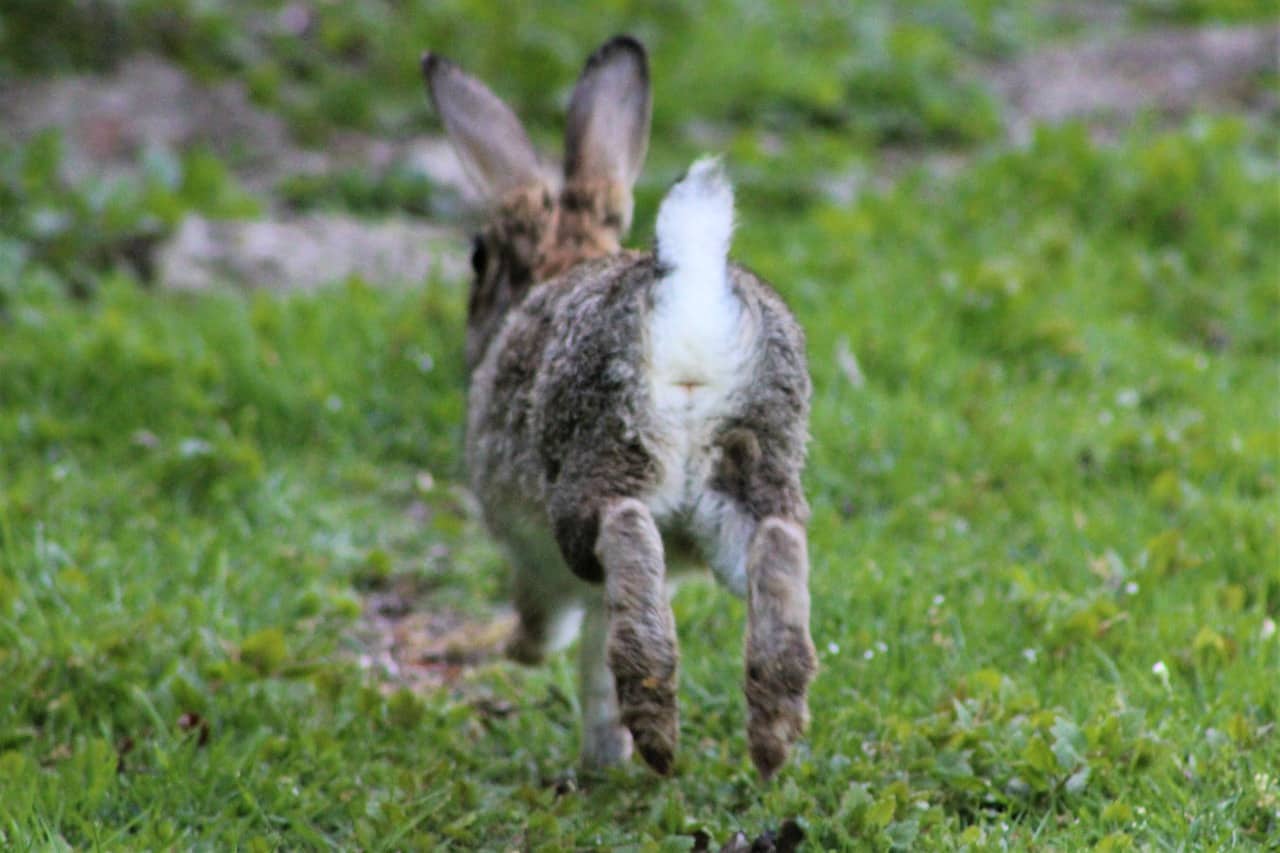
Rabbits kick their cage because they are frustrated, bored, lonely, or dealing with hormonal urges. In most cases, the behavior comes down to a lack of exercise, an enclosure that is too small, or insufficient social interaction. The good news is that once you identify the root cause, this problem is very fixable.
When my rabbits Tyr and Freya first came home, the nighttime cage kicking drove me up the wall. They would rattle the bars for minutes at a time, usually right when I was falling asleep. After months of trial and error, I figured out what was triggering the behavior for each of them and eliminated it. This guide covers everything I learned, plus advice from veterinary sources, so you can do the same.
What Does Cage Kicking Look Like?
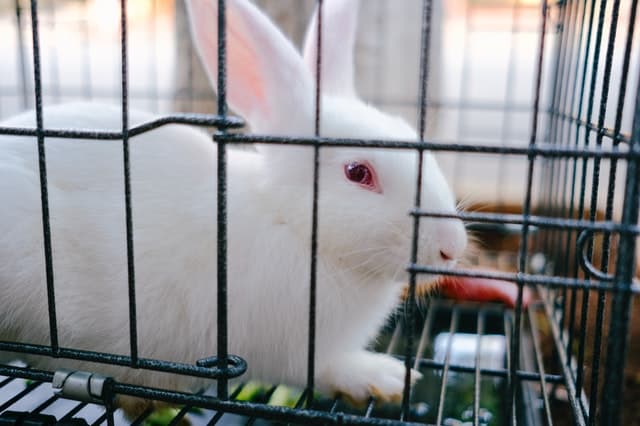
Before we get into causes, it helps to understand exactly what this behavior involves. Cage kicking is when a rabbit slams its back feet against the cage floor, walls, or bars repeatedly. It is different from foot thumping, where a rabbit strikes the ground once or twice as a warning signal.
Cage kicking tends to be:
- Rapid and repetitive, sometimes lasting several minutes
- Louder than a single thump, because the feet hit metal or plastic
- Often accompanied by other signs of frustration like biting the bars, rattling the water bottle, or tossing food bowls
- More common at dawn and dusk, when rabbits are naturally most active
If your rabbit thumps once and then freezes, that is a fear or alarm response, not frustration. Cage kicking is sustained and clearly driven by energy or agitation.
Why Is My Rabbit Kicking Its Cage?
There are six common causes. Most rabbits have more than one factor at play, so read through all of them before deciding on a fix.
1. The Enclosure Is Too Small
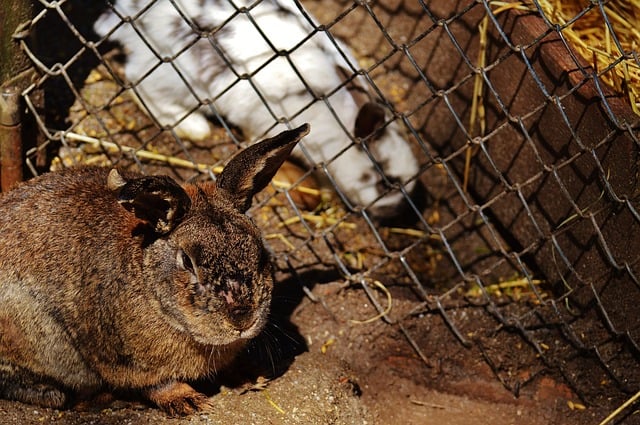
This is the number one reason rabbits kick their cage. Rabbits are built to run, jump, and binky. When their living space is too cramped, all of that energy has nowhere to go, and they take it out on the cage walls.
The minimum recommended cage size is 6 feet long by 2 feet wide by 2 feet tall, with an attached run of at least 6 by 4 feet. Many store-bought cages fall far short of this. If your rabbit cannot take three full hops in a straight line inside its enclosure, the space is too small.
According to the RSPCA guidelines on rabbit housing, rabbits need enough room to run, jump, stand on their hind legs, and lie fully stretched out. Anything less causes chronic stress and behavioral problems, including cage kicking.
Signs that space is the problem:
- Your rabbit kicks most intensely in the evening when energy peaks
- The kicking stops or reduces dramatically during free-roam time
- Your rabbit seems calm when outside the cage but agitated inside it
2. Not Enough Exercise or Free-Roam Time

Even with a properly sized enclosure, some rabbits need more activity than a cage can provide. Young rabbits, high-energy breeds like Mini Rex or Holland Lops, and rabbits that were previously free-roam will kick the cage if they feel cooped up.
As a breeder, I recommend a minimum of 3 to 4 hours of supervised free-roam time per day. This can be in a rabbit-proofed room, a hallway with a baby gate, or an outdoor run with a secure top to protect from predators.
If you cannot provide that much time, consider these alternatives:
- Attach a stackable exercise pen to the cage so the rabbit can move freely between the two
- Set up an indoor play area with tunnels, platforms, and dig boxes
- Rotate toys weekly to keep the environment interesting
- Schedule free-roam during dawn and dusk when rabbits are most active
Rabbits that get adequate exercise are significantly calmer in their enclosures. Lack of exercise is not just a behavioral issue. It can lead to obesity, GI stasis, and muscle wasting over time.
3. Loneliness and Lack of Social Interaction
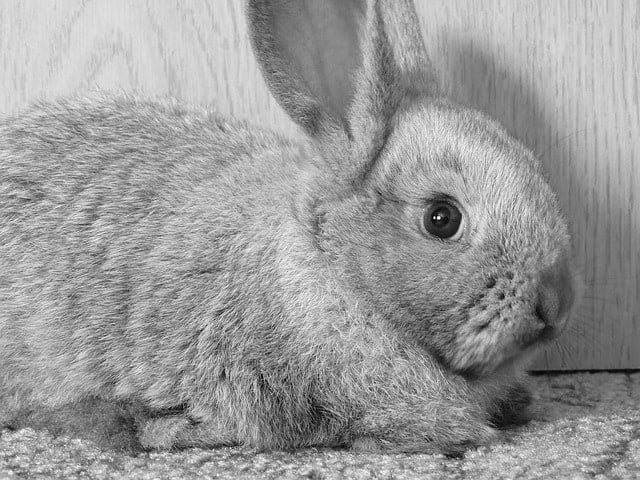
Rabbits are social animals that form strong bonds. A single rabbit with limited human interaction will become lonely, and loneliness in rabbits manifests as destructive behavior, including cage kicking, bar biting, and excessive digging.
Signs that loneliness is driving the behavior:
- Appetite changes, either overeating or refusing food
- Hyperactive and destructive when you approach, then withdrawn when you leave
- Nudging, nipping, or circling your feet when you are nearby
- The kicking gets worse when the house is quiet or everyone is away
If you work long hours or your rabbit spends most of the day alone, seriously consider whether a bonded companion would help. Paired rabbits groom each other, sleep together, and generally show far fewer stress behaviors.
That said, bonding takes time and both rabbits must be spayed or neutered first. Rushing the process leads to fighting, which creates more problems than it solves.
4. Hormonal Aggression (Unspayed or Unneutered Rabbits)
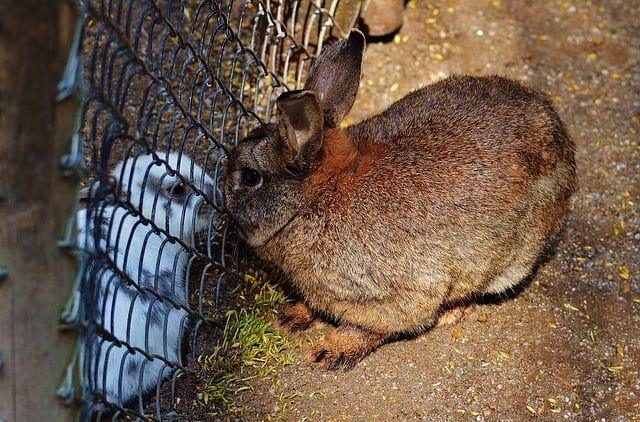
Intact rabbits, both male and female, experience hormonal surges that make them restless, territorial, and prone to destructive behavior. Cage kicking is one of the most common outlets for this hormonal energy.
Other hormonal behaviors you might notice alongside cage kicking:
- Spraying urine outside the litter box
- Mounting objects, other animals, or your arm
- Grunting, lunging, or charging when you reach into the cage
- Territorial aggression around food bowls or favorite resting spots
- Chin-rubbing everything obsessively
According to the House Rabbit Society, spaying or neutering significantly reduces territorial and aggressive behaviors in rabbits. Most rabbits show a noticeable personality shift within 4 to 8 weeks after the procedure.
Beyond behavior, spaying female rabbits eliminates the risk of uterine cancer, which affects up to 80% of unspayed does over the age of 4. It is one of the most impactful health decisions you can make for your rabbit.
5. Stress, Fear, or Environmental Changes
Rabbits are sensitive to their surroundings. Changes that seem minor to us can be deeply unsettling for a prey animal. Common stress triggers that cause cage kicking include:
- A new pet or person in the household
- Moving the cage to a different room
- Loud noises like construction, fireworks, or a barking dog
- A change in your daily routine, especially feeding times
- Strong smells from cleaning products, candles, or cooking
If the cage kicking started suddenly and none of the other causes apply, think about what changed in the last few days. Rabbits that are stressed often show additional signs like reduced appetite, hiding, over-grooming, or reluctance to come out of the cage when given the chance.
The fix here is straightforward: identify the stressor and remove or reduce it. Move the cage to a quieter area, maintain a consistent feeding schedule, and give your rabbit time to adjust to any new changes gradually.
6. Boredom and Lack of Mental Stimulation
Even a large enclosure with daily exercise time can lead to cage kicking if the environment is boring. Rabbits are intelligent animals that need mental engagement to stay content.
Signs of boredom:
- Repetitive behaviors like circling, bar biting, or kicking at the same spot
- Chewing on cage bars even when food is available
- Tossing bowls or toys around aggressively
- Overgrooming to the point of fur loss
To combat boredom, provide enrichment that taps into natural rabbit behaviors:
| Enrichment Type | Examples | Why It Works |
|---|---|---|
| Foraging | Hide hay in toilet paper rolls, scatter pellets in a dig box | Mimics natural food-searching behavior |
| Digging | Cardboard box filled with shredded paper or soil | Satisfies the instinct to dig and burrow |
| Chewing | Apple wood sticks, willow balls, untreated wicker baskets | Keeps teeth worn down and prevents boredom chewing |
| Exploration | Tunnels, cardboard castles, rearranging furniture | Stimulates curiosity and provides novelty |
| Social play | Training sessions, gentle games, a bonded companion | Builds the human-rabbit bond and provides interaction |
Rotate enrichment items every few days. Rabbits lose interest quickly when the same toys sit in the same places for weeks.
How to Stop Your Rabbit from Kicking Its Cage
Now that you know the causes, here is a step-by-step approach to solving the problem.
Step 1: Evaluate the Enclosure Size
Measure your rabbit's cage. If it does not meet the minimum of 6 by 2 by 2 feet with an attached run, upgrading the enclosure should be your first priority. An exercise pen (also called an x-pen) attached to the cage opening is an affordable way to dramatically increase usable space.
Step 2: Increase Free-Roam Time
Start with at least 3 hours per day outside the cage. Schedule this during dawn and dusk when rabbits are most active. If possible, gradually work toward a setup where the cage door stays open and the rabbit can come and go freely.
Step 3: Add Enrichment
Put at least three different enrichment items in the cage and rotate them every 3 to 4 days. A foraging toy, a chew item, and a tunnel or hiding spot is a solid starting combination.
Step 4: Address Loneliness
If you have a single rabbit, spend at least 30 minutes of direct interaction time per day. Sit on the floor near your rabbit, offer treats during gentle petting, and let the rabbit come to you. If the loneliness is severe and you can commit to the bonding process, a second rabbit can be life-changing.
Step 5: Spay or Neuter
If your rabbit is not yet fixed and is over 4 months old (for males) or 6 months old (for females), talk to an experienced rabbit veterinarian about scheduling the procedure. The behavioral benefits alone are worth it, and the health benefits make it a clear decision.
Step 6: Rule Out Medical Issues
If you have addressed all of the above and the kicking continues, schedule a vet visit. Pain from sore hocks, dental problems, urinary infections, or GI discomfort can all make a rabbit restless and agitated in its cage.
Can Rabbits Hurt Themselves by Kicking Their Cage?
Yes, and this is why the behavior should not be ignored. Repeated cage kicking can cause several injuries:
- Sore hocks (pododermatitis): The underside of the feet becomes inflamed and raw from slamming against hard surfaces. This is especially common with wire-bottom cages.
- Spinal injuries: Rabbits have powerful back legs relative to their fragile spines. A violent kick against a hard surface can cause spinal fractures or dislocation in extreme cases.
- Broken toenails: Nails can catch on cage bars or wire flooring during a kick, leading to torn or broken nails that bleed heavily.
- Foot entrapment: If the cage has gaps between bars or wire that are the wrong size, a rabbit's foot can get stuck mid-kick, potentially causing sprains or fractures.
To minimize injury risk while you work on the root cause, make sure the cage floor is solid (not wire), add a thick layer of bedding or a fleece liner, and check that there are no gaps where feet could get caught.
Why Does My Rabbit Kick Its Cage at Night?
This is one of the most common complaints rabbit owners have, and the answer comes down to biology. Rabbits are crepuscular, meaning they are most active at dawn and dusk. If your rabbit is locked in its cage overnight with nothing to do, it will be at peak energy levels right when you are trying to sleep.
Solutions for nighttime kicking:
- Leave the cage door open at night with an exercise pen attached, so the rabbit can move around without disturbing you
- Schedule evening playtime about 1 to 2 hours before your bedtime so your rabbit can burn off energy
- Provide nighttime enrichment like a hay-stuffed toilet paper roll or a foraging mat that keeps the rabbit occupied quietly
- Move the cage to a different room if the noise is affecting your sleep, but make sure the new location is still climate-controlled and safe
I solved this with Tyr and Freya by attaching an x-pen to their enclosure. Once they had room to hop around at night, the kicking stopped within a week.
When to See a Vet
Most cage kicking is behavioral and can be resolved with the steps above. However, you should consult a rabbit-savvy veterinarian if:
- The kicking started suddenly with no environmental changes
- Your rabbit seems to be in pain, hunched posture, teeth grinding, or reluctance to move
- There are visible injuries on the feet, legs, or nails
- The behavior does not improve after 2 to 3 weeks of addressing the root causes
- Your rabbit has stopped eating or drinking alongside the kicking
Pain-related cage kicking sometimes looks different from frustration kicking. A rabbit in pain may kick once or twice and then freeze, or may be restless and unable to settle in any position. Trust your instincts. If something feels wrong, get a professional opinion.
Frequently Asked Questions
Is it normal for rabbits to kick their cage?
Occasional kicking is normal, especially during peak activity hours at dawn and dusk. However, persistent or aggressive cage kicking signals an unmet need, usually related to space, exercise, loneliness, or hormones. If it happens daily, something in your rabbit's environment needs to change.
Will neutering stop my rabbit from kicking its cage?
Neutering or spaying significantly reduces hormonally driven behaviors like cage kicking, spraying, and aggression. Most rabbits calm down within 4 to 8 weeks after the procedure. However, if the kicking is caused by a small cage or lack of exercise, neutering alone will not solve the problem.
How much space does a rabbit need to stop cage kicking?
The minimum enclosure size is 6 feet by 2 feet by 2 feet with an attached run of at least 6 by 4 feet. Larger is always better. In addition to the enclosure, rabbits need 3 to 4 hours of daily free-roam time outside the cage to burn off energy and stay mentally stimulated.
Can a rabbit break its back from kicking its cage?
While rare, it is possible. Rabbits have powerful hind legs and relatively fragile spines. A forceful kick against a hard surface can cause spinal fractures. This risk is higher in cages with wire flooring. Always use solid-bottom enclosures with adequate bedding to reduce the chance of injury.
Should I cover my rabbit's cage at night to stop the kicking?
Covering the cage may reduce stimulation from external triggers like lights or movement, but it does not address the root cause. If your rabbit kicks because of pent-up energy, covering the cage will just leave you with a frustrated rabbit in the dark. Focus on providing enough space and evening exercise instead.
Cite this article:
Cite this article:
BunnySync (March 5, 2026) Why Do Rabbits Kick Their Cage? 6 Causes and How to Stop It. Retrieved from https://bunnysync.com/blog/why-do-rabbits-kick-their-cage.
"Why Do Rabbits Kick Their Cage? 6 Causes and How to Stop It." BunnySync - March 5, 2026, https://bunnysync.com/blog/why-do-rabbits-kick-their-cage