No, rabbits should not eat tortilla chips. Tortilla chips are made from corn, vegetable oil, and salt, all of which are problematic for a rabbit's digestive system. While a single small chip eaten accidentally is unlikely to cause serious harm, tortilla chips offer zero nutritional value for rabbits and can trigger dangerous conditions like GI stasis if consumed regularly or in large quantities.
As breeders, we have seen firsthand what happens when well-meaning owners share human snacks with their rabbits. The results are never good. A rabbit's gut is designed to process high-fiber foods like timothy hay, not processed corn products loaded with salt and oil.
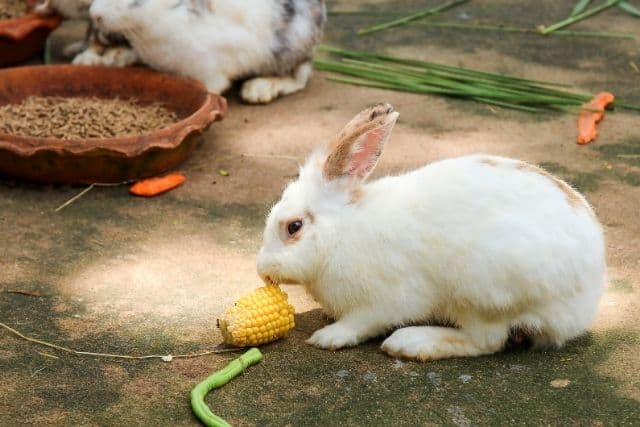
Why Are Tortilla Chips Bad for Rabbits?
Tortilla chips are a processed snack food made primarily from ground corn (masa), vegetable oil, and salt. Some brands also add preservatives, artificial flavors, and spices. Every single one of these ingredients is either unnecessary or actively harmful to rabbits.
To understand why, you need to know how a rabbit's digestive system works. Rabbits are hindgut fermenters, meaning they rely on a specialized cecum filled with beneficial bacteria to break down fiber and extract nutrients. This delicate bacterial balance depends on a consistent, high-fiber, low-starch diet. When you introduce a high-starch, high-fat food like tortilla chips, you disrupt that balance.
Corn Is Difficult for Rabbits to Digest
Corn is the primary ingredient in tortilla chips, and it presents multiple problems for rabbits. The hull of corn kernels is made of a complex polysaccharide that rabbits cannot break down effectively. Unlike ruminants such as cows, rabbits lack the enzymatic pathways needed to fully process corn starch.
When undigested corn reaches a rabbit's cecum, it ferments abnormally. This produces excess gas, which rabbits cannot expel easily since rabbits cannot vomit or burp effectively. The trapped gas causes painful bloating and can slow down or completely stop gut motility.
Salt Content Is Dangerous
A single serving of tortilla chips (about 28 grams) contains roughly 110 to 170 milligrams of sodium. For a rabbit weighing 2 to 4 kilograms, even a fraction of that amount is excessive. Rabbits have very low sodium requirements, and their kidneys are not designed to handle large salt loads.
Excess sodium intake in rabbits can lead to:
- Excessive thirst and water consumption
- Kidney stress and potential kidney damage over time
- Electrolyte imbalances
- Dehydration if adequate water is not available
Oil and Fat Content
Tortilla chips are fried or baked with vegetable oil, giving them a fat content of around 6 to 8 grams per serving. A rabbit's natural diet contains very little fat, typically under 3% of total intake. High-fat foods overwhelm the rabbit's liver and contribute to obesity, fatty liver disease (hepatic lipidosis), and chronic digestive upset.
What Happens If Your Rabbit Eats a Tortilla Chip?
If your rabbit grabbed a single tortilla chip off the floor, do not panic. One chip is unlikely to cause a medical emergency in an otherwise healthy rabbit. Here is what you should do:
- Remove any remaining chips from your rabbit's reach immediately.
- Offer plenty of fresh timothy hay to encourage normal gut motility.
- Provide clean, fresh water to help your rabbit flush out the excess salt.
- Monitor your rabbit's droppings for the next 12 to 24 hours. Look for changes in size, shape, or consistency.
- Watch for signs of discomfort, including hunching, teeth grinding (bruxism), or refusal to eat.
If your rabbit ate a larger quantity of tortilla chips, say a handful or more, the risk of digestive complications increases significantly. Contact your veterinarian right away if you notice any of the warning signs listed below.
Health Risks of Feeding Tortilla Chips to Rabbits
Regularly feeding tortilla chips, or feeding them in large amounts even once, exposes your rabbit to several serious health conditions.
Gastrointestinal Stasis
GI stasis is the most dangerous risk associated with feeding tortilla chips to rabbits. This condition occurs when the normal muscular contractions of the digestive tract slow down or stop entirely. According to veterinary research published in Vet Times, GI stasis is one of the leading causes of death in pet rabbits.
The high-starch, low-fiber composition of tortilla chips directly contributes to GI stasis by disrupting the cecal bacteria that keep the gut functioning properly. When harmful bacteria overgrow due to excess starch, they produce gas and toxins that further paralyze the gut.
Signs of GI stasis include:
- Small, misshapen, or absent fecal pellets
- Loss of appetite or complete refusal to eat
- Hunched posture and reluctance to move
- Loud stomach gurgling or, conversely, a completely silent abdomen
- Teeth grinding (bruxism), which indicates pain
GI stasis can become fatal within 24 to 48 hours if not treated. If you notice any of these signs after your rabbit has eaten tortilla chips, seek veterinary care immediately.
Diarrhea
Diarrhea in rabbits is a medical emergency, not a minor inconvenience like it might be for humans. True diarrhea (liquid stool) can cause rapid dehydration and electrolyte loss. It is different from soft cecotropes, which are the nutrient-rich droppings rabbits normally reingest.
Tortilla chips can trigger diarrhea because they suddenly introduce starch and fat into a digestive system optimized for fiber. The abrupt dietary change overwhelms the gut bacteria, leading to watery stools. If your rabbit's droppings change significantly, treat it as urgent.
Obesity and Related Conditions
Tortilla chips pack roughly 140 calories per 28-gram serving, primarily from carbohydrates and fat. For a rabbit that should be consuming mostly zero-calorie hay, even small amounts of calorie-dense snacks add up quickly.
Obese rabbits face a cascade of health problems:
- Reduced mobility and inability to groom properly
- Increased risk of pododermatitis (sore hocks)
- Higher susceptibility to heat stroke
- Difficulty consuming cecotropes, leading to nutritional deficiencies
- Shortened lifespan
According to PetMD, obesity is one of the most common preventable health issues in domestic rabbits, and high-calorie treats are a primary contributor.
Intestinal Blockage
Corn hulls do not break down in a rabbit's digestive tract. If a rabbit consumes enough tortilla chip fragments, the undigested corn material can accumulate and form a partial or complete intestinal blockage. This is a life-threatening emergency that often requires surgical intervention.
Dental Problems
A rabbit's teeth grow continuously throughout their life, approximately 2 to 3 millimeters per week. Chewing on long-strand hay is the primary way rabbits wear down their teeth naturally. When a rabbit fills up on calorie-dense foods like tortilla chips instead of hay, they chew less hay overall. Over time, this reduced hay consumption leads to overgrown teeth, which can cause painful malocclusion, mouth sores, and difficulty eating. The connection between poor diet and dental disease in rabbits is well documented in veterinary literature.
What About Different Types of Tortilla Chips?
You might wonder whether certain varieties of tortilla chips are safer for rabbits. The short answer is no. All tortilla chips, regardless of brand or flavor, are unsuitable for rabbits.
| Tortilla Chip Type | Safe for Rabbits? | Reason |
|---|---|---|
| Regular salted | No | High in corn starch, salt, and oil |
| Unsalted/low sodium | No | Still high in corn starch and oil |
| Baked (not fried) | No | Lower fat but still high in corn starch |
| Flavored (nacho, ranch, lime) | No | Added spices, artificial flavors, and extra sodium |
| Organic/natural | No | Organic corn is still corn, and still indigestible for rabbits |
| Multigrain | No | Contains additional grains rabbits cannot properly digest |
Can Rabbits Eat Nachos or Doritos?
No. Nachos are tortilla chips topped with cheese, jalapenos, sour cream, and other toppings that are all harmful to rabbits. Rabbits are lactose intolerant, so cheese and sour cream will cause severe digestive upset. Jalapenos and spicy seasonings can irritate the delicate lining of a rabbit's stomach and intestines.
Doritos and other flavored chips are even worse than plain tortilla chips. They contain added ingredients like monosodium glutamate (MSG), artificial colorings, onion powder, and garlic powder. Both onion and garlic are toxic to rabbits and can damage red blood cells, leading to anemia.
Healthy Treat Alternatives for Rabbits
If you want to give your rabbit a treat, stick to foods that are compatible with their digestive system. The best treats are small portions of rabbit-safe fruits and vegetables, offered no more than once or twice per week.
Safe Fruits (1 to 2 teaspoons per 2 pounds of body weight)
- Apples (remove seeds and stem)
- Blueberries
- Strawberries
- Raspberries
- Papaya
- Pears (remove seeds)
- Banana (very small amounts due to high sugar)
Safe Vegetables and Herbs (Daily rotation)
- Romaine lettuce
- Cilantro
- Basil
- Parsley
- Bok choy
- Carrot tops (not the root in large amounts)
- Dandelion greens
These natural treats provide vitamins, minerals, and hydration without disrupting your rabbit's gut bacteria. They are what rabbits have evolved to eat, and they are always a better choice than any processed human food.
What Should a Rabbit's Diet Actually Look Like?
Understanding proper rabbit nutrition helps explain why tortilla chips are so problematic. A healthy adult rabbit's diet should consist of:
| Food Type | Percentage of Diet | Details |
|---|---|---|
| Hay (timothy, orchard, oat) | 80 to 85% | Unlimited access, available 24/7 |
| Fresh leafy greens | 10 to 15% | 1 packed cup per 2 lbs body weight daily |
| Quality pellets | About 5% | 1/4 cup per 5 lbs body weight daily |
| Treats (fruit) | Less than 1% | 1 to 2 teaspoons, 2 to 3 times per week |
Hay is the foundation of a rabbit's diet because it provides the long-strand fiber that keeps the gut moving and wears down their continuously growing teeth. When owners replace hay calories with snack foods like tortilla chips, they undermine both digestive health and dental health simultaneously.
For a more detailed guide on how often to feed your rabbit and proper portion sizes, check our complete feeding schedule.
How to Prevent Your Rabbit from Eating Tortilla Chips
Prevention is always easier than treatment. If you snack on tortilla chips at home, take these precautions to keep your rabbit safe:
- Never eat chips in areas where your rabbit free-roams. Crumbs fall, and rabbits are curious foragers who will eat almost anything they find on the floor.
- Store chips in sealed containers or closed cabinets. Rabbits can chew through thin plastic bags.
- Educate all household members, especially children, about what foods are safe for rabbits. Many accidental feedings happen because kids want to share their snacks.
- Clean up immediately after snacking. Sweep or vacuum any crumbs before letting your rabbit out for exercise.
- Keep your rabbit's hay rack full at all times. A rabbit with constant access to hay is less likely to seek out inappropriate foods.
Frequently Asked Questions
Can rabbits eat one tortilla chip?
A single tortilla chip is unlikely to cause a medical emergency, but it is still not safe or beneficial. If your rabbit ate one chip accidentally, offer plenty of hay and fresh water and monitor their droppings for the next 24 hours. Do not intentionally offer tortilla chips as a treat.
Are corn tortillas safer than tortilla chips for rabbits?
No, corn tortillas are not safe for rabbits either. While they lack the added oil from frying, they are still made from processed corn that rabbits cannot digest properly. The starch content alone makes them a risk for GI stasis and bloating.
What should I do if my rabbit ate a whole bag of tortilla chips?
Contact your veterinarian immediately. A large quantity of tortilla chips significantly increases the risk of GI stasis, intestinal blockage, and dangerous sodium levels. Do not wait for symptoms to appear. Offer hay and water while you arrange veterinary care.
Can baby rabbits eat tortilla chips?
Absolutely not. Baby rabbits (kits) have even more sensitive digestive systems than adults. Kits under 12 weeks should only consume their mother's milk, alfalfa hay, and age-appropriate pellets. Introducing any processed food to a young rabbit can be fatal.
Why does my rabbit seem to like tortilla chips?
Rabbits are attracted to the salty, crunchy texture of tortilla chips. Salt is appealing to many animals, and the crunch mimics the satisfying texture of chewing on fibrous foods. However, just because a rabbit wants to eat something does not mean it is safe. Rabbits will also chew on electrical cords and toxic plants if given the chance.
Cite this article:
BunnySync (March 19, 2026) Can Rabbits Eat Tortilla Chips? Why They're Unsafe. Retrieved from https://bunnysync.com/blog/can-rabbits-eat-tortilla-chips.
"Can Rabbits Eat Tortilla Chips? Why They're Unsafe." BunnySync - March 19, 2026, https://bunnysync.com/blog/can-rabbits-eat-tortilla-chips