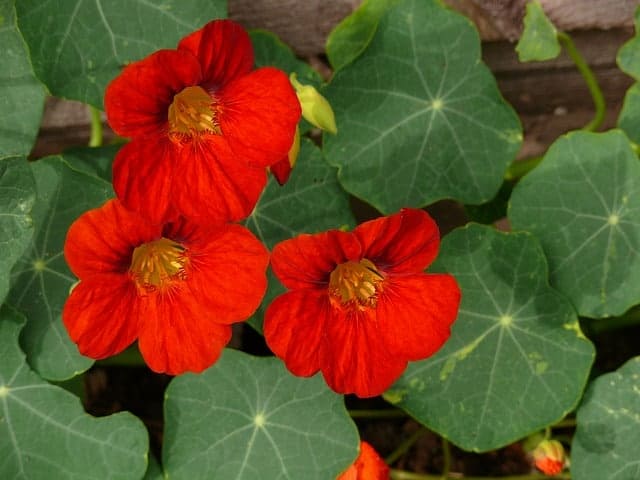
Yes, rabbits can eat nasturtiums safely. Both the flowers and leaves of the nasturtium plant (Tropaeolum) are non-toxic to rabbits and can make a colorful, nutritious treat. Nasturtiums contain natural vitamin C, iron, and trace minerals that support your rabbit's overall health. However, nasturtiums should never replace your rabbit's core diet of unlimited hay, fresh vegetables, and measured pellets. Treat them as an occasional supplement, offered 1 to 2 times per week at most.
As breeders, we grow nasturtiums in our gardens specifically because they're one of the safest ornamental flowers for rabbits. Unlike many common garden plants that can be toxic, nasturtiums are entirely edible for both humans and rabbits. That said, there are important guidelines around portions, preparation, and frequency that every rabbit owner should follow. This guide covers everything you need to know about feeding nasturtiums to your rabbits, including which parts are safe, potential risks, and better alternatives for daily feeding.
Are All Parts of the Nasturtium Plant Safe for Rabbits?
Yes, every part of the nasturtium plant is safe for rabbits to consume. This includes the flowers, leaves, stems, and even the seeds. That makes nasturtiums one of the few garden plants where you don't need to worry about separating toxic parts from edible ones.
Nasturtium Flowers
The brightly colored flowers are the part most rabbits gravitate toward first. They have a mild, slightly peppery flavor that many rabbits find appealing. The petals are soft and easy to chew, making them suitable for rabbits of all ages. You can offer one or two whole flowers per serving.
Nasturtium Leaves
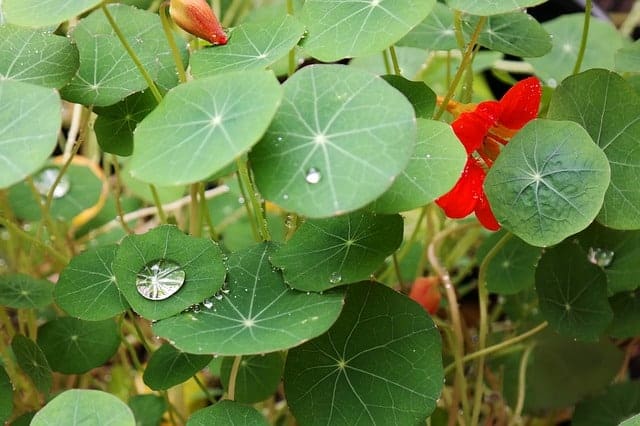
The round, lily-pad-shaped leaves are slightly more peppery than the flowers. They contain higher concentrations of vitamin C compared to the petals. Most rabbits enjoy nibbling on the leaves, though some may initially be put off by the stronger flavor. Start with a single leaf and observe your rabbit's reaction before offering more.
Nasturtium Stems
The stems are safe but less commonly offered. They tend to be stringy and slightly tough, which can make them less appealing to rabbits. If your rabbit enjoys chewing on stems, they're perfectly fine to include. The stems contain a mild sap that is non-toxic.
Nasturtium Seeds
While technically safe, nasturtium seeds are not recommended as a regular treat. They are harder and denser than other parts of the plant, and their high concentration of oils can cause digestive upset if consumed in large quantities. If your rabbit happens to eat a few seeds while grazing, there is no cause for alarm, but don't offer them deliberately.
What Nutrients Do Nasturtiums Provide for Rabbits?
Nasturtiums are more than just a pretty garden flower. They contain several nutrients that can benefit your rabbit when offered as a supplement to their main diet.
| Nutrient | Benefit for Rabbits | Found In |
|---|---|---|
| Vitamin C | Supports immune function and tissue repair | Leaves and flowers |
| Iron | Helps oxygen transport in the blood | Leaves |
| Manganese | Supports bone health and metabolism | All plant parts |
| Flavonoids | Natural antioxidants that reduce inflammation | Flowers |
| Lutein | Supports eye health | Leaves and flowers |
While these nutrients are beneficial, rabbits produce their own vitamin C internally, so they don't rely on dietary sources the way guinea pigs do. The nutritional value of nasturtiums is a nice bonus, but it's not a reason to overfeed them. Your rabbit's primary nutrition should always come from unlimited timothy hay, which provides the fiber essential for healthy digestion.
How Many Nasturtiums Can a Rabbit Eat?
Portion control is important when feeding nasturtiums to rabbits. Even though the plant is safe, offering too much can displace the high-fiber foods your rabbit needs for proper gut function.
Here are the recommended serving sizes based on rabbit weight:
| Rabbit Weight | Nasturtium Serving Size | Frequency |
|---|---|---|
| Under 2 kg (small breeds) | 1 flower or 1 small leaf | Once per week |
| 2 to 4 kg (medium breeds) | 2 flowers or 2 leaves | 1 to 2 times per week |
| Over 4 kg (large breeds) | 3 flowers or 3 leaves | 1 to 2 times per week |
These portions should be offered alongside your rabbit's regular diet, not as a replacement. A rabbit's daily food intake should consist of approximately 80% hay, 10% fresh vegetables, 5% quality pellets, and 5% treats. Nasturtiums fall into that 5% treat category.
What Are the Risks of Overfeeding Nasturtiums to Rabbits?
While nasturtiums are non-toxic, overfeeding them can still cause health problems. The main risks come from displacing fiber-rich hay in your rabbit's diet, which can lead to serious digestive issues.
GI Stasis
Gastrointestinal stasis is the most dangerous potential consequence of an unbalanced diet. When a rabbit fills up on low-fiber treats like nasturtiums instead of hay, the gut motility slows down. This can cause food to compact in the digestive tract, leading to a potentially life-threatening blockage. Signs of GI stasis include a sudden loss of appetite, reduced or absent droppings, a hunched posture, and teeth grinding from pain.
Diarrhea
Feeding too many nasturtiums in a single sitting can cause loose stools or true diarrhea. The high water content and low fiber in nasturtiums means they pass through the digestive system quickly without the bulk that hay provides. If your rabbit develops watery stools after eating nasturtiums, stop offering them immediately and ensure unlimited hay is available.
Soft Uneaten Cecotropes
Rabbits produce two types of droppings: regular fecal pellets and nutrient-rich cecotropes that they normally re-ingest directly from their body. When a rabbit's diet is too low in fiber or too high in sugary and watery treats, the cecotropes become soft and mushy. Your rabbit may leave these uneaten, and you will find them stuck to their fur or scattered around the enclosure. This condition usually resolves within a few weeks once you increase hay intake and reduce treats.
Weight Gain
While nasturtiums themselves are low in calories, a rabbit that fills up on treats rather than hay is more likely to develop weight problems over time. This is because treat-heavy diets often coincide with reduced physical activity and slower metabolism.
How to Introduce Nasturtiums to Your Rabbit's Diet
If your rabbit has never eaten nasturtiums before, follow these steps to introduce them safely:
- Start small. Offer a single petal or a small piece of leaf. Watch your rabbit for 24 hours for any signs of digestive upset, including soft stools, reduced appetite, or lethargy.
- Wait before increasing. If your rabbit tolerates the first serving well, you can gradually increase the portion over the next 2 to 3 weeks until you reach the recommended serving size for their weight.
- Don't combine with other new foods. Only introduce one new food at a time. If you offer nasturtiums alongside another new vegetable and your rabbit develops digestive issues, you won't know which food caused the problem.
- Wash thoroughly. Rinse all nasturtium parts under clean water before serving. This removes dirt, insects, and any potential pesticide residue. Never feed nasturtiums that have been sprayed with chemical pesticides or herbicides.
- Source carefully. Only offer nasturtiums from your own garden or a trusted organic source. Plants from garden centers may have been treated with systemic pesticides that washing alone won't remove.
Can Baby Rabbits Eat Nasturtiums?
Baby rabbits (kits) under 12 weeks old should not be given nasturtiums or any fresh foods. Young rabbits have particularly sensitive digestive systems that are still developing the bacterial flora needed to process anything other than their mother's milk and alfalfa hay. Introducing fresh foods too early can cause severe, potentially fatal diarrhea.
Once your rabbit reaches 12 weeks of age, you can begin introducing fresh vegetables one at a time. However, nasturtiums should not be among the first foods you try. Start with safe herbs like cilantro, small amounts of romaine lettuce, or a bit of parsley. Once your rabbit is comfortably eating a variety of fresh vegetables (usually around 4 to 6 months of age), you can begin introducing nasturtiums as an occasional treat.
Can Wild Rabbits Eat Nasturtiums?
Wild rabbits will readily eat nasturtiums if they encounter them. In fact, nasturtiums are one of the garden plants that wild rabbits target most frequently, which is a common frustration for gardeners. Wild rabbits have a broader natural diet than domestic rabbits and are accustomed to foraging on a variety of plants, flowers, and grasses.
If you are growing nasturtiums in your garden and want to protect them from wild rabbits, fencing is the most effective solution. A wire mesh fence at least 60 cm (2 feet) high with the bottom buried 15 cm (6 inches) underground will deter most wild rabbits from accessing your flower beds.
Growing Nasturtiums for Your Rabbits
One of the best things about nasturtiums is how easy they are to grow. They thrive in poor soil, require minimal watering once established, and grow quickly from seed. If you want a reliable supply of rabbit-safe flowers, nasturtiums are an excellent choice for your garden.
Quick Growing Guide
- Planting: Sow seeds directly outdoors after the last frost, about 2.5 cm (1 inch) deep and 25 cm (10 inches) apart.
- Soil: Nasturtiums actually prefer poor, well-drained soil. Rich soil produces more leaves and fewer flowers.
- Sunlight: Full sun to partial shade. At least 6 hours of direct sunlight produces the best blooms.
- Watering: Water regularly until established, then only during dry spells. Overwatering encourages leaf growth over flowers.
- Harvesting: Pick flowers and leaves in the morning after the dew has dried. Use immediately or store in a damp paper towel in the refrigerator for up to 3 days.
A single nasturtium plant can produce dozens of flowers throughout the growing season (typically June through October in most climates), giving you a steady supply of fresh, pesticide-free treats for your rabbit.
Safe Flower and Plant Alternatives to Nasturtiums
If you want to offer your rabbit a variety of safe flowers and plants, here are some excellent alternatives that provide similar benefits:
- Roses: Petals and leaves are safe. Remove thorns before offering stems.
- Marigolds: Safe in small quantities. Pot marigolds (Calendula) are the best variety for rabbits.
- Dandelions: Leaves, flowers, and roots are all safe. One of the most nutritious wild plants for rabbits.
- Daisies: Common daisies (Bellis perennis) are safe. Avoid Shasta daisies and chrysanthemums.
- Clover: Both red and white clover are safe. Offer in moderation due to higher calcium content.
- Sunflowers: Petals and leaves are safe. Avoid seeds, which are too high in fat for rabbits.
- Chickweed: A common garden weed that rabbits love. High in vitamins and safe for daily feeding in small amounts.
Rotating between different safe flowers and plants keeps your rabbit's diet interesting and provides a broader range of micronutrients. Aim to offer no more than 2 to 3 different treat items per week alongside your rabbit's regular diet of hay, vegetables, and pellets.
Plants and Flowers Rabbits Should Never Eat
While nasturtiums are perfectly safe, many common garden plants are toxic to rabbits. Always verify that a plant is safe before offering it. The following flowers and plants should never be fed to rabbits:
- Foxglove (Digitalis): Contains cardiac glycosides that can cause heart failure.
- Lily of the Valley: Extremely toxic, even in small amounts.
- Buttercups: Contain ranunculin, which causes oral irritation and digestive distress.
- Rhododendron and Azalea: Contain grayanotoxins that affect the nervous system and heart.
- Daffodils: All parts are toxic, especially the bulbs.
- Tulips: Contain allergenic lactones concentrated in the bulb.
- Oleander: One of the most toxic garden plants. Even small amounts can be fatal.
If you suspect your rabbit has eaten a toxic plant, contact your veterinarian immediately. Symptoms of plant poisoning can include drooling, diarrhea, lethargy, tremors, and seizures.
Frequently Asked Questions
Can rabbits eat nasturtiums every day?
No, rabbits should not eat nasturtiums daily. Limit nasturtiums to 1 to 2 times per week as an occasional treat. Daily feeding can reduce your rabbit's hay intake, which leads to digestive problems like GI stasis and soft cecotropes. Hay should always remain the primary food source.
Are nasturtiums toxic to rabbits?
No, nasturtiums are completely non-toxic to rabbits. All parts of the plant, including the flowers, leaves, stems, and seeds, are safe for rabbits to eat. They are one of the safest ornamental plants you can grow in a garden accessible to rabbits.
Can I feed my rabbit nasturtiums from a florist or store?
It is not recommended. Store-bought and florist flowers are frequently treated with pesticides, fungicides, and preservatives that can be harmful to rabbits. Only feed nasturtiums grown organically in your own garden or sourced from a trusted pesticide-free supplier.
Do nasturtiums help with rabbit health problems?
Nasturtiums contain natural antibacterial compounds and vitamin C, which may offer mild immune support. However, they are not a treatment for any health condition. If your rabbit is unwell, always consult a rabbit-savvy veterinarian rather than relying on dietary supplements.
Will nasturtiums change my rabbit's urine color?
Nasturtiums are unlikely to noticeably affect urine color. However, certain pigments in brightly colored flowers can occasionally cause slight changes. If you notice red or orange urine, it is more likely caused by plant pigments than a health issue, but consult your vet if the discoloration persists for more than 48 hours.
Cite this article:
Cite this article:
BunnySync (March 16, 2026) Can Rabbits Eat Nasturtiums?. Retrieved from https://bunnysync.com/blog/can-rabbits-eat-nasturtiums.
"Can Rabbits Eat Nasturtiums?." BunnySync - March 16, 2026, https://bunnysync.com/blog/can-rabbits-eat-nasturtiums