No, rabbits should never eat fresh buttercups (Ranunculus). Buttercups contain protoanemonin, a toxic compound that irritates the mouth, digestive tract, and mucous membranes. Even small amounts of fresh buttercup can cause oral blistering, excessive drooling, and gastrointestinal distress in rabbits.
As breeders, we take plant toxicity seriously because rabbits are curious grazers. If your rabbits have outdoor access, especially in meadows, gardens, or grassy yards, buttercups are one of the most common wild plants they will encounter. Knowing exactly what makes them dangerous, how much it takes to cause harm, and what safer alternatives you can offer will help you keep your rabbits safe year-round.
What Makes Buttercups Toxic to Rabbits?
Buttercups belong to the Ranunculus genus, a large family of flowering plants found across North America, Europe, and Asia. The toxic compound in buttercups is called protoanemonin, a yellow, oily substance released when the plant's cells are crushed or chewed. According to the Merck Veterinary Manual, protoanemonin-containing plants are classified as gastrointestinal irritants that affect multiple animal species, including rabbits.
Protoanemonin works by directly irritating tissue on contact. When a rabbit chews a fresh buttercup stem, leaf, or flower, the compound is released and immediately begins causing damage to the delicate tissues of the mouth, throat, and stomach lining. This is why many rabbits will take a bite and then stop: the bitter taste and burning sensation act as a natural deterrent.
How Protoanemonin Affects a Rabbit's Body
The irritation caused by protoanemonin follows a predictable pattern. First, it damages the oral mucosa, the soft tissue inside the mouth. This leads to blistering and excessive salivation. If the rabbit swallows enough plant material, the compound then irritates the esophagus and stomach lining, causing inflammation and potentially bloody diarrhea. In severe cases, protoanemonin can affect the nervous system, leading to tremors, convulsions, and difficulty breathing.
The concentration of protoanemonin varies between buttercup species. The meadow buttercup (Ranunculus acris) and the creeping buttercup (Ranunculus repens) are among the most common species found in gardens and pastures. Both contain significant levels of the toxin, though R. acris tends to have higher concentrations.
Are Dried Buttercups Safe for Rabbits?
When buttercups are dried, either naturally in hay or through deliberate drying, protoanemonin breaks down into a much less harmful compound called anemonin. This is why hay that contains some dried buttercup material is generally considered safe. The drying process degrades the toxin to levels that are unlikely to cause harm.
That said, we still recommend avoiding dried buttercups as a deliberate food source. While the toxin is significantly reduced, there is no reliable way to confirm complete degradation at home. If your hay contains a few dried buttercup remnants, that is not a cause for alarm. But intentionally feeding dried buttercups as a treat or supplement is unnecessary when so many safe alternatives exist.
Would a Rabbit Intentionally Eat Buttercups?
Most rabbits will avoid buttercups after their first taste. The protoanemonin gives the plant a distinctly bitter, acrid flavor that acts as a natural warning signal. In our experience, rabbits that encounter buttercups while grazing typically sniff them, take a small nibble, and move on to something more palatable.
However, there are situations where a rabbit might eat more buttercups than expected:
- Limited forage availability: If your rabbit is free-roaming in an area where buttercups are the dominant plant and other food sources are scarce, hunger may override the natural aversion to the bitter taste.
- Young or inexperienced rabbits: Kits and younger rabbits that have not yet learned to identify and avoid toxic plants may consume more before the taste deters them.
- Rabbits with reduced taste sensitivity: Older rabbits or those with dental issues may have diminished taste perception, making them less likely to reject bitter plants.
Some rabbit owners have reported their rabbits eating buttercups in the garden out of apparent curiosity or desperation. This is why supervised outdoor time is essential if your yard or pasture contains buttercups.
Symptoms of Buttercup Poisoning in Rabbits
The severity of symptoms depends on how much fresh buttercup material your rabbit consumed. A single nibble rarely causes more than mild oral irritation, while consuming several plants over a short period can lead to serious complications.
Mild Symptoms (Small Amount Consumed)
- Excessive drooling or salivation
- Pawing at the mouth
- Temporary loss of appetite
- Mild redness or irritation around the lips
Moderate Symptoms (Several Bites Consumed)
- Visible blistering inside the mouth or on the lips
- Refusal to eat or drink
- Soft or watery droppings
- Abdominal discomfort (hunched posture, reluctance to move)
- Reduced fecal output compared to normal daily amounts
Severe Symptoms (Large Amount Consumed)
- Bloody diarrhea
- Severe oral and GI tract blistering
- Colic (intense abdominal pain)
- Nervousness or agitation
- Difficulty breathing
- Muscle twitching, particularly around the ears and lips
- Convulsions
- Collapse
If you notice any moderate or severe symptoms, contact your veterinarian immediately. For emergency situations outside of clinic hours, call the ASPCA Animal Poison Control Center at (888) 426-4435.
What to Do If Your Rabbit Eats Buttercups
If you catch your rabbit eating buttercups or suspect they have consumed some, follow these steps:
- Remove your rabbit from the area immediately. Move them away from the buttercups and into a safe, clean environment.
- Check their mouth. Gently open your rabbit's mouth and look for signs of irritation, redness, or blistering on the gums, tongue, and inner cheeks.
- Offer fresh water. Encourage your rabbit to drink to help dilute any toxin that may have been swallowed. Some rabbits may refuse water due to mouth pain.
- Provide unlimited hay. Timothy hay or orchard grass will help move any consumed plant material through the digestive system. Fiber is your rabbit's best defense against GI upset.
- Monitor closely for 24 to 48 hours. Watch for changes in appetite, droppings, energy level, and behavior. A rabbit that stops eating or producing droppings needs veterinary attention.
- Call your vet if symptoms appear. Do not wait for symptoms to worsen. Early intervention gives your rabbit the best chance of a full recovery.
The good news is that most accidental buttercup ingestion involves only a small quantity. Rabbits typically need to eat a relatively large amount of fresh buttercup to experience severe poisoning. A nibble or two, while unpleasant for the rabbit, is unlikely to be life-threatening.
How to Identify Buttercups in Your Garden
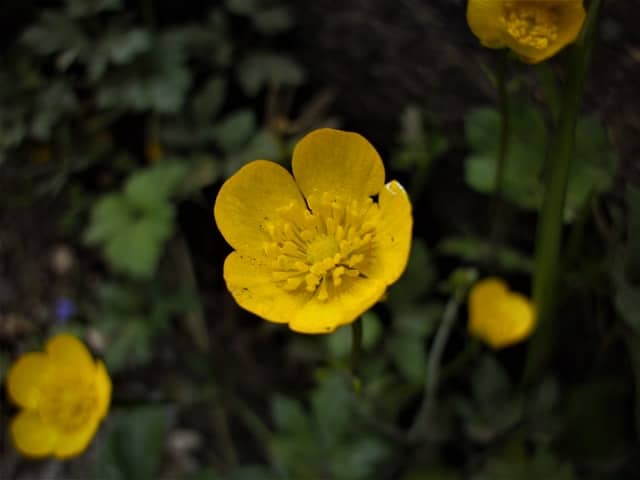
Before you can protect your rabbit from buttercups, you need to know what they look like. Buttercups are common wildflowers that thrive in meadows, lawns, garden borders, and damp areas. Here are the key identifying features:
| Feature | Description |
|---|---|
| Flowers | Bright yellow, glossy, 5 petals, 1 to 3 cm across |
| Leaves | Deeply divided into 3 to 7 lobes, palmate shape |
| Stem | Upright, branching, 30 to 70 cm tall |
| Bloom Period | Late spring through early autumn (May to September) |
| Habitat | Meadows, lawns, damp soil, woodland edges |
| Root System | Fibrous roots, creeping runners (in R. repens) |
The most distinctive feature is the flower's waxy, reflective sheen. Buttercup petals have a unique layered structure that creates a mirror-like gloss, something no other common wildflower replicates. If you see bright, shiny yellow flowers in your grass, they are almost certainly buttercups.
Common Buttercup Species to Watch For
- Meadow Buttercup (Ranunculus acris): The tallest species, commonly found in open grasslands and hay meadows. Highest protoanemonin concentration.
- Creeping Buttercup (Ranunculus repens): Spreads via runners along the ground. Common in lawns, garden beds, and damp areas. The most difficult to eradicate.
- Bulbous Buttercup (Ranunculus bulbosus): Has a distinctive bulb-like swelling at the base of the stem. Prefers drier, well-drained soils.
How to Remove Buttercups From Your Rabbit's Outdoor Area
If your rabbits have access to outdoor enclosures, runs, or free-roaming areas, removing buttercups is an important safety measure. Here are effective methods:
- Hand-pulling: The most rabbit-safe method. Pull buttercups by hand, making sure to remove the entire root system. Wear gloves, as protoanemonin can also irritate human skin. This works best in moist soil when roots pull out more easily.
- Regular mowing: Frequent mowing prevents buttercups from flowering and spreading seeds. While this does not eliminate the plants entirely, it significantly reduces exposure.
- Improving drainage: Buttercups thrive in damp, compacted soil. Aerating your lawn and improving drainage can make conditions less favorable for buttercup growth.
- Overseeding with grass: Thick, healthy grass outcompetes buttercups for sunlight and nutrients. Overseeding bare or thin patches can help suppress buttercup growth naturally.
Avoid using chemical herbicides in areas where your rabbits graze. Herbicide residue on plants and soil can be just as dangerous as the buttercups themselves.
Safe Plants and Flowers Your Rabbit Can Eat Instead
Instead of risking exposure to toxic buttercups, offer your rabbits these safe, nutritious plants that many breeders grow specifically for their herds:
| Safe Plant | Benefits | Feeding Notes |
|---|---|---|
| Dandelion | High in fiber, vitamins A and C, natural diuretic | Feed leaves, flowers, and stems freely |
| Clover | Good protein source, palatable | Feed in moderation due to higher calcium content |
| Daisies | Safe wildflower, mild flavor rabbits enjoy | Feed flowers and leaves as occasional forage |
| Plantain (broadleaf) | Anti-inflammatory properties, high in fiber | Feed leaves freely as part of a varied diet |
| Chickweed | Nutrient-dense, highly palatable | Excellent fresh forage, feed freely |
| Nasturtium | Natural antibiotic properties, vitamin C | Feed flowers and leaves in moderation |
A varied diet of safe forage plants, combined with unlimited timothy hay and a measured portion of quality pellets, provides everything your rabbit needs. For a broader overview of safe vegetables and plants for rabbits, we have a detailed guide covering dozens of options.
Other Common Garden Plants That Are Toxic to Rabbits
Buttercups are far from the only dangerous plant your rabbit might encounter outdoors. As breeders, we keep a mental list of the plants that pose the greatest risk. Here are some of the most common toxic garden plants:
- Jade plants: A common houseplant that is toxic to rabbits if ingested, causing vomiting and lethargy.
- Foxglove (Digitalis): Contains cardiac glycosides that can cause fatal heart failure in rabbits. Extremely dangerous.
- Lily of the Valley: Another cardiac glycoside-containing plant. Even small amounts can be lethal.
- Ragwort: Contains pyrrolizidine alkaloids that cause irreversible liver damage. Toxic both fresh and dried.
- Nightshade: All parts of the plant contain solanine and other alkaloids that affect the nervous system.
- Rhubarb leaves: High in oxalic acid, which can cause kidney failure.
- Ivy: Contains saponins that irritate the digestive tract and can cause neurological symptoms.
Before allowing your rabbit outdoor access to any new area, walk through it first and identify every plant present. Remove anything you cannot positively identify as safe. When in doubt, pull it out.
Frequently Asked Questions
Can rabbits eat any part of a buttercup plant?
No. All parts of a fresh buttercup plant, including the flowers, leaves, stems, and roots, contain protoanemonin and are toxic to rabbits. The concentration varies by plant part, but none are considered safe for consumption.
Will buttercups in hay hurt my rabbit?
Dried buttercups in hay are generally safe because the drying process breaks down protoanemonin into a much less harmful compound. If your hay contains a small amount of dried buttercup material, it is unlikely to cause any problems. However, do not feed dried buttercups intentionally.
How many buttercups would a rabbit need to eat to get sick?
There is no precise threshold because toxicity depends on the species of buttercup, the rabbit's size, and individual sensitivity. A single small nibble usually causes only mild mouth irritation. Consuming several whole plants in one sitting could lead to moderate or severe poisoning symptoms.
Can buttercup poisoning kill a rabbit?
In extreme cases, yes. A rabbit that consumes a very large quantity of fresh buttercups could experience severe enough GI damage, respiratory distress, or convulsions to be fatal. However, this is rare because the bitter taste typically prevents rabbits from eating large amounts.
What is the best way to keep my rabbit safe from buttercups?
Supervise all outdoor time, remove buttercups from grazing areas by hand-pulling, and provide plenty of safe forage alternatives so your rabbit is never hungry enough to resort to eating toxic plants. Regular inspection of your rabbit's outdoor space during spring and summer is the most effective prevention strategy.
Cite this article:
Cite this article:
BunnySync (March 11, 2026) Can Rabbits Eat Buttercups? Why This Common Flower Is Toxic. Retrieved from https://bunnysync.com/blog/can-rabbits-eat-buttercups.
"Can Rabbits Eat Buttercups? Why This Common Flower Is Toxic." BunnySync - March 11, 2026, https://bunnysync.com/blog/can-rabbits-eat-buttercups